left handed golf glove
CN → US| HS Code | Tariff Rate | Origin | Destination | Doc |
|---|---|---|---|---|
| 6216000800 | 18.3% | CN | US | Official Doc |
| 6216004600 | 20.3% | CN | US | Official Doc |
| 6116100800 | 20.3% | CN | US | Official Doc |
| 6116930800 | 20.3% | CN | US | Official Doc |
Product Images
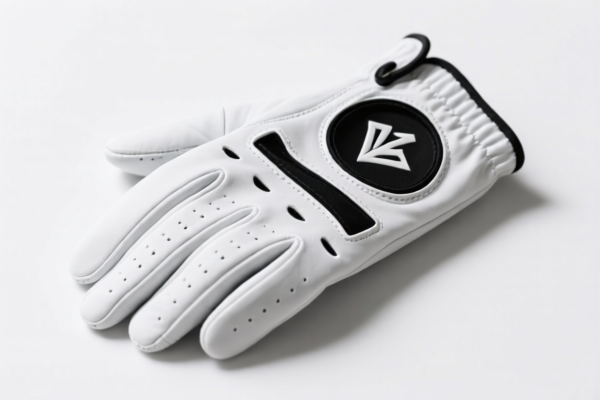
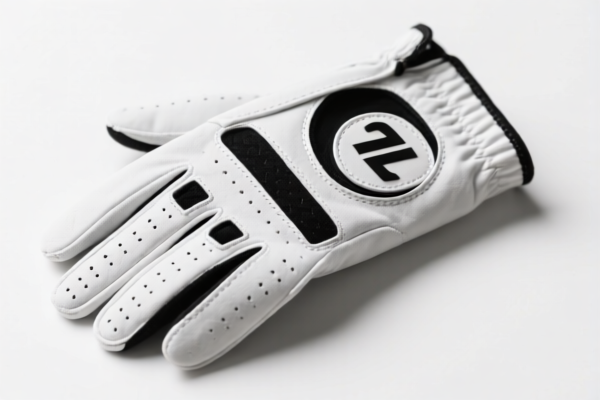
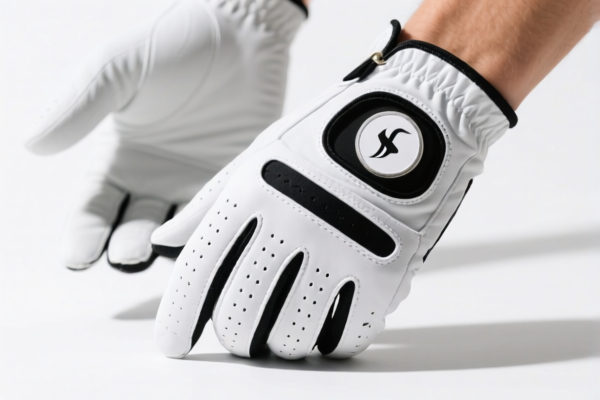
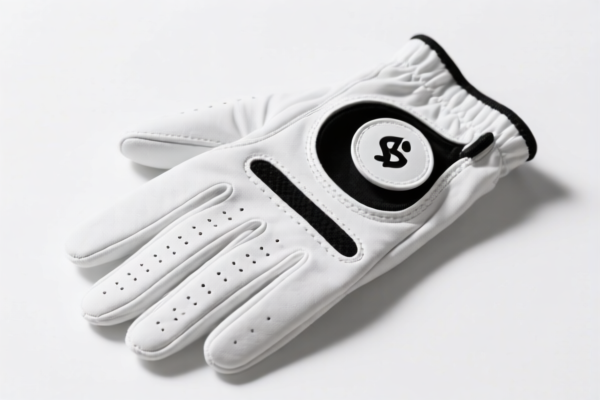
AI Analysis
🏌️ Left-Handed Golf Gloves: HS Code Classification & US Customs Clearance Guide
🌐 HS Code Reference & Customs Clearance Guide | 2026 Latest Tariff Analysis | Professional Entry Strategy
📌 I. Product Definition & Classification: Do You Really Understand "Left-Handed Golf Gloves"?
A Left-Handed Golf Glove is a specialized sports accessory designed specifically for the dominant hand of left-handed golfers. In golf, the left hand provides grip and stability, while the right hand provides swing power (for lefties). Therefore, the glove is worn on the left hand only.
In international trade, the classification depends heavily on two factors: 1. Material Composition: Is it leather, synthetic, knitted, or coated? 2. Structure: Is it a simple knitted glove or a structured glove with padding/taping?
⚠️ Key Distinction:
- "Left-Handed" does NOT change the HS Code. The classification is based on the product's physical characteristics, not the handedness. A left-handed glove and a right-handed glove of the same material are classified under the same HS Code.
- However, if the glove is leather or synthetic leather, it falls under Chapter 61 or 62. If it is knitted and coated, it falls under 6116.
📦 II. HS Code Classification Details (2026 Latest Tariff Authority Cross-Reference)
Based on the provided data, there are five potential HS Codes for Left-Handed Golf Gloves, depending on the specific material and construction. The tax rates vary significantly.
| HS Code | Product Description | Material Inference | Total Tax Rate | Tax Detail |
|---|---|---|---|---|
| 6216.00.08.00 | Non-knitted Gloves with Rubber/Plastic Coating | Rubber or plastic coating inferred for sports use. | 18.3% | Base: 0.8%, Section 301: 7.5%, Section 122: 10% |
| 6216.00.46.00 | Leather or Composition Leather Gloves | Artificial fiber or leather inferred for golf use. | 20.3% | Base: 2.8%, Section 301: 7.5%, Section 122: 10% |
| 6116.10.08.00 | Knitted/ Crocheted Gloves with Rubber/Plastic Coating | Knitted or coated processing inferred for sports use. | 20.3% | Base: 2.8%, Section 301: 7.5%, Section 122: 10% |
| 6116.93.08.00 | Other Knitted/Crocheted Gloves (Synthetic Fiber/Leather) | Synthetic fiber or leather inferred for sports use. | 20.3% | Base: 2.8%, Section 301: 7.5%, Section 122: 10% |
| 6216.00.08.00 | Non-Knitted Gloves (Plastic/Rubber Coated) | 浸渍, coated, or covered with plastic/rubber inferred. | 18.3% | Base: 0.8%, Section 301: 7.5%, Section 122: 10% |
🔍 Important Note:
- HS Code 6216.00.08.00 appears twice in the data with slightly different summaries but the same tax rate (18.3%). This is the most cost-effective option if the product qualifies. - HS Codes 6216.00.46.00, 6116.10.08.00, and 6116.93.08.00 all carry a higher tax rate of 20.3%. - "Left-Handed" is a design feature, not a material feature. You must determine the material to choose the correct code.
💰 III. 2026 Latest Tariff Rate Breakdown (Including Surtaxes & Policy Surcharges)
✅ Applicable Country: United States (US)
✅ Origin: China (CN)
✅ Effective Time: Current tariffs apply as of 2026
🎯 1. 6216.00.08.00 —— Gloves with Rubber/Plastic Coating (Non-Knitted)
| Item | Content |
|---|---|
| Base Duty Rate | 0.8% |
| Section 301 Surcharge | +7.5% |
| Section 122 Surcharge | +10% |
| Total Tax Rate | 18.3% |
| Tax Calculation | CIF Value × 18.3% |
| De Minimis Eligibility | ❌ No (Section 122 and 301 surcharges usually negate de minimis benefits for certain categories, and high rates make small shipments less viable) |
| Legal Path | Base Tariff → Section 301 → Section 122 |
📌 Explanation:
- This code is typically for non-knitted gloves (e.g., woven fabric) that are coated with rubber or plastic for grip or waterproofing.
- Lower Total Tax (18.3%) makes this a preferred option if the material fits.
🎯 2. 6216.00.46.00 —— Leather or Composition Leather Gloves
| Item | Content |
|---|---|
| Base Duty Rate | 2.8% |
| Section 301 Surcharge | +7.5% |
| Section 122 Surcharge | +10% |
| Total Tax Rate | 20.3% |
| Tax Calculation | CIF Value × 20.3% |
| De Minimis Eligibility | ❌ No |
| Legal Path | Base Tariff → Section 301 → Section 122 |
📌 Explanation:
- This applies to leather or artificial leather gloves. Traditional golf gloves are often made of leather or synthetic leather.
- Higher Tax (20.3%) due to higher base duty.
🎯 3. 6116.10.08.00 —— Knitted Gloves with Rubber/Plastic Coating
| Item | Content |
|---|---|
| Base Duty Rate | 2.8% |
| Section 301 Surcharge | +7.5% |
| Section 122 Surcharge | +10% |
| Total Tax Rate | 20.3% |
| Tax Calculation | CIF Value × 20.3% |
| De Minimis Eligibility | ❌ No |
| Legal Path | Base Tariff → Section 301 → Section 122 |
📌 Explanation:
- This applies to knitted gloves that are coated (e.g., latex dots for grip). Many modern golf gloves use this technology.
- Higher Tax (20.3%) due to higher base duty.
🎯 4. 6116.93.08.00 —— Other Knitted Gloves (Synthetic Fiber/Leather)
| Item | Content |
|---|---|
| Base Duty Rate | 2.8% |
| Section 301 Surcharge | +7.5% |
| Section 122 Surcharge | +10% |
| Total Tax Rate | 20.3% |
| Tax Calculation | CIF Value × 20.3% |
| De Minimis Eligibility | ❌ No |
| Legal Path | Base Tariff → Section 301 → Section 122 |
📌 Explanation:
- This is a "catch-all" for knitted gloves made of synthetic fibers or leather without rubber/plastic coating.
- Higher Tax (20.3%).
🛠️ IV. Customs Clearance Practical Advice (Real-World Pitfall Avoidance Guide)
✅ 1. Preparation Checklist (No Excuses)
| Document | Required | Explanation |
|---|---|---|
| ✅ Product Specification Sheet | ✔️ | Must clearly state: Material (e.g., 100% Sheepskin, Nylon/Latex), Construction (Knitted vs. Woven), Use (Golf). |
| ✅ Product Photos | ✔️ | Clear images of the glove, showing the palm side (coating/padding) and back side. Indicate "Left Hand" if relevant for internal labeling, but not for HS code. |
| ✅ Commercial Invoice | ✔️ | Description must be precise: "Left-Handed Golf Glove, Material: [Leather/Synthetic], Construction: [Knitted/Woven]". |
| ✅ Packing List | ✔️ | Include quantity, weight, and dimensions. |
| ✅ Origin Certificate | ✔️ | If claiming preferential rates (unlikely for US from China due to tariffs), but essential for proving origin. |
✅ 2. Declaration Tips (Key Mnemonics)
🔥 "Material Defines Code, Handedness Does Not. Coating Lowers Tax!"
| Scenario | Correct Declaration | Wrong Practice |
|---|---|---|
| Leather/Synthetic Leather Golf Glove | 6216.00.46.00 (20.3%) |
Misdeclaring as "Textile" → Audit Risk |
| Knitted Glove with Latex Dots (Grip) | 6116.10.08.00 (20.3%) |
Misdeclaring as "Uncouated" → Penalty |
| Woven Glove with Plastic Coating | 6216.00.08.00 (18.3%) |
Best Rate Option if Applicable |
| "Left-Handed" Mentioned in Description | ✅ Include for clarity | ❌ Do not use to change HS Code |
📌 Critical Reminder:
- Do not try to declare a leather glove as a knitted glove to save money if it is actually leather. Customs may request samples. - "Glove" is a broad term. Be specific: "Golf Glove" helps customs officers understand the use, but the material is the deciding factor.
✅ 3. Special Cases
| Situation | Handling Advice |
|---|---|
| Mixed Material Gloves | If the glove has leather palms and fabric backs, it is usually classified by the principal material (often leather). |
| Packaged Sets (Glove + Ball + Tee) | Separate the glove. Declare it separately. Mixing items can lead to complex classification and higher scrutiny. |
| OEM Custom Gloves | Provide the design sketch and material composition to the customs broker in advance. |
🌍 V. Global Market Comparison (2026 Latest)
| Country/Region | Recommended HS Code | Duty Rate (China Origin) | Certification Requirements | Notes |
|---|---|---|---|---|
| 🇺🇸 USA | 6216.00.08.00 |
18.3% (Lowest) | None Specific | Best for Non-Knitted/Coated |
| 🇺🇸 USA | 6216.00.46.00 |
20.3% | None Specific | Standard for Leather |
| 🇨🇳 China | 6216.00.08.00 |
~20% | N/A | Import Duty |
| 🇪🇺 EU | 6216.00.08.00 |
~4-6% | CE (if applicable) | Lower tariffs in EU |
| 🇯🇵 Japan | 6216.00.08.00 |
~5% | PSE (if electronic, not here) | Standard rates |
📌 Conclusion:
- USA is the most expensive market for gloves from China due to Section 301 (7.5%) and Section 122 (10%) surcharges.
- Total tax ranges from 18.3% to 20.3%.
- No major tariff advantages for "Left-Handed" products.
- Strategy: If possible, structure the product to fit 6216.00.08.00 (Non-Knitted with Coating) to save 2%.
📌 VI. Common Errors & Pitfall Guide (Lessons Learned)
❌ Error 1: Declaring a Leather glove as Knitted to get a lower base rate
👉 Consequence: Customs audit, sample request, potential penalties, and delayed clearance.
❌ Error 2: Ignoring Section 122 and Section 301 surcharges
👉 Consequence: Budget miscalculation. A 20.3% tax is not just "duty"; it includes significant surcharges.
❌ Error 3: Using vague terms like "Sports Glove" without material specification
👉 Consequence: Customs may assign the highest applicable rate or request additional information, causing delays.
❌ Error 4: Assuming "Left-Handed" gets a special code
👉 Consequence: No special code exists. Misclassification leads to errors.
✅ Correct Approach:
"Golf Glove, Left-Handed, Material: 100% Polyester Knitted with Latex Palm Coating, HS Code: 6116.10.08.00"
🎯 VII. Conclusion: Precise Classification for Cost Optimization
🎯 Remember the Mantra:
🔹 "Material is King, Handedness is Irrelevant."
🔹 "Coated Non-Knitted Saves 2%: 18.3% vs 20.3%."
🔹 "Always Add Section 301 & 122: 7.5% + 10% = 17.5% Surtax."
📌 Pro Tip:
If your gloves are originating from Vietnam, Mexico, or Thailand, you may be eligible for tariff exemptions under trade agreements (e.g., USMCA, ASEAN). However, if made in China, the 18.3%-20.3% total tax is fixed.
Recommendation:
- Pre-classify with a customs broker.
- Document the material composition rigorously.
- Consider supply chain diversification if tariffs impact margins significantly.
📣 Immediate Action:
📞 Consult a licensed customs broker with product samples.
📝 Ensure your Commercial Invoice lists the HS Code and Material Composition clearly.
🚀 Clear Customs Smoothly, Protect Your Margins!
✨ Professional Clearance Starts with Accurate Classification!
💼 Every Percentage Point Counts in Cross-Border Trade!
Customer Reviews
About HS Code Classification
The Harmonized System (HS) is an internationally standardized nomenclature developed by the World Customs Organization (WCO) to classify traded products. Over 200 countries use the HS system as the basis for customs tariffs, trade statistics, and import/export regulations.
Each HS code follows a hierarchical structure:
- Chapter (2 digits) — Broad category of goods (e.g., Chapter 84: Machinery and Mechanical Appliances)
- Heading (4 digits) — More specific grouping within the chapter
- Subheading (6 digits) — Internationally standardized breakdown, used by all WCO member countries
- National subdivisions (8-10 digits) — Country-specific extensions for further classification, such as US HTSUS 10-digit codes
Correct HS code classification is essential for smooth customs clearance, accurate duty payment, and compliance with trade regulations. Misclassification can lead to customs delays, overpayment of duties, or penalties.
When importing from CN to US, the applicable tariff rates may include:
- Most-Favored-Nation (MFN) rate — The standard duty rate applied to WTO members
- General rate — Applied to countries without trade agreements
- Trade remedy duties — Additional tariffs such as Section 301 (anti-dumping), Section 232 (national security), or countervailing duties
The information provided on this page is for reference purposes only. For official classification, please consult with your local customs authority or a licensed customs broker.