leg warmers cuff
CN → US| HS Code | Tariff Rate | Origin | Destination | Doc |
|---|---|---|---|---|
| 3926909989 | 22.8% | CN | US | Official Doc |
| 6212900030 | 24.1% | CN | US | Official Doc |
| 6115959000 | 31.0% | CN | US | Official Doc |
| 6117809570 | 32.1% | CN | US | Official Doc |
| 6115956000 | 27.5% | CN | US | Official Doc |
Product Images
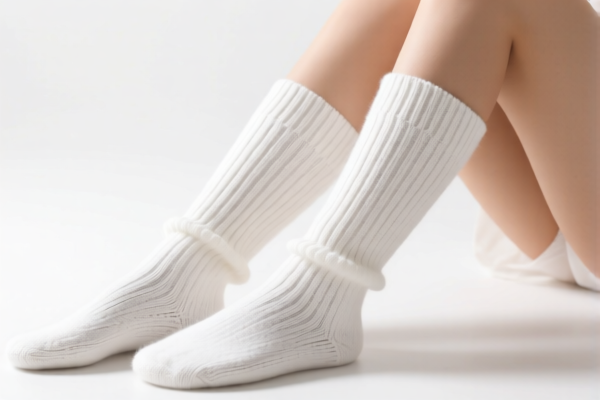
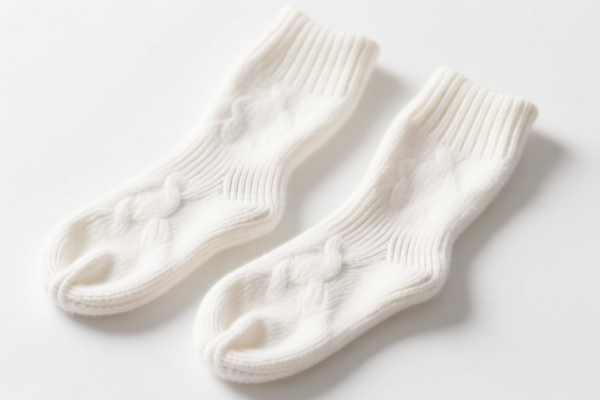


AI Analysis
🧦 Leg Warmers & Cuffs (Knitted/Synthetic Leg Coverings)
🌐 HS Code Reference & Clearance Guide | 2026 Latest Tariff Analysis | Professional Entry Strategy
📌 I. Product Definition & Classification: Do You Really Understand "Leg Warmers"?
Leg warmers, often referred to as leg cuffs or leg sleeves, are flexible tubular garments worn around the lower legs. In international trade, their classification is highly sensitive to material composition and manufacturing method (knitted vs. non-knitted vs. plastic/protective gear). They are generally categorized into three main groups:
- Hosiery Category (Knitted): Traditional leg warmers made of cotton, synthetic fibers, or wool blends. These fall under Chapter 61.
- Apparel Accessories (Knitted): If viewed as fashion accessories rather than functional hosiery, they may fall under other knitted clothing accessories.
- Protective/Plastic Goods (Non-Knitted): If made primarily of plastic, rubber, or synthetic materials for protection or support (e.g., medical braces or athletic guards), they fall under Chapter 39.
⚠️ Key Distinction Point:
- If knitted and used as socks/stockings → Chapter 61 (Hosiery).
- If knitted but used as general accessories (non-hosiery) → Chapter 61 (Other).
- If non-knitted (plastic/rubber/synthetic sheets) → Chapter 39 (Plastics).
📦 II. HS Code Classification Details (2026 Latest Tariff Authority Comparison)
Based on the provided data, here are the specific HS Codes for Leg Warmers/Cuffs:
| HS Code | Product Description | Applicable Scenario | Material/Structure |
|---|---|---|---|
6212.90.00.30 |
Leg warmers classified as garters or similar articles | Fashion leg warmers, often with elastic/synthetic materials | Artificial Fibers or Artificial Fibers + Rubber/Plastic |
3926.90.99.89 |
Leg warmers as protective gear/protective items | Athletic guards, medical supports, or plastic-based leg covers | Plastic or Synthetic Materials (Non-knitted) |
6115.95.90.00 |
Knitted leg warmers under "Other" hosiery | Knitted leg warmers inferred as Cotton or Synthetic Fiber hosiery | Cotton or Synthetic Fiber (Knitted Hosiery) |
6117.80.95.70 |
Knitted leg warmers as clothing accessories | Knitted leg warmers not clearly identified as cotton/wool/fine animal hair | Other Materials (Knitted Accessories) |
6115.95.60.00 |
Knitted leg warmers as hosiery/accessories | Knitted leg warmers inferred as Synthetic Fiber or Cotton, fitting "Other" category | Synthetic Fiber or Cotton (Knitted Hosiery) |
🔍 Key Reminder:
- Material is King: The total tax rate varies significantly (22.8% to 32.1%) based on whether the item is classified as plastic (3926) or knitted textile (6115,6117,6212). - Function Matters: If the leg warmer is primarily for medical protection or sports guard function and made of plastic/rubber, it may fall under3926.90.99.89. If it's for fashion/warmth and knitted, it falls under Chapter 61. - Knitted vs. Woven: Note that6212refers to woven/textile articles that are not knitted, while6115and6117refer to knitted articles. Most fashion leg warmers are knitted, so Chapter 61 is more common for traditional styles.
💰 III. 2026 Latest Tariff Rate Details (Including Surtaxes, Policy Add-ons)
✅ Applicable Country: United States (US)
✅ Country of Origin: China (CN)
✅ Effective Date: From November 10, 2025 (including subsequent imports)
🎯 1. 6212.90.00.30 —— Leg Warmers as Garters/Similar Articles (Artificial Fibers)
| Item | Content |
|---|---|
| Basic Tariff | 6.6% (Ad valorem) |
| Section 301 Surcharge | +7.5% (Additional tariff for China origin) |
| Section 122 Tariff | +10% (Specific surcharge for China) |
| Total Tariff Rate | 24.1% |
| Tax Calculation | CIF Value × 24.1% |
| De Minimis Exemption | ❌ Not Eligible (Deny de minimis for these surcharges) |
| Legal Basis Path | Base Tariff: 6.6% → Section 301: 7.5% → Section 122: 10% |
📌 Explanation:
- This code applies if the leg warmers are considered "garters or similar articles" and made of artificial fibers. - Total burden: 24.1%. High, but lower than some hosiery categories.
🎯 2. 3926.90.99.89 —— Leg Warmers as Protective/Plastic Items
| Item | Content |
|---|---|
| Basic Tariff | 5.3% (Ad valorem) |
| Section 301 Surcharge | +7.5% |
| Section 122 Tariff | +10% |
| Total Tariff Rate | 22.8% |
| Tax Calculation | CIF Value × 22.8% |
| De Minimis Exemption | ❌ Not Eligible |
| Legal Basis Path | Base Tariff: 5.3% → Section 301: 7.5% → Section 122: 10% |
📌 Note:
- This is the lowest total tariff (22.8%) among the provided options. - Applicable if the leg warmers are classified as plastic or synthetic material articles (e.g., rigid or semi-rigid guards, or non-knitted synthetic sleeves). - Risk: Misclassification from hosiery (6115) to plastic (3926) can lead to significant tax differences and potential audits.
🎯 3. 6115.95.90.00 —— Knitted Leg Warmers (Cotton/Synthetic Hosiery)
| Item | Content |
|---|---|
| Basic Tariff | 13.5% (Ad valorem) |
| Section 301 Surcharge | +7.5% |
| Section 122 Tariff | +10% |
| Total Tariff Rate | 31.0% |
| Tax Calculation | CIF Value × 31.0% |
| De Minimis Exemption | ❌ Not Eligible |
| Legal Basis Path | Base Tariff: 13.5% → Section 301: 7.5% → Section 122: 10% |
📌 Note:
- High basic tariff (13.5%) drives the total up. - Applies to knitted leg warmers inferred as cotton or synthetic fiber hosiery.
🎯 4. 6117.80.95.70 —— Knitted Leg Warmers as Clothing Accessories (Other Materials)
| Item | Content |
|---|---|
| Basic Tariff | 14.6% (Ad valorem) |
| Section 301 Surcharge | +7.5% |
| Section 122 Tariff | +10% |
| Total Tariff Rate | 32.1% |
| Tax Calculation | CIF Value × 32.1% |
| De Minimis Exemption | ❌ Not Eligible |
| Legal Basis Path | Base Tariff: 14.6% → Section 301: 7.5% → Section 122: 10% |
📌 Note:
- Highest Total Tariff (32.1%). - Applies if the leg warmers are knitted but not clearly identified as cotton, wool, or fine animal hair, and are classified as general clothing accessories rather than hosiery.
🎯 5. 6115.95.60.00 —— Knitted Leg Warmers as Hosiery/Accessories (Synthetic/Cotton)
| Item | Content |
|---|---|
| Basic Tariff | 10.0% (Ad valorem) |
| Section 301 Surcharge | +7.5% |
| Section 122 Tariff | +10% |
| Total Tariff Rate | 27.5% |
| Tax Calculation | CIF Value × 27.5% |
| De Minimis Exemption | ❌ Not Eligible |
| Legal Basis Path | Base Tariff: 10.0% → Section 301: 7.5% → Section 122: 10% |
📌 Note:
- Moderate total tariff (27.5%). - Applies to knitted leg warmers inferred as synthetic fiber or cotton, fitting the "Other" hosiery category.
🛠️ IV. Clearance Practical Advice (实战避坑指南)
✅ 1. Document Checklist (No Missing Items)
| Document | Mandatory | Description |
|---|---|---|
| ✅ Product Specification Sheet | ✔️ | Must include material composition (e.g., 80% Cotton, 20% Spandex), knitting type, and function. |
| ✅ Product Photos (Clear) | ✔️ | Show the inside/outside texture to distinguish between knitted fabric and plastic/molded material. |
| ✅ Commercial Invoice | ✔️ | Clearly describe the item as "Knitted Leg Warmers" or "Plastic Leg Guards" to match HS Code. |
| ✅ Packing List | ✔️ | Specify dimensions and weight. |
| ✅ Bill of Lading/Air Waybill | ✔️ | Standard shipping documents. |
| ✅ Origin Certificate | ✔️ | If claiming any preferential treatment (though most US-China tariffs are non-preferential now). |
✅ 2. Declaration Tips (Key Mantras)
🔥 "Material Defines Code, Function Determines Risk, Description Matches Reality!"
| Situation | Correct Declaration | Wrong Practice |
|---|---|---|
| Fashion Knitted Leg Warmers | 6115.95.60.00 or 6117.80.95.70 |
Misdeclare as plastic to save tax → Audit & Penalty! |
| Plastic/Rubber Leg Guards | 3926.90.99.89 |
Declare as hosiery → High Basic Tariff Penalty |
| Knitted Leg Warmers (Cotton) | 6115.95.90.00 |
Vague description "Leg Covering" → Customs Uncertainty |
| Garter-like Leg Warmers | 6212.90.00.30 |
Misdeclare as hosiery → Tax Rate Mismatch |
✅ 3. Special Circumstances Handling
| Situation | Handling Advice |
|---|---|
| Mixed Materials | If the leg warmer has a plastic sole or elastic bands, ensure the primary material dictates the classification. Dominant material rule applies. |
| Medical vs. Fashion | If marketed as "medical compression leg warmers," customs may scrutinize Chapter 90 (Medical Apparatus). If not certified, stick to Chapter 61/62/39. |
| Sample vs. Bulk | Ensure the bulk shipment matches the sample submitted for pre-ruling. Discrepancies can lead to seizure. |
| Dropshipping | For de minimis shipments (under $800), note that Section 301 and 122 tariffs may still apply depending on current enforcement. Check latest CBP directives. |
🌍 V. Global Market Comparison (2026 Latest)
| Country/Region | Recommended HS Code | Tariff Rate (China Origin) | Key Requirements | Notes |
|---|---|---|---|---|
| 🇺🇸 USA | Varies (6115/6212/3926) | 22.8% - 32.1% | Section 301 + 122 | High tariffs; material classification is critical. |
| 🇨🇳 China | 6115/6212/3926 | 5% - 15% (Est.) | CE/CCC (if applicable) | Lower tariffs; focus on domestic compliance. |
| 🇪🇺 EU | 6115/6212 | 0% - 12% | CE, REACH, Eco-label | No Section 301/122; stricter chemical regulations. |
| 🇬🇧 UK | 6115/6212 | 0% - 12% | UKCA, REUK | Post-Brexit rules; similar to EU but separate certification. |
📌 Conclusion:
- USA is the most challenging market due to the叠加 (stacked) tariffs of Section 301 (7.5%) and Section 122 (10%) on top of basic tariffs. - Plastic Classification (3926) offers the lowest US tariff (22.8%), but only if the product is genuinely non-knitted plastic/synthetic. - Knitted Hosiery (6115) and Accessories (6117) face higher rates (27.5% - 32.1%).
📌 VI. Common Mistakes & Pitfalls (Lessons Learned)
❌ Mistake 1: Declaring knitted leg warmers as "Plastic Goods" to get the lower 22.8% rate.
👉 Consequence: Customs inspection reveals knit fabric → Back taxes, fines, and potential fraud charges.
❌ Mistake 2: Using generic terms like "Leg Covers" on the invoice.
👉 Consequence: Customs may classify under the highest possible rate due to ambiguity.
❌ Mistake 3: Ignoring Section 122 and 301 surcharges.
👉 Consequence: Profit margin erosion. A 24.1% total tax is much higher than just the basic 6.6% or 5.3%.
❌ Mistake 4: Misclassifying cotton leg warmers as synthetic.
👉 Consequence: While basic tariffs might be similar, the legal description must match. Discrepancies lead to delays.
✅ Correct Approach:
"Knitted Cotton Leg Warmers, for Fashion, Tubular Structure, Size M, Model ABC"
vs.
"Synthetic Plastic Leg Guards, for Sports Protection, Non-Knitted"
🎯 VII. Conclusion: Professional Declaration, Save Time, Reduce Costs!
🎯 Remember the Mantra:
🔹 "Material First: Plastic is Cheaper (22.8%), Knitted is Expensive (27.5%-32.1%)."
🔹 "Truth in Description: Fake plastic declaration is fraud; accurate classification saves lives."
🔹 "Total Tax = Basic + 301 + 122. Never forget the 17.5% surcharge on China goods!"
📌 Tips:
- If your leg warmers are made in Vietnam, Thailand, or Mexico, you may avoid Section 301/122 tariffs.
- Consider Applying for an Advance Ruling from US Customs if you have large shipments and uncertain classification.
📣 Immediate Action:
📞 Contact a professional customs broker + Provide product photos + Verify material composition.
🚀 Let your leg warmers pass through customs smoothly, maximize profits, and avoid delays!
✨ Professional clearance starts with precise classification!
💼 Every cent of your cost deserves to be accurately calculated!
Customer Reviews
About HS Code Classification
The Harmonized System (HS) is an internationally standardized nomenclature developed by the World Customs Organization (WCO) to classify traded products. Over 200 countries use the HS system as the basis for customs tariffs, trade statistics, and import/export regulations.
Each HS code follows a hierarchical structure:
- Chapter (2 digits) — Broad category of goods (e.g., Chapter 84: Machinery and Mechanical Appliances)
- Heading (4 digits) — More specific grouping within the chapter
- Subheading (6 digits) — Internationally standardized breakdown, used by all WCO member countries
- National subdivisions (8-10 digits) — Country-specific extensions for further classification, such as US HTSUS 10-digit codes
Correct HS code classification is essential for smooth customs clearance, accurate duty payment, and compliance with trade regulations. Misclassification can lead to customs delays, overpayment of duties, or penalties.
When importing from CN to US, the applicable tariff rates may include:
- Most-Favored-Nation (MFN) rate — The standard duty rate applied to WTO members
- General rate — Applied to countries without trade agreements
- Trade remedy duties — Additional tariffs such as Section 301 (anti-dumping), Section 232 (national security), or countervailing duties
The information provided on this page is for reference purposes only. For official classification, please consult with your local customs authority or a licensed customs broker.