lighter socket
CN → US| HS Code | Tariff Rate | Origin | Destination | Doc |
|---|---|---|---|---|
| 9613100000 | 21.5% | CN | US | Official Doc |
| 8511300080 | 37.5% | CN | US | Official Doc |
| 9613200000 | 19.0% | CN | US | Official Doc |
| 8511806000 | 37.5% | CN | US | Official Doc |
| 8511300080 | 37.5% | CN | US | Official Doc |
Product Images
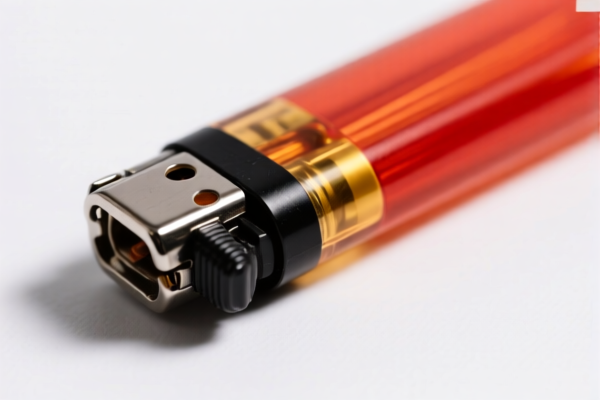
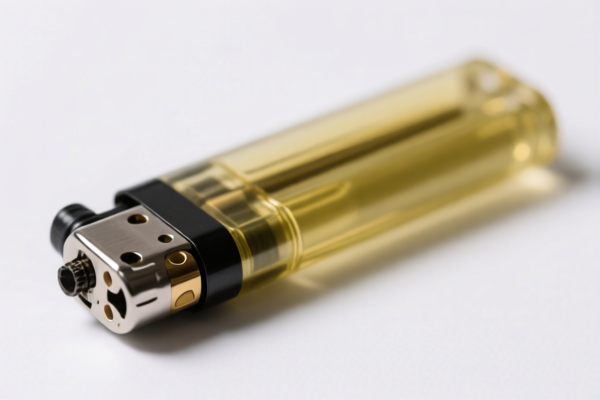
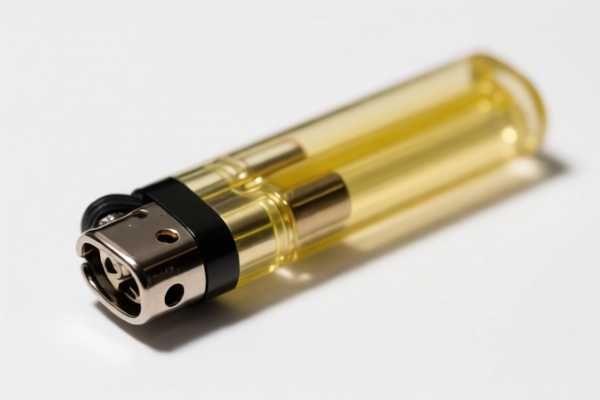
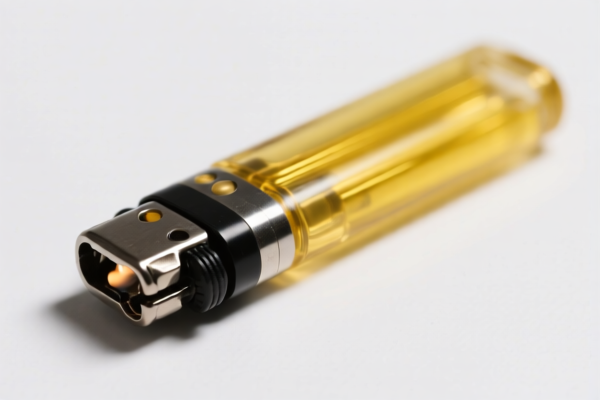
AI Analysis
🔥 Lighter Socket (Car Cigarette Lighter) – HS Code Classification & Duty Strategy 2026
🌐 HS Code Reference & Customs Clearance Guide | 2026 Tariff Analysis | Professional Entry Strategy
📌 I. Product Definition: What Exactly is a "Lighter Socket"?
A Lighter Socket (often colloquially called a "Cigarette Lighter" or "12V Power Outlet") is a versatile automotive accessory. In international trade, its classification depends entirely on its internal mechanism and primary function.
It falls into two main categories: 1. Electrical Components: Heated elements used for ignition assistance or as a 12V power outlet (plugged into the car’s electrical system). 2. Gas/Air-Operated Lighters: Self-contained units that use disposable butane cartridges or flint wheels to generate flame (functionally identical to handheld pocket lighters).
⚠️ Key Distinction Point:
- If it is an electric heating element plugged into the car’s 12V socket → It is an Automotive Electrical Component (Chapter 85).
- If it is a gas-fired device (butane/flint) → It is classified as a Lighter (Chapter 96).
📦 II. HS Code Classification Matrix (2026 Latest Tariff Authority)
| HS Code | Product Description | Applicable Scenario | Tax Rate |
|---|---|---|---|
8511.30.00.80 |
Ignition Equipment for Spark-Ignition Engines | Electric car lighter sockets (12V) used for ignition or heating | 37.5% |
8511.80.60.00 |
Other Electrical Ignition Apparatus & Fittings | Electric lighter sockets as accessories/fittings for internal combustion engines | 37.5% |
9613.10.00.00 |
Lighters Filled with Gas, Pocket-Type, Non-Rechargeable | Gas-powered lighter sockets (butane/flint) fitting the form of a pocket lighter | 21.5% |
9613.20.00.00 |
Lighters Filled with Gas, Pocket-Type, Refillable | Refillable gas-powered lighter sockets | 19.0% |
🔍 Critical Insight:
- Electric Lighter Sockets are NOT classified as simple power outlets (HS 8536). They are considered part of the ignition system or engine accessories because they are often integrated into the vehicle's starting/ignition circuitry or serve as a direct interface for engine-related accessories.
- Gas Lighter Sockets are treated as portable lighters. The "socket" form factor does not exempt them from Chapter 96 if they use gas.
💰 III. 2026 Tariff Breakdown (Detailed Tax Clauses)
✅ Applicable Country: United States (US)
✅ Origin: China (CN)
✅ Effective Date: 2025/2026 (Current Trade Policy)
🎯 1. 8511.30.00.80 & 8511.80.60.00 — Electric Ignition/Accessory Sockets
These HS codes cover electric lighter sockets that are part of the automotive electrical system.
| Item | Detail |
|---|---|
| Base Duty | 2.5% |
| Section 301 Additional Duty | +25.0% (High-risk category for automotive parts) |
| Section 122 Duty (IEEPA) | +10.0% (Targeted at specific Chinese goods) |
| Total Duty Rate | 37.5% |
| Calculation Basis | CIF Value × 37.5% |
| De Minimis Exemption | ❌ NOT Eligible (deny_de_minimis) |
| Legal Reference | USITC:8511.30.00.80 → FOOTNOTE:301 + IEEPA:9903.01.24 |
📌 Explanation:
- The 25% Section 301 duty applies to most automotive electrical components originating from China.
- The 10% Section 122 duty is an additional layer targeting specific Chinese industrial goods.
- Total 37.5% is a significant cost driver. Misclassifying this as a generic electrical outlet (often 0-3%) will lead to severe penalties.
🎯 2. 9613.10.00.00 — Gas-Filled Pocket Lighters
If the device uses butane gas or a flint wheel, it is classified under Chapter 96.
| Item | Detail |
|---|---|
| Base Duty | 4.0% |
| Section 301 Additional Duty | +7.5% (Lower tier for consumer goods like lighters) |
| Section 122 Duty (IEEPA) | +10.0% |
| Total Duty Rate | 21.5% |
| Calculation Basis | CIF Value × 21.5% |
| De Minimis Exemption | ❌ NOT Eligible |
| Legal Reference | USITC:9613.10.00.00 → FOOTNOTE:301 + IEEPA:9903.01.24 |
🎯 3. 9613.20.00.00 — Refillable Gas Lighters
For refillable gas lighter sockets.
| Item | Detail |
|---|---|
| Base Duty | 9.0% |
| Section 301 Additional Duty | 0.0% (Specific exemption/sub-tier for this subtype) |
| Section 122 Duty (IEEPA) | +10.0% |
| Total Duty Rate | 19.0% |
| Calculation Basis | CIF Value × 19.0% |
| De Minimis Exemption | ❌ NOT Eligible |
| Legal Reference | USITC:9613.20.00.00 → IEEPA:9903.01.24 |
📌 Comparison:
- Electric sockets are more expensive (37.5%) due to the higher Section 301 rate (25% vs 7.5%).
- Gas sockets are cheaper (19-21.5%) but require strict proof of fuel type (gas vs electric).
🛠️ IV. Customs Clearance Practical Advice (Pitfall Avoidance)
✅ 1. Documentation Checklist (Mandatory)
| Document | Required | Description |
|---|---|---|
| ✅ Product Specification Sheet | ✔️ | Must explicitly state: Electric (12V) or Gas (Butane/Flint) |
| ✅ Technical Diagram | ✔️ | Show internal components: Heating coil (Electric) vs. Gas chamber/Flint (Gas) |
| ✅ Product Photos | ✔️ | Clear images of the heating element, gas valve, or flint wheel |
| ✅ Commercial Invoice | ✔️ | Describe as: "12V Electric Car Lighter Socket" or "Portable Gas Lighter, Butane" |
| ✅ Safety Test Reports | ✔️ | UL/CE for electric; UN38.3/Flammable Gas Cert for gas |
| ✅ Packing List | ✔️ | Ensure no mixed classifications in one shipment |
✅ 2. Declaration Tips (Key Mantra)
🔥 "Electric = 8511 (37.5%), Gas = 9613 (19-21.5%). Don't Mix!"
| Scenario | Correct Declaration | Wrong Action |
|---|---|---|
| Electric Socket (Heats up) | 8511.30.00.80 or 8511.80.60.00 |
Misclassify as 8536.90 (General electrical) → Penalty for underpayment |
| Gas Socket (Butane/Flint) | 9613.10.00.00 or 9613.20.00.00 |
Misclassify as 8511 → Penalty for over-compliance/complexity |
| Mixed Shipment | Separate lines in invoice | Combine in one line → Customs audit delay, full inspection |
| Name on Invoice | "Electric Lighter Socket, 12V" | "Car Accessory" → Ambiguous, leads to highest estimated duty |
✅ 3. Special Circumstances
| Situation | Handling Advice |
|---|---|
| OEM Custom Sockets | Provide client design drawings to prove "Electric Ignition" function for 8511 |
| "Universal" Adapters | If it’s just a plug adapter (no heating/ignition), it may be 8536.90 (lower tax), but only if it doesn’t contain a heating element |
| Gas Lighters with Plastic Body | Still 9613. Material doesn’t change the functional classification |
| Duty Drawback | If re-exported, 8511 goods may qualify for Duty Drawback claims |
🌍 V. Global Market Comparison (2026)
| Country/Region | Recommended HS Code | Est. Duty (China Origin) | Certification | Notes |
|---|---|---|---|---|
| 🇺🇸 USA | 8511.30.00.80 (Electric) |
37.5% | UL/CE | High due to 301 + 122 clauses |
| 🇺🇸 USA | 9613.10.00.00 (Gas) |
21.5% | DOT/UN38.3 | Lower tax, but stricter flammable safety rules |
| 🇪🇺 EU | 8543.70.99 (Electric) |
0-4% | CE | Generally lower taxes, no Section 301 equivalent |
| 🇨🇳 China | 8511.30 (Electric) |
2.5-6% | CCC | Low import duty |
| 🇬🇧 UK | 8511.30 (Electric) |
0-4% | UKCA | Post-Brexit alignment with EU |
📌 Conclusion:
- USA is the most expensive market due to layered tariffs (301 + 122).
- Gas lighters enjoy a ~16% tax advantage over electric ones in the US.
- EU/UK offer significantly lower duties but require strict safety certifications (CE/UKCA).
📌 VI. Common Errors & Pitfalls (Blood Lessons)
❌ Mistake 1: Classifying Electric Lighter Sockets as 8536.90 (Other Electrical Apparatus)
👉 Consequence: Base duty might be 0-3%, but customs will reclassify to 8511 → Back taxes + 25% penalty!
❌ Mistake 2: Declaring Gas Lighters as 8511 (Electrical)
👉 Consequence: Unnecessary high duty (37.5% vs 19%) → Lost profit margin!
❌ Mistake 3: Using "Car Accessory" as the product name
👉 Consequence: Customs cannot determine function → Inspection hold, potential audit
❌ Mistake 4: Ignoring Section 122 (10%) on Gas Lighters
👉 Consequence: Even though 301 is lower for gas, the 10% IEEPA duty still applies. Total is 19-21.5%, not 4-9%!
✅ Correct Approach:
"12V Electric Car Lighter Socket, Heated Element, 150W, Model XYZ, UL Certified"
"Portable Butane Gas Lighter, Refillable, Stainless Steel, Model ABC"
🎯 VII. Conclusion: Precision Classification, Maximum Profit!
🎯 Remember the Mantra:
🔹 "Electric = 8511 (37.5%), Gas = 9613 (19-21.5%). Specify Fuel Type!"
🔹 "HS Code Determines Cost. 16% Difference = Huge Impact on Margin!"
📌 Pro Tip:
If your Electric Lighter Sockets are sourced from Vietnam, Mexico, or Thailand, you may qualify for IEEPA Exemptions or lower Section 301 rates.
👉 Recommendation: Apply for a Customs Ruling (Pre-Ruling) before shipping to the US. This locks in the correct classification and avoids surprise duties.
📣 Take Action Now:
📞 Contact your customs broker + Provide Internal Photos + Apply for HS Code Pre-Ruling
🚀 Clear your Lighter Sockets smoothly, avoid penalties, and protect your profits!
✨ Professional Clearance Starts with Accurate Classification!
💼 Every Percent Saved is Pure Profit!
Customer Reviews
About HS Code Classification
The Harmonized System (HS) is an internationally standardized nomenclature developed by the World Customs Organization (WCO) to classify traded products. Over 200 countries use the HS system as the basis for customs tariffs, trade statistics, and import/export regulations.
Each HS code follows a hierarchical structure:
- Chapter (2 digits) — Broad category of goods (e.g., Chapter 84: Machinery and Mechanical Appliances)
- Heading (4 digits) — More specific grouping within the chapter
- Subheading (6 digits) — Internationally standardized breakdown, used by all WCO member countries
- National subdivisions (8-10 digits) — Country-specific extensions for further classification, such as US HTSUS 10-digit codes
Correct HS code classification is essential for smooth customs clearance, accurate duty payment, and compliance with trade regulations. Misclassification can lead to customs delays, overpayment of duties, or penalties.
When importing from CN to US, the applicable tariff rates may include:
- Most-Favored-Nation (MFN) rate — The standard duty rate applied to WTO members
- General rate — Applied to countries without trade agreements
- Trade remedy duties — Additional tariffs such as Section 301 (anti-dumping), Section 232 (national security), or countervailing duties
The information provided on this page is for reference purposes only. For official classification, please consult with your local customs authority or a licensed customs broker.