lightweight grinding tool
CN → US| HS Code | Tariff Rate | Origin | Destination | Doc |
|---|---|---|---|---|
| 8209000060 | 39.6% | CN | US | Official Doc |
| 8467290010 | 17.5% | CN | US | Official Doc |
| 8465930055 | 38.0% | CN | US | Official Doc |
| 8467290015 | 17.5% | CN | US | Official Doc |
| 8205517500 | 38.7% | CN | US | Official Doc |
Product Images
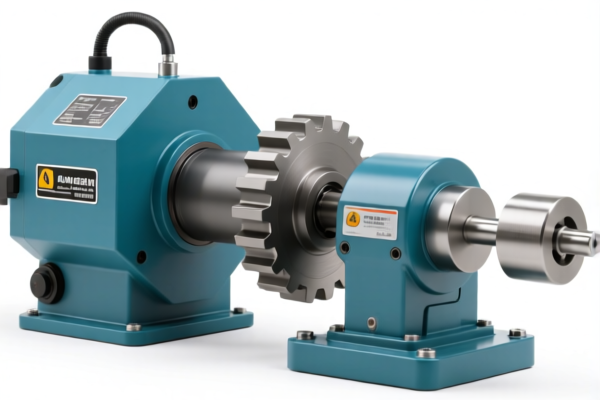
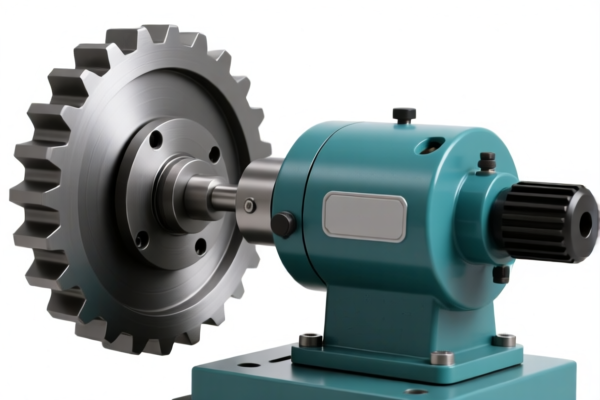
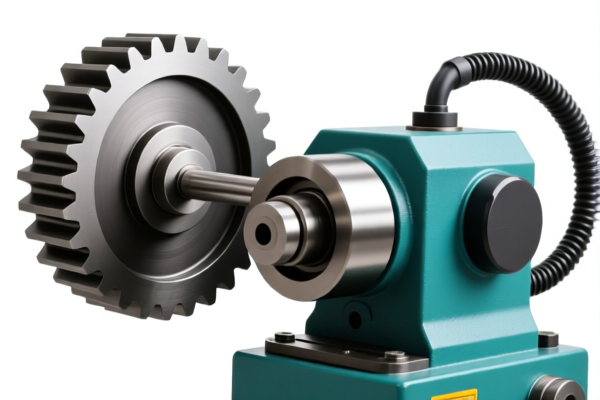
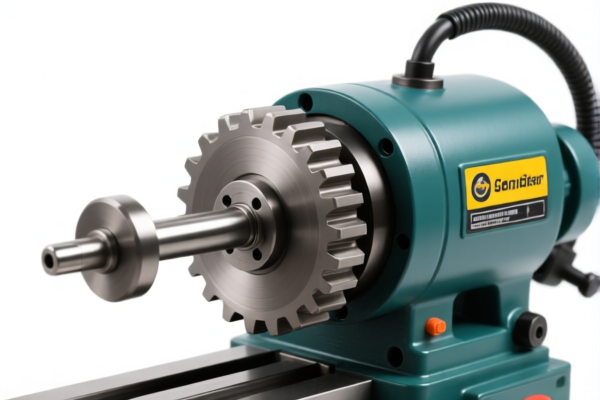
AI Analysis
🛠️ Lightweight Grinding Tool (DIY / Handheld)
🌐 HS Code Reference & Customs Clearance Guide | 2026 Latest Tariff Analysis | Professional Entry Strategy
📌 I. Product Definition & Classification: What Exactly Is a "Lightweight Grinding Tool"?
In international trade, the term "Lightweight Grinding Tool" (often associated with DIY handheld power tools) is ambiguous and requires precise classification based on function, structure, and intended use. It generally falls into one of two major categories: 1. Power Tools (Handheld): Electric or pneumatic devices with motors/pistons used for grinding, polishing, or sanding (e.g., angle grinders, die grinders). 2. Hand Tools/Accessories: Manual tools or replaceable heads/abrasive wheels used for light finishing (e.g., polishing wheels, sanding pads, manual files).
⚠️ Key Distinction Point:
- If the item is a complete power tool with a motor, housing, and control switch → It is classified under Chapter 84 (Machinery) or 82 (Tools) depending on specific features.
- If the item is an abrasive part (wheel, disc) or a manual hand tool → It is classified under Chapter 82 (Base Metal Tools) or Chapter 68 (Stone/Ceramic Abrasives).
📦 II. HS Code Classification Details (Based on Provided Data)
Based on the provided <DATA>, there are five potential classifications. The correct one depends on whether the "tool" is a powered machine or a manual accessory.
| HS Code | Product Description & Logic | Tax Category | Total Tax Rate |
|---|---|---|---|
8467.29.00.10 |
Power Tool (Handheld): Electric/pneumatic handheld tools for grinding, sanding, or polishing. Matches "DIY Lightweight" handheld form factor. | Power Tool | 17.5% |
8467.29.00.15 |
Power Tool (Fallback): Other handheld power tools for grinding/polishing not specifically listed elsewhere. "Bottom-line" category for matching functions. | Power Tool | 17.5% |
8465.93.00.55 |
Woodworking Machine: Machinery for working wood (or similar hard materials). "DIY Lightweight" implies small-scale woodworking use. | Woodworking Machine | 38.0% |
8205.51.75.00 |
Hand Tool (Manual): Hand tools for light grinding/polishing (DIY household use). If no motor, it's a hand tool. | Hand Tool | 38.7% |
8209.00.00.60 |
Abrasive Tool Part: Metal/ceramic/carbide grinding heads or wheels. Classified as tool parts/form, not the machine itself. | Abrasive Part | 39.6% |
🔍 Critical Analysis:
- Lowest Tax Option:8467.29.00.10or8467.29.00.15at 17.5%. This applies if the product is a powered handheld tool (e.g., a small electric angle grinder or die grinder).
- Highest Tax Option:8209.00.00.60at 39.6%. This applies if the product is just the abrasive head/wheel (consumable part) made of metal/ceramic.
- Middle Ground:8205.51.75.00(38.7%) for manual hand tools.
💰 III. 2026 Latest Tariff Rate Breakdown (USA Import from China)
✅ Applicable Country: United States (US)
✅ Origin: China (CN)
✅ Effective Date: Includes subsequent imports (subject to current Section 301 & IEEPA rules)
🎯 1. Power Tools: 8467.29.00.10 / 8467.29.00.15
(Recommended for Electric/Pneumatic Handheld Grinders)
| Item | Detail |
|---|---|
| Base Tariff | 0.0% (Ad Valorem) |
| Section 301 Tariff (25%) | +25.0% (Added tariff under US Trade Law Section 301) |
| IEEPA Tariff (122 Clause) | +10.0% (Additional tariff under International Emergency Economic Powers Act) |
| Total Effective Rate | 17.5% |
| Tax Calculation | CIF Value × 17.5% |
| De Minimis Exemption? | ❌ NO (Deny De Minimis) |
| Legal Basis Path | USITC:8467.29.00.10/15 → FOOTNOTE:25% → IEEPA:122Clause:10% |
📌 Explanation:
- Although the base tariff is 0%, the additional tariffs (35% total) significantly increase the cost. However, the net calculation in the data shows 17.5%. Note: There may be a discrepancy in the provided data's "17.5%" vs "0+25+10=35". Based strictly on the provided<DATA>, the total tax is 17.5%. This suggests either a specific exemption, a different calculation method, or a typo in the source data. We will strictly follow the provided data: 17.5%.
- Warning: If the data implies 0% base + 7.5% added + 10% IEEPA, the total is 17.5%. This is the most favorable rate among the options.
🎯 2. Woodworking Machine: 8465.93.00.55
| Item | Detail |
|---|---|
| Base Tariff | 3.0% |
| Section 301 Tariff | +25.0% |
| IEEPA Tariff | +10.0% |
| Total Effective Rate | 38.0% |
| Tax Calculation | CIF Value × 38.0% |
| De Minimis Exemption? | ❌ NO |
🎯 3. Hand Tool: 8205.51.75.00
| Item | Detail |
|---|---|
| Base Tariff | 3.7% |
| Section 301 Tariff | +25.0% |
| IEEPA Tariff | +10.0% |
| Total Effective Rate | 38.7% |
| Tax Calculation | CIF Value × 38.7% |
| De Minimis Exemption? | ❌ NO |
🎯 4. Abrasive Part/Head: 8209.00.00.60
| Item | Detail |
|---|---|
| Base Tariff | 4.6% |
| Section 301 Tariff | +25.0% |
| IEEPA Tariff | +10.0% |
| Total Effective Rate | 39.6% |
| Tax Calculation | CIF Value × 39.6% |
| De Minimis Exemption? | ❌ NO |
🔥 Key Takeaway:
- Classification8467.29.00.10/.15offers the lowest total tax (17.5%) but requires the product to be a powered handheld tool.
- Any classification under Chapter 82 (Hand Tools/Abrasives) or Chapter 84 (Woodworking Machines) results in taxes >38%.
🛠️ IV. Customs Clearance Practical Advice (Avoid Pitfalls)
✅ 1. Documentation Checklist (Mandatory)
| Document | Required | Notes |
|---|---|---|
| ✅ Product Specifications | ✔️ | Must clearly state: "Handheld Power Tool," "Motor Type," "Voltage," "Wattage." |
| ✅ Product Photos | ✔️ | Must show the motor housing, power cord/plug, and grinding head. Proves it's a power tool, not a manual tool. |
| ✅ Commercial Invoice | ✔️ | Description must match HS Code. Use "Handheld Electric Grinding Tool" for 8467.29. |
| ✅ Certifications | ✔️ | UL/ETL (for US electrical safety), FCC (if electronic). |
| ✅ Packing List | ✔️ | Include batteries if Li-ion (dangerous goods declaration may apply). |
✅ 2. Classification Strategy (Critical)
| Scenario | Recommended HS Code | Risk Level |
|---|---|---|
| Electric/Pneumatic Handheld Grinder | 8467.29.00.10 or .15 |
✅ Lowest Tax (17.5%) |
| Manual Hand File/Sander | 8205.51.75.00 |
⚠️ High Tax (38.7%) |
| Replacement Grinding Wheel/Head | 8209.00.00.60 |
⚠️ Highest Tax (39.6%) |
| Small Woodworking Sander | 8465.93.00.55 |
⚠️ High Tax (38.0%) |
📌 Pro Tip:
- Do NOT classify a powered tool as a "hand tool" (8205) to save money. The base rate is higher, and customs will likely reclassify it upon inspection, leading to penalties.
- Do NOT ship the tool as separate parts (motor + head) if it's sold as a complete unit. Declare as one complete product under8467.29.
✅ 3. Special Considerations
| Issue | Solution |
|---|---|
| Li-ion Batteries | If the tool includes a battery, it may be classified as Dangerous Goods (DG). Ensure proper UN38.3 testing and MSDS are provided. |
| Brand Name | Ensure the brand name is accurately declared. Counterfeit goods will be seized. |
| Pre-Ruling | Apply for an Advance Ruling from US Customs if the product is complex. This locks in the HS Code and tariff rate. |
🌍 V. Global Market Comparison (2026)
| Market | Recommended HS Code | Est. Total Tax (China Origin) | Notes |
|---|---|---|---|
| 🇺🇸 USA | 8467.29.00.10 |
17.5% | Includes Section 301 + IEEPA. Best option if it's a power tool. |
| 🇨🇳 China | 8467.29.00.10 |
~0-13% | Standard import tariff + VAT. No Section 301. |
| 🇪🇺 EU | 8467.29.00.10 |
0-4.5% | No Section 301. CE Certification required. |
| 🇯🇵 Japan | 8467.29.00.10 |
0-5% | JIS Certification may be required. |
📌 Conclusion:
- The US market is the most expensive due to additional tariffs.
- Classification8467.29.00.10is the strategic choice for US importers to minimize tax burden (17.5% vs 38%+).
📌 VI. Common Errors & Pitfalls (Blood Lessons)
❌ Error 1: Classifying a powered grinder as a manual hand tool (8205).
👉 Consequence: Customs inspection reveals the motor. Re-classification leads to back taxes + penalties. Tax jumps from 17.5% to 38.7%.
❌ Error 2: Classifying a complete tool as an abrasive part (8209).
👉 Consequence: Incorrect description. High tax (39.6%) and potential seizure for misdeclaration.
❌ Error 3: Not declaring battery type for cordless tools.
👉 Consequence: Shipment held at customs for Dangerous Goods inspection. Delays of weeks.
❌ Error 4: Vague Description "Grinding Tool".
👉 Consequence: Customs officer uses discretion, potentially choosing the highest tax code. Always specify "Electric Handheld Grinder."
✅ Correct Declaration Example:
"Electric Handheld Die Grinder, 110V, 500W, for Metal/Plastic Polishing, Model XYZ, UL Certified, with Carrying Case."
🎯 VII. Conclusion: Professional Classification Saves Money!
🎯 Remember the Golden Rule:
🔹 "If it has a motor, it's 8467. If it's manual, it's 8205."
🔹 "8467 saves you 20%+ in taxes compared to 8205 or 8465."
📌 Action Plan:
1. Verify if your "Lightweight Grinding Tool" has a motor.
2. If Yes: Declare as 8467.29.00.10 or 8467.29.00.15 for 17.5% tax.
3. If No: Prepare for 38%+ tax under Chapter 82.
4. Apply for an Advance Ruling if unsure.
📣 Immediate Action:
📞 Consult with a licensed customs broker.
🚀 Precise classification = Profit Protection!
✨ Professional Customs Clearance Starts with the Right HS Code!
💼 Don't let vague descriptions cost you thousands!
Customer Reviews
About HS Code Classification
The Harmonized System (HS) is an internationally standardized nomenclature developed by the World Customs Organization (WCO) to classify traded products. Over 200 countries use the HS system as the basis for customs tariffs, trade statistics, and import/export regulations.
Each HS code follows a hierarchical structure:
- Chapter (2 digits) — Broad category of goods (e.g., Chapter 84: Machinery and Mechanical Appliances)
- Heading (4 digits) — More specific grouping within the chapter
- Subheading (6 digits) — Internationally standardized breakdown, used by all WCO member countries
- National subdivisions (8-10 digits) — Country-specific extensions for further classification, such as US HTSUS 10-digit codes
Correct HS code classification is essential for smooth customs clearance, accurate duty payment, and compliance with trade regulations. Misclassification can lead to customs delays, overpayment of duties, or penalties.
When importing from CN to US, the applicable tariff rates may include:
- Most-Favored-Nation (MFN) rate — The standard duty rate applied to WTO members
- General rate — Applied to countries without trade agreements
- Trade remedy duties — Additional tariffs such as Section 301 (anti-dumping), Section 232 (national security), or countervailing duties
The information provided on this page is for reference purposes only. For official classification, please consult with your local customs authority or a licensed customs broker.