lightweight grinding tools diy
CN → US| HS Code | Tariff Rate | Origin | Destination | Doc |
|---|---|---|---|---|
| 6804300000 | 35.0% | CN | US | Official Doc |
| 8205517500 | 38.7% | CN | US | Official Doc |
| 8205595560 | 40.3% | CN | US | Official Doc |
| 8467290015 | 17.5% | CN | US | Official Doc |
| 8209000060 | 39.6% | CN | US | Official Doc |
Product Images
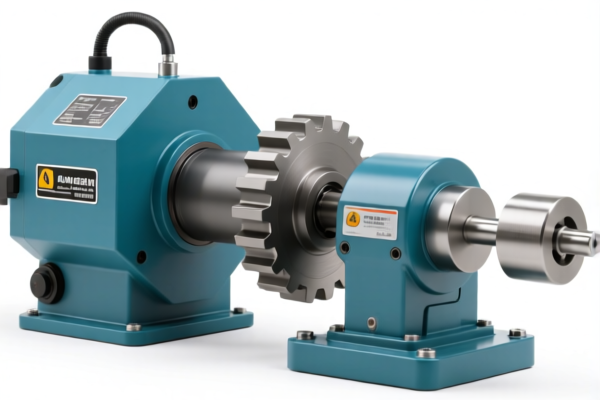
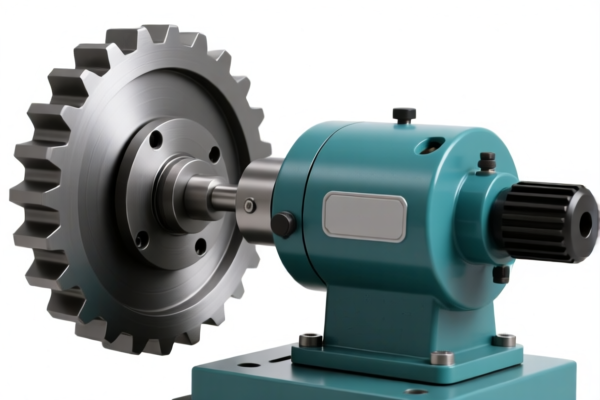
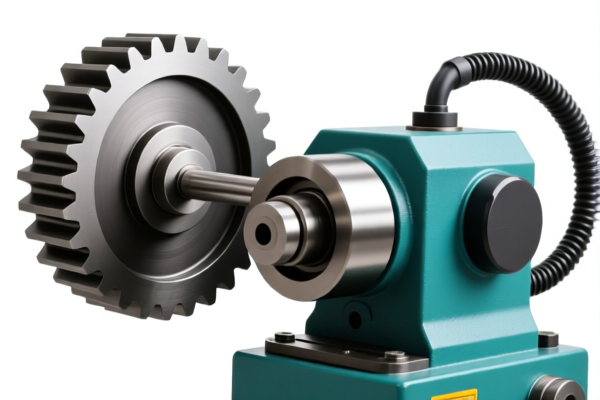
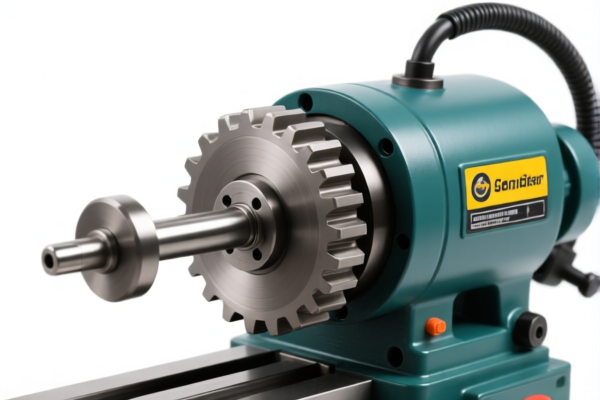
AI Analysis
🛠️ Lightweight Grinding Tools for DIY (Manual & Powered)
🌐 HS Code Reference & Customs Clearance Guide | 2024/2025 Latest Tariff Analysis | Professional Compliance Strategy
📌 I. Product Definition & Classification: Do You Truly Understand "DIY Grinding Tools"?
Lightweight grinding tools for DIY span a wide spectrum, from manual hand files to powered rotary tools. In international trade, the classification hinges on power source, material composition, and specific functionality. Misclassification here can lead to severe tariff discrepancies due to the complex "Section 301" and "122 Clause"附加税 structures for Chinese exports.
Manual Hand Tools (8205 Series): Non-powered tools like files, rasps, or small whetstones. Powered/Technical Tools (8467/8404 Series): Electric rotary grinders, polishing machines, or tool parts made of metal/ceramics.
⚠️ Key Distinction Point:
- If the tool is hand-held, non-motorized, and made of base metals → It likely falls under Chapter 82 (Tools of Base Metal) or Chapter 68 (Stone Tools).
- If the tool has a motor, battery, or pneumatic drive → It falls under Chapter 84 (Machinery).
- Material Matters: If the grinding surface is made of natural stone (slate, whetstone), it may be 6804. If it is synthetic, metal-bonded, or ceramic, it often shifts to 8205 or 8409/8209.
📦 II. HS Code Classification Details (2024/2025 Latest Tariff Authority Comparison)
| HS Code | Product Description | Applicable Scenario | Material/Form Conflict? |
|---|---|---|---|
6804.30.00.00 |
Millstones, grindstones, and similar grinding, sharpening, polishing, or processing tools, of agglomerated natural or artificial abrasives | Whetstones, sharpening stones, abrasive wheels (non-powered) | ❌ No conflict. Purely for grinding/sharpening. |
8205.51.75.00 |
Other hand tools (including glazed or coated glass cutters), not elsewhere specified or included; specifically light DIY grinding/sharpening tools | Small DIY files, rasps, light hand grinders | ❌ No conflict. Fits "hand tool" and "DIY" profile. |
8205.59.55.60 |
Other hand tools; core components may be metal-based, not classified as "sharp-edged tools" | Metal-based DIY grinders, non-sharp abrasive hand tools | ❌ No conflict. Specifically excludes sharp-edged blades. |
8467.29.00.15 |
Powered tools for working in the hand; matching grinding/polishing functions | Electric rotary grinders (Dremel-style), angle grinders | ❌ No conflict. Matches powered grinding/polishing. |
8209.00.00.60 |
Tools with working parts of cermets or abrasives (parts/components) | Grinding tool heads, abrasive inserts, metal-ceramic composite parts | ❌ No conflict. Specific material-based classification. |
🔍 Key Reminder:
- "Lightweight DIY" is a marketing term, not a customs definition. Customs looks at HS Code Chapter Notes.
- If it has a motor, do not use 8205 codes. Use 8467.
- If it is a stone block, use 6804.
- Tariff Volatility: Most Chinese-origin goods in these categories attract Section 301 (25%) and Section 122 (10%) additional duties.
💰 III. 2024/2025 Latest Tariff Rate Breakdown (Including Surtaxes & Policy Add-ons)
✅ Applicable Country: United States (US)
✅ Origin: China (CN)
✅ Effective Date: Current rates apply (Subject to ongoing trade policy adjustments)
🎯 1. 6804.30.00.00 —— Millstones & Grindstones (Abrasive/Stone)
| Item | Content |
|---|---|
| Base Duty | 0.0% |
| Section 301 Surtax | +25.0% |
| 122 Clause Surtax | +10.0% |
| Total Duty | 35.0% |
| Tax Calculation | CIF Value × 35% |
| De Minimis Exemption | ❌ Not Available (High risk of audit) |
| Legal Basis Path | USITC:6804.30.00.00 → Section 301 → 122 Clause |
📌 Explanation:
- Stone-based grinding tools are low-base-tariff items, but the 35% effective rate is significant for low-margin DIY products.
- Ensure the product is not classified as a "power tool" (which might have different surtax rules).
🎯 2. 8205.51.75.00 —— Light DIY Hand Tools (Base Metal)
| Item | Content |
|---|---|
| Base Duty | 3.7% |
| Section 301 Surtax | +25.0% |
| 122 Clause Surtax | +10.0% |
| Total Duty | 38.7% |
| Tax Calculation | CIF Value × 38.7% |
| De Minimis Exemption | ❌ Not Available |
| Legal Basis Path | USITC:8205.51.75.00 → Section 301 → 122 Clause |
📌 Note:
- This code applies to non-powered hand tools.
- The 3.7% base duty is higher than stone tools, leading to a higher total tariff (38.7%).
- Common for small metal files, rasps, and light hand grinders sold in DIY kits.
🎯 3. 8205.59.55.60 —— Other Hand Tools (Metal Core, Non-Sharp)
| Item | Content |
|---|---|
| Base Duty | 5.3% |
| Section 301 Surtax | +25.0% |
| 122 Clause Surtax | +10.0% |
| Total Duty | 40.3% |
| Tax Calculation | CIF Value × 40.3% |
| De Minimis Exemption | ❌ Not Available |
| Legal Basis Path | USITC:8205.59.55.60 → Section 301 → 122 Clause |
📌 Warning:
- This is the highest base duty among manual tools.
- Use only if the tool has a metal core and is not a simple file/cutter.
- Misclassification here can result in overpayment or audit triggers.
🎯 4. 8467.29.00.15 —— Powered Hand Tools for Grinding/Polishing
| Item | Content |
|---|---|
| Base Duty | 0.0% |
| Section 301 Surtax | +7.5% |
| 122 Clause Surtax | +10.0% |
| Total Duty | 17.5% |
| Tax Calculation | CIF Value × 17.5% |
| De Minimis Exemption | ❌ Not Available |
| Legal Basis Path | USITC:8467.29.00.15 → Section 301 (Lower rate) → 122 Clause |
📌 Strategic Insight:
- This is the MOST COST-EFFECTIVE classification for powered DIY grinders!
- Despite being a "power tool," the base duty is 0%, and the Section 301 rate is only 7.5% (lower than manual tools).
- Crucial: Must clearly declare as "Powered Grinding Tool" with voltage/wattage specs.
🎯 5. 8209.00.00.60 —— Grinding Tool Parts (Cermets/Abrasive)
| Item | Content |
|---|---|
| Base Duty | 4.6% |
| Section 301 Surtax | +25.0% |
| 122 Clause Surtax | +10.0% |
| Total Duty | 39.6% |
| Tax Calculation | CIF Value × 39.6% |
| De Minimis Exemption | ❌ Not Available |
| Legal Basis Path | USITC:8209.00.00.60 → Section 301 → 122 Clause |
📌 Note:
- Applies to replaceable parts or tool heads made of metal-ceramic or synthetic abrasives.
- Not for whole tools. If selling a whole Dremel-style tool, use 8467. If selling just the grinding wheel/insert, use 8209.
🛠️ IV. Customs Clearance Practical Advice (Battle-Tested Pitfall Avoidance)
✅ 1. Essential Documentation Checklist (No Exceptions)
| Document | Required | Purpose |
|---|---|---|
| ✅ Product Specification Sheet | ✔️ | Must state: Power type (Manual/Electric), Material (Stone/Metal/Ceramic), Weight, Dimensions. |
| ✅ Photos (Labeled) | ✔️ | Show the tool with and without packaging. Clear view of any motors, batteries, or abrasive surfaces. |
| ✅ Commercial Invoice | ✔️ | Must include: "DIY Grinding Tool," Model Number, HS Code, Country of Origin. |
| ✅ Material Composition Statement | ✔️ | Critical for distinguishing between 6804 (Stone) and 8205 (Metal). |
| ✅ Test Reports (if powered) | ✔️ | UL, CE, or FCC certification for electric tools (8467). |
| ✅ Packing List | ✔️ | Separate lines for tools, parts, and accessories if shipped together. |
✅ 2. Declaration Tactics (Key Mnemonics)
🔥 "Power vs. Manual, Stone vs. Metal, Parts vs. Whole!"
| Scenario | Correct HS Code | Wrong Practice | Consequence |
|---|---|---|---|
| Electric Rotary Grinder | 8467.29.00.15 |
Misdeclared as 8205 (Manual) |
Under-declaration penalty + Retrospective duty adjustment |
| Manual Whetstone | 6804.30.00.00 |
Misdeclared as 8467 |
Over-declaration (17.5% vs 35%) → Refund hassle |
| Grinding Wheel Insert | 8209.00.00.60 |
Declared as whole tool | Confusion → Delay in release |
| Small Metal File | 8205.51.75.00 or 8205.59.55.60 |
Declared as 6804 |
Material mismatch → Seizure risk |
✅ 3. Special Cases Handling
| Case | Handling Advice |
|---|---|
| OEM Custom Tools | Provide design drawings to prove "non-standard" nature, aiding in correct sub-classification. |
| Bundled Kits (Tool + Stones) | Declare as a "Set" if primarily one function. If separate, declare separately to avoid mixed tariff rates. |
| "Smart" Grinding Tools | If connected to Wi-Fi/App, may trigger additional regulatory reviews (FCC). Ensure 8467 is correct. |
| Ceramic Abrasive Parts | Clearly state "Cermets" or "Synthetic Abrasive" to qualify for 8209.00.00.60. |
🌍 V. Global Market Customs Comparison (2024/2025)
| Country/Region | Recommended HS Code | Tariff (China Origin) | Certification Req. | Notes |
|---|---|---|---|---|
| 🇺🇸 USA | 8467.29.00.15 (Powered)8205 or 6804 (Manual) |
17.5% (Powered) 35-40% (Manual) |
FCC, UL, RoHS | High Surtaxes Apply. 8467 is most cost-effective. |
| 🇨🇳 China | Same HS Codes | 0-10% | CCC (if powered) | No additional surtaxes. |
| 🇪🇺 EU | 8205 or 8467 |
0-4.5% | CE, RoHS, REACH | Lower base duties, but strict CE compliance. |
| 🇬🇧 UK | Same as EU | 0-4.5% | UKCA | Post-Brexit rules apply. |
| 🇯🇵 Japan | 8205 or 8467 |
0-3.0% | PSE (if powered) | Very low tariffs, fast clearance. |
📌 Conclusion:
- The US is the most expensive market due to Section 301 and 122 Clause surtaxes.
- Powered tools (8467) are cheaper to import into the US than manual tools (8205/6804) from China due to lower surtax rates.
- Manual stone tools (6804) have a moderate total rate (35%), while metal hand tools hit ~39-40%.
📌 VI. Common Mistakes & Pitfall Guide (Blood Lessons)
❌ Mistake 1: Declaring an Electric Grinder as a Manual File
👉 Consequence: Under-declaration of value/duty. Customs will reclassify and charge the higher manual rate + penalties.
❌ Mistake 2: Misidentifying Ceramic Parts as Stone Tools
👉 Consequence: Using 6804 (35%) instead of 8209 (39.6%) might seem cheaper, but material mismatch leads to seizure.
❌ Mistake 3: Ignoring the 122 Clause
👉 Consequence: All these HS codes attract an additional 10%. Forgetting this leads to budget shortfalls.
❌ Mistake 4: Vague Descriptions ("Grinding Tool")
👉 Consequence: Customs officer discretion leads to random reclassification to the highest duty bracket.
✅ Correct Practice:
"Electric Rotary Grinding Tool, 120V, 200W, with Ceramic Grinding Wheel Insert, Model XYZ, FCC Certified"
HS Code:8467.29.00.15
🎯 VII. Conclusion: Precision Classification for Cost Efficiency!
🎯 Remember the Golden Rule:
🔹 "Power = 8467 (17.5% Total)"
🔹 "Stone = 6804 (35% Total)"
🔹 "Metal Hand Tool = 8205 (38-40% Total)"
🔹 "Parts = 8209 (39.6% Total)"🔹 "Don't guess! Verify material and power source!"
📌 Pro Tip:
If you are importing powered DIY grinders from China to the US, 8467.29.00.15 is your best friend. It offers the lowest total effective tariff (17.5%) compared to manual alternatives. Ensure your supplier provides accurate electrical specifications to justify this classification.
📣 Immediate Action:
📞 Consult a licensed customs broker to confirm the specific sub-classification of your product.
🚀 Optimize your supply chain by choosing the most tariff-efficient HS Code based on product design (e.g., adding a motor may shift you from a 40% manual tool to a 17.5% powered tool).
✨ Professional Clearance Starts with Accurate Classification!
💼 Every Percent Matters in Cross-Border Trade!
Customer Reviews
About HS Code Classification
The Harmonized System (HS) is an internationally standardized nomenclature developed by the World Customs Organization (WCO) to classify traded products. Over 200 countries use the HS system as the basis for customs tariffs, trade statistics, and import/export regulations.
Each HS code follows a hierarchical structure:
- Chapter (2 digits) — Broad category of goods (e.g., Chapter 84: Machinery and Mechanical Appliances)
- Heading (4 digits) — More specific grouping within the chapter
- Subheading (6 digits) — Internationally standardized breakdown, used by all WCO member countries
- National subdivisions (8-10 digits) — Country-specific extensions for further classification, such as US HTSUS 10-digit codes
Correct HS code classification is essential for smooth customs clearance, accurate duty payment, and compliance with trade regulations. Misclassification can lead to customs delays, overpayment of duties, or penalties.
When importing from CN to US, the applicable tariff rates may include:
- Most-Favored-Nation (MFN) rate — The standard duty rate applied to WTO members
- General rate — Applied to countries without trade agreements
- Trade remedy duties — Additional tariffs such as Section 301 (anti-dumping), Section 232 (national security), or countervailing duties
The information provided on this page is for reference purposes only. For official classification, please consult with your local customs authority or a licensed customs broker.