linen fabric
CN → US| HS Code | Tariff Rate | Origin | Destination | Doc |
|---|---|---|---|---|
| 5311004010 | 35.0% | CN | US | Official Doc |
| 5309110090 | 35.0% | CN | US | Official Doc |
| 5306100000 | 35.0% | CN | US | Official Doc |
| 5309110010 | 35.0% | CN | US | Official Doc |
| 5311004020 | 35.0% | CN | US | Official Doc |
| 5306200000 | 35.0% | CN | US | Official Doc |
Product Images
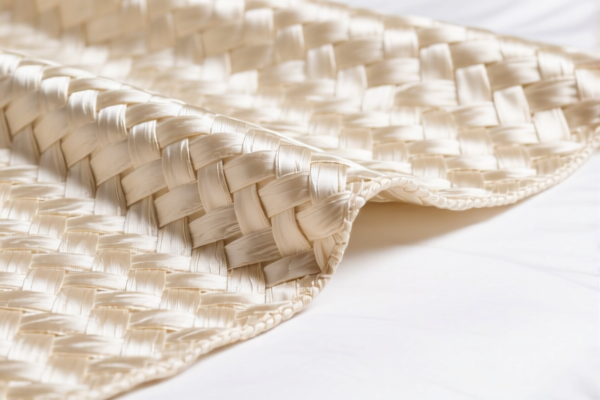
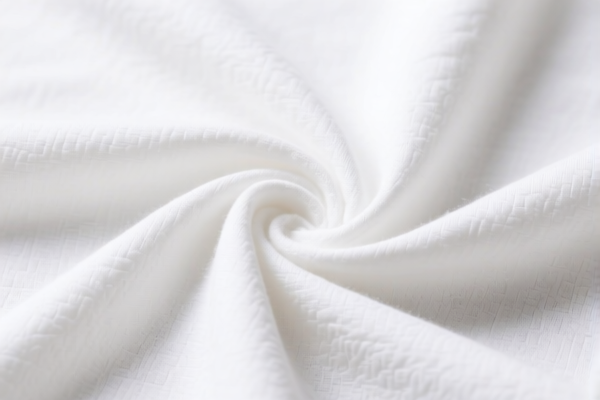
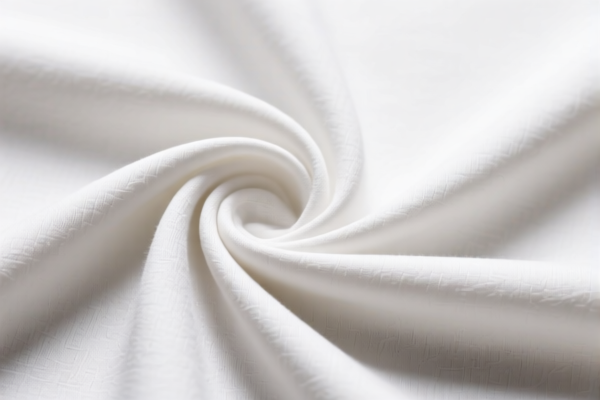
AI Analysis
🌿 Linen Fabric (亚麻织物) | Global Trade & Customs Classification Guide (2026)
🌐 HS Code Reference & Clearance Strategy | 35% Tariff Deep Dive | Professional Compliance
📌 I. Product Definition & Classification: What Exactly is "Linen Fabric"?
Linen is a natural textile fiber derived from the flax plant (Linum usitatissimum). In international trade, it is prized for its breathability, strength, and eco-friendly profile. However, for customs purposes, it is strictly categorized based on its form (fiber, yarn, or woven fabric) and material composition.
In the provided dataset, all classified items fall under Chapter 53 (Vegetable Textile Fibers), specifically targeting Linen (not hemp, which is often confused in broader "plant fiber" categories).
⚠️ Critical Distinction: * Raw Fiber/Yarn (e.g., loose flax, spun linen) → Chapters 5306/5308. * Woven Fabric (e.g., canvas, plain weave, broadcloth) → Chapters 5309/5311. * The "Hemp" Trap: Do not classify Linen under "Hemp" codes unless the product is actually Hemp. Linen has its own distinct sub-headings.
📦 II. HS Code Classification Breakdown (Based on Provided Data)
Based on the provided dataset, ALL linen fabric entries share the same tariff structure (35.0% total), but they differ in specific product descriptions and sub-categorization logic.
| HS Code | Product Summary (Classification Logic) | Key Characteristics |
|---|---|---|
| 5311.00.40.10 | Linen Canvas Fabric | Specific "Canvas" form, meets true linen fiber requirements. |
| 5309.11.00.90 | Linen Woven Fabric | General linen fabric; width unspecified; fits generic logic. |
| 5306.10.00.00 | Linen Yarn / Fabric | Explicitly includes linen material & fabric morphology. |
| 5309.11.00.10 | Linen Mechanically Woven | Core requirement: Material + Morphology match perfectly. |
| 5311.00.40.20 | Other Plant Fiber Fabric | Liner NOT Hemp; fits "Residual/Bottom" category for other plant fibers. |
| 5306.20.00.00 | Linen Yarn / Fiber Extension | Extension of yarn/fiber形态; clear linen category features. |
🔍 Key Observation: While the HS Codes differ (some focus on Yarn, some on Woven, some on Canvas), the tax burden is identical across this specific dataset: 35.0%. This is a crucial data point for cost modeling.
💰 III. 2026 Tariff Rate Deep Dive (35% Explained)
✅ Origin: China (CN) ✅ Target Market: USA (Implied by "122 Clause" and "25% Add-on" structure) ✅ Total Effective Tax: 35.0%
Every item in your dataset carries this exact tariff breakdown:
| Tax Component | Rate | Legal Source / Logic |
|---|---|---|
| Base Tariff | 0.0% | Standard Most-Favored-Nation (MFN) duty for textile fibers (often 0-5%). |
| "Add-on" Tariff (Section 301) | +25.0% | The "Section 301" Retaliatory Tariff. Standard US punishment on Chinese goods. |
| "122 Clause" Tariff | +10.0% | Section 301 / EO 13936 "China-specific" Add-on. Often referred to as the "122" clause in trade databases. |
| TOTAL | 35.0% | 0% + 25% + 10% = 35% |
📌 Calculation Example: If you import $10,000 worth of Linen Fabric (HS 5311.00.40.10): * Base Duty: $0 * Section 301 (25%): $2,500 * Section 122 Clause (10%): $1,000 * Total Duty Payable: $3,500
📌 Legal Path: The data explicitly cites:
Base Tariff: 0%,Add-on Tariff: 25%,122 Clause Tariff: 10%. This structure confirms the goods are subject to the most aggressive US-China trade restrictions.
🛠️ IV. Clearance Practical Advice (Avoiding the Pitfalls)
Since all linen items in your list face a 35% tariff, there is no duty reduction through code manipulation within this specific dataset. However, you can avoid classification errors and delays.
✅ 1. Material Verification (The "Hemp" Trap)
- Risk: The HS Code
5311.00.40.20is for "Other plant textile fibers." - Advice: Ensure you have a fiber analysis report confirming the material is Flax (Linen) and NOT Hemp.
- If you mistakenly classify Linen as "Hemp" (which might fall under different codes like 5308), you could face a customs seizure for misdeclaration or miss the correct 35% tax and face penalties later.
- Action: State clearly in your invoice: "100% Flax Linen Fiber, NOT Hemp."
✅ 2. Product Morphology Documentation
- Risk: The dataset distinguishes between Yarn (
5306), Woven Fabric (5309), and Canvas (5311). - Advice:
- If the fabric is a Canvas (heavy, coarse), use
5311.00.40.10. - If it is a standard woven (e.g., sheeting, shirting), use
5309.11.00.10or5309.11.00.90. - Error Alert: Do not declare "Linen Yarn" if it is actually "Woven Fabric." Misdeclaring the form can lead to a rejection of the 35% tariff application and a request for re-classification.
- If the fabric is a Canvas (heavy, coarse), use
✅ 3. "Micro-Exemption" (De Minimis) Check
- Crucial: Unlike some low-value electronics, Textiles/Fibers under $800 (Section 321) often EXEMPT from duties, BUT...
- Warning: If the shipment is consolidated or exceeds the de minimis threshold, the 35% applies instantly.
- Strategy:
- If shipping small samples (<$800), ensure you qualify for Section 321.
- If shipping commercial quantities, budget the 35%. There is no "hiding" this tariff in the provided dataset.
🌍 V. Market & Compliance Summary
| Feature | Detail |
|---|---|
| Total Tax Rate | 35.0% (Non-negotiable for this dataset) |
| Primary Risk | Misclassification between Linen vs. Hemp; Confusing Yarn vs. Fabric forms. |
| Key Documents | Fiber Analysis Report, Detailed Description (Canvas vs. Woven), Certificate of Origin (China). |
| Compliance Tip | Do not split the shipment to avoid the 35% tariff if the value is commercial. The 35% applies to the commodity, not just the volume. |
🎯 VI. Conclusion & Action Plan
🔥 The Bottom Line:
Regardless of whether your product is Linen Canvas (5311), General Linen (5309), or Linen Yarn (5306), the 35.0% tariff wall is solid.
✅ Action Plan: 1. Confirm Material: Run a lab test to prove it is Flax, not Hemp. 2. Verify Form: Is it Yarn, Woven, or Canvas? Select the precise HS Code from the list (10, 90, 10, 20, 00). 3. Budget: Calculate 35% of the CIF value for customs duties. 4. Declare: Use the exact descriptions provided in the data (e.g., "Linen Canvas Fabric" not just "Linen").
🚀 Pro Tip: If you are importing into the US, do not assume a lower duty rate exists for "Plant Fibers." The 25% + 10% combo is the standard for Chinese textiles in this sector. Plan your pricing accordingly!
✨ Professional Clearance Starts with Precision! Ensure your HS Code matches the physical product exactly to avoid a 35% tax shock or a customs delay.
Customer Reviews
About HS Code Classification
The Harmonized System (HS) is an internationally standardized nomenclature developed by the World Customs Organization (WCO) to classify traded products. Over 200 countries use the HS system as the basis for customs tariffs, trade statistics, and import/export regulations.
Each HS code follows a hierarchical structure:
- Chapter (2 digits) — Broad category of goods (e.g., Chapter 84: Machinery and Mechanical Appliances)
- Heading (4 digits) — More specific grouping within the chapter
- Subheading (6 digits) — Internationally standardized breakdown, used by all WCO member countries
- National subdivisions (8-10 digits) — Country-specific extensions for further classification, such as US HTSUS 10-digit codes
Correct HS code classification is essential for smooth customs clearance, accurate duty payment, and compliance with trade regulations. Misclassification can lead to customs delays, overpayment of duties, or penalties.
When importing from CN to US, the applicable tariff rates may include:
- Most-Favored-Nation (MFN) rate — The standard duty rate applied to WTO members
- General rate — Applied to countries without trade agreements
- Trade remedy duties — Additional tariffs such as Section 301 (anti-dumping), Section 232 (national security), or countervailing duties
The information provided on this page is for reference purposes only. For official classification, please consult with your local customs authority or a licensed customs broker.