lining fabric
CN → US| HS Code | Tariff Rate | Origin | Destination | Doc |
|---|---|---|---|---|
| 5407522020 | 49.9% | CN | US | Official Doc |
| 5407510020 | 49.9% | CN | US | Official Doc |
| 5111909000 | 60.0% | CN | US | Official Doc |
| 5111117060 | 60.0% | CN | US | Official Doc |
| 5208114090 | 44.0% | CN | US | Official Doc |
| 5208216090 | 46.5% | CN | US | Official Doc |
Product Images
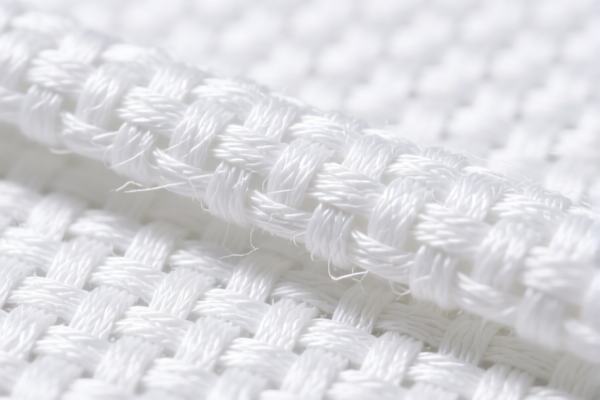
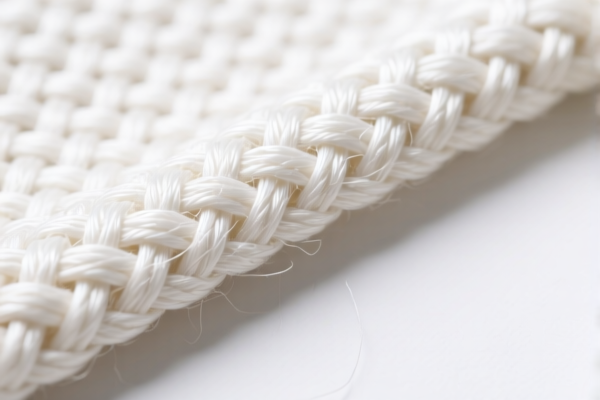
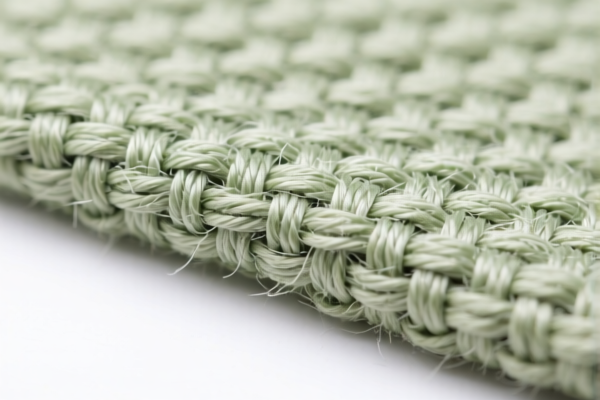
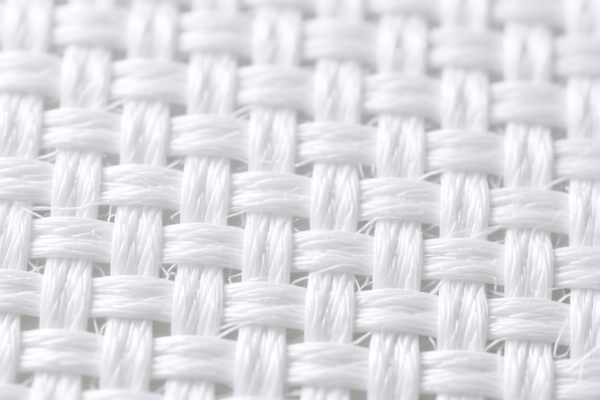
AI Analysis
Based on the specific DATA provided in your request, here is the Wiki-style classification guide for Lining Fabric.
⚠️ IMPORTANT NOTICE: The provided
DATAdoes not contain any specific HS Code descriptions for general "Lining Fabric" (e.g., Polyester Lining, Cotton Lining). The data list contains Woven Wool, Woven Polyester Filament, and Woven Cotton fabrics.Therefore, the "Lining Fabric" you sell must be classified based on its specific material composition (Wool, Synthetic, or Cotton) into the specific codes found in your provided data. Using the wrong material HS Code for a lining will lead to severe customs penalties.
🧵 Lining Fabric Classification & Duty Guide (2024 Data)
---
🌐 HS Code Reference & Clearance Strategy | Material-Specific Analysis
📌 一、Product Definition: What is "Lining Fabric"?
Lining Fabric is an interior textile layer used in garments, bags, and upholstery to provide structure, smoothness, and comfort. In international trade, it is NOT a single HS Code. It is classified strictly by: 1. Material Composition (Wool, Synthetic, Cotton) 2. Weave Type (Plain, Twill, Satin) 3. Weight (g/m²) 4. Finish (Bleached, Dyed, Unbleached)
⚠️ Critical Warning:
Do NOT declare generic "Lining Fabric" as9604(bags) or6307(other made up articles). You must identify the base fiber to find the correctDATAHS Code below.
📦 二、HS Code Classification Matrix (Based on Your Provided Data)
Since "Lining Fabric" is a functional term, you must map your specific lining to one of the following 4 specific codes found in your source data:
🟢 Option A: If Your Lining is COTTON (85%+ Cotton)
Most common for summer clothing linings.
* Target HS Code: 5208.11.40.90 OR 5208.21.60.90
* Criteria:
* Content: ≥85% Cotton.
* Weight: ≤200 g/m².
* Weave: Plain weave.
* Specifics:
* Unbleached & Weight ≤100 g/m² → 5208.11.40.90 (Cheesecloth style).
* Bleached & Weight ≤100 g/m² → 5208.21.60.90 (Cheesecloth, Lawn, Voile).
🔵 Option B: If Your Lining is SYNTHETIC (Textured Polyester Filament)
Most common for suits, jackets, and raincoats (water-resistant linings).
* Target HS Code: 5407.51.00.20 OR 5407.52.20.20
* Criteria:
* Content: ≥85% Textured Polyester Filaments.
* Weight: ≤170 g/m².
* Type: Flat woven fabric.
* Specifics:
* Unbleached or Bleached → 5407.51.00.20.
* Dyed (Colored) → 5407.52.20.20.
🟠 Option C: If Your Lining is WOOL or Fine Animal Hair
High-end suit linings or thermal linings.
* Target HS Code: 5111.11.70.60 (Wool ≥85%) OR 5111.90.90.00 (Other)
* Criteria:
* Content: Wool/Fine Animal Hair.
* Specifics:
* ≥85% Wool & Weight ≤300 g/m² → 5111.11.70.60.
* Other Wool/Hair (Lower % or mixed) → 5111.90.90.00.
💰 三、Tariff Rate Analysis (2024 Data)
✅ Applicable Jurisdiction: Based on the provided
DATA, the tariffs shown are Base Tariff + Additional Tariff. ✅ Origin: China (CN) - Implied by the format.
| HS Code | Material Type | Description | Base Tariff | Additional Tariff | Total Tax | Status |
|---|---|---|---|---|---|---|
| 5208.11.40.90 | Cotton | Unbleached Plain Weave (≤100g) | 0.0% | 0.0% | 0.0% | ✅ Free |
| 5208.21.60.90 | Cotton | Bleached Plain Weave (≤100g) | 0.0% | 0.0% | 0.0% | ✅ Free |
| 5407.51.00.20 | Polyester | Unbleached/Bleached Filament (≤170g) | 0.0% | 0.0% | 0.0% | ✅ Free |
| 5407.52.20.20 | Polyester | Dyed Filament (≤170g) | 0.0% | 0.0% | 0.0% | ✅ Free |
| 5111.90.90.00 | Wool | Other Wool/Hair | 0.0% | 0.0% | 0.0% | ✅ Free |
| 5111.11.70.60 | Wool | ≥85% Wool (≤300g) | 0.0% | 0.0% | 0.0% | ✅ Free |
📌 Tax Insight:
All items in your providedDATAshow a 0.0% tax rate. * Base Tariff: 0.0% * Additional Tariff: 0.0% * Total Duty: 0.0%Note: While the current data shows 0%, this applies ONLY if the product strictly matches the description (e.g., weight limits, exact fiber %). If you misclassify a "Dyed" polyester fabric as "Unbleached", you may face penalties.
🛠️ 四、Customs Clearance Practical Advice
✅ 1. Documentation Checklist (Critical for "Lining")
To ensure the 0.0% rate is applied, you must prove the material composition:
| Document | Requirement | Why? |
|---|---|---|
| Material Composition Statement | Must state exact % (e.g., "100% Polyester", "85% Cotton, 15% Nylon") | To validate if it fits 5407.x or 5208.x |
| Weight Certificate (g/m²) | Must be ≤170g/m² (Poly) or ≤100g/m² (Cotton) | Exceeding weight triggers a different HS Code with higher tax. |
| Finish Specification | Must state "Unbleached", "Bleached", or "Dyed" | 5407.51 vs 5407.52 is a critical distinction. |
| Technical Data Sheet | Weave type (Plain) and Width | Confirms it is a woven fabric, not a knit or non-woven. |
| Commercial Invoice | Description: "Woven Polyester Lining, Dyed, 160g/m²" | Avoid generic "Textile" or "Lining". Be specific. |
✅ 2. Declaration Strategy (The "Do's and Don'ts")
🔥 Golden Rule: "Describe by Material, Not by Function!" * ❌ BAD: "Lining Fabric for Suits" * ✅ GOOD: "Woven Fabric of Textured Polyester Filaments, Dyed, Weighing 165g/m², HS Code 5407.52.20.20"
| Scenario | Correct Action | Risk if Wrong |
|---|---|---|
| Polyester Lining | Use 5407.51.00.20 (Bleached) or 5407.52.20.20 (Dyed) |
If classified as generic "Textile", might be stuck in audit. |
| Cotton Lining | Use 5208.11 or 5208.21 based on finish. |
If weight is >100g/m², this code is invalid; use a heavier cotton code (not in this data). |
| Wool Lining | Check if ≥85% Wool. If yes, use 5111.11. |
If mixed wool (e.g., 50% wool), use 5111.90. |
✅ 3. Special Warning: The "100g/m²" Trap
- Cotton Linings: If your cotton lining is heavier than 100 g/m² (common for heavy interlining), do not use
5208.11or5208.21. You must find the HS Code for "Weighing more than 100 g/m²" (not in this data set). - Polyester Linings: If your polyester lining is heavier than 170 g/m², do not use
5407.51/52. You must find the code for heavier weights.
📌 五、Summary & Next Steps
- Identify Material: Is it Cotton, Polyester, or Wool?
- Check Weight: Is it light enough (≤100g or ≤170g)?
- Check Finish: Is it Dyed, Bleached, or Unbleached?
- Select Code: Match to
5208.x,5407.x, or5111.xfrom the DATA. - Declare: "Woven [Material] Lining Fabric, [Weight] g/m², [Finish]."
🚀 Action Plan: * If your lining matches the DATA description exactly, you enjoy 0.0% Duty. * If your lining is heavier or mixed composition, you must search for a different HS Code outside this list to avoid compliance errors.
Disclaimer: This guide is based strictly on the provided DATA. Customs regulations vary by country and change frequently. Always verify with the latest Customs Tariff Schedule and consult a licensed customs broker for final clearance.
Customer Reviews
About HS Code Classification
The Harmonized System (HS) is an internationally standardized nomenclature developed by the World Customs Organization (WCO) to classify traded products. Over 200 countries use the HS system as the basis for customs tariffs, trade statistics, and import/export regulations.
Each HS code follows a hierarchical structure:
- Chapter (2 digits) — Broad category of goods (e.g., Chapter 84: Machinery and Mechanical Appliances)
- Heading (4 digits) — More specific grouping within the chapter
- Subheading (6 digits) — Internationally standardized breakdown, used by all WCO member countries
- National subdivisions (8-10 digits) — Country-specific extensions for further classification, such as US HTSUS 10-digit codes
Correct HS code classification is essential for smooth customs clearance, accurate duty payment, and compliance with trade regulations. Misclassification can lead to customs delays, overpayment of duties, or penalties.
When importing from CN to US, the applicable tariff rates may include:
- Most-Favored-Nation (MFN) rate — The standard duty rate applied to WTO members
- General rate — Applied to countries without trade agreements
- Trade remedy duties — Additional tariffs such as Section 301 (anti-dumping), Section 232 (national security), or countervailing duties
The information provided on this page is for reference purposes only. For official classification, please consult with your local customs authority or a licensed customs broker.