lock accessories
CN → US| HS Code | Tariff Rate | Origin | Destination | Doc |
|---|---|---|---|---|
| 7326908688 | 87.9% | CN | US | Official Doc |
| 8302419015 | 38.5% | CN | US | Official Doc |
| 8302419045 | 38.5% | CN | US | Official Doc |
| 8301106080 | 23.6% | CN | US | Official Doc |
Product Images
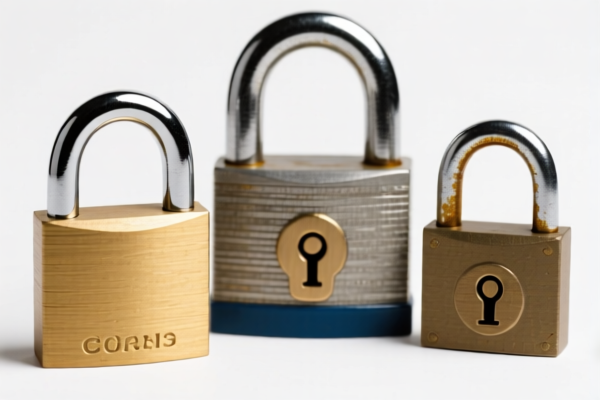
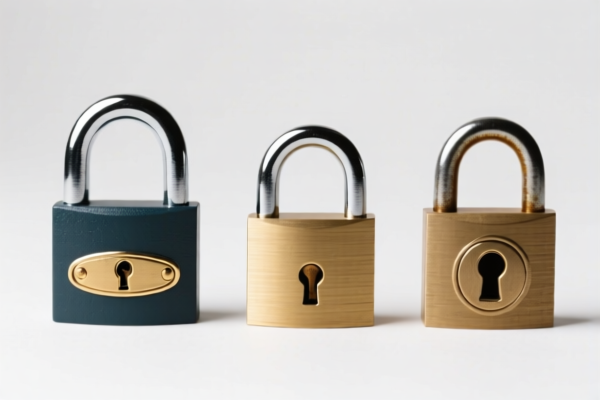
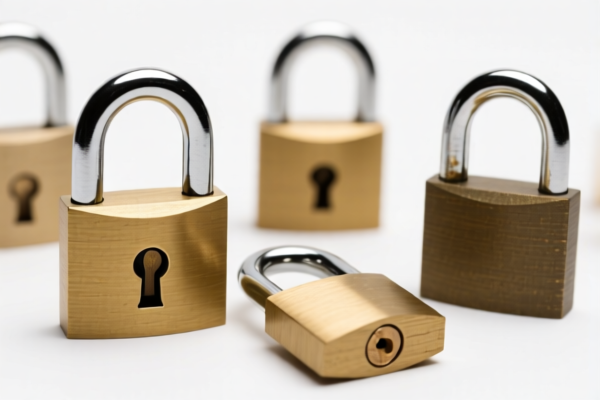
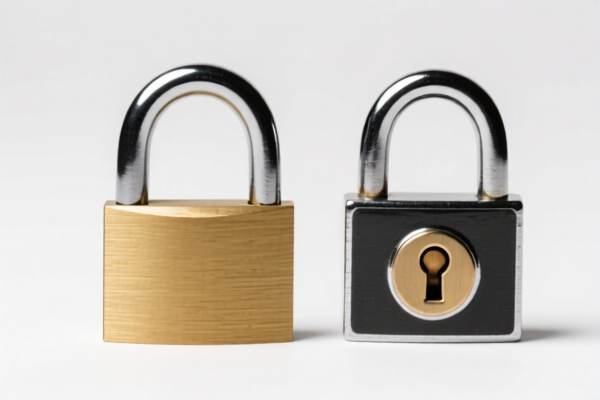
AI Analysis
🔐 Lock Accessories (Hardware Fittings for Doors & Windows)
🌐 HS Code Reference & Clearance Guide | 2026 Latest Tariff Analysis | Professional Customs Strategy
📌 I. Product Definition: What Are "Lock Accessories"?
Lock accessories are critical components for securing doors, windows, cabinets, and other structures. In international trade, these items fall under Chapter 83 (Base Metal Articles) or Chapter 73 (Articles of Iron or Steel). The correct classification depends heavily on: 1. Material: Base metals (iron, steel, copper, aluminum). 2. Function: Are they integral parts of a lock mechanism, or general-purpose metal fittings? 3. Specific Use: Are they for doors/windows (8302), general locks (8301), or miscellaneous metal goods (7326)?
⚠️ Key Classification Triggers:
- If the part is specifically designed for door/window operation (hinges, catches, pulls) → 8302
- If the part is a general component of a lock (key blanks, lock cylinders, springs) → 8301
- If the part is a generic metal fitting with no specific lock/door function → 7326
📦 II. HS Code Classification Details (2026 Authoritative对照)
Based on the provided data, here are the four possible HS Codes for Lock Accessories, along with their specific rationales:
| HS Code | Summary Rationale | Tax Rate | Tax Details Breakdown |
|---|---|---|---|
7326.90.86.88 |
Miscellaneous Iron/Steel Articles. Used when the accessory is a metal product that doesn't fit specific lock/door categories. | 87.9% | Base: 2.9% + Addl: 25.0% + 122 Clause (Steel/Al/Cu): 50% |
8302.41.90.15 |
Base Metal Fittings for Doors/Windows. Specifically for architectural metal fittings (e.g., hinges, catches, pulls). | 38.5% | Base: 3.5% + Addl: 25.0% + 122 Clause: 10% |
8302.41.90.45 |
Base Metal Fittings for Buildings. Similar to above, but categorized under "for buildings" with base metal material. | 38.5% | Base: 3.5% + Addl: 25.0% + 122 Clause: 10% |
8301.10.60.80 |
Parts of Locks. Classified as spare parts/accessories for locks where no material conflict exists (fallback category). | 23.6% | Base: 6.1% + Addl: 7.5% + 122 Clause: 10% |
🔍 Critical Distinction:
- 8302 (Fittings) vs. 8301 (Locks): If the item is a hinge, strike plate, or handle, it’s 8302. If it’s a key, cylinder, or internal lock mechanism part, it’s 8301.
- 7326 (Miscellaneous): This is the "catch-all" for metal goods. It carries the highest risk due to the 50% additional tariff under Section 122 (Steel/Aluminum/Copper products), leading to a massive 87.9% total rate. Avoid this if possible.
💰 III. 2026 Tariff Rate Deep Dive (Including Additional Duties)
✅ Applicable Country: United States (US)
✅ Origin: China (CN)
✅ Effective Date: 2025-11-10 onwards
🎯 1. 8301.10.60.80 —— Parts of Locks (Lowest Risk)
| Item | Details |
|---|---|
| Base Duty | 6.1% |
| Section 301 Addl. Duty | 7.5% |
| Section 122 Duty | 10% (Steel/Al/Cu clause) |
| Total Tax Rate | 23.6% |
| Calculation | CIF Value × 23.6% |
| De Minimis Exemption? | ❌ No (Deny De Minimis for China-origin goods) |
| Legal Basis Path | USITC:8301.10.60.80 → FOOTNOTE:122 → USITC:301 |
📌 Analysis:
- This is the most favorable classification for lock accessories, assuming they are genuine lock parts.
- The "122 Clause" adds 10%, but the base duty is higher than 8302, yet the total is significantly lower than 7326.
🎯 2. 8302.41.90.15 & 8302.41.90.45 —— Base Metal Fittings for Doors/Windows (Medium Risk)
| Item | Details |
|---|---|
| Base Duty | 3.5% |
| Section 301 Addl. Duty | 25.0% |
| Section 122 Duty | 10% |
| Total Tax Rate | 38.5% |
| Calculation | CIF Value × 38.5% |
| De Minimis Exemption? | ❌ No |
| Legal Basis Path | USITC:8302.41.90.15/45 → FOOTNOTE:122 → USITC:301 |
📌 Analysis:
- Used for architectural hardware (hinges, door stops, pull handles).
- 25% Section 301 duty is the main burden here.
- 10% Section 122 duty applies because these are often steel/iron products.
🚨 3. 7326.90.86.88 —— Miscellaneous Iron/Steel Articles (Highest Risk)
| Item | Details |
|---|---|
| Base Duty | 2.9% |
| Section 301 Addl. Duty | 25.0% |
| Section 122 Duty | 50% (Critical!) |
| Total Tax Rate | 87.9% |
| Calculation | CIF Value × 87.9% |
| De Minimis Exemption? | ❌ No |
| Legal Basis Path | USITC:7326.90.86.88 → FOOTNOTE:122 (50%) → USITC:301 |
📌 Analysis:
- AVOID THIS CLASSIFICATION IF POSSIBLE.
- The 50% Section 122 duty applies to steel, aluminum, and copper articles. If your lock accessory is made of steel and doesn’t clearly fit 8301 or 8302, it will fall here.
- 87.9% is nearly prohibitive and will destroy profit margins.
🛠️ IV. Customs Clearance Practical Advice
✅ 1. Preparation Checklist (Non-Negotiable)
| Document | Required | Purpose |
|---|---|---|
| ✅ Product Specifications | ✔️ | Clearly state: Material (e.g., Zinc Alloy, Stainless Steel), Function (e.g., "Key Cylinder," "Door Hinge"), Application. |
| ✅ Technical Drawings | ✔️ | To prove if the item is a "lock part" (8301) or "door fitting" (8302). |
| ✅ Commercial Invoice | ✔️ | Must specify "Lock Accessory" or specific function (e.g., "Steel Hinge for Interior Door"). |
| ✅ Material Declaration | ✔️ | Confirm if material is Steel, Iron, Aluminum, or Copper (triggers Section 122). |
| ✅ Packing List | ✔️ | Ensure consistency with invoice. |
✅ 2. Classification Strategy (Key Tips)
🔥 "Prove the Function, Not Just the Material!"
| Scenario | Recommended HS Code | Why? |
|---|---|---|
| Key, Cylinder, Tumbler | 8301.10.60.80 |
Clearly a "part of a lock." Lowest total tax (23.6%). |
| Door Hinge, Strike Plate, Pull Handle | 8302.41.90.15 |
Clearly a "fitting for doors." Medium tax (38.5%). |
| Generic Metal Bracket for Lock Cabinet | 7326.90.86.88 |
Last Resort. High tax (87.9%). Only use if no other fit. |
| Aluminum Door Knob | 8302.41.90.15 |
Fitting for door. Note: Aluminum may trigger different 122 rates, but still high. |
✅ 3. Critical Warnings
| Risk | Consequence | Mitigation |
|---|---|---|
| Misclassification as 7326 | 87.9% Tax | Provide clear function description. If it’s a lock part, argue for 8301. If it’s a door fitting, argue for 8302. |
| Section 122 (50%) Trap | Massive Cost Increase | If the item is made of Steel, ensure it’s classified under 8301 or 8302 where the 122 duty is only 10%, not 50%. |
| De Minimis Exemption Lost | Full Duty on Small Shipments | All 4 HS Codes deny de minimis for China-origin goods. Even small samples are taxed. |
🌍 V. Global Market Comparison (2026)
| Market | Recommended HS Code | Approx. Total Duty | Key Certification |
|---|---|---|---|
| 🇺🇸 USA | 8301.10.60.80 or 8302.41.90.15 |
23.6% or 38.5% | None specific, but must avoid 7326 |
| 🇪🇺 EU | 8301 or 8302 |
1.7% - 4.5% | CE (if electronic), RoHS |
| 🇨🇳 China | 8301 or 8302 |
6% - 8% | CCC (if applicable) |
📌 USA is the High-Risk Market: Due to Section 301 (7.5%-25%) and Section 122 (10%-50%), US clearance for Chinese lock accessories is expensive. Precise classification is mandatory.
📌 VI. Common Mistakes & Pitfalls
❌ Mistake 1: Calling all metal lock parts "Lock Parts" and using 8301, but they are actually door hinges.
👉 Result: If the item is a hinge, it should be 8302. Misclassification can lead to audits. However, 8301 (23.6%) is cheaper than 7326 (87.9%), so customs might accept it if the argument is strong. But 8302 (38.5%) is the correct and safer classification for hinges.
❌ Mistake 2: Using 7326 for generic metal brackets.
👉 Result: 87.9% tax. This is a profit killer. Always try to fit into 8301 (Lock Parts) or 8302 (Fittings).
❌ Mistake 3: Ignoring Material Composition.
👉 Result: If it’s steel, Section 122 applies. If it’s aluminum, Section 122 may apply differently. Confirm material to predict the 10% vs. 50% 122 duty.
✅ Best Practice:
"Steel Lock Cylinder, Model XYZ, for Deadbolt Use" →
8301.10.60.80(23.6%)
"Stainless Steel Door Hinge, 4-inch" →8302.41.90.15(38.5%)
"Generic Steel Bracket for Cabinet" →7326.90.86.88(87.9%) → Avoid!
🎯 VII. Conclusion: Smart Classification Saves Money!
🎯 Key Takeaway:
🔹 Lock Parts (8301) = 23.6% (Best)
🔹 Door Fittings (8302) = 38.5% (Good)
🔹 Misc Metal (7326) = 87.9% (Avoid!)
📌 Action Item:
1. Review Material: Is it steel? Prepare for Section 122.
2. Define Function: Is it a lock part or a door fitting?
3. Choose HS Code: Aim for 8301 or 8302. Never default to 7326 unless necessary.
4. Document Everything: Provide clear specs and drawings to support your classification.
📣 Next Steps:
📞 Consult a licensed customs broker for Pre-Ruling on new products.
📄 Ensure your Invoice and Packing List match the chosen HS Code description.
🚀 Optimize your supply chain to manage the 23.6%–38.5% tariff impact.
✨ Precision in Classification = Profit in Your Pocket!
💼 Don’t let 87.9% eat your margins. Classify Smart.
Customer Reviews
About HS Code Classification
The Harmonized System (HS) is an internationally standardized nomenclature developed by the World Customs Organization (WCO) to classify traded products. Over 200 countries use the HS system as the basis for customs tariffs, trade statistics, and import/export regulations.
Each HS code follows a hierarchical structure:
- Chapter (2 digits) — Broad category of goods (e.g., Chapter 84: Machinery and Mechanical Appliances)
- Heading (4 digits) — More specific grouping within the chapter
- Subheading (6 digits) — Internationally standardized breakdown, used by all WCO member countries
- National subdivisions (8-10 digits) — Country-specific extensions for further classification, such as US HTSUS 10-digit codes
Correct HS code classification is essential for smooth customs clearance, accurate duty payment, and compliance with trade regulations. Misclassification can lead to customs delays, overpayment of duties, or penalties.
When importing from CN to US, the applicable tariff rates may include:
- Most-Favored-Nation (MFN) rate — The standard duty rate applied to WTO members
- General rate — Applied to countries without trade agreements
- Trade remedy duties — Additional tariffs such as Section 301 (anti-dumping), Section 232 (national security), or countervailing duties
The information provided on this page is for reference purposes only. For official classification, please consult with your local customs authority or a licensed customs broker.