logs with bark
CN → US| HS Code | Tariff Rate | Origin | Destination | Doc |
|---|---|---|---|---|
| 4403220165 | 35.0% | CN | US | Official Doc |
| 4401110000 | 35.0% | CN | US | Official Doc |
| 4403210130 | 35.0% | CN | US | Official Doc |
| 4401120000 | 35.0% | CN | US | Official Doc |
Product Images
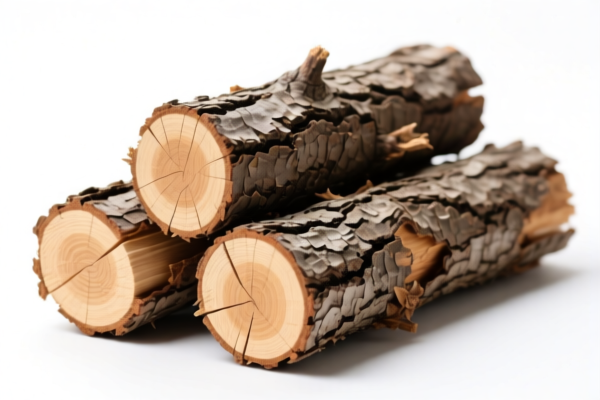
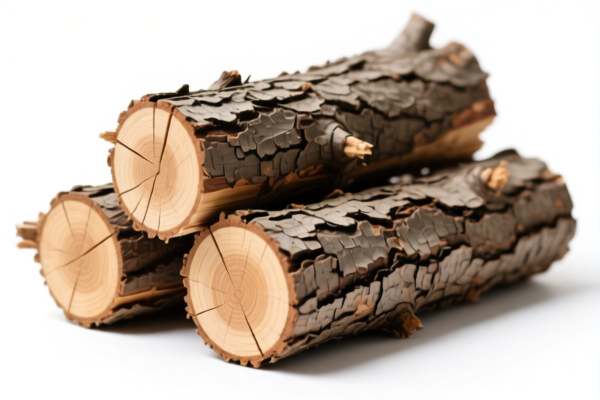
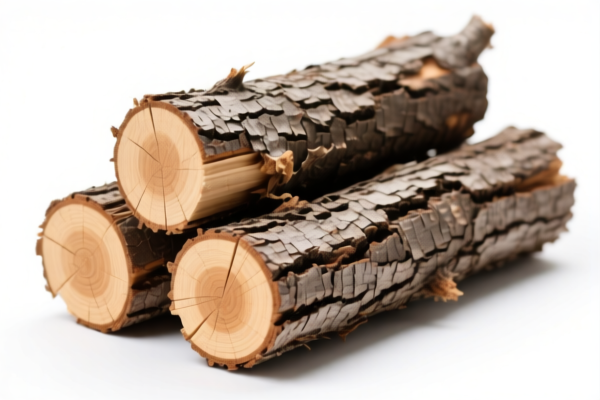
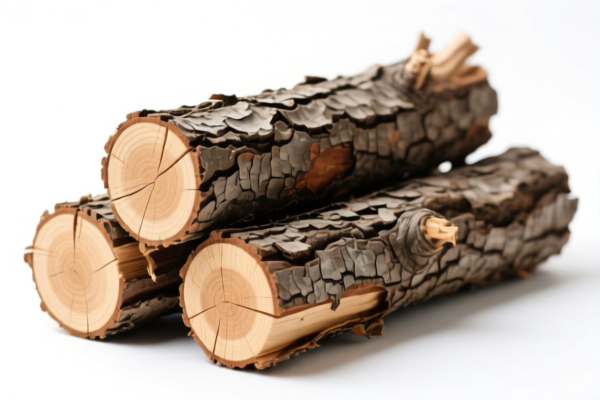
AI Analysis
🌲 Logs with Bark (Raw Timber)
🌐 HS Code Reference & Customs Clearance Guide | 2026 Latest Tariff Breakdown | Professional Entry Strategy
📌 I. Product Definition & Classification: What Exactly Are "Logs with Bark"?
"Logs with bark" refer to round timber, cut into lengths, retaining their natural bark. In international trade, these are primarily classified under Chapter 44 of the HS Nomenclature. The critical distinction lies in the wood species (Coniferous vs. Broadleaved) and the end-use (Construction/Processing vs. Fuel/Bioenergy).
⚠️ Key Distinction Point:
- If the wood is from Coniferous trees (e.g., Pine, Spruce, Fir, Larch) intended for structural or industrial use → Classified under 4403.22.01.65.
- If the wood is from Coniferous trees intended for fuel → Classified under 4401.11.00.00.
- If the wood is from Broadleaved trees (e.g., Oak, Maple, Birch) intended for structural or industrial use → Classified under 4403.21.01.30.
- If the wood is from Non-Coniferous (Broadleaved) trees intended for fuel → Classified under 4401.12.00.00.
📦 II. HS Code Classification Details (2026 Latest Tariff Authority Comparison)
| HS Code | Product Description | Applicable Scenario | Bark Status |
|---|---|---|---|
4403.22.01.65 |
Logs with bark, matching other coniferous wood logs | Structural timber, plywood substrate, sawn timber from conifers (e.g., Spruce, Pine) | ✅ Retained |
4401.11.00.00 |
Logs with bark, matching coniferous fuel wood | Biomass energy, heating fuel, industrial boilers from conifers | ✅ Retained |
4403.21.01.30 |
Logs with bark, matching other broadleaved wood logs | Structural timber, furniture substrate, sawn timber from broadleaves (e.g., Oak, Beech) | ✅ Retained |
4401.12.00.00 |
Logs with bark, matching non-coniferous fuel wood | Biomass energy, heating fuel, industrial boilers from broadleaves | ✅ Retained |
🔍 Key Reminder:
- All listed HS Codes apply to "Logs with Bark". If bark is removed, the classification may shift to planed or processed timber codes (e.g., 4403.40/4403.49), which have different duty structures.
- Fuel wood is strictly defined by its intended use for combustion. Misdeclaring structural logs as fuel wood to evade tariffs is a high-risk violation.
💰 III. 2026 Latest Tariff Rate Breakdown (Including Surcharges & Policy Add-ons)
✅ Applicable Country: United States (US)
✅ Origin: China (CN)
✅ Effective Date: From November 10, 2025 (and subsequent imports)
🎯 1. 4403.22.01.65 —— Logs with Bark, Other Coniferous Wood Logs
| Item | Content |
|---|---|
| Basic Tariff Rate | 0.0% (ad valorem) |
| USITC Surcharge | +25.0% (Under USITC Footnote for Section 301) |
| 122 Clause Tariff | +10.0% (Specific provision for certain wood products) |
| Total Tax Rate | 35.0% |
| Tax Calculation | CIF Value × 35% |
| De Minimis Exemption | ❌ Not Eligible (deny_de_minimis) |
| Legal Basis Path | Section 301: 25% → 122 Clause: 10% → USITC: 4403.22.01.65 |
📌 Explanation:
- The 25% USITC surcharge stems from Section 301 of the Trade Act, targeting Chinese imports;
- The 10% "122 Clause" is an additional specific levy on certain wood logs;
- Combined Total: 35%, which is a high-duty threshold. Budget accordingly!
🎯 2. 4401.11.00.00 —— Logs with Bark, Coniferous Fuel Wood
| Item | Content |
|---|---|
| Basic Tariff Rate | 0.0% |
| USITC Surcharge | +25.0% |
| 122 Clause Tariff | +10.0% |
| Total Tax Rate | 35.0% |
| Tax Calculation | CIF Value × 35% |
| De Minimis Exemption | ❌ Not Eligible |
| Legal Basis Path | Section 301: 25% → 122 Clause: 10% → USITC: 4401.11.00.00 |
📌 Note:
- Same rate as structural coniferous logs;
- Even if intended for biomass fuel, the origin (China) triggers the same surcharges.
🎯 3. 4403.21.01.30 —— Logs with Bark, Other Broadleaved Wood Logs
| Item | Content |
|---|---|
| Basic Tariff Rate | 0.0% |
| USITC Surcharge | +25.0% |
| 122 Clause Tariff | +10.0% |
| Total Tax Rate | 35.0% |
| Tax Calculation | CIF Value × 35% |
| De Minimis Exemption | ❌ Not Eligible |
| Legal Basis Path | Section 301: 25% → 122 Clause: 10% → USITC: 4403.21.01.30 |
📌 Note:
- Applies to broadleaved logs (e.g., Oak, Birch) for structural use;
- Rate is identical to coniferous logs due to uniform trade policy on Chinese wood.
🎯 4. 4401.12.00.00 —— Logs with Bark, Non-Coniferous (Broadleaved) Fuel Wood
| Item | Content |
|---|---|
| Basic Tariff Rate | 0.0% |
| USITC Surcharge | +25.0% |
| 122 Clause Tariff | +10.0% |
| Total Tax Rate | 35.0% |
| Tax Calculation | CIF Value × 35% |
| De Minimis Exemption | ❌ Not Eligible |
| Legal Basis Path | Section 301: 25% → 122 Clause: 10% → USITC: 4401.12.00.00 |
📌 Note:
- Applies to broadleaved logs for fuel;
- No exemption based on use case (fuel vs. structural) when originating from China.
🛠️ IV. Customs Clearance Practical Advice (Combat Pitfalls Guide)
✅ 1. Required Document Checklist (None Can Be Omitted)
| Document | Must Provide | Explanation |
|---|---|---|
| ✅ Phytosanitary Certificate | ✔️ | Mandatory for all wood imports; must be issued by the country of origin. |
| ✅ Commercial Invoice | ✔️ | Must clearly state: "Logs with Bark," species (Coniferous/Broadleaved), and volume. |
| ✅ Packing List | ✔️ | Detail wood volume (cubic meters), weight, and whether bark is retained. |
| ✅ Species Declaration Form | ✔️ | Specify scientific names (e.g., Pinus sylvestris) to ensure correct HS Code. |
| ✅ Bill of Lading/Air Waybill | ✔️ | Proof of shipment and contract. |
| ✅ Fumigation Certificate | ✔️ | If required by ISPM 15 standards (though often covered by Phytosanitary Cert). |
✅ 2. Declaration Tips (Key Mantra)
🔥 "Bark Retained, Species Precise, Use Clear, Taxes Avoided!"
| Scenario | Correct Declaration Approach | Wrong Practice |
|---|---|---|
| Coniferous Structural Logs | 4403.22.01.65 + "Other Coniferous Wood Logs" |
Vague term "Wood" → Risk of misclassification |
| Coniferous Fuel Logs | 4401.11.00.00 + "Coniferous Fuel Wood" |
Declaring as structural logs → Incorrect duty assessment |
| Broadleaved Structural Logs | 4403.21.01.30 + "Other Broadleaved Wood Logs" |
Confusing with coniferous codes → Customs hold |
| Broadleaved Fuel Logs | 4401.12.00.00 + "Non-Coniferous Fuel Wood" |
No distinction made → Potential audit flag |
📌 Important:
- Bark Status: Must explicitly state "With Bark". If bark is partially removed, describe the extent (e.g., "bark removed up to 50%").
- Species Accuracy: Incorrect species identification can lead to penalties under Lacey Act (US) if prohibited species are involved.
✅ 3. Special Case Handling
| Scenario | Handling Advice |
|---|---|
| Mixed Shipments (Coniferous + Broadleaved) | Separate HS Codes per container or provide detailed manifest. Do not blend. |
| Wood from Non-China Origins | If from Vietnam, Thailand, or Malaysia, Section 301 and 122 Clause tariffs may NOT apply. Check specific origin rules. |
| End-Use Change | If wood intended for fuel is diverted to construction, ensure original declaration matched intent. Misdeclaration is fraud. |
| Pest Inspection | USDA APHIS may inspect for emerald ash borer or pine beetles. Ensure pest-free status. |
🌍 V. Global Major Market Clearance Comparison (2026 Latest)
| Country/Region | Recommended HS Code | Tariff (China Origin) | Certification Requirements | Remarks |
|---|---|---|---|---|
| 🇺🇸 United States | 4403.22.01.65 / 4403.21.01.30 |
35% (25% + 10%) | Phytosanitary Certificate + Lacey Act Declaration | Highest tariff burden |
| 🇨🇳 China | 4403.22 / 4403.21 |
5% - 10% (Import Tariff) | Phytosanitary Certificate | No Section 301 surcharges |
| 🇪🇺 European Union | 4403 |
0% - 2.5% | FLEGT License (if applicable) + Phytosanitary | Strict Lacey-equivalent rules |
| 🇬🇧 United Kingdom | 4403 |
0% - 3% | Post-Brexit Phytosanitary Rules | Check UK Trade Tariff |
| 🇦🇺 Australia | 4403 |
5% | Phytosanitary + Biosecurity Check | Strict wood pest controls |
📌 Conclusion:
- The US imposes the highest duties on Chinese wood logs (35%);
- Diversify sourcing if targeting the US market; consider origins in Southeast Asia, Russia, or North America to avoid surcharges.
📌 VI. Common Mistakes & Pitfall Guide (Blood & Tears Lessons)
❌ Mistake 1: Declaring "Fuel Wood" but using logs for construction
👉 Consequence: Customs may classify under structural codes, leading to underpayment penalties or audits.
❌ Mistake 2: Vague description "Wood Logs" without species
👉 Consequence: USDA APHIS may detain shipment for identification, causing delays and storage fees.
❌ Mistake 3: Ignoring bark status
👉 Consequence: If bark is removed but declared "with bark," it may be flagged for misdescription.
❌ Mistake 4: Assuming all wood from Asia is exempt from 301
👉 Consequence: Only Vietnam, Thailand, etc. have specific exemptions. Chinese-origin wood, even if processed elsewhere, may still be subject to duties if origin rules are not met.
✅ Correct Approach:
"Coniferous Logs with Bark, Species: Pinus densiflora, Volume: 50 CBM, Intended Use: Structural Lumber, Origin: China"
🎯 VII. Conclusion: Professional Declaration, Save Time, Reduce Costs!
🎯 Remember the Mantra:
🔹 "Species Precise, Bark Clear, 35% Tax is Real, Origin Matters!"
🔹 "HS Code Determines Duty, Misclassification Costs Thousands!"
📌 Pro Tip:
If your logs are originated in Vietnam, Thailand, Malaysia, or Cambodia, you may avoid the 25% Section 301 and 10% 122 Clause tariffs, reducing the total tax to 0% (basic) or minimal rates.
Recommend Advance Ruling (ISF) or Pre-classification with a customs broker to mitigate risks.
📣 Immediate Action:
📞 Contact a Professional Customs Broker + Provide Species Details + Verify Origin Certificates
🚀 Ensure your logs, smooth clearance, efficient entry, and profit protection!
✨ Professional Clearance Starts with Accurate Classification!
💼 Every Percent of Duty Saved is Pure Profit!
Customer Reviews
About HS Code Classification
The Harmonized System (HS) is an internationally standardized nomenclature developed by the World Customs Organization (WCO) to classify traded products. Over 200 countries use the HS system as the basis for customs tariffs, trade statistics, and import/export regulations.
Each HS code follows a hierarchical structure:
- Chapter (2 digits) — Broad category of goods (e.g., Chapter 84: Machinery and Mechanical Appliances)
- Heading (4 digits) — More specific grouping within the chapter
- Subheading (6 digits) — Internationally standardized breakdown, used by all WCO member countries
- National subdivisions (8-10 digits) — Country-specific extensions for further classification, such as US HTSUS 10-digit codes
Correct HS code classification is essential for smooth customs clearance, accurate duty payment, and compliance with trade regulations. Misclassification can lead to customs delays, overpayment of duties, or penalties.
When importing from CN to US, the applicable tariff rates may include:
- Most-Favored-Nation (MFN) rate — The standard duty rate applied to WTO members
- General rate — Applied to countries without trade agreements
- Trade remedy duties — Additional tariffs such as Section 301 (anti-dumping), Section 232 (national security), or countervailing duties
The information provided on this page is for reference purposes only. For official classification, please consult with your local customs authority or a licensed customs broker.