long sleeve shirt
CN → US| HS Code | Tariff Rate | Origin | Destination | Doc |
|---|---|---|---|---|
| 6205202026 | 37.2% | CN | US | Official Doc |
| 6105202010 | 42.0% | CN | US | Official Doc |
| 6205302030 | 0.0% | CN | US | Official Doc |
| 6205302073 | 0.0% | CN | US | Official Doc |
| 6110202077 | 34.0% | CN | US | Official Doc |
Product Images
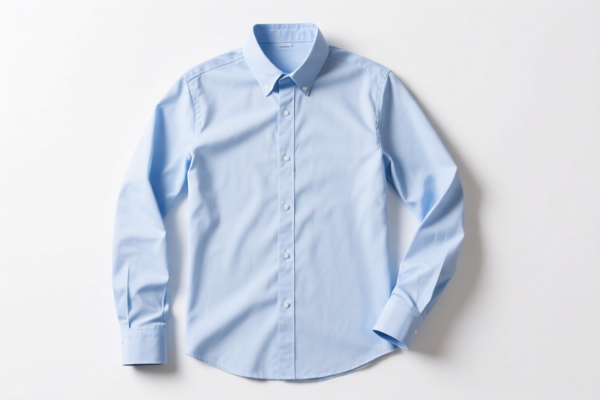
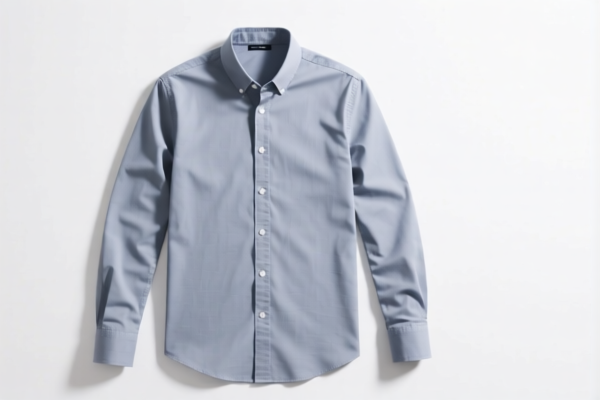
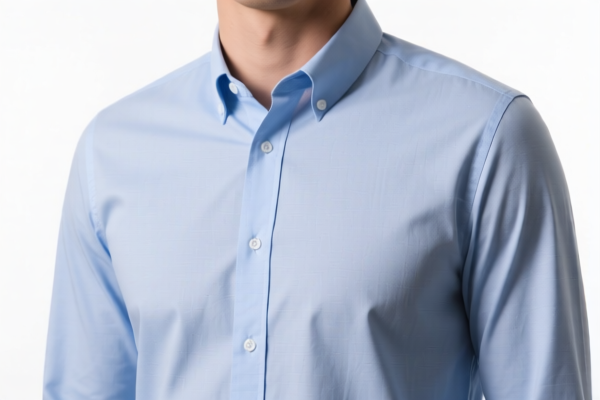

AI Analysis
👔 Men's Long Sleeve Shirts: The Ultimate HS Code & Tariff Clearance Guide (2026 Edition)
🌐 HS Code Reference & Clearance Guide | 2026 Latest Tariff Analysis | Professional Customs Strategy
📌 I. Product Definition & Classification: Do You Really Understand "Long Sleeve Shirts"?
Men's long sleeve shirts are a fundamental garment in international trade, but their classification varies drastically based on fabric material and manufacturing method (Knitted vs. Non-Knitted/Woven). Misclassification here can lead to massive duty discrepancies due to complex US trade tariffs (Section 301, Section 232, and Section 122).
Two Main Categories:
-
Non-Knitted (Woven) Shirts:
- Traditional button-downs, dress shirts, oxford shirts.
- Made from woven fabric (threads interlaced at right angles).
- Key HS Chapters: 62 (Articles of apparel and clothing accessories, not knitted or crocheted).
-
Knitted or Crocheted Shirts:
- T-shirts, polos (if knitted), thermal underwear-style shirts, jersey shirts.
- Made from knitted or crocheted fabric (loops of yarn interlinked).
- Key HS Chapters: 61 (Articles of apparel and clothing accessories, knitted or crocheted).
⚠️ Critical Distinction Point:
- If the fabric has visible loops/elasticity characteristic of knitting → Chapter 61.
- If the fabric is woven and stable → Chapter 62.
- Fabric Material (Cotton vs. Synthetic) further splits the codes, affecting base duties.
📦 II. HS Code Classification Details (2026 Latest Tariff Mapping)
Based on the provided data, here are the specific HS Codes for men's long sleeve shirts, categorized by material and construction.
| HS Code | Product Description | Material | Construction | Total Tax Rate |
|---|---|---|---|---|
| 6205.20.20.26 | Men's Long Sleeve Shirt | Cotton | Non-Knitted (Woven) | 37.2% |
| 6105.20.20.10 | Men's Long Sleeve Shirt | Artificial Fiber or Cotton | Knitted or Crocheted | 42.0% |
| 6205.30.20.30 | Men's Long Sleeve Shirt | Artificial Fiber or Cotton | Non-Knitted (Woven) | 29.1¢/kg + 25.9% + 10.0% |
| 6205.30.20.73 | Long Sleeve Shirt | Artificial Fiber | Non-Knitted (Woven) | 29.1¢/kg + 25.9% + 10.0% |
| 6110.20.20.77 | Long Sleeve Shirt | Material Unspecified (Logic: Knitted) | Knitted or Crocheted | 34.0% |
🔍 Key Takeaway:
- Cotton Woven (6205.20.20.26) is the most common "dress shirt" classification.
- Knitted Shirts (6105 / 6110) generally attract higher base duties but may have different additive structures.
- Synthetic Woven Shirts (6205.30) are taxed with a combined specific + ad valorem duty, making volume/weight crucial for cost calculation.
💰 III. 2026 Latest Tariff Rate Breakdown (Detailed Tax Clauses)
✅ Applicable Country: United States (US)
✅ Origin: China (CN)
✅ Effective Time: Current US Trade Policy (Section 301, 122, etc.)
🎯 1. 6205.20.20.26 — Men's Woven Cotton Shirt
(The Standard Business Shirt)
| Item | Content |
|---|---|
| Base Duty | 19.7% (Ad Valorem) |
| Section 301 Add-on | 7.5% (Specific trade remedy tariff) |
| Section 122 Add-on | 10.0% (New tariff on certain apparel) |
| Total Effective Rate | 37.2% |
| Calculation | CIF Value × 37.2% |
| De Minimis Eligibility | ❌ No (Not eligible for $800 de minimis exemption) |
📌 Explanation:
- This is a pure ad valorem tariff (percentage-based).
- The 10% Section 122 tariff is a significant new burden on apparel from China.
- Total 37.2% is high, but lower than knitted alternatives in some cases.
🎯 2. 6105.20.20.10 — Men's Knitted/Crocheted Shirt (Fiber/Cotton)
(T-Shirts, Polo Shirts, Jersey Shirts)
| Item | Content |
|---|---|
| Base Duty | 32.0% (Ad Valorem) |
| Section 301 Add-on | 0.0% (Waived/Included in base or specific exclusion) |
| Section 122 Add-on | 10.0% |
| Total Effective Rate | 42.0% |
| Calculation | CIF Value × 42.0% |
| De Minimis Eligibility | ❌ No |
📌 Note:
- Despite having 0% Section 301 add-on, the base duty is very high (32%).
- Total 42.0% makes this the most expensive category in the provided data.
- Common for polyester-cotton blends or synthetic knits.
🎯 3. 6205.30.20.30 & 6205.30.20.73 — Men's Woven Shirt (Artificial Fiber/Cotton)
(Synthetic Blends, Polyester Shirts)
| Item | Content |
|---|---|
| Base Duty | 29.1¢/kg + 25.9% (Combined Specific + Ad Valorem) |
| Section 301 Add-on | 0.0% |
| Section 122 Add-on | 10.0% |
| Total Effective Rate | 29.1¢/kg + 25.9% + 10.0% |
| Calculation | (Weight in kg × $0.291) + (CIF Value × 35.9%) |
| De Minimis Eligibility | ❌ No |
📌 Explanation:
- Crucial: This is a mixed tariff. You must pay per kilogram AND percentage of value.
- Lightweight shirts suffer more from the per-kg duty.
- Heavy/Dense shirts suffer more from the ad valorem part.
- Total burden depends heavily on the weight-to-value ratio of the shipment.
- Note: Both6205.30.20.30(General) and6205.30.20.73(Specific Synthetic) have the exact same tax structure in this dataset.
🎯 4. 6110.20.20.77 — Long Sleeve Shirt (Knitted/Crocheted, Unspecified Material)
(Generic Knitted Top)
| Item | Content |
|---|---|
| Base Duty | 16.5% (Ad Valorem) |
| Section 301 Add-on | 7.5% |
| Section 122 Add-on | 10.0% |
| Total Effective Rate | 34.0% |
| Calculation | CIF Value × 34.0% |
| De Minimis Eligibility | ❌ No |
📌 Note:
- This code appears to be for a specific type of knitted shirt (possibly a specific fiber like wool or blend, or a specific style).
- Total 34.0% is the lowest total rate among the options, but only applies if the product fits this specific knitted classification.
- Beware: Do not misclassify a cotton woven shirt into this code to save tax; customs will reclassify and penalize.
🛠️ IV. Clearance Practical Advice (Battle-Tested Pitfall Guide)
✅ 1. Documentation Checklist (Non-Negotiable)
| Document | Required? | Description |
|---|---|---|
| ✅ Product Specification Sheet | ✔️ | Must detail: Fabric composition (e.g., 100% Cotton vs. 65% Poly/35% Cotton), Construction (Knitted vs. Woven), Gender (Men's). |
| ✅ Technical File / Pattern | ✔️ | Shows sleeve length, collar type, button/zipper details to confirm "Long Sleeve" classification. |
| ✅ Product Photos | ✔️ | Clear images of the shirt, including labels, tags, and fabric close-up to prove weave/knit structure. |
| ✅ Commercial Invoice | ✔️ | Must explicitly state: "Men's Long Sleeve Shirt," HS Code, Country of Origin (China), CIF Value. |
| ✅ Packing List | ✔️ | Includes total gross/net weight (Critical for 6205.30 codes) and number of pieces. |
| ✅ Certified Label Info | ✔️ | Fiber content label copy is vital for HS Code determination. |
✅ 2. Declaration Strategy (Key Mantras)
🔥 "Fiber & Weave Determine Code, Weight Drives Cost!"
| Scenario | Correct Declaration | Wrong Declaration |
|---|---|---|
| 100% Cotton Woven Shirt | 6205.20.20.26 (37.2%) |
Misclassifying as Knitted → 42% |
| Polyester Woven Shirt | 6205.30.20.30/73 (Mixed) |
Claiming "Cotton" → Severe Penalty |
| Knitted Cotton Tee | 6105.20.20.10 (42.0%) |
Declaring as Woven → 0% Duty Risk |
| Generic Knitted Top | 6110.20.20.77 (34.0%) |
Using wrong knit code → Audit Risk |
📌 Critical Tip for
6205.30Codes:
- Since tax is 29.1¢/kg + %, accurate Net Weight declaration is vital. Under-declaring weight can lead to accusations of smuggling. Over-declaring weight increases tax unnecessarily.
✅ 3. Special Considerations
| Situation | Handling Advice |
|---|---|
| Section 122 Tariff (10%) | Applies to all apparel from China in this list. Cannot be avoided. Ensure HS codes are current for 2026. |
| Section 301 Tariff | Varies by code. 6105 has 0% add-on, but high base. 6205.20 has 7.5% add-on. Compare total landed cost. |
| Mixed Containers | If shipping both knitted and woven shirts, separate HS Codes must be declared. Do not lump into one line item. |
| Samples vs. Bulk | De Minimis ($800) does not apply to apparel from China under current trade actions. All shipments are subject to full duty. |
🌍 V. Global Market Comparison (2026 Context)
| Market | Recommended HS Code | Est. Tariff (China Origin) | Notes |
|---|---|---|---|
| 🇺🇸 USA | 6205.20.20.26 etc. |
34.0% - 42.0% | High due to Sec 301 + Sec 122. |
| 🇨🇳 China | 6205.20.20.26 |
~9-15% | Lower base duty, no US add-ons. |
| 🇪🇺 EU | 6205.20.20 |
~12-16% | No Section 301/122 equivalents. |
| 🇬🇧 UK | 6205.20.20 |
~12% | Post-Brexit, aligned with EU structure mostly. |
📌 Conclusion:
- USA is the most expensive market for Chinese apparel due to layered tariffs.
- Cost Optimization: Focus on6110.20.20.77(34.0%) if the product is knitted and fits the description. It is the lowest tax burden among the options.
- Avoid6105.20.20.10(42.0%) unless necessary, as it has the highest total rate.
📌 VI. Common Errors & Pitfalls (Blood & Tears)
❌ Error 1: Confusing Knitted vs. Woven.
👉 Result: Knitted is Chapter 61, Woven is Chapter 62. Misclassification leads to duty underpayment/overpayment and potential fines.
❌ Error 2: Ignoring Section 122 Tariff.
👉 Result: Forgetting the additional 10% on all apparel from China leads to unexpected costs at customs.
❌ Error 3: Incorrect Weight Declaration for 6205.30.
👉 Result: Since tax is per kg, inaccurate weight causes overpayment (if weight overstated) or seizure (if weight understated).
❌ Error 4: Using Generic Descriptions.
👉 Result: "Shirt" is too vague. Must specify: "Men's, Long Sleeve, [Fabric], [Knitted/Woven]."
✅ Correct Declaration Example:
"Men's Long Sleeve Woven Shirt, 100% Cotton, Non-Knitted, Model XYZ, HS 6205.20.20.26, Origin: China"
🎯 VII. Conclusion: Precision Classification Saves Money!
🎯 Remember the Key Rates:
🔹 Woven Cotton: 37.2%
🔹 Knitted (Fiber/Cotton): 42.0%
🔹 Woven Synthetic (Mixed Tax): 29.1¢/kg + 35.9%
🔹 Knitted (Specific): 34.0%
🎯 Strategic Advice:
- Audit your product: Is it truly knitted or woven?
- Check fabric: Is it 100% cotton, synthetic, or blend?
- Calculate: For synthetic woven shirts, calculate tax based on average weight per unit.
- Pre-Ruling: Consider applying for a Binding Tariff Information (BTI) or US Ruling Letter if unsure about classification.
📣 Immediate Action:
📞 Consult a Customs Broker to verify HS codes based on physical samples.
📦 Ensure Accurate Weight & Fiber Content on all documents.
🚀 Plan for High Duties: Factor in 34-42% tax in your pricing strategy.
✨ Professional Clearance Starts with Accurate Classification!
💼 Every Percent Saved is Pure Profit!
Customer Reviews
About HS Code Classification
The Harmonized System (HS) is an internationally standardized nomenclature developed by the World Customs Organization (WCO) to classify traded products. Over 200 countries use the HS system as the basis for customs tariffs, trade statistics, and import/export regulations.
Each HS code follows a hierarchical structure:
- Chapter (2 digits) — Broad category of goods (e.g., Chapter 84: Machinery and Mechanical Appliances)
- Heading (4 digits) — More specific grouping within the chapter
- Subheading (6 digits) — Internationally standardized breakdown, used by all WCO member countries
- National subdivisions (8-10 digits) — Country-specific extensions for further classification, such as US HTSUS 10-digit codes
Correct HS code classification is essential for smooth customs clearance, accurate duty payment, and compliance with trade regulations. Misclassification can lead to customs delays, overpayment of duties, or penalties.
When importing from CN to US, the applicable tariff rates may include:
- Most-Favored-Nation (MFN) rate — The standard duty rate applied to WTO members
- General rate — Applied to countries without trade agreements
- Trade remedy duties — Additional tariffs such as Section 301 (anti-dumping), Section 232 (national security), or countervailing duties
The information provided on this page is for reference purposes only. For official classification, please consult with your local customs authority or a licensed customs broker.