macadamia nuts, roasted
CN → US| HS Code | Tariff Rate | Origin | Destination | Doc |
|---|---|---|---|---|
| 080220 | 0.0% | CN | US | Official Doc |
| 080210 | 0.0% | CN | US | Official Doc |
Product Images
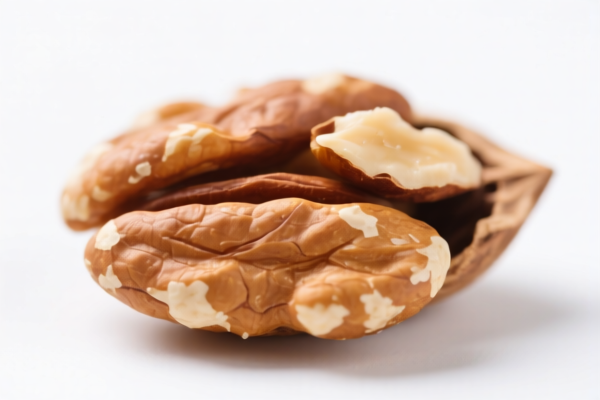
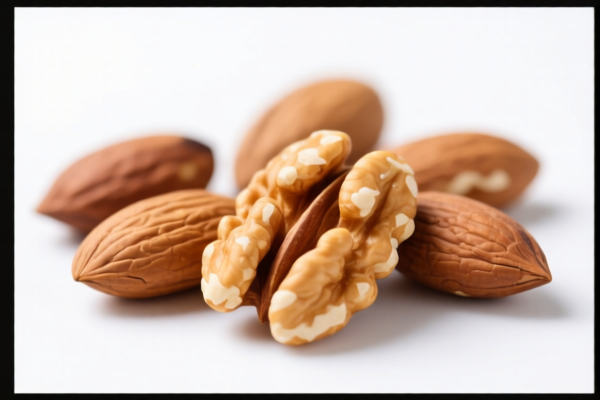
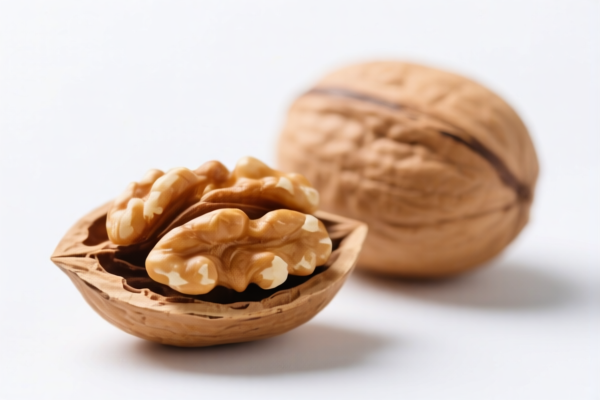
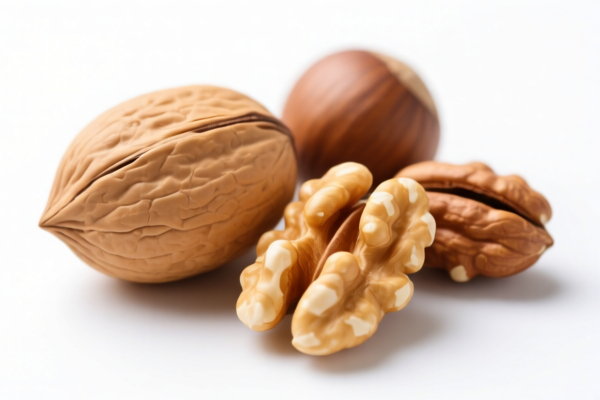
AI Analysis
🌰 Macadamia Nuts, Roasted (Whole, Shelled, or Pieces)
🌐 HS Code Reference & Customs Clearance Guide | 2026 Latest Tariff Analysis | Professional通关 Strategy
📌 I. Product Definition & Classification: Do You Really Know "Macadamia Nuts"?
Macadamia nuts, widely known as the "Queen of Nuts," are high-value agricultural products prized for their rich creaminess and healthy fats. In international trade, they are strictly categorized by their processing state. The distinction between Raw and Roasted is critical, as it determines the HS Code and, consequently, the tax liability.
⚠️ Key Distinction Point:
- Raw Macadamia Nuts (0802.10): Not roasted, intended for human consumption. Includes whole, shelled, or pieces. - Roasted Macadamia Nuts (0802.20): Roasted (whether whole, shelled, or in pieces). Crucially, if they are intended for human consumption, they fall under this heading.
- Note on Processing: Roasting is considered a process that alters the classification from the "Raw" category (0802.10) to the "Prepared/Roasted" category (0802.20).
📦 II. HS Code Classification Details (2026 Latest Tariff Authority Comparison)
| HS Code | Product Description | Application Scenario | Processing State |
|---|---|---|---|
0802.10 |
Macadamia nuts, raw – whole, shelled, or in pieces, not roasted, intended for human consumption (for comparison) | Fresh dried nuts, unprocessed, often used for oil extraction or further industrial processing | ❌ Not Roasted |
0802.20 |
Macadamia nuts, roasted – whole, shelled, or in pieces, roasted, intended for human consumption | Snack foods, roasted for flavor, salted or unsalted roasted nuts | ✅ Roasted |
🔍 Key Reminder:
- "Roasted" includes nuts that have been heat-treated to develop flavor. This includes dry roasted, oil roasted, or salted roasted macadamias. - If the nuts are raw, they must be declared under 0802.10. Misdeclaring roasted nuts as raw to avoid higher taxes or different regulations is a serious customs violation. - The description "intended for human consumption" is vital. If intended for planting, they fall under Chapter 12 (1202 or 1211), not Chapter 8.
💰 III. 2026 Latest Tariff Rate Details (Including Surcharges & Policy Add-ons)
✅ Applicable Country: United States (US)
✅ Origin: China (CN)
✅ Effective Date: 2025 November 10 onwards (including subsequent imports)
🎯 1. 0802.20 —— Macadamia Nuts, Roasted (Intended for Human Consumption)
| Item | Content |
|---|---|
| Base Tariff Rate | 0% (ad valorem) |
| USITC Additional Tariff | +25% (from USITC Footnote 9903.88.01) |
| IEEPA Additional Tariff | +10% (Targeting China/Hong Kong products, effective from Nov 10, 2025) |
| Total Tariff Rate | 45% |
| Tax Calculation | CIF Value × 45% |
| De Minimis Exemption Eligibility | ❌ Not Eligible (deny_de_minimis) |
| Legal Basis Path | IEEPA:9903.01.25 → IEEPA:9903.01.24 → USITC:0802.20 → FOOTNOTE:9903.88.01 |
📌 Explanation:
- The "USITC Additional Tariff 25%" is imposed under Section 301 of the Trade Act; - The "IEEPA 10%" is an additional tariff under the International Emergency Economic Powers Act targeting Chinese products; - Total 45%, which is considered a high tariff. This must be factored into your cost structure before shipment!
🎯 2. 0802.10 —— Macadamia Nuts, Raw (For Comparison)
| Item | Content |
|---|---|
| Base Tariff Rate | 0% |
| USITC Additional Tariff | +25% |
| IEEPA Additional Tariff | +10% |
| Total Tariff Rate | 45% |
| Tax Calculation | CIF × 45% |
| De Minimis Exemption Eligibility | ❌ Not Eligible |
| Legal Basis Path | IEEPA:9901.25 → IEEPA:9903.01.24 → USITC:0802.10 → FOOTNOTE:9903.88.01 |
📌 Note:
- Like the roasted version, raw macadamia nuts are subject to the same high additional tariffs. - Whether raw or roasted, if they are processed for human consumption from China, the 45% total tariff applies.
🛠️ IV. Customs Clearance Practical Advice (Battle-Tested Pitfall Avoidance Guide)
✅ 1. Required Document Checklist (All Mandatory)
| Document | Required | Explanation |
|---|---|---|
| ✅ Product Specification Sheet | ✔️ | Must include: Roasting method (dry/oil), salt content, size/grade, packaging type. |
| ✅ Certificate of Origin (CO) | ✔️ | Essential for tracking origin. If from Australia/Hawaii, potential benefits apply (check current FTAs). |
| ✅ Commercial Invoice | ✔️ | Clearly state: "Macadamia Nuts, Roasted, Intended for Human Consumption". Avoid vague terms like "Snacks". |
| ✅ Packing List | ✔️ | Detail net/gross weight, number of packages, and whether nuts are whole, shelled, or pieces. |
| ✅ Health/Sanitary Certificate | ✔️ | Required for food products. Must confirm safety for human consumption. |
| ✅ Third-Party Inspection Report | ✔️ | Aflatoxin, moisture content, and heavy metal tests are often requested for nuts. |
✅ 2. Declaration Techniques (Key Mantras)
🔥 "Roasted is 0802.20, Raw is 0802.10. Specify 'For Human Consumption' to avoid Chapter 12 traps!"
| Scenario | Correct Declaration Method | Incorrect Practice |
|---|---|---|
| Roasted macadamias for snacking | 0802.20 |
Misdeclaring as 0802.10 (Raw) → Risk of penalty + 45% tariff correction |
| Raw macadamias for planting | Chapter 12 (1202/1211) | Declaring as 0802.10 → Food tax applies instead of planting tax |
| Roasted macadamias for industrial oil extraction | Chapter 12 (1202) | Declaring as 0802.20 → Higher tax for non-food use |
| Salted roasted nuts | 0802.20 |
Declaring as "Mixed Nuts" without specifying |
✅ 3. Special Case Handling
| Scenario | Handling Advice |
|---|---|
| OEM Custom Roasting | Provide customer order + roasting specifications. Ensure "Roasted" is clearly stated. |
| Salted/Flavored Roasted Nuts | Still fall under 0802.20 as long as the primary character remains macadamia. Declare flavor/salt content in specs. |
| Macadamias from Non-China Origins (e.g., Australia, Hawaii) | Critical: If origin is eligible for preferential treatment under current trade agreements, tariffs may be lower. Verify origin status! |
| Small Samples (De Minimis) | ❌ Not Eligible. Even small shipments are subject to the 45% tariff due to deny_de_minimis status for this HS code. |
🌍 V. Global Major Market Clearance Comparison (2026 Latest)
| Country/Region | Recommended HS Code | Tariff (China Origin) | Certification Requirements | Notes |
|---|---|---|---|---|
| 🇺🇸 USA | 0802.20 (Roasted) |
45% Total | FDA Registration + Labeling | High tariff due to Section 301 & IEEPA |
| 🇨🇳 China | 0802.20 |
10-15% (Varies) | CCC (if applicable) + Food Safety | Import duty + VAT |
| 🇪🇺 EU | 0802.20 |
0-6.5% (Varies by type) | CE (if packaging) + Food Safety | No additional political tariffs |
| 🇦🇺 Australia | 0802.20 |
5% | AQIS Requirements | Major producer, different supply chain |
| 🇯🇵 Japan | 0802.20 |
0-8% (Varies) | PSE (if applicable) + Food Sanitation | CPTPP may offer benefits |
📌 Conclusion:
- The USA imposes the highest effective tariff (45%) on roasted macadamia nuts from China. - Cost Implication: This significantly impacts profit margins. Consider supply chain diversification (e.g., sourcing from Australia or Hawaii if feasible) or pre-clearance rulings. - EU & Japan are more favorable markets in terms of tariff burden.
📌 VI. Common Errors & Pitfall Guide (Blood & Tears Lessons)
❌ Error 1: Declaring "Roasted Nuts" as "Raw Nuts" to avoid higher scrutiny
👉 Consequence: Customs inspection reveals roasting signs (color, smell, specs) → Penalties + Back Taxes + Delays!
❌ Error 2: Not specifying "For Human Consumption"
👉 Consequence: Customs may assume it's for planting (Chapter 12) → Wrong HS Code → Fines!
❌ Error 3: Using vague terms like "Snacks" or "Mix Nuts"
👉 Consequence: Lack of specificity leads to customs queries → Shipment Hold!
❌ Error 4: Ignoring Aflatoxin/Moisture Tests
👉 Consequence: Rejection at US ports of entry due to food safety violations → Return or Destruction!
✅ Correct Approach:
"Roasted Macadamia Nuts, Shelled, Whole, 1kg Net Weight, Unsalted, For Human Consumption, FDA Registered Facility, Certificate No. XYZ"
🎯 VII. Conclusion: Professional Declaration Saves Money!
🎯 Remember the Mantra:
🔹 "Roasted = 0802.20, Raw = 0802.10. Both at 45% if from China. Specify 'Human Consumption'!"
🔹 "HS Code decides the tax rate. A small mistake in description can cost you thousands!"
📌 Pro Tip:
- If your macadamia nuts are sourced from Australia, Hawaii, or South Africa, check if they qualify for zero or reduced tariffs under current trade terms.
- Always apply for an Advance Ruling if the roasting level is borderline.
- Ensure FDA Pre-Notification is completed before shipment arrival in the US.
📣 Immediate Action Required:
📞 Contact a professional customs broker + Provide Roasting Specs + Verify Origin + Apply for Advance Ruling (if needed)
🚀 Ensure your macadamia nuts pass customs smoothly, avoid costly delays, and maximize your profits!
✨ Professional clearance starts with precise classification!
💼 Every penny of your cost deserves accurate calculation!
Customer Reviews
About HS Code Classification
The Harmonized System (HS) is an internationally standardized nomenclature developed by the World Customs Organization (WCO) to classify traded products. Over 200 countries use the HS system as the basis for customs tariffs, trade statistics, and import/export regulations.
Each HS code follows a hierarchical structure:
- Chapter (2 digits) — Broad category of goods (e.g., Chapter 84: Machinery and Mechanical Appliances)
- Heading (4 digits) — More specific grouping within the chapter
- Subheading (6 digits) — Internationally standardized breakdown, used by all WCO member countries
- National subdivisions (8-10 digits) — Country-specific extensions for further classification, such as US HTSUS 10-digit codes
Correct HS code classification is essential for smooth customs clearance, accurate duty payment, and compliance with trade regulations. Misclassification can lead to customs delays, overpayment of duties, or penalties.
When importing from CN to US, the applicable tariff rates may include:
- Most-Favored-Nation (MFN) rate — The standard duty rate applied to WTO members
- General rate — Applied to countries without trade agreements
- Trade remedy duties — Additional tariffs such as Section 301 (anti-dumping), Section 232 (national security), or countervailing duties
The information provided on this page is for reference purposes only. For official classification, please consult with your local customs authority or a licensed customs broker.