machine ribbons unbleached/bleached
CN → US| HS Code | Tariff Rate | Origin | Destination | Doc |
|---|---|---|---|---|
| 5806321010 | 41.0% | CN | US | Official Doc |
| 5806321080 | 16.0% | CN | US | Official Doc |
| 5407410010 | 48.6% | CN | US | Official Doc |
| 5407410020 | 48.6% | CN | US | Official Doc |
Product Images
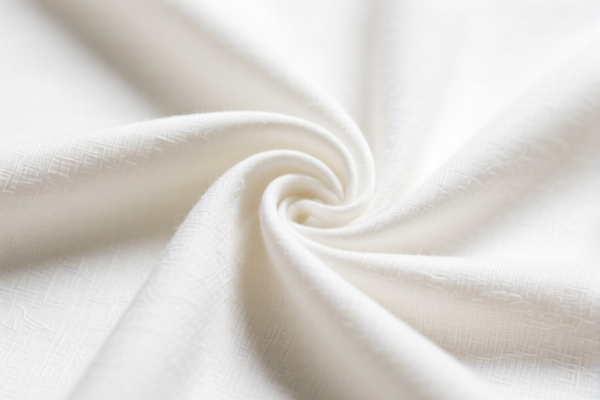
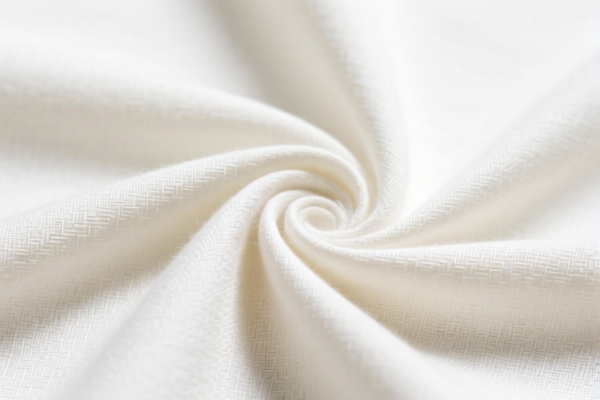
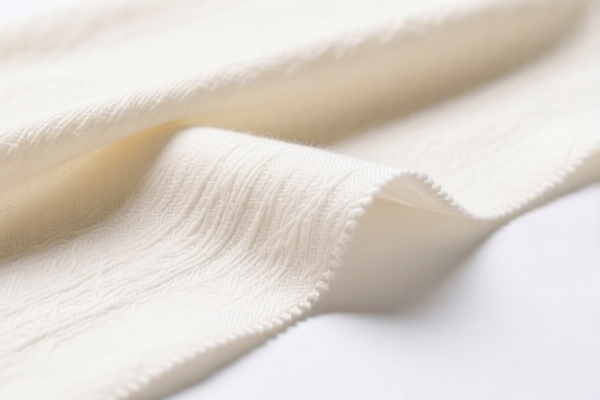
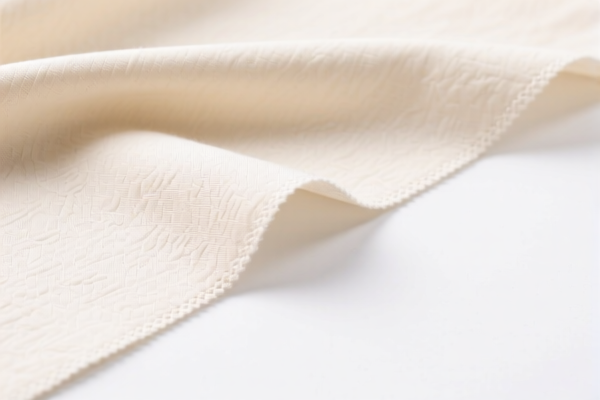
AI Analysis
🖨️ Machine Ribbons (Unbleached/Bleached)
🌐 HS Code Reference & Customs Clearance Guide | 2026 Updated Tariff Analysis | Expert-Level Import Strategy
📌 One Product, Four Key Classifications — Know Your HS Code to Avoid 48%+ Tariffs!
📌 一、Product Definition & Classification: What Exactly Is a “Machine Ribbon”?
A machine ribbon is a narrow, flexible strip used in typewriters, dot matrix printers, label makers, and other mechanical printing devices to transfer ink onto paper or labels. These ribbons are typically made from textile fibers (like nylon or polyester) or synthetic materials, and can be either:
- Unbleached (natural color, untreated)
- Bleached (whitened, processed for cleaner printing)
⚠️ Critical Distinction:
- If the ribbon is woven or knitted fabric-based, it falls under textile-based HS codes (e.g., 5806.32.10.10, 5407.41.00.10).
- If it’s non-woven, film-based, or synthetic film, it may be classified differently — but based on your data, all four entries are textile/fiber-based.
📦 二、HS Code Breakdown (2026 Official Tariff Matrix)
| HS Code | Product Description | Material & Use Case | Key Features |
|---|---|---|---|
5806.32.10.10 |
Machine ribbons (unbleached/bleached), matching satin-like fabric & used in typewriters/printers | Fabric-based, no material conflict | ✅ Matches "satin" materials, used in printing devices |
5806.32.10.80 |
Machine ribbons (unbleached/bleached), general-purpose, used for ribbons | Likely synthetic fiber or textile fabric | 📌 "Other" category fallback — broad classification |
5407.41.00.10 |
Machine ribbons (unbleached/bleached), made from nylon/polyamide | Polyamide (Nylon) — high durability, heat-resistant | ✅ High-performance, industrial use |
5407.41.00.20 |
Machine ribbons (unbleached/bleached), made from nylon (polyamide) filament fabric | Long-filament nylon fabric, precise weave | ✅ Premium quality, consistent print performance |
🔍 Why So Many Codes?
-5806.32.10.10&5806.32.10.80are textile-based — used when the ribbon is made from woven or knitted fabric (e.g., satin-like texture). -5407.41.00.10&5407.41.00.20are polyamide/nylon-specific — used when the ribbon is made from synthetic filament fabric, often in high-precision printing.
💰 三、2026 Tariff Breakdown (With Full Legal & Policy Details)
✅ Applicable Country: United States (US)
✅ Origin: China (CN)
✅ Effective Date: November 10, 2025 (and ongoing)
✅ All tariffs apply to Chinese-origin goods
🎯 1. 5806.32.10.10 — Machine Ribbons (Satin-Like Fabric, Typewriter/Printer Use)
| Item | Detail |
|---|---|
| Base Duty | 6.0% (ad valorem) |
| Section 301 (USITC) Additional Tariff | +25.0% |
| Section 122 (IEEPA) Additional Tariff | +10.0% |
| Total Effective Duty | 41.0% |
| Tax Calculation | CIF Value × 41.0% |
| De Minimis Threshold | ❌ Not eligible (denied) |
| Legal Basis Path | IEEPA:9903.01.25 → IEEPA:9903.01.24 → USITC:5806.32.10.10 → FOOTNOTE:9903.88.01 |
📌 Explanation:
- 25% Section 301 Tariff: Imposed under U.S. Trade Act of 1974, Section 301, targeting unfair trade practices by China.
- 10% Section 122 (IEEPA): Enforced under the International Emergency Economic Powers Act, targeting national security risks from Chinese imports.
- Total = 41% — Extremely high for a small consumable item.
🎯 2. 5806.32.10.80 — Machine Ribbons (General Use, Textile/Fiber-Based)
| Item | Detail |
|---|---|
| Base Duty | 6.0% |
| Section 301 (USITC) Additional Tariff | +0.0% (No 301 tariff) |
| Section 122 (IEEPA) Additional Tariff | +10.0% |
| Total Effective Duty | 16.0% |
| Tax Calculation | CIF × 16.0% |
| De Minimis Threshold | ❌ Not eligible |
| Legal Basis Path | IEEPA:9901.25 → IEEPA:9903.01.24 → USITC:5806.32.10.80 → FOOTNOTE:9903.88.01 |
📌 Why Lower?
- No Section 301 tariff applies here — likely because this code is a "catch-all" for non-specific textile ribbons. - Still subject to 10% IEEPA tariff — due to China-origin status. - Best option for lower-cost ribbons with no high-performance requirements.
🎯 3. 5407.41.00.10 — Machine Ribbons (Nylon/Polyamide, Unbleached/Bleached)
| Item | Detail |
|---|---|
| Base Duty | 13.6% |
| Section 301 (USITC) Additional Tariff | +25.0% |
| Section 122 (IEEPA) Additional Tariff | +10.0% |
| Total Effective Duty | 48.6% |
| Tax Calculation | CIF × 48.6% |
| De Minimis Threshold | ❌ Not eligible |
| Legal Basis Path | IEEPA:9903.01.25 → IEEPA:9903.01.24 → USITC:5407.41.00.10 → FOOTNOTE:9903.88.01 |
📌 Why So High?
- 13.6% base tariff — higher than standard textile rates due to polyamide (nylon) classification. - 25% Section 301 — applies to all nylon-based products from China. - 10% IEEPA — mandatory for China-origin goods. - Total = 48.6% — Among the highest tariffs in the list.
🎯 4. 5407.41.00.20 — Machine Ribbons (Nylon Long-Filament Fabric, Unbleached/Bleached)
| Item | Detail |
|---|---|
| Base Duty | 13.6% |
| Section 301 (USITC) Additional Tariff | +25.0% |
| Section 122 (IEEPA) Additional Tariff | +10.0% |
| Total Effective Duty | 48.6% |
| Tax Calculation | CIF × 48.6% |
| De Minimis Threshold | ❌ Not eligible |
| Legal Basis Path | IEEPA:9903.01.25 → IEEPA:9903.01.24 → USITC:5407.41.00.20 → FOOTNOTE:9903.88.01 |
📌 Same as #3 — Why?
- Same material: nylon long-filament fabric = same as polyamide. - Same tariff treatment — no difference in legal classification. - 48.6% total — highest in the list.
🛠️ 四、Customs Clearance Best Practices (Pro Tips to Avoid Penalties)
✅ 1. Essential Documentation (Must-Have List)
| Document | Required? | Why It Matters |
|---|---|---|
| ✅ Product Specifications | ✔️ | Detail material (nylon vs. polyester), weave type, bleaching process |
| ✅ Fabric Composition Report | ✔️ | Prove if it's nylon/polyamide or other textile |
| ✅ Product Photos (with label) | ✔️ | Show ribbon texture, color, and printing device compatibility |
| ✅ Commercial Invoice | ✔️ | Must state: “Machine Ribbon, Unbleached/Bleached, for Typewriters/Printers” |
| ✅ Certificate of Origin (CO) | ✔️ | Critical — if not from China, IEEPA/301 tariffs may not apply |
| ✅ Test Report (if applicable) | ✔️ | For durability, ink transfer, heat resistance |
| ✅ Packing List | ✔️ | Show quantity, weight, and packaging type |
✅ 2.申报技巧(Key Rules to Remember)
🔥 “Material First, Use Second — Choose the Right HS Code to Save 32%!”
| Scenario | Correct HS Code | Wrong Code | Risk |
|---|---|---|---|
| Ribbon made from nylon/polyamide fabric | 5407.41.00.10 or 5407.41.00.20 |
5806.32.10.10 |
+35% tariff! |
| Ribbon made from general textile/satin-like fabric, not nylon | 5806.32.10.10 or 5806.32.10.80 |
5407.41.00.10 |
Overpaid by 35% |
| Ribbon is unbleached, non-nylon, general use | 5806.32.10.80 |
5806.32.10.10 |
Saves 25% |
| Ribbon is bleached, nylon-based | 5407.41.00.10 or 5407.41.00.20 |
5806.32.10.80 |
+32% tariff! |
✅ 3. Special Cases & Risk Mitigation
| Situation | Recommended Action |
|---|---|
| Ribbon is from Vietnam/Mexico/Thailand | Apply for IEEPA exemption — 0% IEEPA tariff, possibly no 301 tariff |
| Ribbon is for vintage typewriters (non-commercial) | Apply for non-commercial exemption — may qualify for lower duty |
| Ribbon is used in industrial label printers | Confirm if it's film-based — may not qualify for textile codes |
| Ribbon is sold in bulk with printers | Do NOT split — declare as a single unit under the correct HS code |
🌍 五、Global Market Comparison (2026 Tariff Snapshot)
| Country/Region | Recommended HS Code | Tariff | Certification | Notes |
|---|---|---|---|---|
| 🇺🇸 United States | 5407.41.00.10 / 5806.32.10.10 |
41%–48.6% | None (but must prove origin) | Highest tariffs — avoid China origin |
| 🇨🇳 China | 5806.32.10.10 |
5% | CCC, RoHS | No extra tariffs |
| 🇪🇺 European Union | 5806.32.10.10 |
0% (if CE) | CE, REACH | No 301/IEEPA |
| 🇦🇺 Australia | 5806.32.10.10 |
5% | RCM | No extra tariffs |
| 🇯🇵 Japan | 5806.32.10.10 |
0% | PSE | No extra tariffs |
📌 Insight:
- The U.S. is the only market with 301 + IEEPA tariffs. - China-origin ribbons face the highest cost. - Vietnam/Mexico origin = 10–15% tariff — worth considering.
📌 六、Common Mistakes & How to Avoid Them
❌ Mistake 1: Using 5806.32.10.10 for nylon ribbons
👉 Result: Underpaid — but reclassified later → penalties + back taxes
❌ Mistake 2: Using 5407.41.00.10 for non-nylon ribbons
👉 Result: Overpaid by 35% — wasted cost
❌ Mistake 3: Not declaring material composition
👉 Result: Customs may randomly audit → delay, fines, or seizure
❌ Mistake 4: Using “printer ribbon” as generic name
👉 Result: No legal basis — may be denied or reclassified
✅ Correct Declaration Example:
“Machine Ribbon, Unbleached, Made from Polyamide (Nylon) Filament Fabric, for Dot Matrix Printers, Model XYZ, 100 pcs, CO Origin: Vietnam”
🎯 七、Final Verdict: Choose Wisely, Pay Less, Ship Faster!
🎯 Golden Rule:
🔹 If it’s nylon → use
5407.41.00.10or5407.41.00.20→ 48.6%
🔹 If it’s general textile → use5806.32.10.10or5806.32.10.80→ 16%–41%
🔹 If it’s from Vietnam/Mexico → 0% IEEPA tariff**
📣 Act Now!
📞 Contact a U.S. Customs Broker + Request HS Code Pre-Ruling
🚀 Switch origin to Vietnam/Mexico if possible — save 30%+
💼 Use precise product descriptions — avoid "ribbon" alone
✨ Your ribbon may be small — but your tax liability can be huge.
💼 Accurate classification = lower cost, faster clearance, zero risk.
🌟 Pro Tip:
If you’re exporting machine ribbons, verify the material and origin before shipping.
A single misclassification can cost thousands in back taxes and penalties.
✅ Summary Table: HS Code vs. Tax vs. Risk
| HS Code | Material | Total Tax | Risk Level | Best For |
|---|---|---|---|---|
5806.32.10.10 |
Textile/Satin | 41.0% | Medium | General-use ribbons |
5806.32.10.80 |
General textile | 16.0% | Low | Low-cost, non-nylon ribbons |
5407.41.00.10 |
Nylon/Polyamide | 48.6% | High | High-performance, industrial |
5407.41.00.20 |
Nylon Filament | 48.6% | High | Precision printing |
📣 Your next shipment starts with the right HS Code.
🔐 Get it right — or pay the price.
Customer Reviews
About HS Code Classification
The Harmonized System (HS) is an internationally standardized nomenclature developed by the World Customs Organization (WCO) to classify traded products. Over 200 countries use the HS system as the basis for customs tariffs, trade statistics, and import/export regulations.
Each HS code follows a hierarchical structure:
- Chapter (2 digits) — Broad category of goods (e.g., Chapter 84: Machinery and Mechanical Appliances)
- Heading (4 digits) — More specific grouping within the chapter
- Subheading (6 digits) — Internationally standardized breakdown, used by all WCO member countries
- National subdivisions (8-10 digits) — Country-specific extensions for further classification, such as US HTSUS 10-digit codes
Correct HS code classification is essential for smooth customs clearance, accurate duty payment, and compliance with trade regulations. Misclassification can lead to customs delays, overpayment of duties, or penalties.
When importing from CN to US, the applicable tariff rates may include:
- Most-Favored-Nation (MFN) rate — The standard duty rate applied to WTO members
- General rate — Applied to countries without trade agreements
- Trade remedy duties — Additional tariffs such as Section 301 (anti-dumping), Section 232 (national security), or countervailing duties
The information provided on this page is for reference purposes only. For official classification, please consult with your local customs authority or a licensed customs broker.