manual tools
CN → US| HS Code | Tariff Rate | Origin | Destination | Doc |
|---|---|---|---|---|
| 8205100000 | 41.2% | CN | US | Official Doc |
| 8203202000 | 39.0% | CN | US | Official Doc |
| 8201300080 | 35.0% | CN | US | Official Doc |
| 8205517500 | 38.7% | CN | US | Official Doc |
| 8203206030 | 0.0% | CN | US | Official Doc |
Product Images
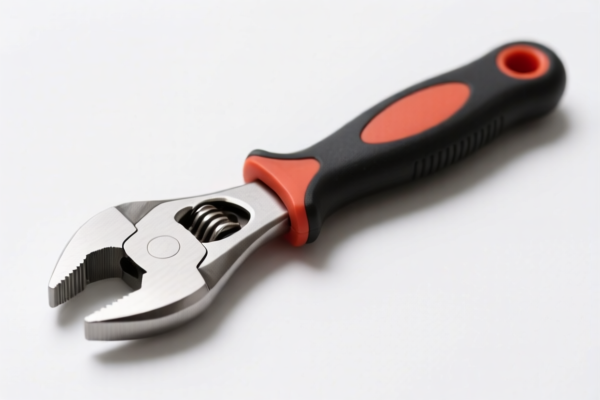
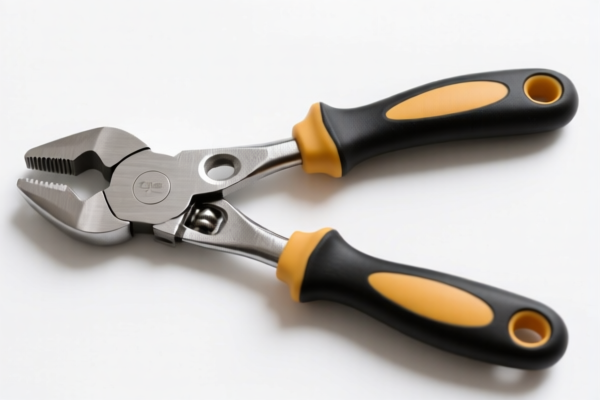


AI Analysis
🔧 Manual Tools (Hand Tools)
🌐 HS Code Reference & Customs Clearance Guide | 2026 Latest Tariff Analysis | Professional Clearance Strategy
📌 I. Product Definition & Classification: Do You Truly Understand "Manual Tools"?
"Manual Tools" is a broad category encompassing various handheld implements used to perform mechanical tasks. In international trade, specifically under Chapter 82 (Base Metal Tools, Implements, etc.), classification depends heavily on the specific shape, intended use, and material.
Unlike the previous example (Monitors), manual tools are not a single subheading. They are fragmented across various headings (8201, 8203, 8205, etc.). Misclassification here can lead to severe duty miscalculations, especially with current US-China trade tensions.
⚠️ Key Distinction Points: - Cutting Tools (Knives, Shears, Saw Blades): Often fall under 8203. - Hand Implements (Hammers, Wrenches, Screwdrivers): Often fall under 8205. - Agricultural/Garden Tools (Pruners, Spades): May fall under 8201 or 8205 depending on specific action. - Material Assumption: Unless specified as precious metal, these are generally classified as Iron or Steel (Base Metal).
📦 II. HS Code Classification Details (2026 Latest Authorized Matches)
Based on the provided data, the following HS Codes have been matched for "Manual Tools." Note that the total tax burden is significantly influenced by Section 301 (25%) and Section 122 (10%) additional tariffs for Chinese-origin goods.
| HS Code | Product Description & Match Logic | Total Tax Rate | Tax Breakdown |
|---|---|---|---|
| 8205.10.00.00 | Hand Tools (General) • Match: Perfect alignment with core use. • Logic: General-purpose manual tools (e.g., hammers, pliers, screwdrivers) not elsewhere specified. • Note: High tariff due to higher base rate. |
41.2% | Base: 6.2% + Sec 301: 25.0% + Sec 122: 10.0% |
| 8203.20.20.00 | Cutting Tools / Hand Tools • Match: Consistent with manual tool use. • Logic: No conflict in material or form. Likely refers to specific cutting implements (e.g., knives, shears) within 8203. • Note: Lower base rate reduces total impact. |
39.0% | Base: 4.0% + Sec 301: 25.0% + Sec 122: 10.0% |
| 8201.30.00.80 | Agricultural/Garden Hand Tools • Match: Fits horticultural/forestry manual tools. • Logic: "Catch-all" for agricultural hand tools (e.g., pruners, grafting knives) not elsewhere specified. • Note: Lowest Base Rate (0%) makes this the most tax-efficient if applicable. |
35.0% | Base: 0.0% + Sec 301: 25.0% + Sec 122: 10.0% |
| 8205.51.75.00 | Other Hand Tools • Match: Consistent with hand tool usage. • Logic: Inferred as metal-based based on common sense. Covers specific sub-types of hand tools not listed elsewhere. • Note: Moderate base rate. |
38.7% | Base: 3.7% + Sec 301: 25.0% + Sec 122: 10.0% |
| 8203.20.60.30 | Other Cutting Tools • Match: Highly matches "Hand Tools" in general description. • Logic: No material conflict; inferred as metal. Specific sub-category of cutting tools. • Note: Complex duty structure (Ad Valorem + Specific). |
12¢/doz. + 5.5% + 35.0% | Base: 12¢/doz. + 5.5% + Sec 301: 25.0% + Sec 122: 10.0% |
🔍 Critical Observation: - All entries include 25% Section 301 and 10% Section 122 tariffs. - The difference in total duty lies entirely in the Base Tariff (0% to 6.2%). - 8201.30.00.80 offers the best tax efficiency (35%) if the tool is agricultural/garden-related. - 8205.10.00.00 is the most expensive (41.2%) for general hardware.
💰 III. 2026 Latest Tariff Rate Details (Including Additional Duties)
✅ Applicable Country: United States (US) ✅ Origin: China (CN) ✅ Effective Time: Ongoing (Post-2025 updates)
🎯 1. General Hand Tools (8205.10.00.00)
| Item | Detail |
|---|---|
| Base Rate | 6.2% |
| Section 301 Duty | +25.0% (USITC Footnote 9903.88.01) |
| Section 122 Duty | +10.0% (IEEPA/Harvey Act related) |
| Total Effective Rate | 41.2% |
| Calculation | CIF Value × 41.2% |
| De Minimis Exemption | ❌ Not Eligible (High duty rates usually block $800 de minimis) |
🎯 2. Agricultural/Garden Hand Tools (8201.30.00.80)
| Item | Detail |
|---|---|
| Base Rate | 0.0% (Zero-rated base) |
| Section 301 Duty | +25.0% |
| Section 122 Duty | +10.0% |
| Total Effective Rate | 35.0% |
| Calculation | CIF Value × 35.0% |
| Strategy | Best Option for pruning, grafting, or gardening implements. |
🎯 3. Cutting Tools (8203.20.20.00)
| Item | Detail |
|---|---|
| Base Rate | 4.0% |
| Section 301 Duty | +25.0% |
| Section 122 Duty | +10.0% |
| Total Effective Rate | 39.0% |
| Calculation | CIF Value × 39.0% |
🎯 4. Specific Cutting Tools (8203.20.60.30)
| Item | Detail |
|---|---|
| Base Rate | 12¢/doz. + 5.5% (Mixed Specific/Ad Valorem) |
| Section 301 Duty | +25.0% |
| Section 122 Duty | +10.0% |
| Total Effective Rate | Complex (Volume-based) |
| Note | Ensure volume calculations are precise to avoid underpayment. |
🛠️ IV. Customs Clearance Practical Advice (Live Pitfall Avoidance)
✅ 1. Documentation Checklist (Non-Negotiable)
| Document | Required? | Purpose |
|---|---|---|
| ✅ Product Specs | ✔️ | Detailed description: "Hand-held," "No Power Source," "Steel/Iron." |
| ✅ Photos | ✔️ | Clear view of handles and working ends to prove "Manual" nature. |
| ✅ Material Composition | ✔️ | Confirm Base Metal (Iron/Steel). If stainless or aluminum, HS code changes. |
| ✅ Commercial Invoice | ✔️ | Must clearly state "Manual Tool" and NOT "Power Tool." |
| ✅ Packing List | ✔️ | Separate packaging details. Do not mix with batteries or power cords. |
✅ 2. Declaration Tips (The Golden Rules)
🔥 "Manual is Key, Power is Enemy. Specify Material, Avoid General 'Tool'."
| Scenario | Correct Declaration | Incorrect Declaration | Consequence |
|---|---|---|---|
| Standard Hammer | 8205.10.00.00 - "Iron Hammer, Manual" |
"Construction Tool" | Risk of re-classification + Penalty |
| Pruning Shears | 8201.30.00.80 - "Garden Pruners, Manual" |
"Hand Tool" | Missed 0% base rate savings (35% vs 41%) |
| Kitchen Knife | 8203.20.20.00 - "Cutting Tool, Manual" |
"Hardware" | Incorrect chapter; potential audit |
| Electric Screwdriver | NOT Manual (Chapter 85) | 8205.10.00.00 |
Severe Penalty: Misdeclaration of power source |
📌 Crucial Warning: - Do NOT declare electric/pneumatic tools as "Manual Tools." - If the tool has a battery, motor, or requires external power, it belongs in Chapter 85 or 84, not Chapter 82. - "Other" subheadings (e.g.,
8205.51.75.00) are used when no specific shape matches. Be precise with the product name to avoid being dumped into higher-tariff "Other" categories.
✅ 3. Special Circumstances
| Situation | Advice |
|---|---|
| Mixed Set (Hand + Power) | Declare separately. Do not bundle. Power tools destroy the "Manual" classification for the whole set. |
| Plastic Handles on Metal Tools | Still classified as Base Metal (Ch 82) if the metal constitutes the essential character. Provide material ratio if asked. |
| OEM Branding | Ensure the invoice lists the actual manufacturer or "OEM for [Brand]." Customs may verify origin. |
🌍 V. Global Market Comparison (2026)
| Region | Recommended HS Code | Est. Duty (China Origin) | Key Requirement | Note |
|---|---|---|---|---|
| 🇺🇸 USA | Varies (See Above) | 35% - 41.2% | Section 301 & 122 Apply | High Barriers. 301/122 add ~35% on top of base. |
| 🇨🇳 China | Varies | 0% - 6.2% | CE/RoHS (for export back) | No additional tariffs for import into China. |
| 🇪🇺 EU | 8205 / 8203 | 0% - 4.5% | CE Marking | No Section 301/122. Much lower duty burden. |
| 🇬🇧 UK | 8205 / 8203 | 0% - 4.5% | UKCA Mark | Post-Brexit tariff structures similar to EU. |
📌 Conclusion: - US Market is the most expensive for manual tools from China due to Section 301 (25%) + Section 122 (10%). - EU/UK offer significantly lower entry costs (~0-5% total), making them more attractive for margin-heavy goods. - Strategy: If targeting the US, optimize for 8201.30.00.80 (Garden/Agricultural) to save 6.2% on base duty, or consider supply chain diversification (Vietnam/Mexico) to avoid Section 301.
📌 VI. Common Mistakes & Pitfalls (Lessons Learned)
❌ Mistake 1: Declaring an "Electric Wrench" as 8205.10.00.00 (Manual Tool).
👉 Result: Illegal Misdeclaration. Customs will seize goods, charge double duties, and impose fines.
👉 Fix: Electric tools go to Chapter 85 or 84.
❌ Mistake 2: Using "Hardware" as the product name on the Invoice. 👉 Result: Customs Delay. Officers cannot determine the correct HS code. 👉 Fix: Use specific names: "Steel Hammer," "Garden Shears," "Pliers."
❌ Mistake 3: Ignoring the "Manual" requirement. 👉 Result: If the tool has any mechanical advantage beyond human hand (e.g., geared mechanisms), it might fall under 8467 or 8479. 👉 Fix: Verify if the tool is strictly hand-operated.
❌ Mistake 4: Assuming "Base Metal" includes Stainless Steel. 👉 Result: Stainless steel tools sometimes have different subheadings or duty rates in specific countries. 👉 Fix: Specify material: "Carbon Steel" vs. "Stainless Steel" in the description.
✅ Correct Declaration Example:
"Manual Hand Pliers, Carbon Steel Jaw, Plastic Coated Handles, Model XYZ, HS 8205.10.00.00"
🎯 VII. Conclusion: Precision in Declaration Saves Money!
🎯 Remember the Mantra:
🔹 "Manual is Key, Power is Out. Check the Base, 301 is True. 35% for Garden, 41% for General. Don't Guess, Be Special!" 🔹 "Base Metal Chapter 82, Avoid Electric Traps. 301 & 122 Bite, Classification is Tight!"
📌 Pro Tip: If your manual tools are originating from Vietnam, Thailand, or Mexico, you may be eligible for Section 301 Exclusions or lower tariffs under USMCA/FTAs.
🚀 Action: Apply for an Advance Ruling from CBP if importing high volumes to lock in the correct HS code and duty rate.
✨ Professional Clearance Starts with Precise Classification! 💼 Every Percentage Point Counts in the War on Tariffs!
Customer Reviews
About HS Code Classification
The Harmonized System (HS) is an internationally standardized nomenclature developed by the World Customs Organization (WCO) to classify traded products. Over 200 countries use the HS system as the basis for customs tariffs, trade statistics, and import/export regulations.
Each HS code follows a hierarchical structure:
- Chapter (2 digits) — Broad category of goods (e.g., Chapter 84: Machinery and Mechanical Appliances)
- Heading (4 digits) — More specific grouping within the chapter
- Subheading (6 digits) — Internationally standardized breakdown, used by all WCO member countries
- National subdivisions (8-10 digits) — Country-specific extensions for further classification, such as US HTSUS 10-digit codes
Correct HS code classification is essential for smooth customs clearance, accurate duty payment, and compliance with trade regulations. Misclassification can lead to customs delays, overpayment of duties, or penalties.
When importing from CN to US, the applicable tariff rates may include:
- Most-Favored-Nation (MFN) rate — The standard duty rate applied to WTO members
- General rate — Applied to countries without trade agreements
- Trade remedy duties — Additional tariffs such as Section 301 (anti-dumping), Section 232 (national security), or countervailing duties
The information provided on this page is for reference purposes only. For official classification, please consult with your local customs authority or a licensed customs broker.