maple wood raw material
CN → US| HS Code | Tariff Rate | Origin | Destination | Doc |
|---|---|---|---|---|
| 4401120000 | 35.0% | CN | US | Official Doc |
| 4403990160 | 35.0% | CN | US | Official Doc |
| 4407930020 | 35.0% | CN | US | Official Doc |
| 4421999880 | 38.3% | CN | US | Official Doc |
| 4421999400 | 35.0% | CN | US | Official Doc |
| 4407930010 | 35.0% | CN | US | Official Doc |
Product Images
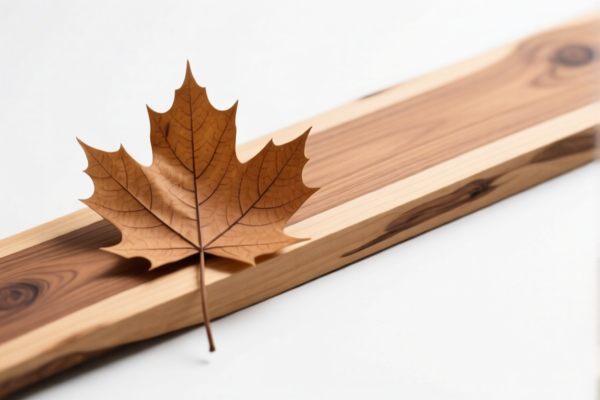
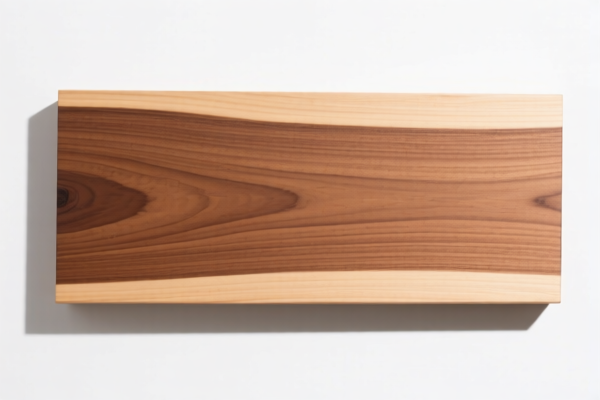
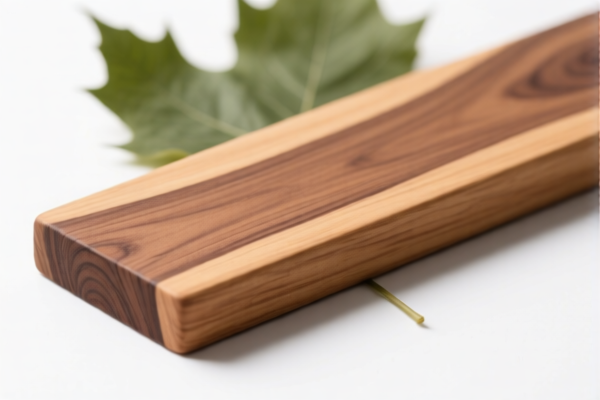
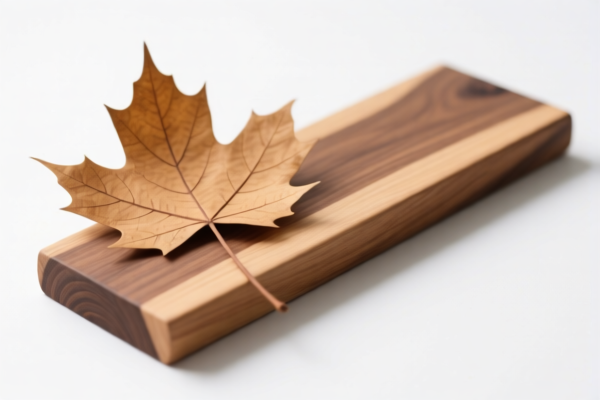
AI Analysis
🌳 Maple Wood Raw Material: HS Code Classification & Customs Clearance Strategy (US Market)
🌐 HS Code Reference & Clearance Guide | 2026 Latest Tariff Analysis | Professional Compliance Strategy
📌 I. Product Definition & Classification: Understanding "Maple Wood Raw Material"
Maple Wood is a widely used hardwood in furniture, flooring, and cabinetry. In international trade, its classification depends heavily on its physical form (logs, rough wood, sawn lumber, or finished articles) and processing level.
For the purpose of this analysis, we consider "Raw Material" to generally refer to: 1. Logs/Timber: Unprocessed or simply debarked wood. 2. Roughly Squared/Chopped: Wood that has been cut to length but not planed or shaped. 3. Sawn Wood: Wood sawn longitudinally, of a thickness exceeding 6mm. 4. Miscellaneous Wooden Articles: If the form is ambiguous or it’s a semi-finished product not fitting specific lumber codes.
⚠️ Key Distinction Point:
- If it is Fuel Wood (small logs, branches, etc. for combustion) → 4401.12.00.00
- If it is Rough Wood/Lumber (sawn, not planed) → 4403.99.01.60 or 4407.93.xx.x0
- If it is a General Wooden Article (unclear use/form) → 4421.99.xx.xx
📦 II. HS Code Classification Details (2026 Latest Tariff Reference)
The following table maps the provided HS Codes from the data to their specific definitions and tax implications for Maple Wood originating from China and importing into the USA.
| HS Code | Product Description & Summary | Applicable Scenario | Key Classification Logic |
|---|---|---|---|
4401.12.00.00 |
Fuel Wood, Non-Coniferous (Maple): Logs in their natural state, suitable for burning. | Firewood, biomass fuel, small diameter logs. | Fits the definition of non-coniferous fuel wood in raw form. |
4403.99.01.60 |
Other Wood, Roughly Squared or Simply Sawn: Includes maple logs/wood not further worked than chipped or roughly squared. | Rough timber, logs cut to length but not planed. | Maple is non-coniferous; "raw material" fits rough wood definition. |
4407.93.00.20 |
Wood Sawn Lengthwise, Thickness > 6mm: Maple wood, other than tropical, sawn but not planed. | Standard lumber, planks, boards >6mm thick. | Maple falls under "Other wood"; thickness >6mm triggers this subheading. |
4407.93.00.10 |
Wood Sawn Lengthwise (Other): Maple wood, other than tropical, sawn but not planed (generic other category). | Maple wood where specific sub-rules of .20 don't strictly apply. | Fallback for maple sawn wood not fitting .20 specifics. |
4421.99.98.80 |
Other Wooden Articles: General catch-all for wooden items not specified elsewhere. | Semi-finished parts, unclear form, or mixed wooden components. | Maple is wooden material; used as a "catch-all" when purpose is ambiguous. |
4421.99.94.00 |
Other Wooden Articles (Fallback): General catch-all for wooden items. | Similar to above, used when use/purpose is vague. | Applies "catch-all principle" for wooden products of uncertain end-use. |
🔍 Critical Note:
- Maple is a non-coniferous wood. Therefore, it does NOT fall under pine/spruce/fir codes (4401.11/4403.10/4407.10).
- Codes 4403 and 4407 are the primary targets for raw/semi-processed maple.
- Codes 4421 are only used if the item is not clearly lumber/fuel (e.g., vague wooden blocks).
💰 III. 2026 Latest Tariff Rate Breakdown (Including Surcharges)
✅ Destination Country: United States (US)
✅ Origin Country: China (CN)
✅ Effective Date: Tariffs apply to imports from China post-2025 policies.
🎯 1. 4401.12.00.00 – Fuel Wood, Non-Coniferous
| Item | Content |
|---|---|
| Base Tariff | 0.0% (ad valorem) |
| Section 301 Surcharge | +25.0% |
| IEEPA / 122-Clause Surcharge | +10.0% |
| Total Tax Rate | 35.0% |
| Calculation Basis | CIF Value × 35% |
| De Minimis Exemption | ❌ Not Eligible (Section 301 goods are generally excluded) |
| Legal Path | USITC:4401.12.00.00 → Section 301: 25% → IEEPA: 10% |
📌 Explanation:
- Although the base duty is 0%, the 35% total is significant.
- This code applies if the maple is intended for fuel or is in a form clearly recognizable as firewood/brush.
🎯 2. 4403.99.01.60 – Other Wood, Roughly Squared (Rough Timber)
| Item | Content |
|---|---|
| Base Tariff | 0.0% |
| Section 301 Surcharge | +25.0% |
| IEEPA / 122-Clause Surcharge | +10.0% |
| Total Tax Rate | 35.0% |
| Calculation Basis | CIF Value × 35% |
| De Minimis Exemption | ❌ Not Eligible |
| Legal Path | USITC:4403.99.01.60 → Section 301: 25% → IEEPA: 10% |
📌 Explanation:
- This is a common code for raw maple logs or roughly cut timber.
- "Roughly squared" means the wood has been cut to length but not planed smooth.
🎯 3. 4407.93.00.20 & 4407.93.00.10 – Sawn Wood, Thickness > 6mm
| Item | Content |
|---|---|
| Base Tariff | 0.0% |
| Section 301 Surcharge | +25.0% |
| IEEPA / 122-Clause Surcharge | +10.0% |
| Total Tax Rate | 35.0% |
| Calculation Basis | CIF Value × 35% |
| De Minimis Exemption | ❌ Not Eligible |
| Legal Path | USITC:4407.93.00.xx → Section 301: 25% → IEEPA: 10% |
📌 Explanation:
- These codes apply to lumber/planks of maple wood.
- The distinction between.10and.20often lies in specific industry definitions or sub-attributes of "other non-coniferous wood." Both carry the 35% total rate.
🎯 4. 4421.99.98.80 – Other Wooden Articles (Catch-All)
| Item | Content |
|---|---|
| Base Tariff | 3.3% |
| Section 301 Surcharge | +25.0% |
| IEEPA / 122-Clause Surcharge | +10.0% |
| Total Tax Rate | 38.3% |
| Calculation Basis | CIF Value × 38.3% |
| De Minimis Exemption | ❌ Not Eligible |
| Legal Path | USITC:4421.99.98.80 → Section 301: 25% → IEEPA: 10% |
📌 Explanation:
- Higher Risk Code: This code carries a 3.3% base tariff on top of surcharges, making it more expensive (38.3%) than raw wood codes (35%).
- Only use this if the product is clearly not fuel, not rough timber, and not standard lumber (e.g., vague wooden blocks, unfinished parts with unclear purpose).
🎯 5. 4421.99.94.00 – Other Wooden Articles (Fallback)
| Item | Content |
|---|---|
| Base Tariff | 0.0% |
| Section 301 Surcharge | +25.0% |
| IEEPA / 122-Clause Surcharge | +10.0% |
| Total Tax Rate | 35.0% |
| Calculation Basis | CIF Value × 35% |
| De Minimis Exemption | ❌ Not Eligible |
| Legal Path | USITC:4421.99.94.00 → Section 301: 25% → IEEPA: 10% |
📌 Explanation:
- Similar to.98.80but with a 0% base rate.
- Still subject to the 35% total.
- Used when the purpose of the maple wood article is ambiguous.
🛠️ IV. Customs Clearance Practical Advice (Pitfall Avoidance Guide)
✅ 1. Documentation Checklist (Mandatory)
| Document | Required | Description |
|---|---|---|
| ✅ Commercial Invoice | ✔️ | Must clearly state: "Maple Wood," "HS Code," "Country of Origin: China." |
| ✅ Packing List | ✔️ | Detail dimensions (L/W/H), thickness, and weight. Crucial for distinguishing lumber vs. fuel. |
| ✅ Phytosanitary Certificate | ✔️ | Mandatory for wood to prove freedom from pests. Issued by China Customs. |
| ✅ ISPM 15 Mark | ✔️ | If wood is packaging material (pallets/crates), it must be heat-treated and marked. |
| ✅ Product Description | ✔️ | Specifics: "Sawmill lumber, maple, rough-sawn, >6mm thickness" vs. "Firewood." |
| ✅ Bill of Lading | ✔️ | Consistent with invoice and packing list. |
✅ 2. Declaration Strategy (Key Tips)
🔥 "Be Specific: Fuel, Lumber, or Article? Ambiguity Increases Tax!"
| Scenario | Correct HS Code | Wrong Code | Consequence |
|---|---|---|---|
| Maple Logs for Firewood | 4401.12.00.00 |
4403.99.01.60 |
No tax difference (35%), but wrong description may cause inspection delays. |
| Raw Maple Logs/Rough Timber | 4403.99.01.60 |
4421.99.98.80 |
Risk of Higher Tax: .98.80 is 38.3% vs 35%. Also, incorrect classification. |
| Planed Sawn Lumber (>6mm) | 4407.93.00.20 |
4403.99.01.60 |
.20 is for sawn wood; .60 is for rough. Misdeclaration leads to penalties. |
| Unclear Wooden Maple Blocks | 4421.99.94.00 or 4421.99.98.80 |
4407.93.00.20 |
If not sawn lumber, using lumber code is incorrect. Choose the correct 4421 subcode. |
✅ 3. Special Considerations
| Issue | Handling Advice |
|---|---|
| Pest Control | Maple wood is susceptible to borers. ISPM 15 compliance is critical. Missing marks = Refusal/Quarantine. |
| Thickness Verification | For 4407 codes, thickness must be >6mm. If <6mm, it may fall under different categories (e.g., wood veneers, 4408). |
| "Raw Material" Ambiguity | If the wood is partially processed (e.g., sanded but not planed), classify as Lumber (4407) not Rough Wood (4403) if it meets sawn criteria. |
| Base Tariff Difference | Note that 4421.99.98.80 has a 3.3% base tariff, while others are 0%. Always prefer 4403/4407 if applicable to save 3.3%. |
🌍 V. Global Market Comparison (2026)
| Country/Region | Recommended HS Code | Base Tariff | Total Rate (China Origin) | Notes |
|---|---|---|---|---|
| 🇺🇸 USA | 4403.99.01.60 / 4407.93.00.20 |
0% | 35% | High surcharges apply. |
| 🇺🇸 USA (Fuel) | 4401.12.00.00 |
0% | 35% | Same rate, different code. |
| 🇨🇳 China | 4403.99.01.60 |
~5-10%* | Low | Exporting FROM China to elsewhere? (Note: Data focuses on US import). |
| 🇪🇺 EU | 4403.99 / 4407.93 |
0% | 0% | No Section 301 tariffs. Only base EU duty (often 0% for wood). |
| 🇲🇽 Mexico | 4403.99.01.60 |
0% | 0% | USMCA benefits may apply if processed in North America. |
📌 Conclusion:
- USA is the most expensive market due to 35% effective rate (25% Section 301 + 10% IEEPA).
- EU and Mexico offer significantly lower tariffs, but origin rules are stricter.
📌 VI. Common Mistakes & Pitfalls (Lessons Learned)
❌ Mistake 1: Classifying Lumber as Fuel Wood to avoid penalties.
👉 Risk: Customs may inspect and reclassify, leading to back taxes + penalties.
❌ Mistake 2: Using 4421.99.98.80 for Standard Lumber.
👉 Result: Paying 38.3% instead of 35%. Unnecessary cost increase.
❌ Mistake 3: Ignoring ISPM 15 for packaging.
👉 Result: Shipment rejected or destroyed at US port.
❌ Mistake 4: Vague description: "Wooden Parts."
👉 Result: Customs may assign a higher tariff code or require pre-classification ruling.
✅ Correct Practice:
"Maple Wood, Roughly Squared Logs, HS Code 4403.99.01.60, ISPM 15 Compliant, Origin: China"
🎯 VII. Conclusion: Precise Classification Saves Money
🎯 Remember:
🔹 "Fuel vs. Lumber vs. Article: Choose Wisely!"
🔹 "35% is the Standard; 38.3% is the Trap!"
🔹 "ISPM 15 is Non-Negotiable for Wood!"
📌 Pro Tip:
- If your maple wood is not from China (e.g., from Canada or Russia), the 25% Section 301 surcharge does NOT apply.
- Canada: Total Rate ~0-10% (Base duty only).
- Russia: May face sanctions-related restrictions.
📣 Immediate Action:
📞 Consult a licensed US customs broker.
📄 Provide detailed product photos and specifications.
🚀 Ensure ISPM 15 marking on all wooden packaging.
✨ Professional clearance starts with accurate classification!
💼 Save 3.3% and avoid delays by choosing the right HS Code!
Customer Reviews
About HS Code Classification
The Harmonized System (HS) is an internationally standardized nomenclature developed by the World Customs Organization (WCO) to classify traded products. Over 200 countries use the HS system as the basis for customs tariffs, trade statistics, and import/export regulations.
Each HS code follows a hierarchical structure:
- Chapter (2 digits) — Broad category of goods (e.g., Chapter 84: Machinery and Mechanical Appliances)
- Heading (4 digits) — More specific grouping within the chapter
- Subheading (6 digits) — Internationally standardized breakdown, used by all WCO member countries
- National subdivisions (8-10 digits) — Country-specific extensions for further classification, such as US HTSUS 10-digit codes
Correct HS code classification is essential for smooth customs clearance, accurate duty payment, and compliance with trade regulations. Misclassification can lead to customs delays, overpayment of duties, or penalties.
When importing from CN to US, the applicable tariff rates may include:
- Most-Favored-Nation (MFN) rate — The standard duty rate applied to WTO members
- General rate — Applied to countries without trade agreements
- Trade remedy duties — Additional tariffs such as Section 301 (anti-dumping), Section 232 (national security), or countervailing duties
The information provided on this page is for reference purposes only. For official classification, please consult with your local customs authority or a licensed customs broker.