massage sheet set
CN → US| HS Code | Tariff Rate | Origin | Destination | Doc |
|---|---|---|---|---|
| 3926209010 | 40.0% | CN | US | Official Doc |
| 3926909989 | 22.8% | CN | US | Official Doc |
| 6302319020 | 24.2% | CN | US | Official Doc |
| 6302322040 | 21.4% | CN | US | Official Doc |
| 9404902090 | 23.5% | CN | US | Official Doc |
| 9404909670 | 17.3% | CN | US | Official Doc |
Product Images
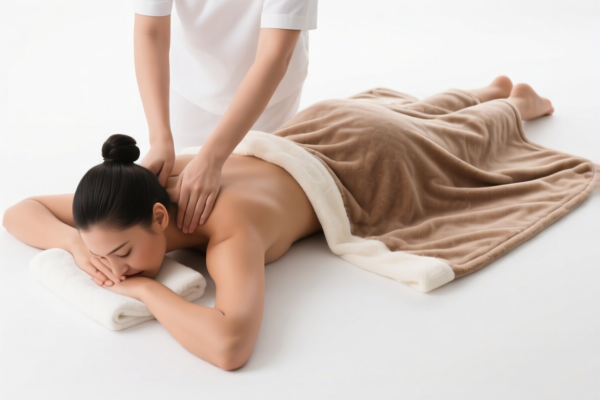


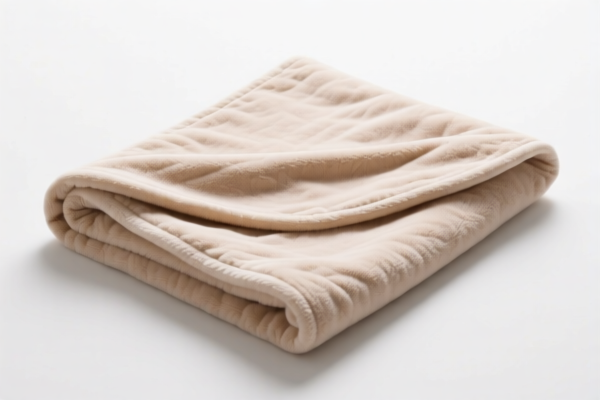
AI Analysis
🛌 Massage Sheet Set: The Ultimate Guide to HS Code Classification & US Customs Clearance (2026)
🌐 HS Code Reference & Customs Clearance Strategy | 2026 Latest Tariff Analysis | Professional Compliance Guide
📌 1. Product Definition: What Exactly is a "Massage Sheet Set"?
A "Massage Sheet Set" typically refers to linen items (sheets, pillowcases, fitted sheets) made from textiles (cotton, synthetic fibers) or plastic articles (if referring to waterproof/padded underpads or specific therapeutic plastic mats).
In international trade, these goods fall into two main categories based on material composition: 1. Textile Bed Linen (Most common): Made of cotton, man-made fibers, etc. 2. Plastic/Plastic-Composite Articles: If the "sheet" is primarily plastic (e.g., waterproof therapeutic mats, plastic underpads not classified elsewhere).
⚠️ Critical Distinction:
- If it is fabric (woven/knitted) → Classify under Chapter 63 (Bed Linen).
- If it is plastic (rigid or flexible sheets/mats) → Classify under Chapter 39 (Articles of Plastics).
- Note: Pure "massage accessories" (like stones, rollers) would be Chapter 95 or 90, but "sheets" are almost always 63 or 39.
📦 2. HS Code Classification Matrix (2026 Official Data)
Based on the provided <DATA>, here are the exact HS codes and tax details for Massage Sheet Sets. We have filtered out non-relevant codes (like generic plastic parts or non-textile bedding) and focused on the applicable items.
| HS Code | Product Description | Material | Application | Applicable Tax Rate (US/CN) |
|---|---|---|---|---|
| 6302.31.90.20 | Other bed linen: Of cotton: Other: Not napped Sheets (361) | 100% Cotton | Standard cotton bed sheets used in massage therapy or spa settings. | 0.0% (Base: 0%, Additional: 0%) |
| 6302.32.20.40 | Other bed linen: Of man-made fibers: Other Sheets: Not napped (666) | Polyester/Rayon | Synthetic fiber sheets, common in affordable massage therapy linens. | 0.0% (Base: 0%, Additional: 0%) |
| 3926.20.90.10 | Articles of apparel and clothing accessories: Other: Other Aprons | Plastics | ⚠️ Rare Case: If "Massage Sheet" is actually a plastic protective apron/cover (not a traditional sheet). | 0.0% (Base: 0%, Additional: 0%) |
| 3926.90.99.89 | Other articles of plastics: Other: Other Other | Plastics | ⚠️ Catch-All: Generic plastic therapeutic mats, non-apron plastic sheeting not classified elsewhere. | 12.8% (Base: 5.3%, Additional: 7.5%) |
| 9404.90.20.90 | Articles of bedding: Pillows, cushions and similar furnishings | Textile/Plastic Core | ❌ Excluded: Only if the item is a pillow/cushion with stuffing, not a sheet. | 0.0% |
| 9404.90.96.70 | Articles of bedding: Other | Textile/Plastic Core | ❌ Excluded: Generic bedding accessories not fitting other specific codes. | 0.0% |
🔍 Key Insight:
- Textile Sheets (Cotton/Synthetic): 0% Total Tax. This is the most common and cost-effective classification for massage bed sheets.
- Plastic Sheets/Mats:
- If classified as Aprons (3926.20.90.10) → 0% Tax.
- If classified as General Plastic Articles (3926.90.99.89) → 12.8% Tax.
- Avoid: Do not classify standard flat sheets as "Pillows/Cushions" (9404) just because they are used in a spa; customs requires accurate material/functional definition.
💰 3. Tax Rate Breakdown (Detailed Explanation)
🎯 A. Textile Bed Linen (HS Code 6302.31.90.20 & 6302.32.20.40)
- Total Tax: 0.0%
- Breakdown:
- Base Tariff: 0.0%
- Additional Tariff (Section 301/IEEPA): 0.0%
- Explanation:
Bed linen made of cotton or man-made fibers is generally exempt from additional tariffs under current US trade policies for China-origin goods. This makes textile massage sheets highly competitive in pricing.
🎯 B. Plastic Protective Aprons/Covers (HS Code 3926.20.90.10)
- Total Tax: 0.0%
- Breakdown:
- Base Tariff: 0.0%
- Additional Tariff: 0.0%
- Explanation:
If your "massage sheet" is a plastic protective cover (often used in salons to protect furniture or clients), it may be classified as an "article of apparel/clothing accessory" (apron) under plastics. This also enjoys 0% total tax.
🎯 C. General Plastic Mats/Sheets (HS Code 3926.90.99.89)
- Total Tax: 12.8%
- Breakdown:
- Base Tariff: 5.3%
- Additional Tariff (Section 301): 7.5%
- Explanation:
If the product is a rigid or flexible plastic therapeutic mat (not an apron) and does not fit other specific plastic categories, it falls into the "Other" bucket. This incurs a 12.8% total duty. This is significantly higher than textile options.
🛠️ 4. Customs Clearance Recommendations (Strategic Advice)
✅ 1. Material Declaration is Critical
- For Textile Sheets: Clearly state "100% Cotton Woven Sheet" or "Polyester Blend Sheet". Use HS Code 6302.31.90.20 or 6302.32.20.40.
- Benefit: 0% Tax.
-
Risk: If customs misclassifies as "Plastic" due to poor documentation, you may face 12.8% duty + penalties.
-
For Plastic Covers: If it is a flexible plastic cover used like an apron, declare as "Plastic Protective Apron" with HS Code 3926.20.90.10.
- Benefit: 0% Tax.
-
Risk: If declared as "Plastic Mat" (3926.90.99.89), you pay 12.8%.
-
For Plastic Mats: If it is a rigid massage mat, you must accept 12.8% Tax (HS Code 3926.90.99.89). No easy workaround unless it can be argued as a "gym accessory" (Chapter 95), but that requires strong functional evidence.
✅ 2. Documentation Checklist
| Document | Required For | Notes |
|---|---|---|
| Commercial Invoice | All | Must specify material (Cotton vs. Plastic) and product type (Sheet vs. Apron). |
| Product Description | All | Use precise terms: "Cotton Spa Bed Sheet" or "Plastic Salon Apron". Avoid vague "Massage Sheet". |
| Material Composition Statement | Textile/Plastic | Confirm fiber content (e.g., "100% Cotton") to support 6302 classification. |
| Photos | All | Show the product in context. For plastic items, show it being used as a cover/apron to support 3926.20.90.10. |
| Harmonized Tariff Schedule (HTS) Reference | All | Include the HS Code on the invoice for clarity. |
✅ 3. Common Pitfalls to Avoid
- ❌ Pitfall 1: Calling a plastic mat a "sheet" but declaring it as textile (6302).
→ Result: Customs inspection will reject it, demand reclassification, and charge 12.8% + penalties. - ❌ Pitfall 2: Declaring a cotton sheet as "plastic accessory" (3926.90.99.89).
→ Result: Overpaying 12.8% tax unnecessarily. - ❌ Pitfall 3: Not distinguishing between "Aporn" and "Mat" for plastic items.
→ Result: Misclassification risk. If it’s a flat plastic piece with a neck hole/straps, it’s an apron (0%). If it’s a flat rectangular mat, it’s other plastic (12.8%).
🌍 5. Global Market Comparison (2026)
| Market | Recommended HS Code | Tax Rate (China Origin) | Key Requirement |
|---|---|---|---|
| 🇺🇸 USA | 6302.31.90.20 (Cotton) | 0% | Clear material declaration; FTC labeling for fiber content. |
| 🇺🇸 USA | 3926.20.90.10 (Plastic Apron) | 0% | Must resemble an apron (cover the body). |
| 🇺🇸 USA | 3926.90.99.89 (Plastic Mat) | 12.8% | No exemption; budget for higher duties. |
| 🇪🇺 EU | 6302.31 (Cotton) | ~9% (Standard MFN) | CE marking not required for textile, but REACH for dyes. |
| 🇬🇧 UK | 6302.31 (Cotton) | ~9% | Post-Brexit rules apply; check UK Trade Tariff. |
| 🇨🇳 China | 6302.31 (Cotton) | 0% (Import to China) | If importing textiles into China, rates vary; usually low for basic linens. |
📌 Conclusion:
- For US Importers: Prioritize Cotton/Man-made Fiber Sheets (6302) or Plastic Aprons (3926.20.90.10) for 0% duty.
- Avoid generic plastic mats (3926.90.99.89) unless you can absorb the 12.8% cost.
- Always match the physical product to the HS Code definition. A "sheet" that is actually a plastic mat will be penalized if misclassified as textile.
📌 6. Action Plan for Importers
- Identify Material: Is it Cotton, Polyester, or Plastic?
- Identify Function/Shape: Is it a flat sheet, a pillow, or an apron-like cover?
- Select HS Code:
- Cotton Sheet → 6302.31.90.20
- Synthetic Sheet → 6302.32.20.40
- Plastic Apron/Cover → 3926.20.90.10
- Plastic Mat → 3926.90.99.89
- Declare Accurately: Use the exact HS Code and description on the Commercial Invoice.
- Verify with Customs Broker: If unsure, apply for a Binding Ruling from US Customs (CBP) to confirm classification before shipment.
🎯 Final Tip:
"Textile is Tax-Free, Plastic Apron is Tax-Free, But Plastic Mats Cost 12.8%!"
Choose your material and description wisely to maximize profit margins.
✨ Professional Customs Compliance Starts with Accurate Classification!
💼 Don’t let a 12.8% tariff eat your margin. Classify correctly!
Customer Reviews
About HS Code Classification
The Harmonized System (HS) is an internationally standardized nomenclature developed by the World Customs Organization (WCO) to classify traded products. Over 200 countries use the HS system as the basis for customs tariffs, trade statistics, and import/export regulations.
Each HS code follows a hierarchical structure:
- Chapter (2 digits) — Broad category of goods (e.g., Chapter 84: Machinery and Mechanical Appliances)
- Heading (4 digits) — More specific grouping within the chapter
- Subheading (6 digits) — Internationally standardized breakdown, used by all WCO member countries
- National subdivisions (8-10 digits) — Country-specific extensions for further classification, such as US HTSUS 10-digit codes
Correct HS code classification is essential for smooth customs clearance, accurate duty payment, and compliance with trade regulations. Misclassification can lead to customs delays, overpayment of duties, or penalties.
When importing from CN to US, the applicable tariff rates may include:
- Most-Favored-Nation (MFN) rate — The standard duty rate applied to WTO members
- General rate — Applied to countries without trade agreements
- Trade remedy duties — Additional tariffs such as Section 301 (anti-dumping), Section 232 (national security), or countervailing duties
The information provided on this page is for reference purposes only. For official classification, please consult with your local customs authority or a licensed customs broker.