massage vibrator
CN → US| HS Code | Tariff Rate | Origin | Destination | Doc |
|---|---|---|---|---|
| 9019102020 | 10.0% | CN | US | Official Doc |
| 9019102050 | 10.0% | CN | US | Official Doc |
| 8479899595 | 37.5% | CN | US | Official Doc |
| 8543708500 | 35.0% | CN | US | Official Doc |
| 9019102010 | 10.0% | CN | US | Official Doc |
Product Images
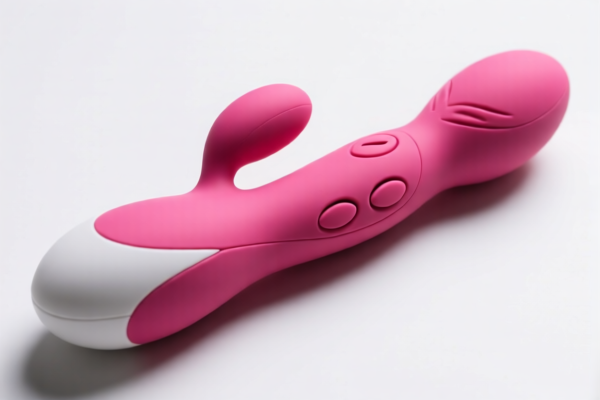
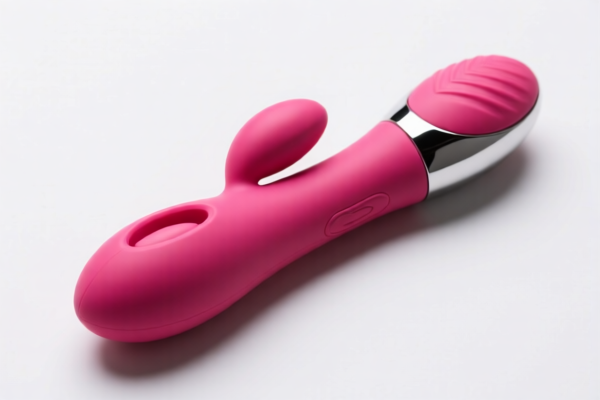
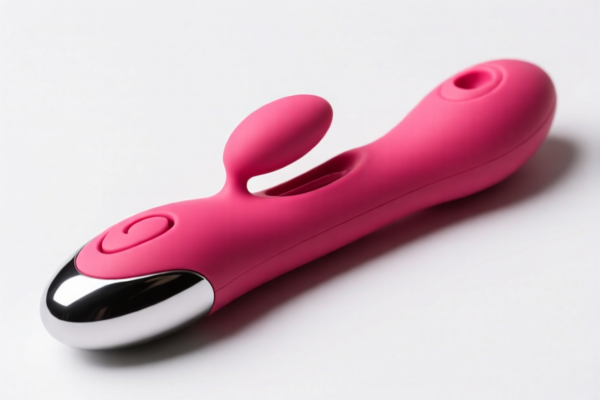
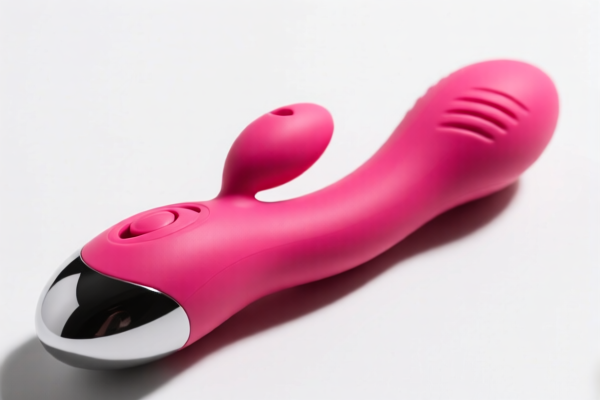
AI Analysis
💆♂️ Massage Vibrator (Massagers & Vibration Apparatus)
🌐 HS Code Reference & Customs Clearance Guide | 2026 Latest Tariff Analysis | Professional-Level Compliance Strategy
📌 Part 1: Product Definition & Classification: Do You Really Know What a "Massage Vibrator" Is?
The term "Massage Vibrator" is a broad category covering various devices used for therapeutic, industrial, or personal use. In international trade, precise classification depends entirely on the power source, application, and technical nature of the device. Misclassification can lead to massive tax discrepancies (ranging from 10% to 37.5%).
There are three distinct categories based on the provided data: 1. Therapeutic/Personal Massagers: Handheld or stationary devices for muscle relief. 2. Industrial Vibration Machines: Heavy-duty machinery for manufacturing processes. 3. Electrical Nerve Stimulators: Medical-grade or bio-feedback devices using electrical impulses.
⚠️ Key Distinction Point:
- If it is a mechanical/physical massager (no complex electronics) → HS 9019.10.20.xx (10% Tax)
- If it is an industrial mechanical shaker → HS 8479.89.95.95 (37.5% Tax)
- If it is an electrical nerve stimulator → HS 8543.70.85.00 (35.0% Tax)
📦 Part 2: HS Code Classification Details (2026 Latest Tariff Authority Comparison)
| HS Code | Product Description | Application Scenario | Tax Rate | Material/Power Conflict? |
|---|---|---|---|---|
9019.10.20.20 |
Massager, intended for massage instruments, no power source or form conflict | Personal hand-held massagers, simple mechanical shakers | 10.0% | ❌ None |
9019.10.20.50 |
Massager or vibrator, intended for massage apparatus, belongs to other categories, no material conflict | General purpose massage devices, non-medical vibrators | 10.0% | ❌ None |
8479.89.95.95 |
Vibrator, intended for industrial vibration, belongs to mechanical appliances category, no material conflict | Industrial compactors, vibrating screens, heavy machinery parts | 37.5% | ❌ None |
8543.70.85.00 |
Vibrator, intended for electrical nerve stimulation equipment, possesses electrical drive attributes, no material conflict | EMS/TENS devices, bio-electrical nerve stimulators | 35.0% | ❌ None |
9019.10.20.10 |
Vibrator, belongs to the category of mechanical therapy and massage equipment, functional attribute consistency, no material conflict | Therapeutic massage devices, mechanical therapy tools | 10.0% | ❌ None |
🔍 Key Reminder:
- Personal/Therapeutic Massagers (HS9019.10.20.xx) have the lowest tax rate (10%).
- Industrial (8479) and Electrical Medical (8543) devices face significantly higher tariffs (35%-37.5%).
- Ensure your product description matches the actual function. Calling an industrial shaker a "massage tool" to get 10% tax will be flagged as fraud.
💰 Part 3: 2026 Latest Tariff Rate Breakdown (Including Surtaxes & Policy Additions)
✅ Applicable Country: United States (US)
✅ Origin: China (CN)
✅ Effective Date: From Nov 10, 2025 (including subsequent imports)
🎯 1. 9019.10.20.10 / 9019.10.20.20 / 9019.10.20.50 — Therapeutic & Personal Massagers
These codes fall under the same tax structure because they are considered consumer/therapeutic goods with specific exclusions from higher industrial surtaxes.
| Item | Content |
|---|---|
| Base Tariff | 0% (ad valorem) |
| Section 301 Surtax (USITC) | 0% (Exempt from the heavy 25% industrial tariff) |
| Section 122 Tariff | +10% (Specific provision for this category) |
| Total Tax Rate | 10.0% |
| Tax Calculation | CIF Value × 10% |
| De Minimis Exemption | ❌ Not Applicable (Standard trade rules apply) |
| Legal Basis Path | HS:9019.10.20.xx → Section 122:10% |
📌 Explanation:
- These massagers benefit from 0% Section 301 tariffs. This is a significant advantage over industrial machinery.
- The 10% total rate comes solely from Section 122.
- Crucial: The description must clearly state "Massage Apparatus" or "Mechanical Therapy" to qualify. Do not include "Electrical Nerve Stimulator" if it lacks electrical pulse capabilities.
🎯 2. 8479.89.95.95 — Industrial Vibration Machines
| Item | Content |
|---|---|
| Base Tariff | 2.5% |
| Section 301 Surtax (USITC) | +25% (From USITC Footnote for Mechanical Appliances) |
| Section 122 Tariff | +10% |
| Total Tax Rate | 37.5% |
| Tax Calculation | CIF Value × 37.5% |
| De Minimis Exemption | ❌ Not Applicable |
| Legal Basis Path | HS:8479.89.95.95 → Section 301:25% → Section 122:10% → Base:2.5% |
📌 Warning:
- This is the highest tax category in the dataset.
- Applies only to industrial mechanical vibrators. If your "vibrator" is a handheld massager, DO NOT use this code. It will result in a 27.5% overpayment (37.5% - 10%).
🎯 3. 8543.70.85.00 — Electrical Nerve Stimulators
| Item | Content |
|---|---|
| Base Tariff | 0% |
| Section 301 Surtax (USITC) | +25% (Electrical/Medical Equipment Surtax) |
| Section 122 Tariff | +10% |
| Total Tax Rate | 35.0% |
| Tax Calculation | CIF Value × 35.0% |
| De Minimis Exemption | ❌ Not Applicable |
| Legal Basis Path | HS:8543.70.85.00 → Section 301:25% → Section 122:10% → Base:0% |
📌 Note:
- Applies to devices that use electrical currents to stimulate nerves (EMS/TENS).
- Even though the base tariff is 0%, the 25% Section 301 surtax drastically increases the cost.
- Must provide proof of "electrical drive attributes" and "nerve stimulation" function.
🛠️ Part 4: Customs Clearance Practical Advice (Real-World Pitfall Avoidance Guide)
✅ 1. Documentation Checklist (Non-Negotiable)
| Document | Mandatory? | Description |
|---|---|---|
| ✅ Product Spec Sheet | ✔️ | Must clearly state: Function (Massage vs. Industrial vs. Nerve Stim), Power Source (Manual/Air/Electric), and Intended Use. |
| ✅ Technical Diagram | ✔️ | Show internal structure. Is there a motor? Is there an electrical circuit for nerve stimulation? |
| ✅ Product Photos | ✔️ | Clear images of the device, label, and power adapter (if any). |
| ✅ Commercial Invoice | ✔️ | Exact Name Match: Use "Massage Apparatus" for 9019, "Industrial Vibrator" for 8479, etc. |
| ✅ Certificate of Origin | ✔️ | Required for Section 122 and 301 verification. |
✅ 2. Declaration Strategy (Key Mantra)
🔥 "Function Determines Code, Code Determines Cost!"
| Scenario | Correct HS Code | Risk if Incorrect |
|---|---|---|
| Handheld massage gun/tool | 9019.10.20.20 or 9019.10.20.50 (10%) |
❌ Wrong code → 35-37.5% Tax + Penalties |
| Industrial vibrating compactor | 8479.89.95.95 (37.5%) |
❌ Wrong code → Underpayment penalty |
| EMS/TENS Nerve Stimulator | 8543.70.85.00 (35%) |
❌ Wrong code → Regulated as medical device? |
| Generic "Vibrator" (Unspecified) | RISKY | ❌ Customs may default to 8479 or 9019 based on ambiguity, leading to delays |
📌 Pro Tip:
- Always specify "Mechanical Massage" or "Therapeutic Massager" in the description to secure the 10% rate.
- Avoid vague terms like "Body Shaper" or "Toner" without clarifying the mechanism.
✅ 3. Special Case Handling
| Case | Handling Advice |
|---|---|
| OEM Private Label | Provide client order + design specs to prove it is a standard massage apparatus, not industrial. |
| Combined Packages | If sold as a "Kit" (Massager + Power Adapter + Stand), declare as one item under the main apparatus HS Code. Do not split components. |
| Electrical vs. Non-Electrical | If the device has a motor but no electrical nerve stimulation, it is likely 9019. If it has electrodes and pulses, it is 8543. |
🌍 Part 5: Global Market Comparison (2026 Update)
| Country/Region | Recommended HS Code | Tax Rate | Key Certification | Note |
|---|---|---|---|---|
| 🇺🇸 USA | 9019.10.20.xx |
10% | FCC/UL (if electric) | Highest savings if correctly classified as massager |
| 🇨🇳 China | 9019.10.20.xx |
~10-13% | CCC | Lower entry barrier |
| 🇪🇺 EU | 9019.10.xx |
~0-4.5% | CE/RoHS | No Section 301 surtaxes |
| 🇬🇧 UK | 9019.10.xx |
~0-4.5% | UKCA | Post-Brexit rules apply |
| 🇦🇺 Australia | 9019.10.xx |
~5% | RCM | Competitive market |
📌 Conclusion:
- The 10% US tariff for massage apparatus is highly competitive compared to industrial or electrical medical devices.
- Ensure strict adherence to the definition of "Massage Apparatus" to avoid the 25-30% penalty of misclassification.
📌 Part 6: Common Mistakes & Pitfall Guide (Lessons Learned)
❌ Mistake 1: Declaring an Industrial Vibrator as a Massager
👉 Consequence: Customs audit reveals industrial specs → Back taxes + 25% Section 301 surtax applied retroactively.
❌ Mistake 2: Declaring an EMS Nerve Stimulator as a Massager
👉 Consequence: Medical device regulation triggers → Product detained, FDA investigation, tax rate jumps from 10% to 35%.
❌ Mistake 3: Vague Description "Vibrating Tool"
👉 Consequence: Customs officer may classify under 8479 (Industrial) by default → 37.5% Tax.
✅ Correct Action:
"Electric Massage Gun, Therapeutic Percussion Massager, For Muscle Relief, Model XYZ, UL Listed"
(Use words like "Therapeutic," "Muscle Relief," "Massage" to anchor9019)
🎯 Part 7: Conclusion: Professional Declaration, Cost Savings, Risk Reduction
🎯 Remember the Mantra:
🔹 "If it massages muscles → 9019 (10%)!"
🔹 "If it stimulates nerves → 8543 (35%)!"
🔹 "If it shakes industry → 8479 (37.5%)!"
🔹 "One wrong code, tens of thousands lost!"
📌 Tip:
If your product is a hybrid (e.g., heat + massage + vibration), ensure the primary function is massage. Provide medical/therapeutic claims documentation if possible to support the 9019 classification.
📣 Immediate Action:
📞 Contact a licensed customs broker + Provide detailed product specs + Apply for an Advance Ruling (APA) if volume is high.
🚀 Clear customs smoothly, maximize profit, and stay compliant!
✨ Professional Customs Clearance Starts with Accurate Classification!
💼 Every cent of tax is worth calculating precisely!
Customer Reviews
About HS Code Classification
The Harmonized System (HS) is an internationally standardized nomenclature developed by the World Customs Organization (WCO) to classify traded products. Over 200 countries use the HS system as the basis for customs tariffs, trade statistics, and import/export regulations.
Each HS code follows a hierarchical structure:
- Chapter (2 digits) — Broad category of goods (e.g., Chapter 84: Machinery and Mechanical Appliances)
- Heading (4 digits) — More specific grouping within the chapter
- Subheading (6 digits) — Internationally standardized breakdown, used by all WCO member countries
- National subdivisions (8-10 digits) — Country-specific extensions for further classification, such as US HTSUS 10-digit codes
Correct HS code classification is essential for smooth customs clearance, accurate duty payment, and compliance with trade regulations. Misclassification can lead to customs delays, overpayment of duties, or penalties.
When importing from CN to US, the applicable tariff rates may include:
- Most-Favored-Nation (MFN) rate — The standard duty rate applied to WTO members
- General rate — Applied to countries without trade agreements
- Trade remedy duties — Additional tariffs such as Section 301 (anti-dumping), Section 232 (national security), or countervailing duties
The information provided on this page is for reference purposes only. For official classification, please consult with your local customs authority or a licensed customs broker.