massager device
CN → US| HS Code | Tariff Rate | Origin | Destination | Doc |
|---|---|---|---|---|
| 9019102050 | 10.0% | CN | US | Official Doc |
| 9019102020 | 10.0% | CN | US | Official Doc |
| 8509801000 | 10.0% | CN | US | Official Doc |
| 8509805095 | 14.2% | CN | US | Official Doc |
| 9506910030 | 22.1% | CN | US | Official Doc |
Product Images
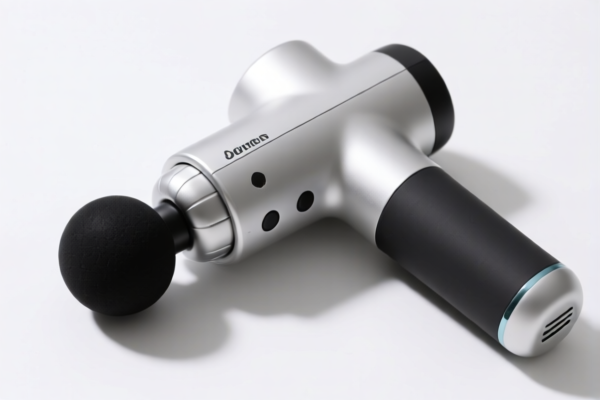
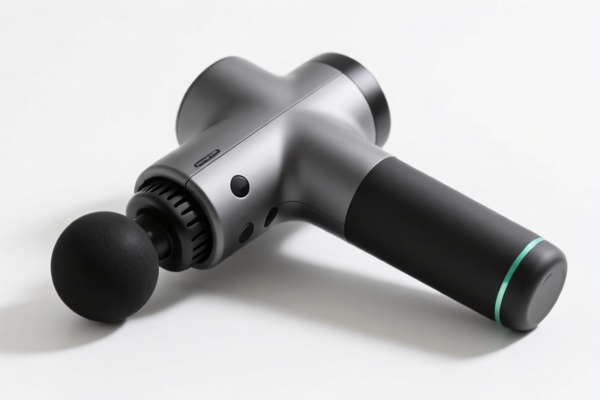
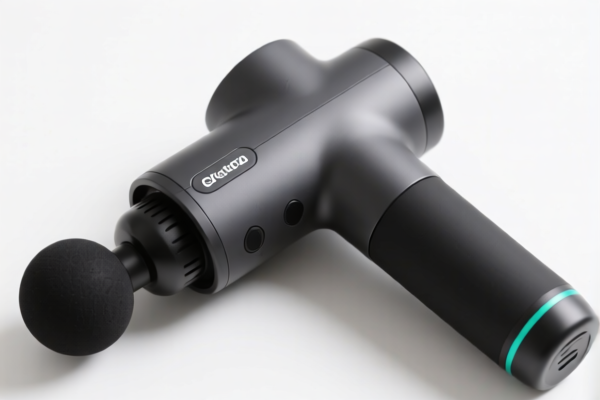
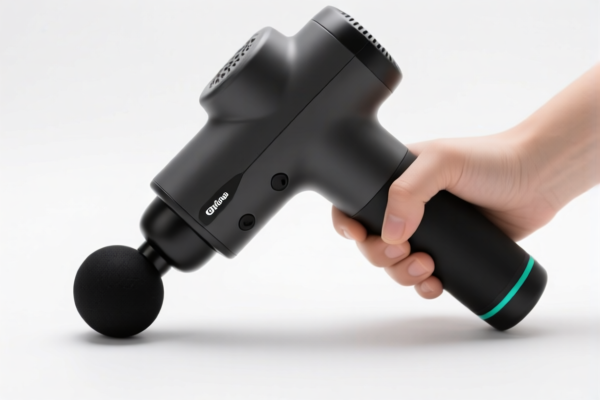
AI Analysis
🧖♀️ Massager Devices (Massager Instrumentation & Appliances)
🌐 HS Code Reference & Customs Clearance Guide | 2026 Latest Tariff Analysis | Professional Clearance Strategy
📌 Part I: Product Definition & Classification: What Exactly is a "Massager"?
A Massager Device is broadly defined as any apparatus used for massage purposes. In international trade and customs classification, these devices are scattered across different chapters depending on their power source, material, and specific function. There is no single HS Code for "Massager." Misclassification is the #1 cause of customs delays for this product category.
⚠️ Key Classification Distinction:
- Medical/Therapeutic Electric Appliances: Often fall under Chapter 90 (Medical Instruments) or Chapter 85 (Electrical Machinery).
- Physical Therapy Equipment: If designed specifically for medical rehabilitation, it may fall under 9019.
- Household Electric Appliances: If marketed as a general wellness/household item, it may fall under 8509.
- Sports/Recreational Items: If made of foam or rubber and used for sports recovery, it may fall under Chapter 95.
📦 Part II: HS Code Classification Details (2026 Latest Tariff Authority Mapping)
Based on the provided data, here are the 5 specific HS Codes relevant to massager devices, along with their precise descriptions and tax implications.
| HS Code | Product Description & Summary | Key Attribute | Total Tax Rate (China Origin) |
|---|---|---|---|
| 9019.10.20.50 | Massager, for therapeutic purposes, not specified further. | Medical/Therapeutic Focus. Fits "other headings" but clearly for massage. | 10.0% |
| 9019.10.20.20 | Massager Instrument, power source not specified. | Instrumentation/Deduction. Fallback for massagers not clearly defined elsewhere. | 10.0% |
| 8509.80.10.00 | Electric Household Massager. Fits "Electric Mechanical Appliances." | Household Electrical. Powered, used in home settings. | 10.0% |
| 8509.80.50.95 | Household Electric Massager (Other). | Household Electrical (General). No material/shape conflict. | 14.2% |
| 9506.91.00.30 | Foam Massager (e.g., Roller Balls, Mats). | Sports/Recreation Material. Made of foam, for physical relaxation/exercise. | 22.1% |
💰 Part III: 2026 Latest Tariff Rate Breakdown (Detailed Tax Clauses)
✅ Applicable Country: United States (US)
✅ Origin: China (CN)
✅ Effective Time: Current rates applicable for imports from China.
🎯 1. 9019.10.20.50 & 9019.10.20.20 – Medical/Therapeutic Massagers
These codes belong to Chapter 90 (Optical, Photographic, Cinematographic, Measuring, Checking, Precision, Medical or Surgical Instruments).
| Item | Detail |
|---|---|
| Basic Tariff | 0.0% (Ad Valorem) |
| Additional Tariff (Section 301 / 122 Clause) | +10% |
| Total Tax Rate | 10.0% |
| Tax Breakdown | 0.0% (Base) + 0.0% (Section 301 Base) + 10% (122 Clause Add-on) |
| Note | NO Section 301 Additional Tariff (25%) applies here! This is a LOW tariff band for Chinese goods. |
📌 Interpretation:
- Code9019.10.20.50: For massagers specifically for therapeutic use, falling under "other" categories.
- Code9019.10.20.20: For massager instruments where the power source isn't the primary classifier.
- Crucial: Both are subject only to the 122 Clause Tariff (10%), not the higher Section 301 tariffs. This is highly favorable.
🎯 2. 8509.80.10.00 – Electric Household Massagers (Mechanical Focus)
These codes belong to Chapter 85 (Electrical Machinery and Equipment).
| Item | Detail |
|---|---|
| Basic Tariff | 0.0% |
| Additional Tariff (Section 301) | 0.0% |
| 122 Clause Add-on | +10% |
| Total Tax Rate | 10.0% |
| Tax Breakdown | 0.0% (Base) + 0.0% (Section 301) + 10% (122 Clause) |
📌 Interpretation:
- This code classifies massagers as Electric Mechanical Household Appliances.
- Like the Chapter 90 codes, it benefits from 0% Section 301 tariffs, only incurring the 10% 122 Clause tariff.
- Ideal for handheld electric massagers, massage guns (if classified here), or electric pads.
🎯 3. 8509.80.50.95 – Other Household Electric Massagers
A sub-category within Chapter 85, often used if the device doesn't fit the "mechanical" definition of 8509.80.10.
| Item | Detail |
|---|---|
| Basic Tariff | 4.2% |
| Additional Tariff (Section 301) | 0.0% |
| 122 Clause Add-on | +10% |
| Total Tax Rate | 14.2% |
| Tax Breakdown | 4.2% (Base) + 0.0% (Section 301) + 10% (122 Clause) |
📌 Interpretation:
- Higher base rate than8509.80.10.00.
- Still exempt from Section 301 tariffs.
- Use this if customs rejects8509.80.10.00for not being strictly "mechanical."
🎯 4. 9506.91.00.30 – Foam Massagers (Sports & Recreation)
This code belongs to Chapter 95 (Toys, Games, Sports Equipment). It specifically targets Foam Massagers.
| Item | Detail |
|---|---|
| Basic Tariff | 4.6% |
| Additional Tariff (Section 301) | +7.5% |
| 122 Clause Add-on | +10% |
| Steel/Aluminum/Copper Surcharge | +50% (If applicable materials are used, but usually foam is exempt from this specific metal surcharge unless components are metal) |
| Total Tax Rate | 22.1% (Standard Foam) |
| Tax Breakdown | 4.6% (Base) + 7.5% (Section 301) + 10% (122 Clause) |
📌 Interpretation:
- High Risk Category: This is the most expensive classification in the provided data.
- Why? It is subject to Section 301 Tariffs (7.5%) in addition to the 122 Clause.
- Material Specific: Only for Foam massagers (e.g., foam rollers, massage balls). If it's plastic or electric, do NOT use this code.
- ⚠️ Warning: If the foam massager has metal weights or metal handles, the 50% Steel/Aluminum/Copper surcharge may apply, skyrocketing the cost.
🛠️ Part IV: Customs Clearance Practical Advice (Avoiding Pitfalls)
✅ 1. Critical Documentation Checklist
| Document | Requirement | Purpose |
|---|---|---|
| Product Description | Must clearly state: "Electric Massager," "Foam Roller," "Percussion Massager," etc. | Determines Chapter (90 vs 85 vs 95). |
| Power Source Info | Specify: Battery, Plug-in (AC/DC), or Non-Electric. | Differentiates 9019 (Instrument) from 8509 (Electrical). |
| Material Composition | Explicitly state: "100% EVA Foam," "Plastic Housing," "Metal Frame." | Critical for 9506 (Foam) vs others. Avoids metal surcharges. |
| Function Statement | "For therapeutic pain relief" vs "For post-workout relaxation." | Supports classification under 9019 (Medical) vs 9506 (Sports). |
| Photos | Clear images of the product, label, and power cord/battery compartment. | Proves classification to Customs Officers. |
✅ 2. Classification Strategy & Optimization
| Scenario | Recommended HS Code | Strategy |
|---|---|---|
| Electric Massage Gun / Handheld Massager | 9019.10.20.20 or 8509.80.10.00 |
Priority: Aim for 9019 or 8509 to get 10% Total Tax. Avoid 9506. |
| Medical Therapeutic Massager (Knee, Back, Neck) | 9019.10.20.50 |
Priority: Highlight "Therapeutic" use. This is a 10% Tax zone. |
| Foam Roller / Massage Ball | 9506.91.00.30 |
Caution: This is 22.1% Tax. If possible, classify as a "Physical Therapy Instrument" under 9019 if it has electronic components, but pure foam is stuck in Chapter 95. |
| Massager with Metal Parts | Check 9506 carefully |
If using 9506 for a foam massager with metal cores, verify if the 50% metal surcharge applies. It likely does. |
🔥 Golden Rule:
"Electrical/Therapeutic = 10% | Foam/Sports = 22.1%"
Always strive to classify electric/therapeutic massagers under Chapter 90 or 85 to avoid the higher Section 301 tariffs associated with Chapter 95.
✅ 3. Common Errors & Pitfalls
❌ Error 1: Classifying an Electric Massage Gun as 9506.91.00.30 (Foam Massager).
👉 Consequence: You pay 22.1% instead of 10%. Loss of 12.1% margin.
👉 Fix: It’s electric/mechanical. Use 9019.10.20.20 or 8509.80.10.00.
❌ Error 2: Using 9506 for a Plastic Massager.
👉 Consequence: Customs will reject it because 9506 specifies "Foam."
👉 Fix: Use 8509 or 9019 for plastic/electric devices.
❌ Error 3: Ignoring the 122 Clause Tariff.
👉 Consequence: Underpaying duties. All listed codes above include a 10% 122 Clause tax. Do not assume it’s 0%.
👉 Fix: Always add 10% to your cost calculation for Chinese-origin goods in these categories.
📌 Part V: Conclusion & Pro Tips
🎯 Key Takeaway:
- Best Tariff Rate: 10.0% (Codes 9019.10.20.20, 9019.10.20.50, 8509.80.10.00).
- Worst Tariff Rate: 22.1% (Code 9506.91.00.30).
✅ Action Plan:
1. Identify Your Product Type: Is it electric? Is it foam?
2. Select the 10% Code: If it’s electric or therapeutic, prioritize 9019 or 8509.
3. Prepare Documentation: Clearly state "Electric" or "Therapeutic" in the commercial invoice.
4. Avoid Chapter 95: Unless it’s purely foam and you accept the 22.1% tax, do not use 9506 for electric devices.
📣 Final Reminder:
Customs classification is not optional. Misclassifying an electric massager as a sports foam roller can lead to audits, back-taxes, and penalties.Consult a licensed customs broker to confirm the final HS Code based on your specific product design, power source, and marketing claims.
✨ Professional Clearance Starts with Accurate Classification!
💼 Save 12% in Duties by Choosing the Right HS Code!
Customer Reviews
About HS Code Classification
The Harmonized System (HS) is an internationally standardized nomenclature developed by the World Customs Organization (WCO) to classify traded products. Over 200 countries use the HS system as the basis for customs tariffs, trade statistics, and import/export regulations.
Each HS code follows a hierarchical structure:
- Chapter (2 digits) — Broad category of goods (e.g., Chapter 84: Machinery and Mechanical Appliances)
- Heading (4 digits) — More specific grouping within the chapter
- Subheading (6 digits) — Internationally standardized breakdown, used by all WCO member countries
- National subdivisions (8-10 digits) — Country-specific extensions for further classification, such as US HTSUS 10-digit codes
Correct HS code classification is essential for smooth customs clearance, accurate duty payment, and compliance with trade regulations. Misclassification can lead to customs delays, overpayment of duties, or penalties.
When importing from CN to US, the applicable tariff rates may include:
- Most-Favored-Nation (MFN) rate — The standard duty rate applied to WTO members
- General rate — Applied to countries without trade agreements
- Trade remedy duties — Additional tariffs such as Section 301 (anti-dumping), Section 232 (national security), or countervailing duties
The information provided on this page is for reference purposes only. For official classification, please consult with your local customs authority or a licensed customs broker.