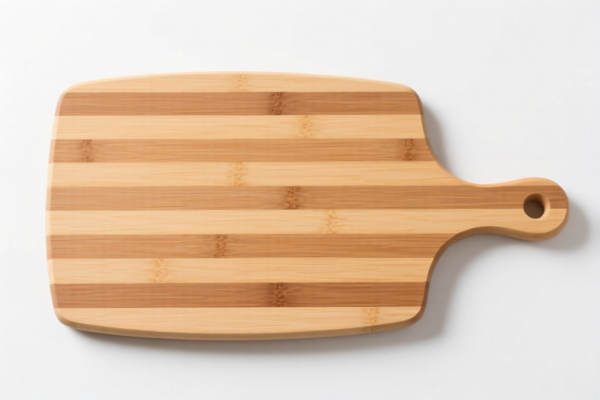
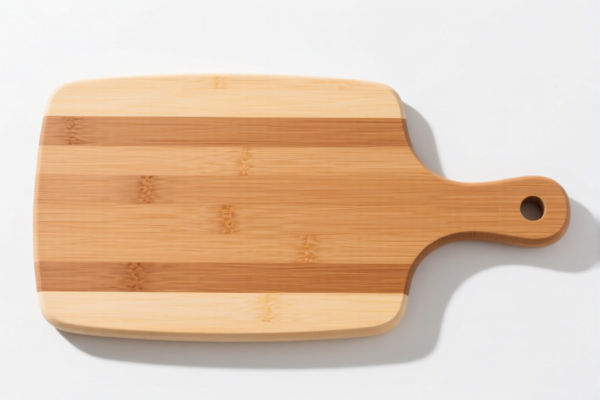
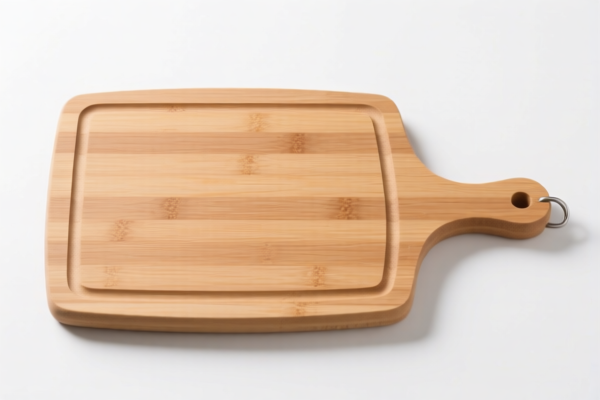
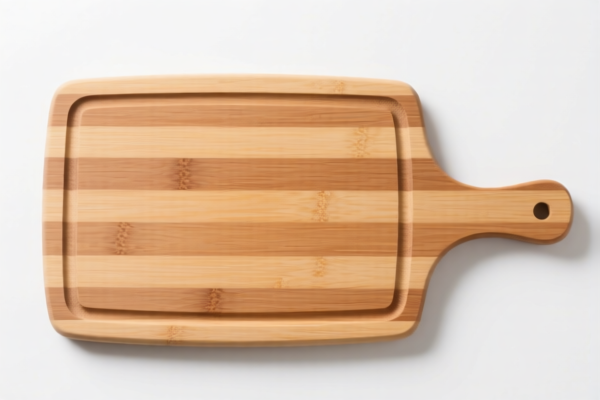
meat press board
CN → US| HS Code | Tariff Rate | Origin | Destination | Doc |
|---|---|---|---|---|
| 4419110000 | 13.2% | CN | US | Official Doc |
| 7323999080 | 88.4% | CN | US | Official Doc |
| 4419909100 | 20.7% | CN | US | Official Doc |
| 7323999030 | 88.4% | CN | US | Official Doc |
| 4419110000 | 13.2% | CN | US | Official Doc |
Product Images
AI Analysis
🥩 Meat Press Board (Cutting Boards for Kitchen Use)
🌐 HS Code Reference & Customs Clearance Guide | 2026 Latest Tariff Analysis | Professional Clearance Strategy
📌 1. Product Definition & Classification: What is a "Meat Press Board"?
A "Meat Press Board" is a kitchen utensil primarily used for flattening meat (like steaks or chops) or as a general-purpose cutting/chopping board. In international trade, the classification hinges almost entirely on material composition and intended use.
⚠️ Critical Distinction:
- Wooden/Bamboo Boards: Fall under Chapter 44 (Wood and Articles of Wood).
- Metal (Steel/Iron) Boards: Fall under Chapter 73 (Articles of Iron or Steel).
- Use Case: If specifically designed for pressing (with weight/function) but made of wood/metal, it often still falls under cutting board headings if the primary function is food prep surface, but specific descriptions matter. The data provided links these specific HS codes to "Meat Press Board" descriptions.
📦 2. HS Code Classification Details (2026 Latest Tariff Authority Comparison)
| HS Code | Product Description | Material | Key Characteristics |
|---|---|---|---|
4419.11.00.00 |
Meat Press Board (Bamboo/Wood) | Bamboo or Wood | Shape matches board characteristics; Kitchen utensil. |
4419.90.91.00 |
Meat Press Board (Wood) | Wood | Inferred wooden material; Kitchen utensil category. |
7323.99.90.80 |
Meat Press Board (Steel/Iron) | Steel or Iron | Kitchen/Cookware tool; Metal household items. |
7323.99.90.30 |
Meat Press Board (Iron/Steel) | Iron or Steel | Kitchen tool; Meets requirements for iron/steel household items. |
🔍 Key Reminder:
- Wood/Bamboo items are significantly cheaper to import due to lower tariffs (13.2% - 20.7%).
- Steel/Iron items face extremely high tariffs due to trade wars and metal-specific surcharges (88.4%).
- Do not mix materials in one shipment without clear separation, as misclassification can lead to severe penalties.
💰 3. 2026 Latest Tariff Rate Breakdown (Including Surcharges)
✅ Applicable Country: United States (US)
✅ Origin: China (CN)
✅ Effective Date: Current trade policies apply (Section 301, Section 232, Section 122)
🎯 1. 4419.11.00.00 —— Wood/Bamboo Meat Press Board
| Item | Content |
|---|---|
| Base Tariff | 3.2% (Ad valorem) |
| Section 301 Surcharge | 0.0% |
| Section 122 Tariff | +10% (Specific provision for certain goods) |
| Total Tariff | 13.2% |
| Tax Calculation | CIF Value × 13.2% |
| De Minimis Eligibility | ❌ No (Subject to full scrutiny) |
| Legal Basis Path | USITC:4419.11.00.00 → Section 122: 10% |
📌 Explanation:
- The base tariff for bamboo/wood kitchenware is relatively low (3.2%).
- No Section 301 (25%) applies here, which is a significant advantage.
- The 10% Section 122 tariff is the main additional cost.
- Total burden is moderate, making this the preferred classification if the product allows.
🎯 2. 4419.90.91.00 —— Wooden Meat Press Board (Other)
| Item | Content |
|---|---|
| Base Tariff | 3.2% |
| Section 301 Surcharge | 7.5% |
| Section 122 Tariff | +10% |
| Total Tariff | 20.7% |
| Tax Calculation | CIF Value × 20.7% |
| De Minimis Eligibility | ❌ No |
| Legal Basis Path | USITC:4419.90.91.00 → Section 301: 7.5% → Section 122: 10% |
📌 Note:
- This code is for "Other" wooden articles.
- It incurs a 7.5% Section 301 surcharge (likely due to specific HTSUS footnotes or exclusions).
- Higher than4419.11.00.00but still far cheaper than metal.
🎯 3. 7323.99.90.80 & 7323.99.90.30 —— Steel/Iron Meat Press Board
| Item | Content |
|---|---|
| Base Tariff | 3.4% |
| Section 301 Surcharge | 25.0% |
| Section 122 Tariff | +10% |
| Steel/Aluminum/Copper Surcharge | +50% |
| Total Tariff | 88.4% |
| Tax Calculation | CIF Value × 88.4% |
| De Minimis Eligibility | ❌ No |
| Legal Basis Path | USITC:7323.99.90.80/30 → Section 301: 25% → Section 122: 10% → Steel Surcharge: 50% |
📌 Warning:
- EXTREMELY HIGH TARIFFS.
- The 50% Steel/Aluminum/Copper surcharge (under Section 232 or related provisions) is the main driver.
- Combined with Section 301 (25%) and Section 122 (10%), the total tax is nearly double the product value.
- Avoid this classification unless the product is exclusively steel and cannot be made of wood/bamboo.
🛠️ 4. Customs Clearance Practical Advice (Pitfall Avoidance Guide)
✅ 1. Required Documentation Checklist
| Document | Required | Explanation |
|---|---|---|
| ✅ Product Specifications | ✔️ | Must specify material (Wood/Bamboo vs. Steel). |
| ✅ Product Photos | ✔️ | Clear images showing material texture and form. |
| ✅ Commercial Invoice | ✔️ | Describe as "Wooden Cutting Board" or "Steel Kitchen Tool" accurately. |
| ✅ Material Declaration | ✔️ | Explicitly state if bamboo, wood, or steel. |
| ✅ HS Code Pre-Ruling | ✔️ | Highly Recommended for steel products to confirm 88.4% liability. |
✅ 2. Declaration Tips (Key Mantras)
🔥 "Material is King: Wood is Cheap, Steel is Expensive!"
| Scenario | Correct Declaration | Wrong Approach |
|---|---|---|
| Wooden/Bamboo Board | 4419.11.00.00 |
Declare as steel → 88.4% tax! |
| Steel Press Board | 7323.99.90.80 |
Declare as wood → Fraud penalty + Back taxes |
| Mixed Material | Separate by material | Mix in one line item → Customs delay/Rejection |
✅ 3. Special Situations
| Situation | Handling Advice |
|---|---|
| OEM Wooden Boards | Ensure supplier provides "FSC Certified" wood docs to avoid additional environmental checks. |
| Steel Boards | Re-evaluate Product Design: Can it be made of wood/bamboo? If yes, switch materials to save ~75% in taxes. |
| Kit Products (Wood + Steel Handle) | Consult customs broker: Often classified by the essential character or by material if separable. |
🌍 5. Global Market Comparison (2026 Latest)
| Country/Region | Recommended HS Code | Tariff (China Origin) | Certification | Notes |
|---|---|---|---|---|
| 🇺🇸 USA | 4419.11.00.00 |
13.2% | None usually required | Best option for wood. |
| 🇺🇸 USA | 7323.99.90.80 |
88.4% | None usually required | Avoid if possible. |
| 🇨🇳 China | 4419.11.00.00 |
0% (Import) | N/A | Zero tariff for import. |
| 🇪🇺 EU | 4419.11.00.00 |
0% - 5% | LFGB (Food Safety) | Strict food contact rules. |
| 🇬🇧 UK | 4419.11.00.00 |
0% - 5% | UKCA | Post-Brexit rules apply. |
📌 Conclusion:
- USA is the most tariff-sensitive market for this item due to Section 122 and Section 301.
- Wood/Bamboo is the strategic material choice for US exports.
- Steel products are commercially unviable for direct export to the US under current tariffs unless value-add is extremely high.
📌 6. Common Mistakes & Pitfalls (Lessons Learned)
❌ Mistake 1: Declaring a steel board as "Wooden Cutting Board"
👉 Consequence: Customs inspection reveals metal → Fraud penalty, seizure, and back taxes (88.4%).
❌ Mistake 2: Ignoring Section 122 Tariff
👉 Consequence: Underpaying 10% on wooden items → Underpayment penalty + Interest.
❌ Mistake 3: Assuming all "Kitchen Tools" have the same tariff
👉 Consequence: Misclassification between 4419 (Wood) and 7323 (Steel) leads to massive tax discrepancies.
✅ Correct Action:
- For Wood/Bamboo: Use
4419.11.00.00(13.2% total).- For Steel: Consider pricing strategy to absorb 88.4% tax, or relocate production to a non-China origin country (e.g., Vietnam) if possible.
🎯 7. Conclusion: Professional Declaration, Cost Control!
🎯 Remember the Mantra:
🔹 "Wood/Bamboo: 13.2% vs Steel: 88.4%"
🔹 "Material Choice = Profit Margin"
🔹 "Declare Precisely, Avoid Fraud, Save Thousands"
📌 Pro Tip:
If your product is Steel, explore HTSUS exclusions or Alternative Origin strategies.
For Wood, ensure FSC Certification to ease entry into Western markets.
📣 Immediate Action:
📞 Contact a Customs Broker to confirm the exact HS code for your specific design.
📄 Request Pre-Ruling if shipping steel products.
🚀 Optimize Material to Wood/Bamboo for maximum profit in the US market.
✨ Professional Clearance Starts with Accurate Classification!
💼 Every percentage point in tariff counts!
Customer Reviews
About HS Code Classification
The Harmonized System (HS) is an internationally standardized nomenclature developed by the World Customs Organization (WCO) to classify traded products. Over 200 countries use the HS system as the basis for customs tariffs, trade statistics, and import/export regulations.
Each HS code follows a hierarchical structure:
- Chapter (2 digits) — Broad category of goods (e.g., Chapter 84: Machinery and Mechanical Appliances)
- Heading (4 digits) — More specific grouping within the chapter
- Subheading (6 digits) — Internationally standardized breakdown, used by all WCO member countries
- National subdivisions (8-10 digits) — Country-specific extensions for further classification, such as US HTSUS 10-digit codes
Correct HS code classification is essential for smooth customs clearance, accurate duty payment, and compliance with trade regulations. Misclassification can lead to customs delays, overpayment of duties, or penalties.
When importing from CN to US, the applicable tariff rates may include:
- Most-Favored-Nation (MFN) rate — The standard duty rate applied to WTO members
- General rate — Applied to countries without trade agreements
- Trade remedy duties — Additional tariffs such as Section 301 (anti-dumping), Section 232 (national security), or countervailing duties
The information provided on this page is for reference purposes only. For official classification, please consult with your local customs authority or a licensed customs broker.