medical bed sheet
CN → US| HS Code | Tariff Rate | Origin | Destination | Doc |
|---|---|---|---|---|
| 9404409005 | 22.8% | CN | US | Official Doc |
| 6307908940 | 17.0% | CN | US | Official Doc |
| 9404909605 | 17.3% | CN | US | Official Doc |
| 4818900080 | 17.5% | CN | US | Official Doc |
| 4818900020 | 17.5% | CN | US | Official Doc |
Product Images
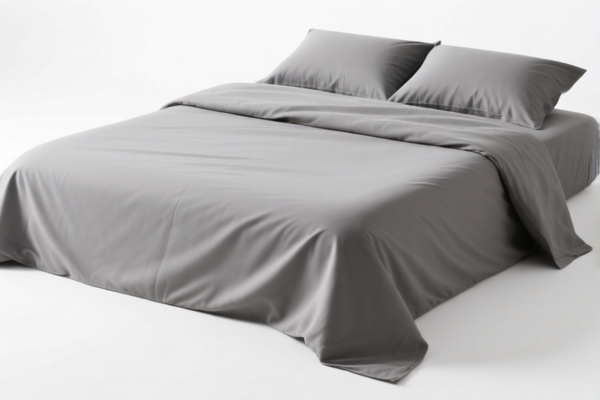
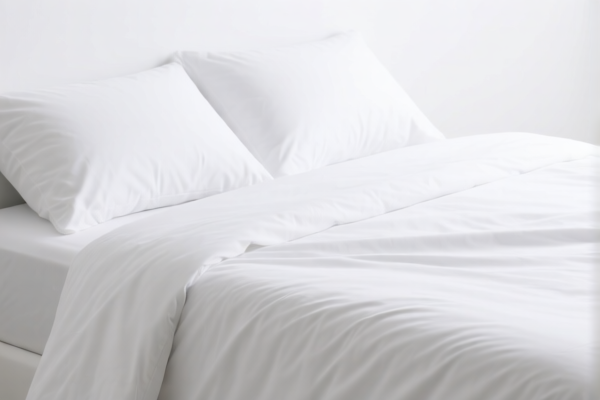
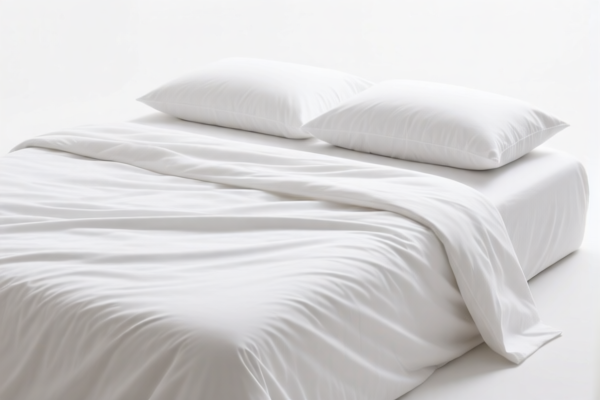
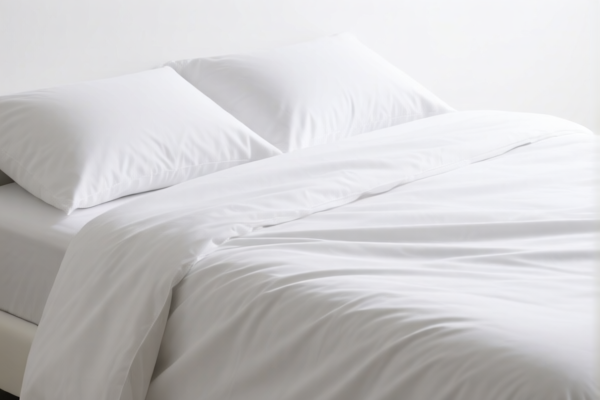
AI Analysis
🏥 Medical Bed Sheets (Hospital Linens & Therapeutic Wraps)
🌐 HS Code Reference & Clearance Guide | 2026 Latest Tariff Analysis | Professional Customs Strategy
📌 I. Product Definition & Classification: Do You Really Understand "Medical Bed Sheets"?
Medical bed sheets are specialized textile products used in healthcare facilities, spas, and massage centers. They are not merely "bedding" but functional items designed for hygiene, patient comfort, and equipment protection. In international trade, they are classified based on their material composition and specific use case:
Standard Medical Linens (Textiles): Made of cotton, polyester, or blended fibers, used in hospitals for patient bedding.
Disposable/Single-Use Sheets: Made of paper, non-woven fabrics, or cellulose fibers, often used in massage salons, beauty clinics, or hygiene-sensitive environments.
⚠️ Key Distinction:
- If made of woven/knitted fabric (cotton, polyester, etc.) → Classified under Chapter 63 or Chapter 94 (Textiles/Bedding).
- If made of paper, pulp, or non-woven cellulose → Classified under Chapter 48 (Paper Products).
- "Massage Bed Sheets" often trigger stricter scrutiny due to the "122 Clause" (Section 301) impact on Chinese-origin goods.
📦 II. HS Code Classification Details (2026 Latest Tariff Authority Comparison)
| HS Code | Product Description | Application Scenario | Material Inference |
|---|---|---|---|
9404.40.90.05 |
Bed sheets, matching bed coverings, for medical use | Hospital patient bedding, linens | Cotton or Cotton Blend (Textile) |
6307.90.89.40 |
Other made-up textile articles, medical sheets | General medical linen, non-standard size | Cotton or Synthetic Fiber |
9404.90.96.05 |
Other bedding articles (pads/mats), medical use | Mattress protectors, medical bed pads | Cotton or Fiber Material |
4818.90.00.80 |
Sheet-like articles of paper, for massage/hygiene | Disposable massage sheets, clinic wraps | Paper/Pulp/Cellulose Fiber |
4818.90.00.20 |
Toilet papers, tissues, towel-like paper articles | Single-use hygiene sheets, beauty clinic wraps | Paper/Pulp/Cellulose Fiber |
🔍 Critical Reminder:
- "Medical" does not automatically mean Chapter 90. If it’s a textile sheet, it stays in Chapters 63 or 94.
- Chapter 48 applies only if the sheet is paper-based or non-woven disposable. Misclassifying paper sheets as textiles will lead to customs delays.
- Section 122 (10%) applies to ALL these codes if the origin is China, significantly impacting cost.
💰 III. 2026 Latest Tariff Rate Breakdown (Including Surcharges, Policy Add-ons)
✅ Applicable Country: United States (US)
✅ Origin: China (CN)
✅ Effective Date: November 10, 2025 (including subsequent imports)
🎯 1. 9404.40.90.05 —— Medical Bed Sheets (Textile/Bedding Type)
| Item | Content |
|---|---|
| Base Duty Rate | 12.8% (ad valorem) |
| Section 301 Surcharge | 0.0% (No additional 25% tariff for this specific subheading under current USITC rulings for bedding linens) |
| Section 122 Tariff | +10% (Specific to certain textile/apparel/linen categories from China) |
| Total Duty Rate | 22.8% |
| Tax Calculation | CIF Value × 22.8% |
| De Minimis Exemption? | ❌ No (deny_de_minimis) |
| Legal Basis Path | USITC:9404.40.90.05 → SECTION122:9903.01.25 |
📌 Explanation:
- The 12.8% base rate is standard for bedding articles in Chapter 94.
- No Section 301 (25%) applies here, which is favorable.
- However, the 10% Section 122 tariff is mandatory for Chinese-origin medical linens in this category.
- Total: 22.8%.
🎯 2. 6307.90.89.40 —— Other Made-Up Textile Articles (Medical)
| Item | Content |
|---|---|
| Base Duty Rate | 7.0% (ad valorem) |
| Section 301 Surcharge | 0.0% |
| Section 122 Tariff | +10% |
| Total Duty Rate | 17.0% |
| Tax Calculation | CIF Value × 17.0% |
| De Minimis Exemption? | ❌ No (deny_de_minimis) |
| Legal Basis Path | USITC:6307.90.89.40 → SECTION122:9903.01.25 |
📌 Note:
- This code is for "other made-up textile articles." If your sheet doesn’t fit standard bedding dimensions, it may fall here.
- Lower base rate (7%) than9404.40.90.05, but still subject to the 10% Section 122.
- Total: 17.0%.
🎯 3. 9404.90.96.05 —— Other Bedding Articles (Pads/Mats)
| Item | Content |
|---|---|
| Base Duty Rate | 7.3% (ad valorem) |
| Section 301 Surcharge | 0.0% |
| Section 122 Tariff | +10% |
| Total Duty Rate | 17.3% |
| Tax Calculation | CIF Value × 17.3% |
| De Minimis Exemption? | ❌ No (deny_de_minimis) |
| Legal Basis Path | USITC:9404.90.96.05 → SECTION122:9903.01.25 |
📌 Note:
- Used for mattress protectors, medical bed pads, or non-standard bedding.
- Total: 17.3%.
🎯 4. 4818.90.00.80 —— Paper/Cellulose Sheets (Massage/Clinic Use)
| Item | Content |
|---|---|
| Base Duty Rate | 0.0% (ad valorem) |
| Section 301 Surcharge | 7.5% (Note: Specific subheading surcharge applies here) |
| Section 122 Tariff | +10% |
| Total Duty Rate | 17.5% |
| Tax Calculation | CIF Value × 17.5% |
| De Minimis Exemption? | ❌ No (deny_de_minimis) |
| Legal Basis Path | USITC:4818.90.00.80 → SECTION122:9903.01.25 + SECTION301:9903.01.24 (partial) |
📌 Note:
- Paper-based sheets have a 0% base rate, but attract a 7.5% Section 301 surcharge due to specific paper product classifications.
- Plus 10% Section 122.
- Total: 17.5%.
🎯 5. 4818.90.00.20 – Toilet Paper-like Paper Articles (Hygiene Use)
| Item | Content |
|---|---|
| Base Duty Rate | 0.0% (ad valorem) |
| Section 301 Surcharge | 7.5% |
| Section 122 Tariff | +10% |
| Total Duty Rate | 17.5% |
| Tax Calculation | CIF Value × 17.5% |
| De Minimis Exemption? | ❌ No (deny_de_minimis) |
| Legal Basis Path | USITC:4818.90.00.20 → SECTION122:9903.01.25 + SECTION301:9903.01.24 |
📌 Note:
- Applies to disposable single-use hygiene sheets resembling paper towels or toilet paper in form.
- Total: 17.5%.
🛠️ IV. Customs Clearance Practical Advice (Field Pitfall Avoidance Guide)
✅ 1. Required Document Checklist (Missing Any = Delay)
| Document | Mandatory? | Description |
|---|---|---|
| ✅ Product Specification Sheet | ✔️ | Material composition (Cotton % vs. Paper), size, weight, usage (medical vs. general). |
| ✅ Material Declaration | ✔️ | Explicitly state: "100% Cotton," "Polyester Blend," or "Wood Pulp Paper." Customs will check for Section 122 applicability. |
| ✅ Product Photos (with Label) | ✔️ | Show packaging, label, and product texture. Must distinguish between "woven fabric" and "paper/disposable." |
| ✅ Commercial Invoice | ✔️ | Must include: "Medical Bed Sheet, [Material], Made in China" |
| ✅ Packing List | ✔️ | Weight and dimensions are critical for Section 122 valuation. |
| ✅ Origin Certificate (CO) | ✔️ | Required to confirm Chinese origin and apply correct tariffs. |
✅ 2. Declaration Tips (Key Mantra)
🔥 “Material is Key, Section 122 is King, Don’t Mix Paper with Cotton!”
| Scenario | Correct Declaration | Wrong Action |
|---|---|---|
| Cotton/Polyester Medical Sheet | 9404.40.90.05 or 6307.90.89.40 |
Declare as "Paper Sheet" → Wrong HS, Penalty! |
| Disposable Paper Massage Sheet | 4818.90.00.80 |
Declare as "Textile Bed Sheet" → Wrong HS, Penalty! |
| Medical Mattress Protector | 9404.90.96.05 |
Declare as "Bed Sheet" → Potential misclassification |
| Mixed Package (Cotton + Paper) | Split Declaration | Single HS code for mixed materials → Customs Seizure |
📌 Crucial Point:
- Section 122 (10%) applies to all these codes if of Chinese origin. There is no exemption.
- De Minimis ($800) does not apply to Section 122 goods. Even small shipments will pay duty.
✅ 3. Special Case Handling
| Scenario | Handling Advice |
|---|---|
| "Medical" vs. "Home Use" | Clearly state "For Medical/Hospital Use" in description. If it looks like home bedding but claims medical use, provide a letter from a medical supplier. |
| Mixed Materials (Cotton + Paper) | Cannot be declared under one HS. Split the shipment or declare as "Mixed Package" with separate HS codes for each item. |
| Disposable Non-Woven Sheets | If non-woven is not paper, it may fall under Chapter 56 or 63. Check material composition carefully. If it’s 100% cellulose fiber, it may still be Chapter 48. |
| OEM Private Label | Provide OEM agreement. Customs may still apply tariffs based on origin, not brand. |
🌍 V. Global Market Clearance Comparison (2026 Latest)
| Country/Region | Recommended HS Code | Duty Rate (China Origin) | Certification | Notes |
|---|---|---|---|---|
| 🇺🇸 USA | 9404.40.90.05 |
22.8% (12.8% Base + 10% Sec 122) | FDA (if sterile) | High duty, strict material check |
| 🇺🇸 USA | 4818.90.00.80 |
17.5% (0% Base + 7.5% Sec 301 + 10% Sec 122) | None | Paper-based sheets are cheaper but still taxed |
| 🇨🇳 China | 9404.40.90.05 |
5% | None | Low duty, no Section 122 |
| 🇪🇺 EU | 9404.40 |
0-4% | OEKO-TEX | No Section 122, lower rates |
| 🇬🇧 UK | 9404.40 |
0-4% | UKCA | Post-Brexit rules, generally low |
📌 Conclusion:
- USA is the only market with Section 122 (10%) on these items.
- Paper-based sheets (4818) are slightly cheaper (17.5%) than textile sheets (22.8%), but the difference is marginal.
- Consider sourcing from Vietnam/Mexico to avoid Section 122 and Section 301 tariffs entirely.
📌 VI. Common Errors & Pitfall Guide (Blood Lessons)
❌ Error 1: Declaring Paper Sheets as Textile Sheets (4818 as 6307)
👉 Consequence: Customs will reclassify, apply wrong duty, and charge penalties. Duty difference: ~0.5-5%, but delay is costly.
❌ Error 2: Ignoring Section 122 (10%)
👉 Consequence: Unexpected 10% tax on ALL shipments from China. Even de minimis packages will be taxed.
❌ Error 3: Mixing Cotton and Paper in one HS Code
👉 Consequence: Customs will reject the declaration. Split the shipment or declare separately.
❌ Error 4: Claiming "Medical" without Proof
👉 Consequence: If it’s a home bed sheet, it may be subject to different Section 122 rules. Misrepresentation leads to fraud penalties.
✅ Correct Declaration Example:
"Medical Bed Sheet, 100% Cotton, Knitted, for Hospital Use, Made in China, HS Code 9404.40.90.05"
🎯 VII. Conclusion: Precise Classification Saves Money!
🎯 Remember the Mantra:
🔹 "Material First, Chapter Right, Section 122 Always Hits, Don’t Get Bit!"
🔹 "Textile 22.8%, Paper 17.5%, Origin China, Duty is High!"
📌 Pro Tip:
If your sheets are non-woven and not paper, check Chapter 56 (Non-wovens). They may have different duties.
For USA imports, consider Section 301 Exclusions if available, but Section 122 is currently mandatory for these goods.
📣 Immediate Action:
📞 Contact a Licensed Customs Broker
📄 Provide Material Composition Report
🚀 Pre-file CBP Ruling to confirm HS Code and Duty Rate
💡 Consider Alternative Origins (Vietnam, India, Mexico) to save 10-15% in duties.
✨ Professional Clearance Starts with Accurate Classification!
💼 Every Percent of Duty Counts in the Margins!
Customer Reviews
About HS Code Classification
The Harmonized System (HS) is an internationally standardized nomenclature developed by the World Customs Organization (WCO) to classify traded products. Over 200 countries use the HS system as the basis for customs tariffs, trade statistics, and import/export regulations.
Each HS code follows a hierarchical structure:
- Chapter (2 digits) — Broad category of goods (e.g., Chapter 84: Machinery and Mechanical Appliances)
- Heading (4 digits) — More specific grouping within the chapter
- Subheading (6 digits) — Internationally standardized breakdown, used by all WCO member countries
- National subdivisions (8-10 digits) — Country-specific extensions for further classification, such as US HTSUS 10-digit codes
Correct HS code classification is essential for smooth customs clearance, accurate duty payment, and compliance with trade regulations. Misclassification can lead to customs delays, overpayment of duties, or penalties.
When importing from CN to US, the applicable tariff rates may include:
- Most-Favored-Nation (MFN) rate — The standard duty rate applied to WTO members
- General rate — Applied to countries without trade agreements
- Trade remedy duties — Additional tariffs such as Section 301 (anti-dumping), Section 232 (national security), or countervailing duties
The information provided on this page is for reference purposes only. For official classification, please consult with your local customs authority or a licensed customs broker.