medical plastic sheets
CN → US| HS Code | Tariff Rate | Origin | Destination | Doc |
|---|---|---|---|---|
| 3921190090 | 41.5% | CN | US | Official Doc |
| 3921905050 | 39.8% | CN | US | Official Doc |
| 3005901000 | 10.0% | CN | US | Official Doc |
| 3920591000 | 41.0% | CN | US | Official Doc |
| 3005905090 | 10.0% | CN | US | Official Doc |
Product Images
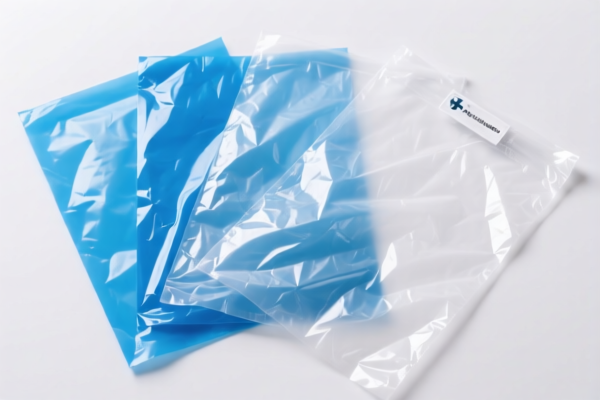
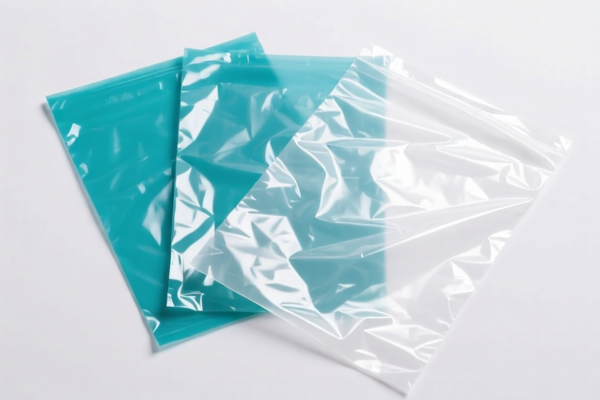
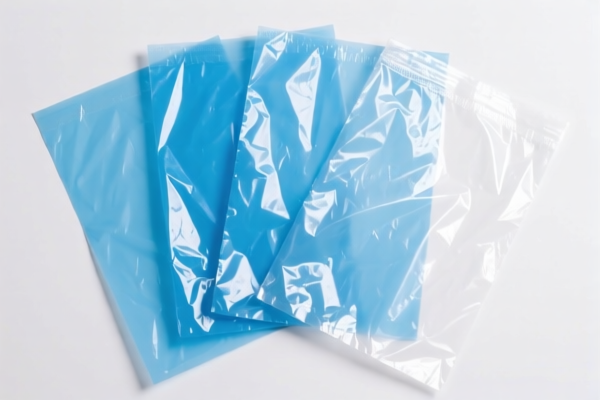
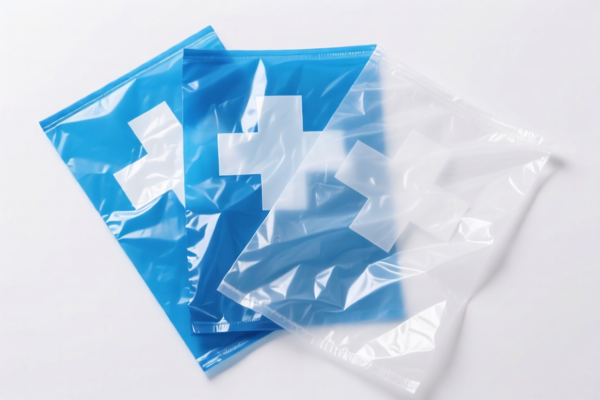
AI Analysis
🏥 Medical Plastic Sheets (医用塑料薄膜)
🌐 HS Code Reference & Customs Clearance Guide | 2026 Latest Tariff Analysis | Professional Entry Strategy
📌 I. Product Definition & Classification: Understanding "Medical Plastic Sheets"
In international trade, "Medical Plastic Sheets" are not a single commodity but a category dependent on material composition, physical form, and specific medical function. Misclassification is the most common reason for customs delays or penalties.
There are three distinct logical paths for classification: 1. General Plastic Film: Purely plastic material used as packaging or protective layer for medical devices. 2. Specialized Acrylic/Polymer Film: Specific polymer types used in medical applications. 3. Medical Dressings/Impregnated Articles: Plastic films that are impregnated with medicaments, dressings, or gauze.
⚠️ Key Distinction:
- If it is plain plastic without medicinal properties → Classified under Chapter 39 (Plastics).
- If it is impregnated/coated with medicine (e.g., antibiotic gauze, medicated dressings) → Classified under Chapter 30 (Pharmaceuticals/Medical Dressings).
📦 II. HS Code Classification Details (2026 Latest Tariff Authority Alignment)
Based on the provided data, here are the 5 possible HS Codes for "Medical Plastic Sheets":
| HS Code | Product Description | Application Scenario | Key Identifier |
|---|---|---|---|
3921.19.00.90 |
Plastic sheets, films, etc., of plastics | General purpose medical plastic film (non-specific) | Pure plastic, no drug content |
3921.90.50.50 |
Other plates, sheets, etc., of plastics | Medical plastic film not fitting other specific plastic categories | "Other" category, generic plastic |
3005.90.10.00 |
Gauze, bandages, etc., impregnated with pharmaceuticals | Medicated dressings, plastic films coated with medicine | Has medicinal impregnation/coating |
3920.59.10.00 |
Plates, sheets, etc., of acrylic polymers | Acrylic-based medical plastic film | Material is Acrylic Polymer |
3005.90.50.90 |
Other gauze, bandages, etc., not impregnated | Non-medicated medical dressings/supports | Medical use but no drug impregnation |
🔍 Critical Warning:
- Chapter 30 (3005.xxxx) vs. Chapter 39 (3920/3921): This is the biggest trap.
- If the plastic sheet is impregnated with medicine (e.g., silver sulfadiazine cream on a plastic backing), it MUST go to 3005.
- If it is plain plastic used for medical packaging or as a sterile barrier, it goes to 3921 or 3920.
💰 III. 2026 Latest Tariff Rate Breakdown (Detailed Tax Clauses)
✅ Applicable Country: United States (US)
✅ Origin: China (CN)
✅ Effective Date: From November 10, 2025 (and subsequent imports)
🎯 1. 3921.19.00.90 & 3921.90.50.50 —— General Plastic Films (Non-Medicinal)
These codes apply to pure plastic films used in medical contexts (e.g., sterile barriers, packaging) but without medicinal impregnation.
| Item | Content |
|---|---|
| Base Duty Rate | 6.5% (for 3921.19.00.90) / 4.8% (for 3921.90.50.50) |
| USITC Additional Duty | +25.0% (Section 301 Tariff) |
| IEEPA Additional Duty | +10.0% (122 Clause Tariff on China) |
| Total Effective Rate | 41.5% (3921) / 39.8% (3921.90) |
| Tax Calculation | CIF Value × Total Rate |
| De Minimis Exemption | ❌ Not Eligible (Deny De Minimis) |
📌 Explanation:
- Base Rate: Standard MFN rate for plastic articles.
- 25% Additional: Standard Section 301 tariff for Chinese plastic products.
- 10% Additional: Specific 122 Clause tariff added for certain Chinese goods.
- Total Load: Nearly 40%+. This is a high-cost category.
🎯 2. 3920.59.10.00 —— Acrylic Polymer Medical Film
This applies if the plastic film is specifically made of acrylic polymers (e.g., PMMA sheets).
| Item | Content |
|---|---|
| Base Duty Rate | 6.0% |
| USITC Additional Duty | +25.0% |
| IEEPA Additional Duty | +10.0% (122 Clause) |
| Total Effective Rate | 41.0% |
| Tax Calculation | CIF Value × 41.0% |
| De Minimis Exemption | ❌ Not Eligible |
📌 Note:
- Acrylics are often used in high-clarity medical devices or protective shields.
- The tax burden is similar to general plastics (~41%).
🎯 3. 3005.90.10.00 & 3005.90.50.90 —— Medical Dressings / Impregnated Articles
⚠️ CRITICAL SAVINGS OPPORTUNITY: These codes have significantly lower duties but require strict proof of medical nature.
| Item | Content |
|---|---|
| Base Duty Rate | 0.0% |
| USITC Additional Duty | 0.0% |
| IEEPA Additional Duty | +10.0% (122 Clause) |
| Total Effective Rate | 10.0% |
| Tax Calculation | CIF Value × 10.0% |
| De Minimis Exemption | ❌ Not Eligible (Generally, medical items under 30 are scrutinized) |
📌 Explanation:
- Base & USITC: 0%! Medical dressings and pharmaceutical preparations often enjoy duty-free base rates.
- 10% IEEPA: Only the 122 Clause tariff applies.
- Total Load: Just 10%. This is a massive saving (vs. ~40% for plastics).
- Requirement: Must prove the item is a "medical dressing" or "impregnated with pharmaceuticals."
🛠️ IV. Customs Clearance Practical Advice (Avoid Pitfalls)
✅ 1. Documentation Checklist (Must-Haves)
| Document | Required? | Purpose |
|---|---|---|
| Product Specification Sheet | ✔️ | Must detail: Material (Plastic type vs. Acrylic), Thickness, Dimensions. |
| Proof of Medical Use/Impregnation | ✔️ | Crucial for 3005 codes. If claiming 3005.90.10.00, provide proof of drug coating/impregnation. |
| Sterilization Certificate | ✔️ | If intended for single-use medical application. |
| Material Safety Data Sheet (MSDS) | ✔️ | To confirm no hazardous substances. |
| Commercial Invoice | ✔️ | Clearly state "Medical Plastic Film" or "Medicated Dressing," NOT just "Plastic Sheet." |
| Certificate of Origin (CO) | ✔️ | Required for verifying origin and applying tariffs. |
✅ 2. Classification Strategy (Key Logic)
🔥 "Drug Coated? Go to 30! Plain Plastic? Go to 39!"
| Scenario | Recommended HS Code | Tax Rate | Reason |
|---|---|---|---|
| Plain plastic film used as packaging for medical devices | 3921.19.00.90 or 3921.90.50.50 |
41.5% / 39.8% | No medicinal value; pure plastic article. |
| Acrylic plastic sheet used for medical shields/devices | 3920.59.10.00 |
41.0% | Specific polymer type triggers different base rate. |
| Plastic film coated with antibiotic/medication | 3005.90.10.00 |
10.0% | HIGHEST PRIORITY. Qualifies as medicated dressing. |
| Non-medicated medical gauze/dressing with plastic backing | 3005.90.50.90 |
10.0% | Qualifies as medical dressing, not just plastic. |
⚠️ Warning:
- Do NOT declare a medicated dressing as "Plastic Film" (3921) to simplify description.
- Customs will inspect the item. If they find medication, they will reclassify to3005but may impose penalties for false declaration.
- Conversely, if you declare pure plastic as "Medicated Dressing" (3005) to save tax, you will be caught, face back taxes, fines, and potential seizure.
✅ 3. Special Case Handling
| Situation | Handling Advice |
|---|---|
| OEM Medical Packaging | If the plastic film is just a sterile barrier (no drug), use 3921. Ensure invoices state "Sterile Barrier System." |
| Multi-layer Laminates | If one layer is acrylic and another is PE, classify based on the essential character (usually the outer or functional layer). |
| Samples for Clinical Trials | If value is low, check if any other exemptions apply (though IEEPA 10% usually applies). |
| Re-export from Free Trade Zone | If entering US via a FTZ, tariffs may be deferred, but final entry must classify correctly. |
🌍 V. Global Market Comparison (2026 Latest)
| Country/Region | Recommended HS Code (if applicable) | Base Duty | Additional US Tariffs (if Origin: China) | Notes |
|---|---|---|---|---|
| 🇺🇸 USA | 3005.90.10.00 (Medicated) |
0% | +10% (IEEPA) | Best option if medicated |
| 🇺🇸 USA | 3921.19.00.90 (Plain Plastic) |
6.5% | +25% (301) + 10% (IEEPA) | High cost (~41.5%) |
| 🇪🇺 EU | 3005.90 (Dressings) |
0% | None | Generally duty-free for medical dressings |
| 🇪🇺 EU | 3921.19 (Plastic) |
6.5% | None | Lower burden than US, but no 122 Clause |
| 🇨🇳 China | 3005.90 |
5-10% | None | Import duty for domestic use |
📌 Conclusion:
- US Market: The distinction between Chapter 30 and Chapter 39 is financially critical. A 30%+ difference in tax burden exists.
- EU/Other Markets: Less punitive on plastics, but still prefer correct classification.
📌 VI. Common Mistakes & Pitfalls (Blood Lessons)
❌ Mistake 1: Declaring Medicated Dressings as "Plastic Sheets" (3921)
👉 Result: You pay ~40% tax instead of 10%. Overpayment!
👉 Fix: Ensure the invoice explicitly states "Impregnated with [Medication]" and provide lab tests proving impregnation.
❌ Mistake 2: Declaring Plain Plastic Packaging as "Medical Dressings" (3005)
👉 Result: Customs rejects the declaration, imposes penalties, fines, and delays.
👉 Fix: Only use 3005 if there is a genuine medical/dressing function or drug content.
❌ Mistake 3: Ignoring the 122 Clause (10% IEEPA)
👉 Result: Underestimating total landed cost. Even 3005 is not 0%; it is 10%.
👉 Fix: Include the 10% in your cost calculation for ALL items from China.
❌ Mistake 4: Using vague descriptions like "Medical Plastic"
👉 Result: Customs requests additional info, causing clearance delays.
👉 Fix: Be specific: "Acrylic Medical Shielding Film" or "Antibiotic-Impregnated Plastic Gauze."
✅ Correct Declaration Example:
"Medicated Plastic Dressing, Impregnated with Silver Sulfadiazine, for Burn Treatment, HS Code 3005.90.10.00, Made in China."
🎯 VII. Conclusion: Professional Declaration, Save Costs!
🎯 Remember the Golden Rule:
🔹 "Medicated? 10%. Pure Plastic? ~40%. Don't Guess, Prove It!"
🔹 "HS Code determines your tax. A 30% difference can make or break your margin."
📌 Pro Tip:
- If your product is a plain plastic film but used in medicine, consider if it can be redesigned as a sterile barrier system with clear documentation to justify 3921.
- If it can be impregnated with a minor active ingredient (even if non-prescription), explore if 3005 is legally applicable to save 30%+ in tariffs.
- Always apply for a Pre-Ruling (Pilot Program) if your shipment value is high. This locks in the classification and avoids post-entry audits.
📣 Immediate Action:
📞 Consult a licensed customs broker + Provide product lab tests + Verify impregnation status.
🚀 Clear customs efficiently, minimize tax burden, and maximize profit!
✨ Professional Customs Clearance Starts with Accurate Classification!
💼 Every cent of duty saved is profit earned!
Customer Reviews
About HS Code Classification
The Harmonized System (HS) is an internationally standardized nomenclature developed by the World Customs Organization (WCO) to classify traded products. Over 200 countries use the HS system as the basis for customs tariffs, trade statistics, and import/export regulations.
Each HS code follows a hierarchical structure:
- Chapter (2 digits) — Broad category of goods (e.g., Chapter 84: Machinery and Mechanical Appliances)
- Heading (4 digits) — More specific grouping within the chapter
- Subheading (6 digits) — Internationally standardized breakdown, used by all WCO member countries
- National subdivisions (8-10 digits) — Country-specific extensions for further classification, such as US HTSUS 10-digit codes
Correct HS code classification is essential for smooth customs clearance, accurate duty payment, and compliance with trade regulations. Misclassification can lead to customs delays, overpayment of duties, or penalties.
When importing from CN to US, the applicable tariff rates may include:
- Most-Favored-Nation (MFN) rate — The standard duty rate applied to WTO members
- General rate — Applied to countries without trade agreements
- Trade remedy duties — Additional tariffs such as Section 301 (anti-dumping), Section 232 (national security), or countervailing duties
The information provided on this page is for reference purposes only. For official classification, please consult with your local customs authority or a licensed customs broker.