medium polyethylene bag
CN → US| HS Code | Tariff Rate | Origin | Destination | Doc |
|---|---|---|---|---|
| 3923210085 | 38.0% | CN | US | Official Doc |
| 3923210095 | 38.0% | CN | US | Official Doc |
Product Images

AI Analysis
🛍️ Medium Polyethylene Retail Carrier Bags (PRCBs)
🌐 HS Code Reference & Customs Clearance Guide | 2024/2025 Tariff Analysis | Professional Compliance Strategy
📌 One, Product Definition: What Are "Medium" Polyethylene Bags?
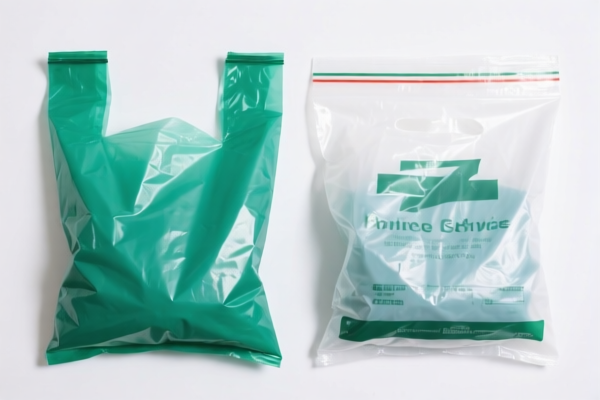
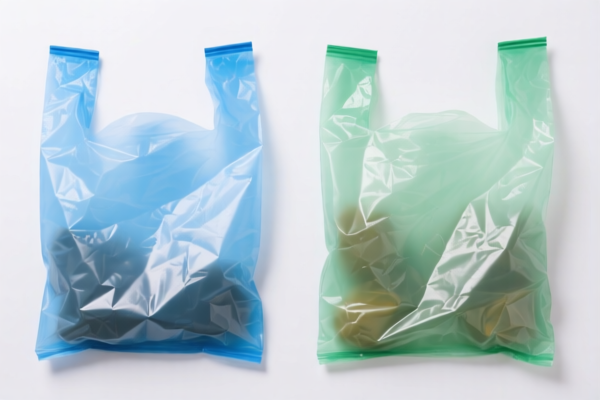
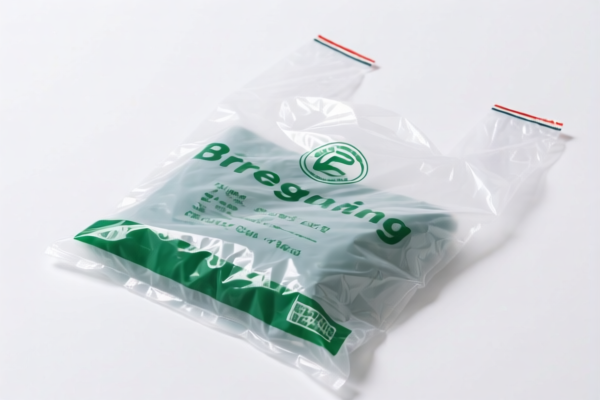
In international trade, "Medium Polyethylene Bags" usually refer to Polyethylene Retail Carrier Bags (PRCBs) made from polymers of ethylene (specifically High-Density or Low-Density Polyethylene). The term "Medium" typically implies a specific size range suitable for retail use (groceries, boutiques, general merchandise).
According to the provided data, these bags are classified under Chapter 39 (Articles of Plastics) if they possess handles (including drawstrings) and fit specific dimension criteria: * Handles: Must include handles, drawstrings, or similar carrying mechanisms. * Dimensions: No length or width shorter than 6 inches (152.4 mm) and no length or width longer than 40 inches (1,016 mm).
⚠️ Critical Distinction:
- If the bag HAS handles/drawstrings and fits the size criteria → It falls under 3923.21.00.85.
- If the bag DOES NOT have handles (e.g., simple open-top sack) → It likely falls under 3923.21.00.95 (Other sacks/bags).
- If the material is not polyethylene (e.g., polypropylene) → It belongs to a different subheading (3923.29 or 3923.30).
📦 Two, HS Code Classification Details (Based on Provided Data)
| HS Code | Product Description | Key Characteristics | Handling Feature |
|---|---|---|---|
3923.21.00.85 |
Polyethylene retail carrier bags (PRCBs) with handles (including drawstrings), with no length or width shorter than 6 inches (152.4 mm) or longer than 40 inches (1,016 mm). | Retail use, specific size range (Medium), Polyethylene material. | ✅ Yes (Handles/Drawstrings required) |
3923.21.00.95 |
Other articles for conveyance/packing of goods, of plastics; sacks and bags of polymers of ethylene. | Does not meet the specific "PRCB with handles" definition, or is outside the size range. | ❌ No (Or different form factor) |
🔍 Key Takeaway:
The decisive factor is the presence of handles/drawstrings AND the dimensions.
- A "medium" bag with a handle = 3923.21.00.85
- A "medium" bag without a handle (e.g., a simple sack) = 3923.21.00.95
💰 Three, Tariff Rate Breakdown (Detailed)
✅ Applicable Tariff Structure:
- Base Duty: 3.0%
- Additional Duty (Section 301 / Trade Remedy): 25.0%
- Total Effective Duty Rate: 28.0%
This rate applies to both 3923.21.00.85 and 3923.21.00.95 as per the provided data.
🎯 1. 3923.21.00.85 – PRCBs with Handles (Medium Size)
| Item | Details |
|---|---|
| Base Duty | 3.0% (Ad Valorem) |
| Additional Duty | 25.0% |
| Total Duty | 28.0% |
| Calculation Basis | CIF Value (Cost, Insurance, and Freight) × 28% |
| De Minimis Exemption? | ❌ No (Generally, plastic bags of this type are subject to full duty assessment in major markets like the US under current trade policies) |
🎯 2. 3923.21.00.95 – Other Ethylene Bags
| Item | Details |
|---|---|
| Base Duty | 3.0% (Ad Valorem) |
| Additional Duty | 25.0% |
| Total Duty | 28.0% |
| Calculation Basis | CIF Value × 28% |
| De Minimis Exemption? | ❌ No |
📌 Note:
The 25% additional duty is typically associated with Section 301 tariffs on Chinese imports into the US. If the goods originate from other countries, verify if additional duties apply. The provided data explicitly lists a 28% total tax, implying a 3% base + 25% additional.
🛠️ Four, Customs Clearance Practical Advice
✅ 1. Documentation Checklist
| Document | Requirement | Purpose |
|---|---|---|
| Commercial Invoice | Must clearly state: "Polyethylene Retail Carrier Bags," Material: "Polyethylene," Dimensions: "Length x Width," Handle Type: "Drawstring/Loop" | Essential for HS Code determination |
| Packing List | Detail net/gross weight, number of bags per carton, total cartons | Verify quantity and weight calculations |
| Product Specification Sheet | Confirm material composition (100% Polyethylene) and dimensions | Prevent misclassification |
| Handle Confirmation | Explicitly state if handles/drawstrings are present | Determines 85 vs 95 subheading |
| Certificate of Origin | Required for determining applicability of additional duties | Confirm country of origin |
✅ 2. Declaration Tips
🔥 "Measure Twice, Declare Once!"
| Scenario | Correct Declaration | Risk if Incorrect |
|---|---|---|
| Bag has handles & size 150mm-1000mm | HS Code: 3923.21.00.85 |
Misclassification penalty; potential duty underpayment |
| Bag has NO handles | HS Code: 3923.21.00.95 |
Over-classification (if declared as 85); potential duty overpayment or delay |
| Bag size < 6 inches or > 40 inches | Likely 3923.21.00.95 (Other) |
Incorrect duty assessment if declared as PRCB |
| Material is NOT Polyethylene | Different HS Code (e.g., Polypropylene) | Severe Misclassification; high penalties |
✅ 3. Common Pitfalls to Avoid
| Mistake | Consequence |
|---|---|
| Ignoring Handle Presence | Customs may reject the 85 classification if no handle is visible or described. |
| Vague Dimensions | "Medium" is not a legal term. Use exact measurements (e.g., "12" x 18"). |
| Material Confusion | Polyethylene (PE) vs. Polypropylene (PP). PP bags have different HS codes. |
| Omitting Additional Duty Acknowledgement | Assume 25% additional duty applies unless a specific exemption certificate is held. |
🌍 Five, Global Market Comparison (General Reference)
| Region | Typical Duty for PE Bags | Notes |
|---|---|---|
| 🇺🇸 USA | 28% (3% Base + 25% Additional) | Based on provided data; subject to Section 301 |
| 🇨🇳 China | 5-10% (Import Duty) | Varies by origin; often lower for domestic production |
| 🇪🇺 EU | 0-6.5% | Depends on specific type and origin; may have eco-taxes |
| 🇬🇧 UK | 0-6.5% | Post-Brexit tariff schedule |
| 🇨🇦 Canada | 0-5% | Preferential rates available under CUSMA for certain origins |
📌 Conclusion:
The 28% total duty is a significant cost factor. Ensure accurate classification to avoid overpayment or underpayment. For US imports, confirm if any tariff exclusions apply to your specific product type.
📌 Six, FAQ: Quick Answers
Q: Are plastic bags eligible for de minimis (Section 321) exemption in the US?
A: Generally, no. Plastic bags are often subject to full duty assessment, especially if they are retail carrier bags. Always verify with a customs broker.
Q: What if the bag has a handle but is larger than 40 inches?
A: It likely falls under 3923.21.00.95 (Other), but the duty rate remains 28% based on the provided data.
Q: Can I use "Plastic Bag" as the description?
A: No. Be specific: "Polyethylene Retail Carrier Bag with Drawstring, 12x18 inches." Vague descriptions delay clearance.
🎯 Seven, Final Recommendations
- Measure Accurately: Use a ruler to confirm length and width. If either dimension is < 6 inches or > 40 inches, the
85code may not apply. - Check for Handles: If there is no handle or drawstring, use
3923.21.00.95. - Confirm Material: Ensure the bag is 100% Polyethylene. Mixtures or other plastics change the HS code.
- Budget for 28% Duty: Include the full 28% in your landed cost calculations.
- Consult a Broker: For large shipments, consider obtaining a Binding Tariff Ruling from customs authorities to lock in the classification.
📣 Act Now:
📞 Contact a Licensed Customs Broker today to verify your specific product dimensions and handle types.
🚀 Accurate Classification = Faster Clearance = Lower Costs!
✨ Precision in Classification, Profit in Profitability!
💼 Don't let misclassified bags cost you thousands in duties and delays!
Customer Reviews
About HS Code Classification
The Harmonized System (HS) is an internationally standardized nomenclature developed by the World Customs Organization (WCO) to classify traded products. Over 200 countries use the HS system as the basis for customs tariffs, trade statistics, and import/export regulations.
Each HS code follows a hierarchical structure:
- Chapter (2 digits) — Broad category of goods (e.g., Chapter 84: Machinery and Mechanical Appliances)
- Heading (4 digits) — More specific grouping within the chapter
- Subheading (6 digits) — Internationally standardized breakdown, used by all WCO member countries
- National subdivisions (8-10 digits) — Country-specific extensions for further classification, such as US HTSUS 10-digit codes
Correct HS code classification is essential for smooth customs clearance, accurate duty payment, and compliance with trade regulations. Misclassification can lead to customs delays, overpayment of duties, or penalties.
When importing from CN to US, the applicable tariff rates may include:
- Most-Favored-Nation (MFN) rate — The standard duty rate applied to WTO members
- General rate — Applied to countries without trade agreements
- Trade remedy duties — Additional tariffs such as Section 301 (anti-dumping), Section 232 (national security), or countervailing duties
The information provided on this page is for reference purposes only. For official classification, please consult with your local customs authority or a licensed customs broker.