mesh fabric set
CN → US| HS Code | Tariff Rate | Origin | Destination | Doc |
|---|---|---|---|---|
| 5407912090 | 49.9% | CN | US | Official Doc |
| 6002408020 | 43.0% | CN | US | Official Doc |
| 6002908020 | 43.0% | CN | US | Official Doc |
| 5407309000 | 43.0% | CN | US | Official Doc |
| 5515190090 | 47.0% | CN | US | Official Doc |
Product Images
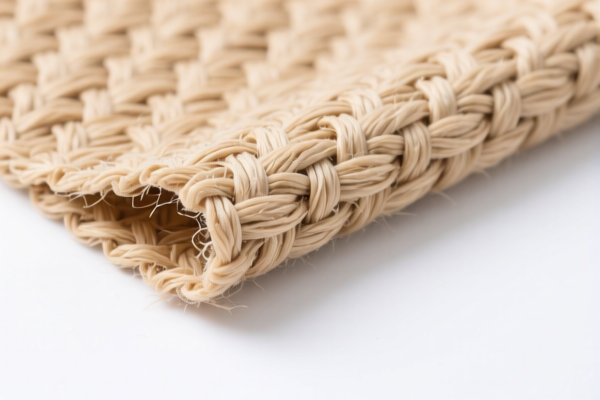
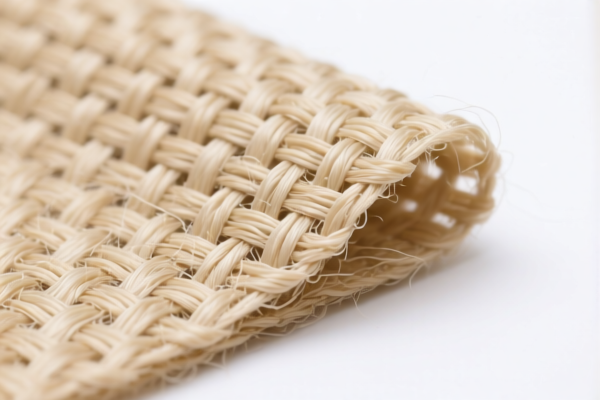
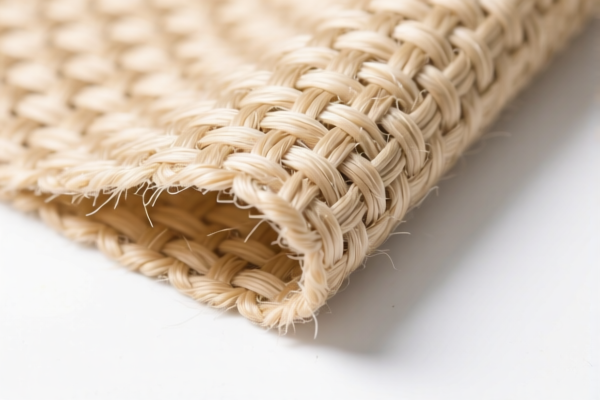
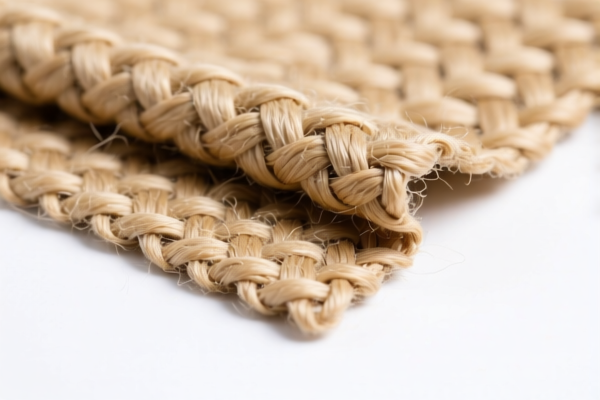
AI Analysis
🕸️ Mesh Fabric Set (Textile Materials)
🌐 HS Code Reference & Customs Clearance Guide | 2026 Latest Tariff Analysis | Professional Clearance Strategy for U.S. Imports
📌 I. Product Definition and Classification: Do You Truly Understand "Mesh Fabric"?
"Mesh Fabric" is a broad term in the textile industry, referring to fabrics with an open, net-like structure. In international trade, the classification depends heavily on the material composition, manufacturing process (knitted vs. woven), and specific structure.
Key Distinctions for Classification: 1. Synthetic Filament Base (Man-made fibers): If made from synthetic long fibers (polyester, nylon, etc.) and classified as woven, it often falls under Chapter 54. If it has a specific "mesh" or "lattice" structure, Chapter 60 (Knitted/Lace-like) may apply. 2. Elastomeric/Spandex Blend: If the fabric contains elastic threads and has a specific knit structure, it falls under Chapter 60. 3. Bottom-line Categories ("Other"): If the fabric does not fit specific sub-headings for standard weaves or knits, it defaults to "Other" categories within the respective chapters.
⚠️ Critical Classification Point:
- Woven Synthetic Mesh: Often defaults to 5407.91.20.90 or 5407.30.90.00 ("Other" woven fabrics).
- Knitted/Lace-like Mesh: Defaults to 6002.40.80.20 or 6002.90.80.20 ("Other" knitted fabrics, often categorized under elastic or specific net structures).
- Blended Synthetic/Woven: May fall under 5515.19.00.90 or 5515.11.00.90 ("Other" woven fabrics of synthetic staple fibers or blends).
📦 II. HS Code Classification Details (2026 Latest Tariff Authority Comparison)
Based on the provided data, here are the potential HS Codes and their logical justifications:
| HS Code | Product Description & Logic | Key Feature |
|---|---|---|
5407.91.20.90 |
Woven Fabric of Synthetic Filaments, Other Logic: Mesh fabrics are often synthesized using synthetic filaments. If it doesn't fit specific "georgette" or "organza" sub-headings, it falls under the "Other" bottom-line logic for woven synthetic fabrics. |
Woven, Synthetic Filament |
6002.40.80.20 |
Knitted/Lace-like Fabric, Width > 30cm, Elastic/Textile Logic: "Mesh" corresponds to a hollow/open structure. If the fabric is knitted (or lace-like) and has elastic properties or specific textile features, it fits this category. |
Knitted/Lace, Hollow Structure |
6002.90.80.20 |
Knitted/Lace-like Fabric, Width > 30cm, Other Logic: Similar to above, but for knitted fabrics that do not fit the "elastic" or specific weight sub-categories. Fits the "shape" characteristic of mesh (hollow/open). |
Knitted, Open Structure |
5407.30.90.00 |
Woven Fabric of Synthetic Staple Fibers, Other Logic: If the fabric is woven and made of synthetic staple fibers (not long filaments), and doesn't fit specific types, it falls here. Emphasizes the "fabric form" and "synthetic fiber" category. |
Woven, Synthetic Staple |
5515.19.00.90 |
Woven Fabric of Polyester Staple Fibers, Other Logic: Matches woven/fabric form with "Other" logic. Infers synthetic fibers or cotton-blend fabrics that don't fit specific high-value categories. |
Woven, Synthetic/Blend |
5515.11.00.90 |
Woven Fabric of Polyester Staple Fibers, Mixed/Blended, Other Logic: Matches woven/fabric form with material inference. Reasonably inferred as synthetic fiber woven fabric, specifically blends. |
Woven, Polyester Blend |
🔍 Key Reminder:
- "Mesh" is a structural description, not a material one. Customs classifies based on Material (Chapter 50-63) and Process (Knitted vs. Woven).
- "Bottom-line" Codes (.90,.20): These are "catch-all" categories. If your fabric doesn't fit specific named types (e.g., Georgette, Muslin), it defaults here.
- Chapter 60 vs. 54/55: Knitted/Lace-like (Chapter 60) vs. Woven (Chapter 54/55). This is the primary split.
💰 III. 2026 Latest Tariff Rate Breakdown (Including Additional Taxes, Policy Surcharges)
✅ Applicable Country: United States (US)
✅ Country of Origin: China (CN)
✅ Effective Date: From November 10, 2025 (and subsequent imports)
🎯 1. 5407.91.20.90 —— Woven Synthetic Filament Fabric (Other)
| Item | Content |
|---|---|
| Base Tariff Rate | 14.9% (ad valorem) |
| Section 301 Additional Tariff | +25.0% |
| Section 122 Tariff | +10.0% |
| Total Tax Rate | 49.9% |
| Tax Calculation | CIF Value × 49.9% |
| De Minimis Eligibility | ❌ No (deny_de_minimis) |
| Legal Basis Path | USITC:5407.91.20.90 → Section301:882502 → Section122:9903.88.01 |
📌 Explanation:
- 14.9%: Standard MFN base tariff for "Other" woven synthetic filaments.
- 25%: Section 301 tariffs applied to most Chinese textiles.
- 10%: Section 122 tariffs (often applied to strategic or specific goods, adding to the burden).
- Total 49.9%: This is a very high cost. Merchants must calculate if the margin can absorb this.
🎯 2. 6002.40.80.20 / 6002.90.80.20 —— Knitted/Lace-like Mesh Fabric
| Item | Content |
|---|---|
| Base Tariff Rate | 8.0% (ad valorem) |
| Section 301 Additional Tariff | +25.0% |
| Section 122 Tariff | +10.0% |
| Total Tax Rate | 43.0% |
| Tax Calculation | CIF Value × 43.0% |
| De Minimis Eligibility | ❌ No (deny_de_minimis) |
| Legal Basis Path | USITC:6002.xx.xx.xx → Section301:882502 → Section122:9903.88.01 |
📌 Explanation:
- 8.0%: Lower base tariff for knitted/lace-like fabrics compared to some woven counterparts.
- Total 43.0%: Still significant, but 6.9% lower than the 49.9% rate for some woven synthetics.
- Why choose Chapter 60?: If your mesh is knitted (e.g., tricot mesh for sportswear), this rate is preferable. If it's woven (e.g., mesh bags, industrial mesh), it falls under Chapter 54/55.
🎯 3. 5407.30.90.00 —— Woven Synthetic Staple Fiber Fabric (Other)
| Item | Content |
|---|---|
| Base Tariff Rate | 8.0% |
| Section 301 Additional Tariff | +25.0% |
| Section 122 Tariff | +10.0% |
| Total Tax Rate | 43.0% |
| Tax Calculation | CIF Value × 43.0% |
📌 Note:
- Same total rate as Chapter 60.
- Use this if the fabric is woven but made of staple fibers (short fibers, like spun polyester) rather than long filaments.
🎯 4. 5515.19.00.90 / 5515.11.00.90 —— Woven Polyester/Blended Fabric (Other)
| Item | Content |
|---|---|
| Base Tariff Rate | 12.0% (5515.19) / 14.9% (5515.11) |
| Section 301 Additional Tariff | +25.0% |
| Section 122 Tariff | +10.0% |
| Total Tax Rate | 47.0% (5515.19) / 49.9% (5515.11) |
| Tax Calculation | CIF Value × Total Rate |
📌 Note:
-5515.19.00.90is slightly cheaper (47.0%) than5515.11.00.90(49.9%).
- These apply if the fabric is a blend (e.g., polyester/cotton) or staple fiber woven fabric that doesn't fit specific sub-categories.
🛠️ IV. Customs Clearance Practical Advice (Real-World Pitfall Avoidance)
✅ 1. Documentation Checklist (All Required)
| Document | Mandatory | Description |
|---|---|---|
| ✅ Product Specification Sheet | ✔️ | Must detail: Material (e.g., 100% Polyester), Weight (GSM), Width, Structure (Knitted/Woven), Mesh Size. |
| ✅ Fabric Swatch/Photo | ✔️ | High-res photo showing the "mesh" structure to prove it's not a solid fabric. |
| ✅ Material Composition Statement | ✔️ | Detailed breakdown of fiber content (e.g., 95% Polyester, 5% Spandex). Crucial for Chapter 54 vs. 55 vs. 60. |
| ✅ Commercial Invoice | ✔️ | Clear description: "Woven Synthetic Mesh Fabric, Model XYZ" (not just "Mesh"). |
| ✅ Packing List | ✔️ | Weight, dimensions, roll numbers. |
| ✅ Test Report | ✔️ | If claiming specific features (e.g., elastic, flame retardant), provide test data. |
✅ 2. Declaration Tips (Key Mantra)
🔥 “Structure Defines Chapter, Material Defines Code, Be Specific to Avoid Penalty!”
| Scenario | Correct Declaration | Wrong Practice |
|---|---|---|
| Knitted Mesh (e.g., Sportswear) | 6002.40.80.20 (Knitted) |
Declaring as Woven → Wrong Chapter |
| Woven Mesh (e.g., Industrial) | 5407.91.20.90 (Woven) |
Declaring as Knitted → Wrong Chapter |
| Elastic Mesh | 6002.40.80.20 |
Declaring as Non-elastic Knitted → May change rate |
| Generic "Mesh Fabric" | DO NOT USE | Customs may reclassify or flag for inspection |
📌 Critical Advice:
- Do not just write "Mesh Fabric". Write: "100% Polyester, Knitted, Elastic, Mesh Structure, Width 1.5m, Weight 150GSM".
- The more specific you are, the less likely Customs will reclassify it to a "higher risk" or "higher tax" category.
✅ 3. Special Handling Cases
| Case | Handling Advice |
|---|---|
| Blended Materials | If it's Polyester/Cotton, ensure you classify under the correct Chapter 55 "Other" code, not Chapter 54 (Filaments). |
| Elastic Threads | If the mesh contains spandex/elastane, it must be classified under Chapter 60 (if knitted) or specific elastic codes in Chapter 54/55. |
| Sample vs. Bulk | For samples under $800 (De Minimis), check current policy. As of 2025/2026, many textile items are excluded from De Minimis. Assume 43-49.9% tax applies. |
🌍 V. Global Market Comparison (2026 Latest)
| Country/Region | Recommended HS Code | Tariff (China Origin) | Certification Requirements | Notes |
|---|---|---|---|---|
| 🇺🇸 USA | 6002.40.80.20 / 5407.91.20.90 |
43.0% - 49.9% | No special certs for fabric itself, but must be compliant | High tariffs due to 301 & 122. |
| 🇨🇳 China | 6002.40.80.20 / 5407.91.20.90 |
~0% - 5% | N/A | Low export duty. |
| 🇪🇺 EU | 6002.40.00 / 5407.91.00 |
0% - 8% | REACH (Chemical compliance) | No Section 301 equivalent. |
| 🇬🇧 UK | 6002.40.00 / 5407.91.00 |
0% - 8% | UKCA (if applicable) | Post-Brexit rules. |
| 🇯🇵 Japan | 6002.40.00 / 5407.91.00 |
0% - 7% | JIS (if for construction) | Generally low tariffs. |
📌 Conclusion:
- USA is the most expensive market for Chinese textiles due to Section 301 and 122 tariffs.
- Europe/Asia are significantly cheaper but may require REACH/UKCA compliance for chemical content.
- Strategy: If importing to the US, consider suppliers in Vietnam/Mexico to avoid 301/122 tariffs (subject to rules of origin).
📌 VI. Common Mistakes & Pitfall Guide (Blood-Teaching Lessons)
❌ Mistake 1: Declaring "Knitted Mesh" as "Woven Fabric"
👉 Consequence: Wrong Chapter (60 vs. 54). Customs may reclassify and apply different rates (e.g., 49.9% instead of 43%). Delay + Fine.
❌ Mistake 2: Ignoring "Elastic" Content
👉 Consequence: If the mesh has spandex, it must be declared. Undeclared elastic can lead to fraud allegations or reclassification to a "specialty" code with higher scrutiny.
❌ Mistake 3: Vague Description ("Mesh Fabric")
👉 Consequence: Customs cannot determine the exact HS Code. Leads to Hold/Inspection. Your cargo sits at the port, incurring demurrage fees.
❌ Mistake 4: Assuming De Minimis Applies
👉 Consequence: Textiles are often excluded from Section 321 (De Minimis). If you ship small batches under $800, you may still owe 43-49.9% tax. Do not assume!
✅ Correct Practice:
"Knitted Synthetic Elastic Mesh Fabric, 100% Polyester, 150 GSM, Width 1.6m, Color Black, HS 6002.40.80.20"
🎯 VII. Conclusion: Precise Classification Saves Money!
🎯 Remember the Mantra:
🔹 "Knitted = Ch.60, Woven = Ch.54/55"
🔹 "Filament vs. Staple changes the Code"
🔹 "USA Tariffs are 43-49.9%, Plan for It!"
🔹 "Be Specific in Description, Avoid Delays!"
📌 Pro Tip:
If you are importing to the USA, consider:
1. Pre-Ruling: Apply for an Import Ruling from CBP before shipping.
2. Supply Chain Diversification: Use non-Chinese suppliers (e.g., Vietnam, India) to mitigate 301/122 tariffs.
3. Bonded Warehouses: Use foreign trade zones if available to delay duty payment.
📣 Immediate Action:
📞 Consult a licensed Customs Broker.
📄 Prepare detailed specs (Material, Weight, Width, Structure).
🚀 Clear Compliance, Smooth Clearance, Higher Profits!
✨ Professional Clearance Starts with Accurate Classification!
💼 Every Percent of Tax Matters!
Customer Reviews
About HS Code Classification
The Harmonized System (HS) is an internationally standardized nomenclature developed by the World Customs Organization (WCO) to classify traded products. Over 200 countries use the HS system as the basis for customs tariffs, trade statistics, and import/export regulations.
Each HS code follows a hierarchical structure:
- Chapter (2 digits) — Broad category of goods (e.g., Chapter 84: Machinery and Mechanical Appliances)
- Heading (4 digits) — More specific grouping within the chapter
- Subheading (6 digits) — Internationally standardized breakdown, used by all WCO member countries
- National subdivisions (8-10 digits) — Country-specific extensions for further classification, such as US HTSUS 10-digit codes
Correct HS code classification is essential for smooth customs clearance, accurate duty payment, and compliance with trade regulations. Misclassification can lead to customs delays, overpayment of duties, or penalties.
When importing from CN to US, the applicable tariff rates may include:
- Most-Favored-Nation (MFN) rate — The standard duty rate applied to WTO members
- General rate — Applied to countries without trade agreements
- Trade remedy duties — Additional tariffs such as Section 301 (anti-dumping), Section 232 (national security), or countervailing duties
The information provided on this page is for reference purposes only. For official classification, please consult with your local customs authority or a licensed customs broker.