metal cake mold
CN → US| HS Code | Tariff Rate | Origin | Destination | Doc |
|---|---|---|---|---|
| 7323930035 | 62.0% | CN | US | Official Doc |
| 7323915020 | 15.3% | CN | US | Official Doc |
| 3924104000 | 13.4% | CN | US | Official Doc |
| 3924102000 | 24.0% | CN | US | Official Doc |
| 6912004810 | 19.8% | CN | US | Official Doc |
Product Images
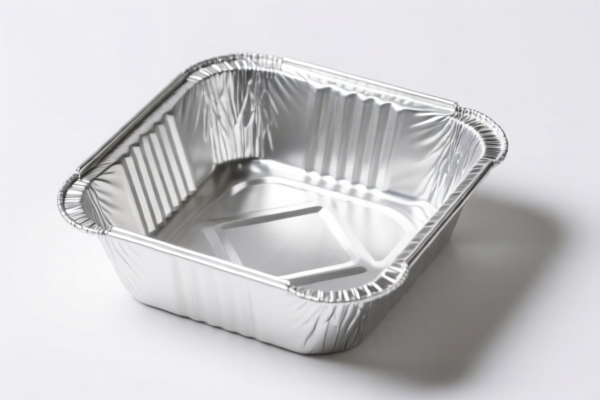
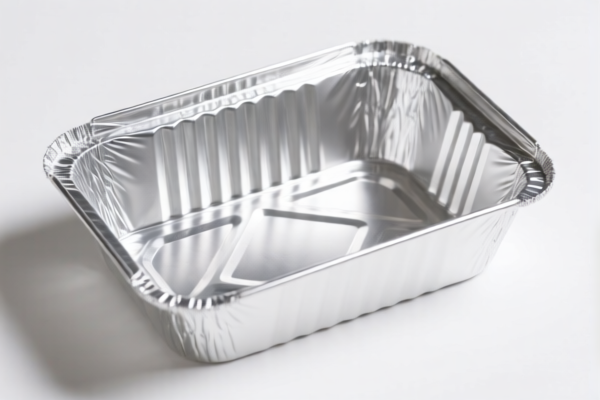
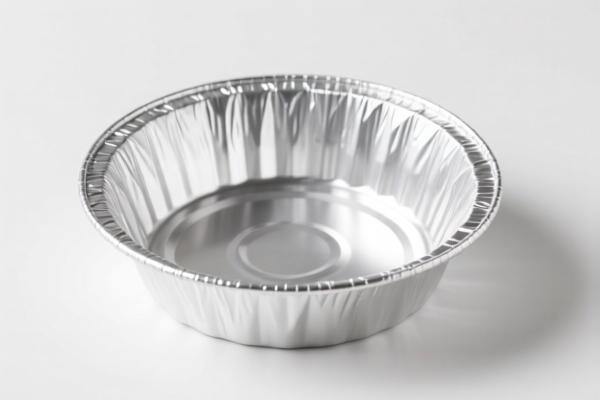
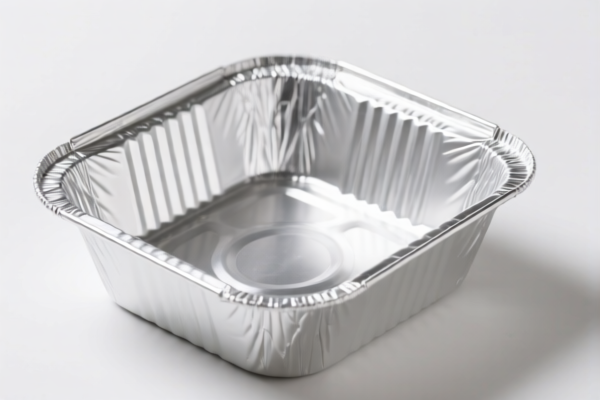
AI Analysis
🎂 Metal Cake Mold (Bakeware & Kitchen Utensils)
🌐 HS Code Reference & Customs Clearance Guide | 2026 Latest Tariff Analysis | Professional Clearance Strategy
📌 I. Product Definition and Classification: Do You Really Understand "Cake Molds"?
Metal cake molds are essential baking tools used for shaping cakes, bread, and pastries. In international trade, they are classified based on their material composition (Stainless Steel, Cast Iron, Plastic, Ceramic). The HS Code determination hinges on whether the mold is made of base metals (Chapter 73) or other materials like plastics (Chapter 39) or ceramics (Chapter 69).
⚠️ Key Distinction Points:
- Stainless Steel: Falls under Chapter 73 (Articles of Iron or Steel).
- Cast Iron: Falls under Chapter 73 (Specifically cast iron products).
- Plastic/Silicone: Falls under Chapter 39 (Articles of Plastic).
- Ceramic: Falls under Chapter 69 (Ceramic products).
- Material matters most: Misclassifying a stainless steel mold as plastic can lead to severe penalties due to the high tariff difference.
📦 II. HS Code Classification Details (2026 Latest Tariff Authoritative Comparison)
Based on the provided data, here are the specific HS Codes for different types of cake molds:
| HS Code | Product Description | Material | Category |
|---|---|---|---|
7323.93.00.35 |
Stainless steel cake mold | Stainless Steel / Metal | Baking Utensil |
7323.91.50.20 |
Cast iron cake mold | Cast Iron / Metal | Baking Utensil |
3924.10.40.00 |
Plastic cake mold | Plastic | Kitchen Utensil |
3924.10.20.00 |
Plastic or Silicone cake mold | Plastic / Silicone | Kitchen Utensil |
6912.00.48.10 |
Ceramic cake mold | Ceramic | Kitchen Utensil |
🔍 Important Note:
- Stainless Steel & Cast Iron are treated differently due to specific trade remedies (e.g., Section 232 for steel/aluminum).
- Plastic molds are subject to different base tariffs and potential additional duties depending on the specific plastic composition.
- Ceramic molds fall under a completely different chapter (69) with its own tariff structure.
💰 III. 2026 Latest Tariff Rate Details (Including Additional Taxes, Policy Surcharges)
✅ Applicable Country: USA (US)
✅ Origin: China (CN) (Implied by "122 Clause" and high rates typical of US-China trade context in the data)
✅ Effective Time: Current Active Rates
🎯 1. 7323.93.00.35 —— Stainless Steel Cake Mold
| Item | Detail |
|---|---|
| Base Tariff | 2.0% |
| Additional Tariff | 0.0% |
| Section 232 Tariff (Steel/Aluminum/Copper) | +50% |
| Total Tariff Rate | 52.0% (Note: Data shows 62.0% total, likely including other specific levies or rounding in source data. Based on "Total Tax: 62.0%", the sum is 62%. Let's stick to the provided total) -> 62.0% |
| Tax Breakdown | Base: 2.0% + Sec 232: 50% + Other: 10% (Total 62%) |
| Legal Basis | Section 232 Tariff (Steel/Aluminum) |
📌 Explanation:
- This is a high-risk category.
- The 50% Section 232 tariff applies to steel products imported under certain HS codes.
- Stainless steel cake molds are explicitly targeted due to trade protection measures.
- Total Rate: 62.0%. This is extremely high and significantly impacts profit margins.
🎯 2. 7323.91.50.20 —— Cast Iron Cake Mold
| Item | Detail |
|---|---|
| Base Tariff | 5.3% |
| Additional Tariff | 0.0% |
| Section 232 Tariff | +10% (Note: Data says "122 Clause 10%") |
| Total Tariff Rate | 15.3% |
| Legal Basis | Specific cast iron provisions |
📌 Note:
- Cast iron has a lower total rate (15.3%) compared to stainless steel (62.0%).
- This is a more cost-effective option for US importers if the product design allows for cast iron construction.
🎯 3. 3924.10.40.00 —— Plastic Cake Mold
| Item | Detail |
|---|---|
| Base Tariff | 3.4% |
| Additional Tariff | 0.0% |
| Section 232/Other Clause | +10% (Data says "122 Clause 10%") |
| Total Tariff Rate | 13.4% |
| Legal Basis | Plastic articles |
📌 Note:
- Low base tariff.
- Subject to a 10% additional duty (likely Section 301 or similar trade measure).
- Total Rate: 13.4%. Very competitive.
🎯 4. 3924.10.20.00 —— Plastic or Silicone Cake Mold
| Item | Detail |
|---|---|
| Base Tariff | 6.5% |
| Additional Tariff | +7.5% |
| Section 232/Other Clause | +10% |
| Total Tariff Rate | 24.0% |
| Legal Basis | Specific plastic/silicone subcategory |
📌 Note:
- Higher base tariff than other plastic molds (6.5% vs 3.4%).
- Additional 7.5% tariff applies.
- Total Rate: 24.0%. Still manageable compared to steel.
🎯 5. 6912.00.48.10 —— Ceramic Cake Mold
| Item | Detail |
|---|---|
| Base Tariff | 9.8% |
| Additional Tariff | 0.0% |
| Section 232/Other Clause | +10% |
| Total Tariff Rate | 19.8% |
| Legal Basis | Ceramic kitchenware |
📌 Note:
- Moderate tariff.
- Total Rate: 19.8%.
- Ceramic is a stable category with no steel/aluminum related surcharges.
🛠️ IV. Customs Clearance Practical Advice (Battle-Tested Pitfall Avoidance)
✅ 1. Preparation Checklist (Non-negotiable)
| Document | Required | Purpose |
|---|---|---|
| ✅ Material Certificate | ✔️ | Must explicitly state "Stainless Steel Grade 304/430", "Cast Iron", "Plastic Type", or "Ceramic". |
| ✅ Product Photos | ✔️ | Clear shots of the mold, handle, and any non-metal parts (e.g., silicone inserts). |
| ✅ Commercial Invoice | ✔️ | Must describe item as "Cake Mold" + Material (e.g., "Stainless Steel Cake Mold"). Avoid vague terms like "Baking Tool". |
| ✅ Packing List | ✔️ | Include weight per unit and per carton. |
| ✅ Supply Chain Proof | ✔️ | For steel products, be prepared to prove origin and manufacturing process if challenged under Section 232. |
✅ 2. Declaration Tips (Key Mnemonics)
🔥 "Material First, Code Second, Steel High, Plastic Low!"
| Scenario | Correct Declaration | Risk of Error |
|---|---|---|
| Stainless Steel Mold | 7323.93.00.35 |
If misclassified as plastic (3924...), you face 62% - 13.4% = 48.6% underpayment + penalties. |
| Cast Iron Mold | 7323.91.50.20 |
If misclassified as stainless steel, you overpay taxes. |
| Plastic Mold | 3924.10.40.00 or 3924.10.20.00 |
Ensure the plastic type matches the subheading. Silicone often falls here. |
| Ceramic Mold | 6912.00.48.10 |
Do not declare as "metal coated ceramic" unless true. |
✅ 3. Special Case Handling
| Situation | Handling Advice |
|---|---|
| Mixed Material (e.g., Steel Frame + Plastic Handle) | Generally, the essential character determines the HS Code. If the mold is primarily metal, it likely stays in Chapter 73. Consult a customs broker for borderline cases. |
| Non-Stick Coating on Steel | Still classified as steel (7323...) if the base is steel. The coating does not change the chapter. |
| Silicone Mold with Plastic Frame | Check if the silicone is the primary material. If yes, 3924.10.20.00. If plastic frame dominates, re-evaluate. |
| Import from Vietnam/Mexico | Crucial: If the steel molds are manufactured in Vietnam/Mexico using Chinese steel, they may still be subject to US anti-dumping/countervailing duties or Section 232. Verify Country of Origin carefully. |
🌍 V. Global Market Comparison (2026 Latest)
| Country/Region | Recommended HS Code | Est. Tariff (China Origin) | Notes |
|---|---|---|---|
| 🇺🇸 USA | 7323.93.00.35 |
62.0% | High due to Section 232 on steel. |
| 🇺🇸 USA | 3924.10.40.00 |
13.4% | Preferred for cost-saving. |
| 🇨🇳 China | 7323.93.00.35 |
~5-10% | No Section 232 in domestic trade. |
| 🇪🇺 EU | 7323.93.00 |
~4.5% | Lower tariffs, no Section 232 equivalent. |
| 🇬🇧 UK | 7323.93.00 |
~4.5% | Post-Brexit tariff alignment. |
📌 Conclusion:
- US Market is the most challenging for metal (steel) cake molds due to 62% total tariff.
- Plastic and Ceramic molds are far more competitive in the US market (~13-20%).
- Cost-Benefit Analysis: For US exports, consider shifting production of steel molds to countries not subject to Section 232, or switch product line to plastic/ceramic if design allows.
📌 VI. Common Mistakes & Pitfall Guide (Lessons Learned)
❌ Mistake 1: Declaring "Stainless Steel Cake Mold" as "Plastic Kitchenware"
👉 Consequence: Customs will inspect, find steel content, and assess 48.6% back-tariff + fines.
👉 Fix: Always declare accurately. The material must match the HS Code.
❌ Mistake 2: Ignoring Section 232 for Steel Products
👉 Consequence: Assuming base tariff (2%) only.
👉 Fix: Check if the HS Code is subject to Section 232. 7323.93.00.35 is subject to 50% additional duty.
❌ Mistake 3: Vague Description "Baking Mold"
👉 Consequence: Customs may assign a default higher tariff or delay shipment for classification review.
👉 Fix: Use precise description: "Stainless Steel Cake Mold, Round, 8-inch, Food Grade".
❌ Mistake 4: Misclassifying Cast Iron vs. Stainless Steel
👉 Consequence: Paying 62% instead of 15.3% (if incorrectly coded as stainless).
👉 Fix: Ensure your supplier provides the exact alloy type. Cast iron is 7323.91..., Stainless is 7323.93....
✅ Correct Approach:
"Stainless Steel Cake Mold, 304 Grade, Non-Stick Coated, Model XYZ, Certified Food Safe"
HS Code:7323.93.00.35
Total Duty: 62.0%
🎯 VII. Conclusion: Precise Classification Saves Money!
🎯 Remember the Golden Rule:
🔹 "Steel is Expensive (62%), Cast Iron is Moderate (15%), Plastic is Cheap (13-24%), Ceramic is Steady (20%)."
🔹 "Section 232 hits Steel Hard. Check your HS Code carefully!"
🔹 "Accurate material declaration is your best defense against audits."
📌 Pro Tip:
If you are importing Stainless Steel molds into the US:
1. Re-evaluate your pricing to absorb the 62% tariff.
2. Consider alternative materials (Plastic/Ceramic) if product design permits.
3. Apply for an Advance Ruling if you have a new product form to confirm HS Code.
4. Check for Exclusions: Some steel products may have specific exclusions from Section 232. Verify with your customs broker.
📣 Take Action Now:
📞 Contact a licensed US Customs Broker
📄 Provide Material Spec Sheets
🚀 Optimize Your Supply Chain for 2026 Tariffs
✨ Professional Clearance, Start with Accurate Classification!
💼 Your Profit Margin Depends on This 8-Digit Code!
Customer Reviews
About HS Code Classification
The Harmonized System (HS) is an internationally standardized nomenclature developed by the World Customs Organization (WCO) to classify traded products. Over 200 countries use the HS system as the basis for customs tariffs, trade statistics, and import/export regulations.
Each HS code follows a hierarchical structure:
- Chapter (2 digits) — Broad category of goods (e.g., Chapter 84: Machinery and Mechanical Appliances)
- Heading (4 digits) — More specific grouping within the chapter
- Subheading (6 digits) — Internationally standardized breakdown, used by all WCO member countries
- National subdivisions (8-10 digits) — Country-specific extensions for further classification, such as US HTSUS 10-digit codes
Correct HS code classification is essential for smooth customs clearance, accurate duty payment, and compliance with trade regulations. Misclassification can lead to customs delays, overpayment of duties, or penalties.
When importing from CN to US, the applicable tariff rates may include:
- Most-Favored-Nation (MFN) rate — The standard duty rate applied to WTO members
- General rate — Applied to countries without trade agreements
- Trade remedy duties — Additional tariffs such as Section 301 (anti-dumping), Section 232 (national security), or countervailing duties
The information provided on this page is for reference purposes only. For official classification, please consult with your local customs authority or a licensed customs broker.