metal casting adhesive
CN → US| HS Code | Tariff Rate | Origin | Destination | Doc |
|---|---|---|---|---|
| 3901909000 | 41.5% | CN | US | Official Doc |
| 3901905501 | 41.5% | CN | US | Official Doc |
| 3903901000 | 41.5% | CN | US | Official Doc |
| 3903905000 | 41.5% | CN | US | Official Doc |
| 3506915000 | 37.1% | CN | US | Official Doc |
Product Images
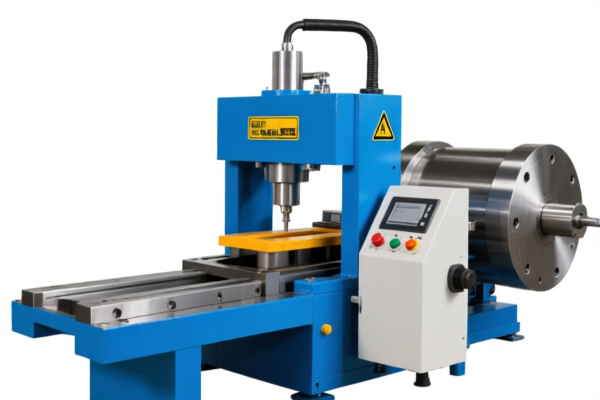
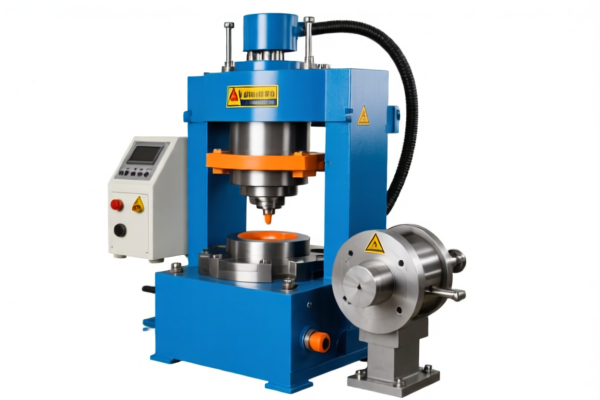
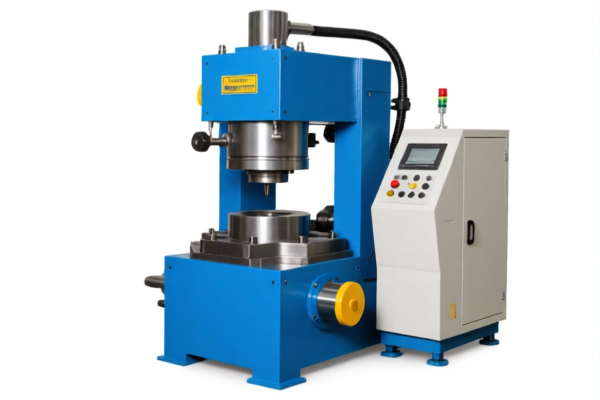
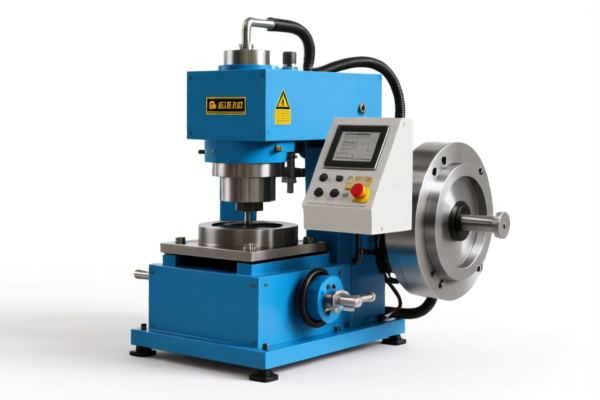
AI Analysis
🏭 Metal Casting Adhesive: The Ultimate HS Code & Customs Clearance Guide (2026)
🌐 HS Code Reference & Customs Clearance Guide | 2026 Latest Tariff Analysis | Professional Level
📌 I. Product Definition & Classification: What Exactly is "Metal Casting Adhesive"?
Metal Casting Adhesives are specialized bonding agents used in foundry processes to bind sand, grains, or other materials into molds and cores for metal pouring. Unlike general-purpose industrial adhesives, these products often contain polymer binders (such as vinyl, styrene, or copolymers) that react under heat or chemical catalysts to form rigid structures.
In international trade, classification depends heavily on the primary polymer material and the physical state (primary form vs. finished mixture).
⚠️ Key Distinction Point:
- If based on Vinyl Polymers or Styrene Polymers in primary form → Generally classified under Chapter 39 (Plastics).
- If specifically formulated as a prepared adhesive based on other polymers → Classified under Chapter 35 (Protein substances; prepared binders).
📦 II. HS Code Classification Details (2026 Latest Tariff Authority Comparison)
| HS Code | Product Description | Applicable Scenario | Primary Material |
|---|---|---|---|
3901.90.90.00 |
Polymer Casting Adhesive, Vinyl-based, in Primary Form | Binders based on ethylene polymers | ✅ Ethylene Polymers |
3901.90.55.01 |
Polymer Casting Adhesive, Ethylene Copolymer Category | Other ethylene copolymers, specific category | ✅ Ethylene Copolymers |
3903.90.10.00 |
Polymer Casting Adhesive, Styrene-based, Primary Shape | Styrene polymer binders in primary forms | ✅ Styrene Polymers |
3903.90.50.00 |
Polymer Casting Adhesive, Styrene-based, Other Categories | Other styrene polymers, non-primary specific | ✅ Styrene Polymers |
3506.91.50.00 |
Polymer Casting Adhesive, General Prepared Binder | Adhesives matching use, classified as "Other" prepared binders | ✅ General Polymer Mix |
🔍 Important Reminder:
- Chapter 39 (HS 3901/3903) applies when the product is primarily defined by its polymer chemical structure (ethylene/styrene) in a basic form.
- Chapter 35 (HS 3506) applies if the product is considered a prepared adhesive mixture that doesn't fit the specific primary polymer definitions of Chapter 39, or is classified under "Other" binders.
- Do NOT mix these categories. Misclassification leads to severe duty penalties.
💰 III. 2026 Latest Tariff Rate Breakdown (Including Additional Duties & Policies)
✅ Applicable Country: United States (US)
✅ Origin: China (CN)
✅ Effective Date: From November 10, 2025 (including subsequent imports)
🎯 1. 3901.90.90.00 & 3901.90.55.01 & 3903.90.10.00 & 3903.90.50.00
(Vinyl & Styrene-Based Polymer Adhesives)
| Item | Content |
|---|---|
| Base Tariff Rate | 6.5% (Ad Valorem) |
| Section 301 Additional Duty | +25.0% |
| Section 122 Duty (IEEPA) | +10.0% |
| Total Effective Tax Rate | 41.5% |
| Tax Calculation | CIF Value × 41.5% |
| De Minimis Exemption Eligibility | ❌ Not Eligible (High duty rates override de minimis) |
| Legal Basis Path | USITC:3901.xxxx.xxxx / 3903.xxxx.xxxx → Section 301: Footnote 9903.88.01 → IEEPA: Section 122 |
📌 Explanation:
- "Base 6.5%": The standard MFN (Most Favored Nation) tariff for these plastic products.
- "301 Additional 25%": Imposed under US Trade Act Section 301 against Chinese imports.
- "122 Duty 10%": Additional tariff under the International Emergency Economic Powers Act (IEEPA), specifically targeting certain Chinese goods.
- Total 41.5%: This is a high-cost classification. Pre-calculation is essential for pricing.
🎯 2. 3506.91.50.00
(General Polymer Casting Adhesive / Prepared Binder)
| Item | Content |
|---|---|
| Base Tariff Rate | 2.1% (Ad Valorem) |
| Section 301 Additional Duty | +25.0% |
| Section 122 Duty (IEEPA) | +10.0% |
| Total Effective Tax Rate | 37.1% |
| Tax Calculation | CIF Value × 37.1% |
| De Minimis Exemption Eligibility | ❌ Not Eligible |
| Legal Basis Path | USITC:3506.91.50.00 → Section 301: Footnote 9903.88.01 → IEEPA: Section 122 |
📌 Note:
- Although the base rate is lower (2.1% vs 6.5%), the total rate is still very high at 37.1% due to the same additional tariffs.
- This code is used when the adhesive is considered a "prepared binder" rather than a primary polymer product.
- Savings: Choosing this code over Chapter 39 codes saves 4.4% in total duty, but classification accuracy is critical to avoid audits.
🛠️ IV. Customs Clearance Practical Advice (Real-World Pitfall Guide)
✅ 1. Documentation Checklist (Must-Have)
| Document | Required | Description |
|---|---|---|
| ✅ Technical Data Sheet (TDS) | ✔️ | Must list chemical composition, specifically the primary polymer type (Vinyl vs. Styrene vs. Other). |
| ✅ Safety Data Sheet (SDS) | ✔️ | Shows hazards and ingredients; helps customs verify "prepared adhesive" status. |
| ✅ Product Photos | ✔️ | Clear images of packaging, labels, and product state (liquid, powder, paste). |
| ✅ Commercial Invoice | ✔️ | Clearly state "Casting Adhesive for Metal Molding" and HS Code. |
| ✅ Origin Certificate (CO) | ✔️ | Confirm Chinese origin to apply correct Section 301/122 duties. |
| ✅ Usage Declaration | ✔️ | State it is used for metal casting molds/cores, not for general assembly. |
✅ 2. Declaration Tips (Key Mantra)
🔥 "Material Defines Chapter, Polymer Defines Subheading, Accuracy Saves Dollars!"
| Scenario | Correct Declaration | Wrong Practice |
|---|---|---|
| Styrene-Based Binder | 3903.90.10.00 or 3903.90.50.00 |
Misdeclare as 3506.91.50.00 → Risk of audit + retroactive duty + penalty. |
| Vinyl-Based Binder | 3901.90.90.00 or 3901.90.55.01 |
Misdeclare as 3506.91.50.00 → Risk of audit + retroactive duty + penalty. |
| General Prepared Adhesive | 3506.91.50.00 |
If primary polymer is Vinyl/Styrene, this is incorrect. |
| Mixed Packaging | Declare as single commodity | Splitting into separate shipments to evade duties → Fraud Risk. |
✅ 3. Special Situation Handling
| Situation | Handling Advice |
|---|---|
| OEM Custom Castings | Provide customer orders + material specs to prove "preparation" level. |
| New Polymer Formulations | Request an Advance Ruling from US CBP before shipment to confirm Chapter 39 vs. 35. |
| Small Samples | Even for samples, if total value exceeds de minimis threshold, duties apply. Do not rely on de minimis for these codes due to high rates. |
| Dual-Use Products | If adhesive is also used for non-casting purposes, declare based on principal use (casting) and primary composition. |
🌍 V. Global Market Comparison (2026 Latest)
| Country/Region | Recommended HS Code | Tariff (China Origin) | Certification | Notes |
|---|---|---|---|---|
| 🇺🇸 USA | 3901.90.90.00 / 3506.91.50.00 |
37.1% ~ 41.5% | No specific import certs | High duty burden; Section 301 + 122 applies. |
| 🇨🇳 China | 3901.90.90.00 / 3506.91.50.00 |
2.1% ~ 6.5% | CCC (if applicable) | No additional tariffs. |
| 🇪🇺 EU | 3901.90.00 / 3506.91.00 |
0% ~ 2.5% | REACH Registration | No Section 301. REACH compliance is key. |
| 🇬🇧 UK | 3901.90.00 / 3506.91.00 |
0% ~ 2.5% | UK REACH | Post-Brexit rules apply. |
| 🇲🇽 Mexico | 3901.90.00 / 3506.91.00 |
0% ~ 5% | NOM Certifications | Under USMCA, Chinese goods may not qualify for zero duty if not originated in NAFT. |
📌 Conclusion:
- The USA is the most difficult market due to 37.1%–41.5% total duties.
- EU/UK have much lower tariffs but require strict chemical compliance (REACH/UK REACH).
- Cost Optimization: If possible, explore supply chain adjustments to countries with FTAs (Free Trade Agreements) with the US, but note that Section 122 may still apply depending on final transformation.
📌 VI. Common Mistakes & Pitfall Guide (Lessons Learned)
❌ Mistake 1: Classifying all adhesives under 3506.91.50.00 to get a lower base rate.
👉 Consequence: Customs audit reveals Vinyl/Styrene content → Retroactive duty difference (6.5% base vs 2.1%) + Penalties.
❌ Mistake 2: Ignoring Section 122 and 301 tariffs.
👉 Consequence: Unexpected 35-40% cost increase at border → Profit margin erosion.
❌ Mistake 3: Declaring "Chemical Mixture" without specifying polymer type.
👉 Consequence: Customs delays for information request → Port storage fees + Release delay.
❌ Mistake 4: Using "Glue" or "Resin" without context.
👉 Consequence: Misclassification as general adhesive → Wrong HS Code → Duty evasion risk.
✅ Correct Practice:
"Metal Casting Adhesive, Vinyl Polymer Based, Primary Form, Model XYZ, for Foundry Use Only"
OR
"Casting Binder, Styrene Copolymer, Liquid, Model ABC, REACH Registered"
🎯 VII. Conclusion: Precision Classification, Cost Control, Smooth Clearance!
🎯 Remember the Mantra:
🔹 "Vinyl/Styrene → Chapter 39 (41.5%)"
🔹 "Prepared Binder → Chapter 35 (37.1%)"
🔹 "Section 301 + 122 = 35% Extra"
🔹 "Declare Chemically, Declare Accurately, Declare Profitably!"
📌 Pro Tip:
If your casting adhesive is originating from Vietnam, Mexico, Thailand, or Malaysia, you may be eligible for Section 301 Exclusions or FTZ advantages.
Recommendation: Apply for an Advance Ruling from US CBP for new products to confirm the exact HS Code and duty rate before shipping.
📣 Immediate Action:
📞 Contact a professional customs broker + Provide TDS/SDS + Apply for HS Code Advance Ruling
🚀 Ensure your metal casting adhesives clear customs smoothly, control costs, and maximize profits!
✨ Professional Customs Clearance Starts with Accurate Classification!
💼 Every Dollar of Duty is Worth Calculating Precisely!
Customer Reviews
About HS Code Classification
The Harmonized System (HS) is an internationally standardized nomenclature developed by the World Customs Organization (WCO) to classify traded products. Over 200 countries use the HS system as the basis for customs tariffs, trade statistics, and import/export regulations.
Each HS code follows a hierarchical structure:
- Chapter (2 digits) — Broad category of goods (e.g., Chapter 84: Machinery and Mechanical Appliances)
- Heading (4 digits) — More specific grouping within the chapter
- Subheading (6 digits) — Internationally standardized breakdown, used by all WCO member countries
- National subdivisions (8-10 digits) — Country-specific extensions for further classification, such as US HTSUS 10-digit codes
Correct HS code classification is essential for smooth customs clearance, accurate duty payment, and compliance with trade regulations. Misclassification can lead to customs delays, overpayment of duties, or penalties.
When importing from CN to US, the applicable tariff rates may include:
- Most-Favored-Nation (MFN) rate — The standard duty rate applied to WTO members
- General rate — Applied to countries without trade agreements
- Trade remedy duties — Additional tariffs such as Section 301 (anti-dumping), Section 232 (national security), or countervailing duties
The information provided on this page is for reference purposes only. For official classification, please consult with your local customs authority or a licensed customs broker.