metal decoration basket
CN → US| HS Code | Tariff Rate | Origin | Destination | Doc |
|---|---|---|---|---|
| 7323999030 | 88.4% | CN | US | Official Doc |
| 7418100004 | 70.5% | CN | US | Official Doc |
| 7615109100 | 70.6% | CN | US | Official Doc |
| 7323999080 | 88.4% | CN | US | Official Doc |
| 7418100055 | 70.5% | CN | US | Official Doc |
Product Images
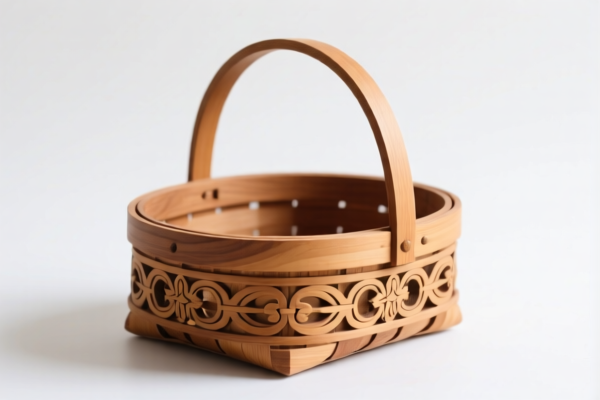
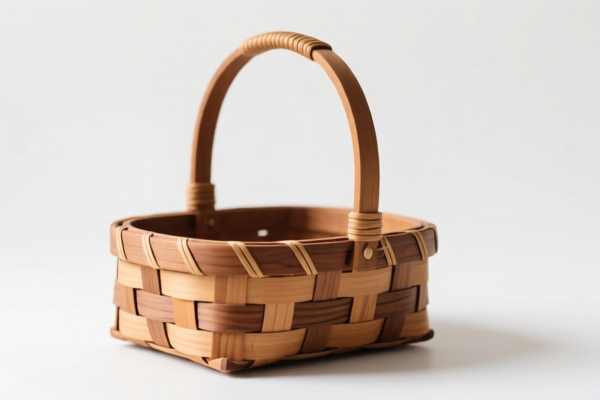
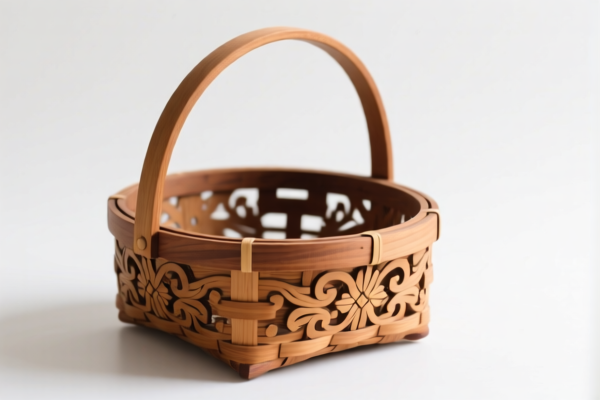
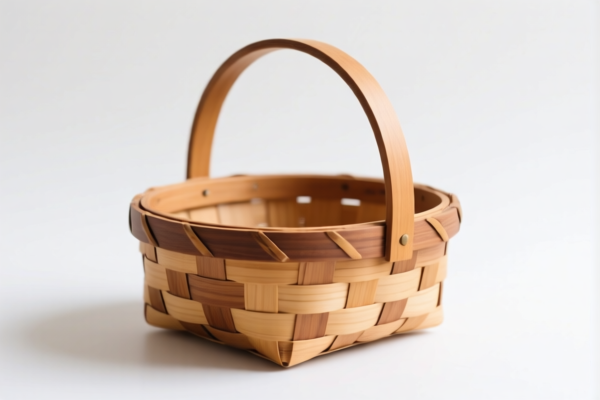
AI Analysis
🧺 Metal Decoration Basket (Iron, Steel, Copper, Aluminum)
🌐 HS Code Reference & Customs Clearance Guide | 2026 Latest Tariff Analysis | Professional Clearance Strategy
📌 I. Product Definition & Classification: Do You Really Understand "Metal Decoration Baskets"?
Metal decoration baskets are versatile household items used for kitchen, dining, or decorative purposes. In international trade, they are classified based on their material composition and specific use. The key distinction lies in the base material, as this directly determines the HS Code and, crucially, the total tax burden under current US trade policies.
⚠️ Critical Distinction:
- Iron/Steel (73xx): Often subject to the highest additional tariffs (Section 301 + Section 232/122).
- Copper (74xx): Subject to significant additional tariffs but slightly lower than steel.
- Aluminum (76xx): Subject to specific 122 Section tariffs on aluminum products.
📦 II. HS Code Classification Details (2026 Latest Tariff Authority Comparison)
Based on the provided data, here is the precise mapping for "Metal Decoration Baskets" depending on material:
| HS Code | Product Description | Material | Use Case | Total Tax Rate* |
|---|---|---|---|---|
| 7323.99.90.80 | Metal decoration basket, iron/steel | Iron / Steel | Kitchen or household items | 88.4% |
| 7323.99.90.30 | Metal decoration basket, iron/steel | Iron / Steel | Kitchen or dining table items | 88.4% |
| 7418.10.00.55 | Metal decoration basket, copper | Copper | Household or kitchen-related | 70.5% |
| 7418.10.00.04 | Metal decoration basket, copper/metal | Copper / Metal | Household or decorative | 70.5% |
| 7615.10.71.80 | Metal decoration basket, aluminum | Aluminum | Cookware or household items | 63.1% |
🔍 Key Insight:
- Steel/Iron baskets carry the highest tax burden at 88.4%.
- Copper baskets fall in the middle at 70.5%.
- Aluminum baskets have the lowest relative rate among these metals at 63.1%, though still high due to specific Section 122 duties.
💰 III. 2026 Latest Tariff Rate Breakdown (Including Additional Taxes & Policy Surcharges)
✅ Applicable Country: United States (US)
✅ Origin: China (CN)
✅ Effective Date: Current trade policies (Section 301, Section 232, Section 122)
🎯 1. 7323.99.90.80 & 7323.99.90.30 —— Metal Decoration Basket (Iron/Steel)
| Item | Detail |
|---|---|
| Basic Tariff | 3.4% |
| Section 301 Additional Tariff | +25.0% |
| Section 122 Tariff (Steel/Aluminum/Copper) | +50.0% |
| Total Effective Rate | 88.4% |
| Calculation Basis | CIF Value × 88.4% |
| De Minimis Exemption | ❌ Not Eligible (High tariff rates usually exclude small packages from de minimis benefits) |
| Legal Basis Path | USITC:7323.99.90.80 → FOOTNOTE:Section301 → FOOTNOTE:Section122(Steel) |
📌 Explanation:
- Basic Tariff (3.4%): Standard WTO applied rate for other table/kitchenware of iron/steel.
- Section 301 (+25%): Retaliatory tariff on Chinese goods.
- Section 122 (+50%): Specific surcharge on steel products.
- Total: 88.4%. This is an extremely high duty rate. Clearance is difficult and costly.
🎯 2. 7418.10.00.55 & 7418.10.00.04 —— Metal Decoration Basket (Copper)
| Item | Detail |
|---|---|
| Basic Tariff | 3.0% |
| Section 301 Additional Tariff | +7.5% |
| Section 122 Tariff (Steel/Aluminum/Copper) | +50.0% |
| Total Effective Rate | 70.5% |
| Calculation Basis | CIF Value × 70.5% |
| De Minimis Exemption | ❌ Not Eligible |
| Legal Basis Path | USITC:7418.10.00.55 → FOOTNOTE:Section301 → FOOTNOTE:Section122(Copper) |
📌 Explanation:
- Basic Tariff (3.0%): Standard rate for copper table/kitchenware.
- Section 301 (+7.5%): Lower than steel in some contexts, but still applies.
- Section 122 (+50%): Applies to copper products as well.
- Total: 70.5%. Still very high, but slightly better than steel.
🎯 3. 7615.10.71.80 —— Metal Decoration Basket (Aluminum)
| Item | Detail |
|---|---|
| Basic Tariff | 3.1% |
| Section 301 Additional Tariff | 0.0% |
| Section 122 Tariff (Steel/Aluminum/Copper) | +50.0% |
| Total Effective Rate | 63.1% |
| Calculation Basis | CIF Value × 63.1% |
| De Minimis Exemption | ❌ Not Eligible |
| Legal Basis Path | USITC:7615.10.71.80 → FOOTNOTE:Section122(Aluminum) |
📌 Explanation:
- Basic Tariff (3.1%): Standard rate for aluminum table/kitchenware.
- Section 301 (0.0%): Notable exception – aluminum products may not have the standard 25% Section 301 rate in this specific subheading, or it is offset/negated by other policies.
- Section 122 (+50%): Applies to aluminum products.
- Total: 63.1%. This is the lowest among the three materials, making it the most cost-effective option for import.
🛠️ IV. Customs Clearance Practical Advice (Avoid Pitfalls)
✅ 1. Required Documentation Checklist
| Document | Mandatory? | Notes |
|---|---|---|
| ✅ Product Specifications | ✔️ | Must clearly state material (e.g., "100% Copper," not just "Metal"). |
| ✅ Commercial Invoice | ✔️ | Must match HS Code description exactly. |
| ✅ Packing List | ✔️ | Weight and dimensions must align with carrier data. |
| ✅ Material Declaration | ✔️ | Critical for Section 122 application. Misdeclaration = Seizure. |
| ✅ Proof of Origin | ✔️ | If not China, preferential rates may apply. |
✅ 2. Classification Tips (Key Mantra)
🔥 “Material Dictates Duty, Section 122 is a Trap!”
| Scenario | Correct HS Code | Wrong Action |
|---|---|---|
| Iron/Steel Basket | 7323.99.90.80 |
Misclassify as "Decor" (9513) → Audit Risk |
| Copper Basket | 7418.10.00.55 |
Misclassify as "Plastic" → Illegal |
| Aluminum Basket | 7615.10.71.80 |
Misclassify as "General Metal" → Section 122 Missed/Overpaid |
| Mixed Material | Determine Primary Material | Claim "Mixed" → Customs Rejection |
✅ 3. Special Considerations
| Situation | Recommendation |
|---|---|
| OEM/Private Label | Ensure supplier declares exact material percentage. Even 1% steel content can trigger steel tariffs. |
| Small Package (De Minimis) | High Risk. Due to total rates >60%, CBP may scrutinize these shipments. Do not rely on $800 de minimis exemption if duties are this high. |
| Raw Material Sourcing | Consider sourcing aluminum baskets from non-China origins (e.g., Vietnam, Mexico) to avoid Section 301 and potentially reduce Section 122 exposure. |
| Customs Bond | Essential. High-duty goods require continuous or single-entry bonds to ensure clearance. |
🌍 V. Global Market Comparison (2026 Latest)
| Country/Region | Recommended HS Code | Duty Rate (China Origin) | Key Requirements | Remarks |
|---|---|---|---|---|
| 🇺🇸 USA | 7615.10.71.80 (Al) |
63.1% | CBP Bond, Accurate Material Decl | Highest barriers. Steel is 88.4%. |
| 🇨🇳 China | 7615.10.71.80 (Al) |
~3-5% | CCC (if applicable) | Low export duties, high import barriers elsewhere. |
| 🇪🇺 EU | 7615.10.90 (Al) |
~4-6% | CE, REACH | No Section 301/122 equivalents. Much lower cost. |
| 🇬🇧 UK | 7615.10.90 (Al) |
~4-6% | UKCA, Post-Brexit Rules | Similar to EU. |
| 🇦🇺 Australia | 7615.10.90 (Al) |
~5% | ACBR Registration | No major surcharges. |
📌 Conclusion:
- USA is the most challenging market for metal baskets due to Section 301 and Section 122 tariffs.
- Aluminum is the most tax-efficient material for US import.
- Steel should be avoided unless the value-add justifies an 88.4% duty.
📌 VI. Common Mistakes & Pitfalls (Lessons Learned)
❌ Mistake 1: Using "Metal Basket" without specifying material
👉 Consequence: Customs may assign the highest default rate or demand a ruling delay.
👉 Fix: Always specify "Stainless Steel," "Copper," or "Aluminum."
❌ Mistake 2: Claiming De Minimis for high-duty items
👉 Consequence: Package held, duties assessed retroactively + penalties.
👉 Fix: For items with >60% duty, use formal entry with a bond.
❌ Mistake 3: Misclassifying as "Home Decor" (Chapter 95)
👉 Consequence: If the primary function is kitchen/household use, it belongs in Chapter 73/74/76. Misclassification leads to audits.
👉 Fix: Ensure description aligns with "Tableware or Kitchenware."
✅ Correct Declaration Example:
"Aluminum Metal Decoration Basket, Household Use, Model XYZ, 100% Aluminum, Section 122 Applicable"
🎯 VII. Conclusion: Professional Classification Saves Money!
🎯 Remember the Mantra:
🔹 “Aluminum Wins, Steel Burns, Copper Learns.”
🔹 “HS Code is King, Section 122 is the Judge.”
🔹 “63% is the Goal, 88% is the Trap.”
📌 Pro Tip:
If your supply chain allows, switch to Aluminum for the US market. The 25% tax difference between Aluminum (63.1%) and Steel (88.4%) is significant.
For high-value decorative copper items, ensure precise classification to avoid overpayment.
📣 Immediate Action:
📞 Consult a licensed customs broker for Pre-Ruling on material composition.
📦 Audit your current supplier’s material certificates.
🚀 Optimize your product mix to minimize Section 122 and Section 301 exposure.
✨ Smart Classification, Smarter Profits!
💼 Every percentage point counts in cross-border trade!
Customer Reviews
About HS Code Classification
The Harmonized System (HS) is an internationally standardized nomenclature developed by the World Customs Organization (WCO) to classify traded products. Over 200 countries use the HS system as the basis for customs tariffs, trade statistics, and import/export regulations.
Each HS code follows a hierarchical structure:
- Chapter (2 digits) — Broad category of goods (e.g., Chapter 84: Machinery and Mechanical Appliances)
- Heading (4 digits) — More specific grouping within the chapter
- Subheading (6 digits) — Internationally standardized breakdown, used by all WCO member countries
- National subdivisions (8-10 digits) — Country-specific extensions for further classification, such as US HTSUS 10-digit codes
Correct HS code classification is essential for smooth customs clearance, accurate duty payment, and compliance with trade regulations. Misclassification can lead to customs delays, overpayment of duties, or penalties.
When importing from CN to US, the applicable tariff rates may include:
- Most-Favored-Nation (MFN) rate — The standard duty rate applied to WTO members
- General rate — Applied to countries without trade agreements
- Trade remedy duties — Additional tariffs such as Section 301 (anti-dumping), Section 232 (national security), or countervailing duties
The information provided on this page is for reference purposes only. For official classification, please consult with your local customs authority or a licensed customs broker.