metal surface treatment agent containing aromatics
CN → US| HS Code | Tariff Rate | Origin | Destination | Doc |
|---|---|---|---|---|
| 3824401000 | 41.5% | CN | US | Official Doc |
| 3402903000 | 39.0% | CN | US | Official Doc |
| 3402501100 | 39.0% | CN | US | Official Doc |
| 3814002000 | 41.5% | CN | US | Official Doc |
| 3814001000 | 41.5% | CN | US | Official Doc |
Product Images
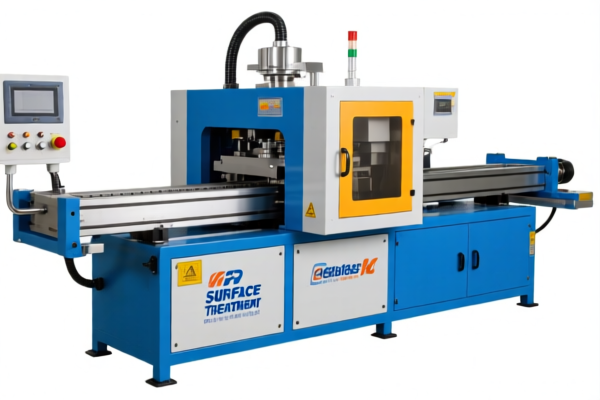
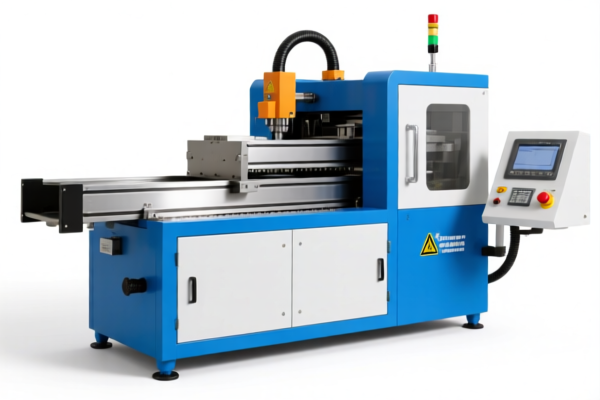
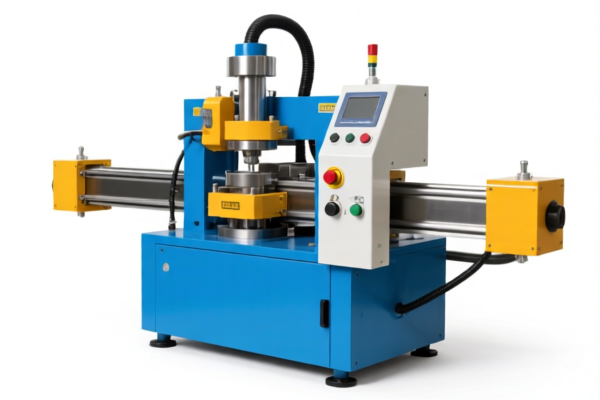
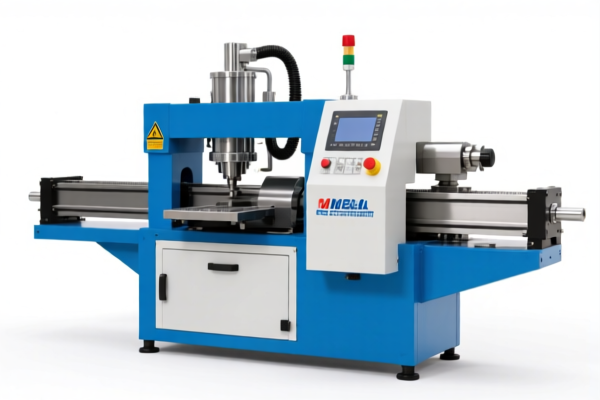
AI Analysis
🧪 Metal Surface Treatment Agent (Containing Aromatics)
🌐 HS Code Reference & Customs Clearance Guide | 2026 Latest Tariff Analysis | Professional Entry Strategy
📌 I. Product Definition: What Exactly Is It?
Metal surface treatment agents containing aromatics are chemical preparations primarily used for cleaning, degreasing, or preparing metal surfaces before further processing (e.g., plating, painting). The key characteristic distinguishing their classification is the aromatic hydrocarbon content and the presence of surfactants.
In international trade, these products fall into two main categories based on their chemical composition: 1. Solvents/Preparations: Where aromatic hydrocarbons are the primary active ingredient (≥5%). 2. Cleaning/Washing Preparations: Where aromatic surfactants are the primary functional ingredient.
⚠️ Critical Distinction Point:
- If the product is primarily a solvent/diluent or surface cleaner with high aromatic content, it often falls under Chapter 38 (Miscellaneous Chemical Products) or Chapter 34 (Soap/Cleaning Preparations) depending on specific formulation.
- Note: The presence of aromatics triggers significant additional tariffs (Section 301 and IEEPA) for imports from China to the US.
📦 II. HS Code Classification Details (2026 Tariff Schedule)
Based on the provided data, the metal surface treatment agent can be classified into five potential HS codes. The choice depends on the exact chemical nature (solvent vs. surfactant-based cleaner).
| HS Code | Summary Description | Applicable Scenario | Key Ingredient Feature |
|---|---|---|---|
3824.40.10.00 |
Metal degreaser containing aromatics; classified as chemical industrial additives containing 5% or more aromatic substances. | Industrial degreasing additives; chemical processing aids. | High aromatic content (≥5%) as an additive. |
3402.90.30.00 |
Metal degreaser containing aromatics; classified as cleaning/washing preparations containing aromatic surfactants. | Liquid cleaners, heavy-duty degreasers. | Functional aromatic surfactants. |
3402.50.11.00 |
Metal degreaser containing aromatics; classified as cleaning/washing preparations containing aromatic surfactants. | Specific liquid detergents with aromatic surfactant profiles. | Specific aromatic surfactant formulation. |
3814.00.20.00 |
Metal degreaser containing aromatics; classified as solvent preparations/diluents containing more than 25% aromatic substances. | Strong solvent-based degreasers; paint removers. | Very high aromatic content (>25%). |
3814.00.10.00 |
Metal degreaser containing aromatics; classified as prepared solvent removers containing 5% or more aromatic substances. | General solvent removers; lighter degreasing agents. | Moderate aromatic content (≥5%). |
🔍 Important Reminder:
- All these HS codes are subject to additional tariffs due to the aromatic content and origin (likely China, based on the "122 Clause" reference in the source data).
- Do not confuse3402(surfactant-based cleaners) with3814/3824(solvent/additive-based preparations). The functional principle (cleaning via surfactants vs. dissolving via solvents) determines the code.
💰 III. 2026 Tariff Rate Breakdown (Including Additional Taxes)
✅ Applicable Country: United States (US)
✅ Origin: China (CN) (Implied by "122 Clause" and standard US-China trade context)
✅ Effective Time: Current rates as of 2026
🎯 1. Group A: Solvent/Additive Based (3824.40.10.00, 3814.00.20.00, 3814.00.10.00)
| Item | Details |
|---|---|
| Base Tariff | 6.5% (Ad Valorem) |
| Section 301 Tariff | +25.0% |
| IEEPA Tariff (Clause 122) | +10.0% |
| Total Tax Rate | 41.5% |
| Calculation Method | CIF Value × 41.5% |
| De Minimis Exemption | ❌ Not Eligible (Deny) |
| Legal Basis Path | USITC:3824.40.10.00 / 3814.00.20.00 / 3814.00.10.00 → Section 301: 25% → IEEPA: 10% |
📌 Explanation:
- The 25% is the standard Section 301 tariff on many chemical goods from China.
- The 10% is an additional levy (referenced as "122 Clause" in source data, likely corresponding to specific IEEPA provisions for certain chemical inputs).
- Total 41.5% is a significant cost driver.
🎯 2. Group B: Surfactant-Based Cleaners (3402.90.30.00, 3402.50.11.00)
| Item | Details |
|---|---|
| Base Tariff | 4.0% (Ad Valorem) |
| Section 301 Tariff | +25.0% |
| IEEPA Tariff (Clause 122) | +10.0% |
| Total Tax Rate | 39.0% |
| Calculation Method | CIF Value × 39.0% |
| De Minimis Exemption | ❌ Not Eligible (Deny) |
| Legal Basis Path | USITC:3402.90.30.00 / 3402.50.11.00 → Section 301: 25% → IEEPA: 10% |
📌 Explanation:
- Slightly lower base tariff (4% vs 6.5%) compared to solvents, but the additional taxes are identical.
- Total 39.0% still represents a high barrier to entry.
🛠️ IV. Customs Clearance Practical Advice (Avoid Pitfalls)
✅ 1. Document Checklist (Essential for Clearance)
| Document | Required? | Notes |
|---|---|---|
| ✅ Product Specification Sheet | ✔️ | Must detail chemical composition, especially aromatic hydrocarbon percentage. |
| ✅ MSDS (Safety Data Sheet) | ✔️ | Critical for classifying hazardous chemicals and determining flammability/safety. |
| ✅ Commercial Invoice | ✔️ | Must clearly state "Metal Degreaser/Surface Treatment Agent" and HS Code. |
| ✅ Packing List | ✔️ | Ensure volume/weight matches customs declarations. |
| ✅ Certificate of Origin | ✔️ | To prove country of origin (China triggers the extra tariffs). |
| ✅ Formula/Composition Report | ✔️ | Crucial to distinguish between 3402 (surfactants) and 3814/3824 (solvents). |
✅ 2. Declaration Tips (Key Mantra)
🔥 "Chemical Composition Determines HS Code, Aromatics Trigger Extra Tariffs!"
| Scenario | Correct Declaration | Common Mistake |
|---|---|---|
| Solvent-based degreaser | 3814.00.10.00 or 3814.00.20.00 |
Misdeclaring as "Cleaning Agent" (3402) to avoid higher base rates → Audit Risk! |
| Surfactant-based cleaner | 3402.90.30.00 |
Overlooking aromatic content → Incorrect Tax Calculation. |
| High Aromatic Content (>25%) | 3814.00.20.00 |
Declaring as lower bracket → Penalties & Back Taxes. |
| Low Aromatic Content (<5%) | Not in list | If <5%, it might fall under different, lower-tariff codes. Check if product qualifies. |
✅ 3. Special Considerations
| Situation | Handling Advice |
|---|---|
| Flammable Liquid | Ensure proper UN packaging and DG (Dangerous Goods) declaration if required. |
| Mixed Chemicals | If the product contains both solvents and surfactants, the principal function or essential character dictates the HS code. |
| Labeling | Ensure labels comply with US EPA and OSHA regulations (GHS labeling). |
🌍 V. Global Market Clearance Comparison (2026)
| Country/Region | Recommended HS Code | Tariff Rate (China Origin) | Certification Requirement | Notes |
|---|---|---|---|---|
| 🇺🇸 USA | 3402 or 3814/3824 |
39.0% - 41.5% | EPA, OSHA, GHS | Highest costs due to Section 301 & IEEPA. |
| 🇨🇳 China | 3402 or 3814 |
~6% - 10% | N/A (Export side) | No additional tariffs for export. |
| 🇪🇺 EU | 3824 or 3402 |
6.5% (Avg) | REACH, CLP | No Section 301 tariffs, but REACH compliance is strict. |
| 🇯🇵 Japan | 3824 or 3402 |
~6.5% | JIS | Moderate tariffs, no major trade war taxes. |
📌 Conclusion:
- The US market is the most challenging due to the 39-41.5% total tariff rate.
- EU and Japan offer more favorable tariff environments, but regulatory compliance (REACH in EU) is rigorous.
📌 VI. Common Errors & Pitfall Guide (Lessons Learned)
❌ Error 1: Misclassifying a solvent-based degreaser as a surfactant-based cleaner (3402).
👉 Consequence: Customs may reassess to 3814, leading to back taxes and penalties.
Fix: Provide chemical analysis to prove the primary active ingredient.
❌ Error 2: Ignoring the aromatic content percentage.
👉 Consequence: If aromatics are >25%, it must be 3814.00.20.00, not 3814.00.10.00.
Fix: Accurate lab testing for aromatic hydrocarbon levels.
❌ Error 3: Assuming De Minimis applies.
👉 Consequence: Shipments under $800 may still be subject to duties if classified as restricted/regulated chemicals.
Fix: Check current US CBP de minimis rules for chemical products.
✅ Correct Approach:
"Metal Degreaser, Solvent-Based, Contains 30% Aromatic Hydrocarbons, For Industrial Use, Model XYZ, MSDS Available"
🎯 VII. Conclusion: Strategic Cost Management
🎯 Remember the Mantra:
🔹 "Solvents pay 41.5%, Cleaners pay 39.0%, Aromatics are the trigger."
🔹 "HS Code determines duty, Chemical Formula determines Code."
📌 Pro Tip:
If your product contains less than 5% aromatics, it may not fall into these high-tariff categories.
Recommendation:
1. Reformulate to reduce aromatic content if possible.
2. Apply for a Pre-Ruling from US Customs (CBP) to secure classification certainty.
3. Consider Transshipment (with caution regarding rules of origin) or sourcing from non-China origins if tariffs are prohibitive.
📣 Immediate Action:
📞 Consult with a licensed customs broker + Provide MSDS + Verify Aromatic Content
🚀 Minimize tariff burden with accurate classification!
✨ Professional Classification Starts with Precise Chemistry!
💼 Every percent of tariff counts in your bottom line!
Customer Reviews
About HS Code Classification
The Harmonized System (HS) is an internationally standardized nomenclature developed by the World Customs Organization (WCO) to classify traded products. Over 200 countries use the HS system as the basis for customs tariffs, trade statistics, and import/export regulations.
Each HS code follows a hierarchical structure:
- Chapter (2 digits) — Broad category of goods (e.g., Chapter 84: Machinery and Mechanical Appliances)
- Heading (4 digits) — More specific grouping within the chapter
- Subheading (6 digits) — Internationally standardized breakdown, used by all WCO member countries
- National subdivisions (8-10 digits) — Country-specific extensions for further classification, such as US HTSUS 10-digit codes
Correct HS code classification is essential for smooth customs clearance, accurate duty payment, and compliance with trade regulations. Misclassification can lead to customs delays, overpayment of duties, or penalties.
When importing from CN to US, the applicable tariff rates may include:
- Most-Favored-Nation (MFN) rate — The standard duty rate applied to WTO members
- General rate — Applied to countries without trade agreements
- Trade remedy duties — Additional tariffs such as Section 301 (anti-dumping), Section 232 (national security), or countervailing duties
The information provided on this page is for reference purposes only. For official classification, please consult with your local customs authority or a licensed customs broker.