methyl chloroform base solvent
CN → US| HS Code | Tariff Rate | Origin | Destination | Doc |
|---|---|---|---|---|
| 3814005010 | 41.0% | CN | US | Official Doc |
| 3824995000 | 41.5% | CN | US | Official Doc |
| 3824995500 | 38.7% | CN | US | Official Doc |
| 2942003500 | 41.5% | CN | US | Official Doc |
| 2942005000 | 38.7% | CN | US | Official Doc |
Product Images
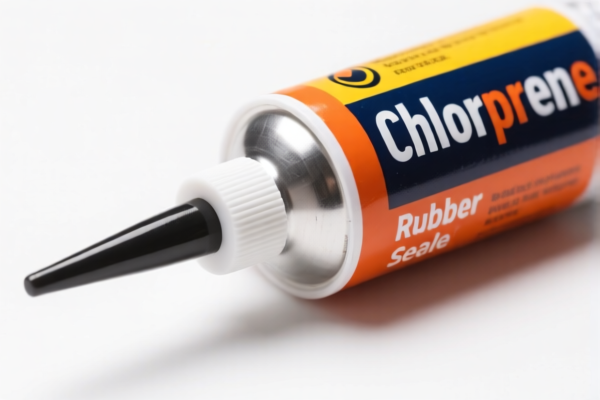
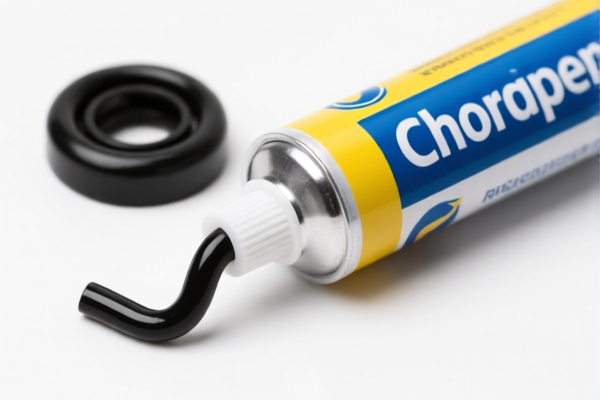
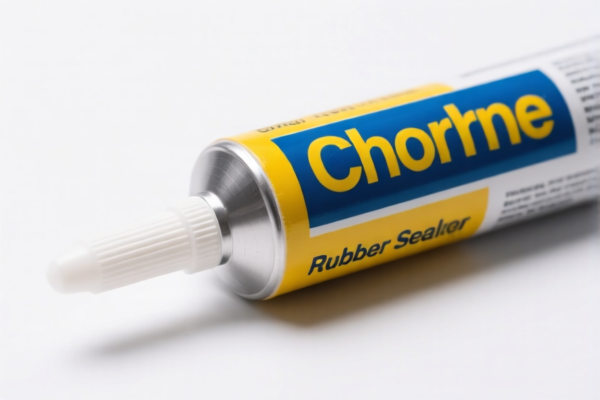
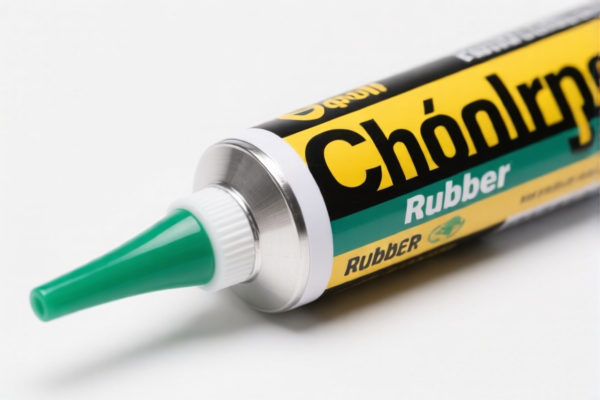
AI Analysis
🧪 Methyl Chloroform (1,1,1-Trichloroethane) Base Solvent
🌐 HS Code Reference & Customs Clearance Guide | 2026 Latest Tariff Analysis | Professional Compliance Strategy
📌 Part I: Product Definition & Classification: What is "Methyl Chloroform"?
Methyl Chloroform, chemically known as 1,1,1-Trichloroethane (1,1,1-TCA), is a powerful halogenated hydrocarbon solvent. Historically used for precision cleaning of metal parts, electronics, and dry cleaning, its trade status is complex due to environmental regulations.
In international trade, it is classified not as a pure chemical, but often as a mixture or preparation, depending on its purity, additives, and intended industrial application. The classification hinges on whether it is treated as a "solvent preparation" or a "chemical compound mixture."
⚠️ Critical Distinction:
- If sold as a specialized industrial solvent blend → Likely Chapter 38 (Miscellaneous Chemical Products);
- If sold as a generic halogenated hydrocarbon mixture → Likely Chapter 38 (Other mixtures);
- If considered a pure organic compound mixture (less common for commercial solvent grades) → Could fall under Chapter 29 (Organic Chemicals), but Chapter 38 is dominant for solvent blends.
📦 Part II: HS Code Classification Details (2026 Latest Tariff Alignment)
Based on the provided data, Methyl Chloroform Base Solvent is categorized under five specific HS Codes, primarily in Chapter 38 (Miscellaneous Chemical Products), with two entries in Chapter 29 (Organic Chemicals).
| HS Code | Product Description | Application Context | Key Characteristic |
|---|---|---|---|
3814.00.50.10 |
Industrial Methyl Chloroform Solvent, Organic Solvents Containing Methyl Chloroform | Precision degreasing, metal cleaning, electronic component cleaning | ✅ Specific Industrial Solvent Preparation |
3824.99.50.00 |
Methyl Chloroform Mixture, Halogenated Hydrocarbon Mixtures | General industrial cleaning, vapor degreasing | ✅ Generic Halogenated Mixture |
3824.99.55.00 |
Methyl Chloroform Mixture, Other Halogenated Hydrocarbon Mixtures | Alternative solvent blends, less common formulations | ✅ Other Halogenated Mixtures |
2942.00.35.00 |
Methyl Chloroform Mixture, Other Organic Compounds | Uncommon classification, possibly for specific chemical processing | ❌ Rarely Used for Solvents |
2942.00.50.00 |
Methyl Chloroform Mixture, Other Organic Compounds (Unspecified Structure) | Generic chemical listing, low specificity | ❌ High Risk of Re-classification |
🔍 Key Insight:
- Chapters 38 vs. 29: Most commercial methyl chloroform solvents are classified under Chapter 38 because they are "preparations" or "mixtures" rather than pure organic compounds.
-3814.00.50.10is the most precise fit for industrial solvent applications.
-2942codes are generally avoided for standard solvents unless the product is a pure chemical intermediate, not a cleaning solvent.
💰 Part III: 2026 Latest Tariff Rate Breakdown (Including Additional Duties)
✅ Applicable Country: USA (US)
✅ Origin: China (CN)
✅ Effective Time: 2025–2026 (Including subsequent imports)
🎯 1. 3814.00.50.10 —— Industrial Methyl Chloroform Solvent
| Item | Detail |
|---|---|
| Base Tariff | 6.0% (ad valorem) |
| Section 301 Additional Tariff | +25.0% |
| Section 122 Tariff | +10.0% |
| Total Effective Tax Rate | 41.0% |
| Tax Calculation | CIF Value × 41.0% |
| De Minimis Exemption | ❌ Not Eligible (High-risk chemical) |
| Legal Path | 3814.00.50.10 → Section 301: Footnote 9903.88.01 → Section 122: IEEPA |
📌 Explanation:
- Base 6%: Standard MFN rate for miscellaneous chemical preparations.
- +25% (Section 301): Standard US-China trade war tariff on many chemical products.
- +10% (Section 122): Additional tariff under IEEPA for specific chemical imports from China.
- Total 41%: High import cost. Must be factored into pricing.
🎯 2. 3824.99.50.00 —— Methyl Chloroform Mixture (Halogenated Hydrocarbon Mixtures)
| Item | Detail |
|---|---|
| Base Tariff | 6.5% |
| Section 301 Additional Tariff | +25.0% |
| Section 122 Tariff | +10.0% |
| Total Effective Tax Rate | 41.5% |
| Tax Calculation | CIF Value × 41.5% |
| De Minimis Exemption | ❌ Not Eligible |
| Legal Path | 3824.99.50.00 → Section 301 → Section 122 |
📌 Note:
- Slightly higher base rate (6.5% vs 6.0%) due to broader classification.
- Commonly used when the solvent is a generic halogenated mixture without specific industrial solvent designation.
🎯 3. 3824.99.55.00 —— Methyl Chloroform Mixture (Other Halogenated Hydrocarbon Mixtures)
| Item | Detail |
|---|---|
| Base Tariff | 3.7% |
| Section 301 Additional Tariff | +25.0% |
| Section 122 Tariff | +10.0% |
| Total Effective Tax Rate | 38.7% |
| Tax Calculation | CIF Value × 38.7% |
| De Minimis Exemption | ❌ Not Eligible |
| Legal Path | 3824.99.55.00 → Section 301 → Section 122 |
📌 Optimization Tip:
- This code offers the lowest total tax (38.7%) among the Chapter 38 options.
- Suitable for less common halogenated blends that don’t fit the "industrial solvent" definition of3814.
- Risk: Must ensure product description matches "other halogenated mixtures" to avoid customs rejection.
🎯 4. 2942.00.35.00 & 2942.00.50.00 —— Other Organic Compounds (Methyl Chloroform Mixtures)
| Item | Detail |
|---|---|
| Base Tariff | 6.5% (Code .35) / 3.7% (Code .50) |
| Section 301 Additional Tariff | +25.0% |
| Section 122 Tariff | +10.0% |
| Total Effective Tax Rate | 41.5% (Code .35) / 38.7% (Code .50) |
| Tax Calculation | CIF × 41.5% or 38.7% |
| De Minimis Exemption | ❌ Not Eligible |
📌 Warning:
- Chapter 29 classifications are rarely appropriate for commercial solvent blends.
- Customs may challenge these codes, arguing that methyl chloroform solvent is a preparation (Chapter 38), not a pure organic compound.
- Risk of Re-classification: High. Potential for audits, penalties, or delayed clearance.
- Recommendation: Avoid unless the product is a pure chemical intermediate for further synthesis, not a cleaning solvent.
🛠️ Part IV: Customs Clearance Practical Advice
✅ 1. Required Documentation Checklist
| Document | Mandatory? | Notes |
|---|---|---|
| ✅ Safety Data Sheet (SDS/MSDS) | ✔️ | Must confirm composition, CAS number (79-01-6), and hazard class (Class 3 Flammable Liquid, Class 8 Corrosive) |
| ✅ Commercial Invoice | ✔️ | Must specify "Methyl Chloroform Solvent" or "1,1,1-Trichloroethane Mixture" |
| ✅ Packing List | ✔️ | Detail net/gross weight, container type |
| ✅ Certificate of Origin | ✔️ | If claiming any potential exemptions (rare for China-origin) |
| ✅ EPA/Toxic Substances Control Act (TSCA) Compliance | ✔️ | Mandatory. Importer must certify TSCA compliance. Methyl chloroform is regulated under EPA guidelines. |
| ✅ Import License (if applicable) | ✔️ | Check if special import permits are required for halogenated solvents |
✅ 2. Declaration Tips (Critical Keywords)
🔥 "Specify Composition, Declare Hazard, TSCA Certified, Avoid Chapter 29!"
| Scenario | Correct Declaration | Incorrect Declaration |
|---|---|---|
| Industrial Degreaser | 3814.00.50.10 – "Industrial Organic Solvent Containing 1,1,1-Trichloroethane" |
"Cleaner" or "Chemical" |
| Generic Mixture | 3824.99.50.00 – "Halogenated Hydrocarbon Mixture" |
"Solvent" (too vague) |
| Pure Chemical? | ❌ Avoid Chapter 29 unless pure intermediate | Using 2942 for solvent blend |
✅ 3. Special Considerations
| Issue | Handling Advice |
|---|---|
| Environmental Regulations | Methyl chloroform is an ODS (Ozone Depleting Substance) under Montreal Protocol. Ensure NESHAP compliance and EPA registration. |
| Hazmat Shipping | Class 3 Flammable, Class 8 Corrosive. Requires UN 1719 packaging. |
| TSCA Certification | Importer must submit EPA TSCA certification at entry. Failure leads to seizure. |
| Chapter 29 Risk | If declared under 2942, customs may demand chemical structure proof. If it’s a solvent blend, reclassification to Chapter 38 will occur, causing delays. |
🌍 Part V: Global Market Comparison (2026)
| Country/Region | Recommended HS Code | Tariff | Key Certification | Notes |
|---|---|---|---|---|
| 🇺🇸 USA | 3814.00.50.10 |
41.0% | TSCA + EPA | High tariff, strict environmental controls |
| 🇪🇺 EU | 3814.00.50 |
~5-6% | REACH + CLP | REACH registration mandatory for importers |
| 🇨🇳 China | 2903.29.00 |
6.5% | CCC (if applicable) | Domestic production also regulated |
| 🇯🇵 Japan | 2903.29.00 |
5-6% | PRTR Act | Notification required for chemical imports |
📌 Conclusion:
- USA imposes the highest effective duty (41%) due to Section 301 and 122 tariffs.
- Environmental compliance (TSCA/EPA) is as critical as tariff calculation.
- Chapter 38 is the safest and most accurate classification for methyl chloroform solvents.
📌 Part VI: Common Mistakes & Pitfalls
❌ Mistake 1: Classifying under Chapter 29 (2942) for a commercial solvent blend
👉 Result: Customs rejection, reclassification to Chapter 38, penalties.
❌ Mistake 2: Omitting TSCA Certification
👉 Result: Shipment seized by CBP/EPA, fines up to $100,000+ per violation.
❌ Mistake 3: Using vague terms like "Chemical Solvent"
👉 Result: Delays for further inquiry, potential demurrage charges.
❌ Mistake 4: Ignoring Hazmat Classification
👉 Result: Shipping carrier rejection, safety violations.
✅ Correct Approach:
"Methyl Chloroform Base Solvent (1,1,1-Trichloroethane Mixture), Industrial Grade, UN 1719, TSCA Compliant, HS Code 3814.00.50.10"
🎯 Part VII: Final Recommendations
🎯 Key Takeaways:
🔹 Best HS Code:
3814.00.50.10(41.0% total) for precise industrial solvent definition.
🔹 Lowest Duty Option:3824.99.55.00(38.7% total) if product fits "other halogenated mixtures."
🔹 Avoid Chapter 29 unless it’s a pure chemical intermediate.
🔹 TSCA Compliance is Non-Negotiable for US imports.
📌 Action Plan:
1. Confirm Product Composition: Is it a pure compound or mixture?
2. Select HS Code: Prefer 3814.00.50.10 or 3824.99.55.00.
3. Obtain TSCA Certification: Ensure EPA compliance.
4. Prepare Hazmat Documentation: UN 1719 packaging, Class 3/8 labels.
5. Calculate Landed Cost: Include 41% tariff + freight + insurance.
📣 Immediate Step:
📞 Engage a licensed customs broker.
📄 Submit TSCA certification with entry summary.
🚀 Ensure smooth, compliant clearance for methyl chloroform solvents.
✨ Precision Classification, Full Compliance, Cost Efficiency!
💼 Your chemical imports, handled with expertise.
Customer Reviews
About HS Code Classification
The Harmonized System (HS) is an internationally standardized nomenclature developed by the World Customs Organization (WCO) to classify traded products. Over 200 countries use the HS system as the basis for customs tariffs, trade statistics, and import/export regulations.
Each HS code follows a hierarchical structure:
- Chapter (2 digits) — Broad category of goods (e.g., Chapter 84: Machinery and Mechanical Appliances)
- Heading (4 digits) — More specific grouping within the chapter
- Subheading (6 digits) — Internationally standardized breakdown, used by all WCO member countries
- National subdivisions (8-10 digits) — Country-specific extensions for further classification, such as US HTSUS 10-digit codes
Correct HS code classification is essential for smooth customs clearance, accurate duty payment, and compliance with trade regulations. Misclassification can lead to customs delays, overpayment of duties, or penalties.
When importing from CN to US, the applicable tariff rates may include:
- Most-Favored-Nation (MFN) rate — The standard duty rate applied to WTO members
- General rate — Applied to countries without trade agreements
- Trade remedy duties — Additional tariffs such as Section 301 (anti-dumping), Section 232 (national security), or countervailing duties
The information provided on this page is for reference purposes only. For official classification, please consult with your local customs authority or a licensed customs broker.