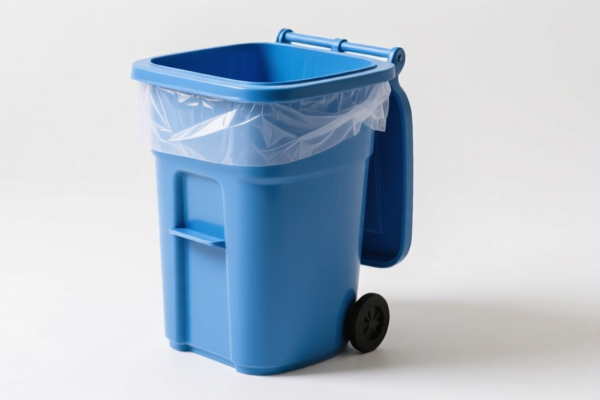
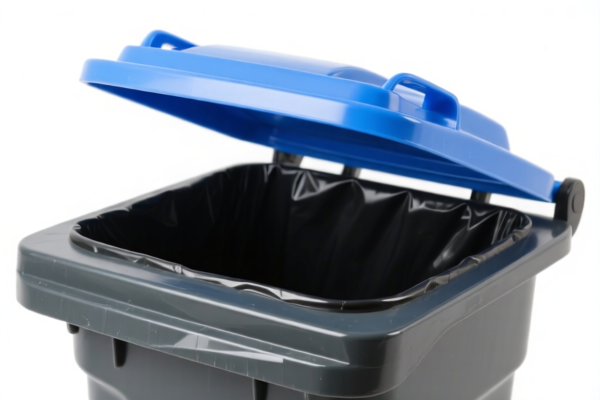
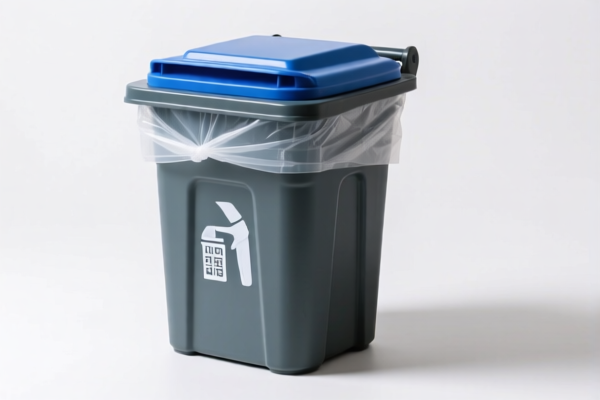
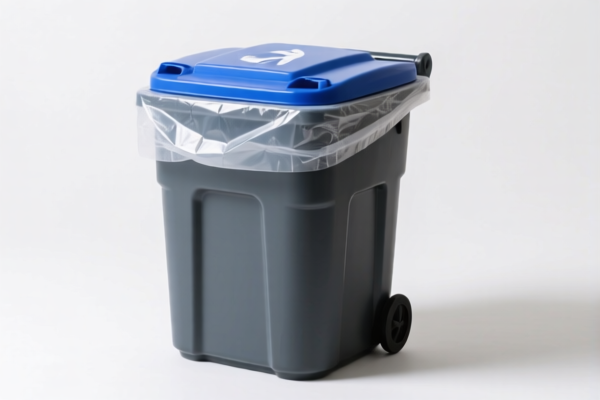
mini car trash can bin
CN → US| HS Code | Tariff Rate | Origin | Destination | Doc |
|---|---|---|---|---|
| 3924104000 | 13.4% | CN | US | Official Doc |
| 3924905650 | 20.9% | CN | US | Official Doc |
| 3926901000 | 20.9% | CN | US | Official Doc |
| 3926909989 | 22.8% | CN | US | Official Doc |
| 7326908688 | 87.9% | CN | US | Official Doc |
Product Images
AI Analysis
🚗 Mini Car Trash Can Bin (Automotive Waste Containers)
🌐 HS Code Reference & Customs Clearance Guide | 2026 Latest Tariff Analysis | Professional Clearance Strategy
📌 I. Product Definition & Classification: What Exactly Is a "Car Trash Can"?
A Mini Car Trash Can Bin is a small-scale container designed specifically for interior vehicle use. In international trade, its classification depends heavily on material composition and specific designation as "household" vs. "other".
Key Distinctions:
* Plastic Household Waste Bins (3924.10.40.00): If the bin is primarily used for general household waste and made of plastic, it falls under "tableware, kitchenware, other household articles". However, if it is exclusively or primarily designed for automotive use, customs may reject this "household" classification.
* Other Plastic Articles (3924.90.56.50 / 3926.90.10.00 / 3926.90.99.89): If the bin is specifically shaped for car seats, cup holders, or dashboards, or made of materials not strictly defined as "household," it shifts to other plastic chapter codes.
* Metal Articles (7326.90.86.88): If the bin is made of steel, aluminum, or copper, it is classified under metal products.
⚠️ Critical Note:
- The term "Household" in HS Code 3924 is strict. If the product is clearly marketed for cars, customs may deem 3924.10.40.00 as misclassified, leading to higher tariffs under 3926 or 7326.
- Material verification is key: Is it rigid plastic? Soft silicone? Metal?
📦 II. HS Code Classification Details (2026 Latest Tariff Reference)
Based on the provided data, here are the 5 possible HS Codes for a Mini Car Trash Can Bin, ranging from lowest to highest tax liability.
| HS Code | Product Description & Logic | Tax Rate (Total) | Key Material/Use Constraint |
|---|---|---|---|
3924.10.40.00 |
Plastic Household Waste Bin Inferred material: Plastic. Assumed to fit "household" category (low risk if generic). |
13.4% | ✅ Lowest Tax ⚠️ Risk: Must prove "household" use. |
3926.90.10.00 |
Plastic Bucket/Container (Other) Form: Bucket-like. Material: Plastic. Fits "other plastic containers." |
20.9% | 🟡 Moderate Risk 🔒 Standard for non-household plastic bins. |
3924.90.56.50 |
Other Plastic Household Articles Use: Household/Homeware. Material: Plastic. Not listed elsewhere. |
20.9% | 🟡 Moderate Risk 🔒 Similar to 3926 but different chapter logic. |
3926.90.99.89 |
Other Plastic Articles (Residual) Material: Plastic. Classified under "Other" residual category for plastic制品. |
22.8% | 🔴 Higher Risk 🔒 Last resort for plastic items. |
7326.90.86.88 |
Other Metal Articles (Steel/Aluminum/Copper) Material: Metal (Steel/Aluminum/Copper). Non-specific metal制品. |
87.9% | 🔴🔴 CRITICAL WARNING 🔒 Highest Tax due to Section 301/122 tariffs on metals. |
🔍 重点提醒 (Critical Insight):
- Plastic vs. Metal: Choosing metal (7326) increases tax from ~13-22% to ~88%. Avoid metal unless absolutely necessary.
- "Household" Loophole:3924.10.40.00offers the lowest tax (13.4%), but only if the bin is not explicitly branded/shaped for cars. Generic, unbranded plastic bins are safer here.
- 122 Section Tariffs: All codes include a 10% "122 Clause" tariff (Section 122, China-specific additional duties).
💰 III. 2026 Latest Tariff Breakdown (Detailed Tax Structure)
✅ Applicable Country: United States (US)
✅ Origin: China (CN)
✅ Effective Date: Post-November 2025 (Current Policy)
🎯 1. 3924.10.40.00 – Plastic Household Waste Bin (Lowest Risk)
| Item | Details |
|---|---|
| Base Tariff | 3.4% |
| Section 301 Additional Tariff | 0.0% (Not applicable for this subheading under current rules) |
| Section 122 Tariff | 10.0% (Specific to China-origin plastic household goods) |
| Total Tax Rate | 13.4% |
| Calculation | CIF Value × 13.4% |
| De Minimis Eligibility | ❌ No (Deny De Minimis for Section 122 items) |
| Legal Basis | USITC:3924.10.40.00 → Section 122: 10% |
📌 Explanation:
- This is the most favorable code for plastic bins.
- Why only 3.4% base? It falls under a duty-free or low-duty plastic household item category.
- Why 10% added? Section 122 targets specific Chinese-origin household plastics.
- Total: 13.4% – This is highly competitive.
🎯 2. 3924.90.56.50 – Other Plastic Household Articles
| Item | Details |
|---|---|
| Base Tariff | 3.4% |
| Section 301 Additional Tariff | 7.5% |
| Section 122 Tariff | 10.0% |
| Total Tax Rate | 20.9% |
| Calculation | CIF Value × 20.9% |
| De Minimis Eligibility | ❌ No |
| Legal Basis | USITC:3924.90.56.50 → Section 301: 7.5% → Section 122: 10% |
📌 Note:
- Slightly higher than 3924.10 due to Section 301 tariffs (7.5%) applying to "other" plastic household goods.
- Still reasonable compared to metal or residual plastic codes.
🎯 3. 3926.90.10.00 – Plastic Containers (Other)
| Item | Details |
|---|---|
| Base Tariff | 3.4% |
| Section 301 Additional Tariff | 7.5% |
| Section 122 Tariff | 10.0% |
| Total Tax Rate | 20.9% |
| Calculation | CIF Value × 20.9% |
| De Minimis Eligibility | ❌ No |
| Legal Basis | USITC:3926.90.10.00 → Section 301: 7.5% → Section 122: 10% |
📌 Note:
- Same tax burden as 3924.90.56.50.
- Used if the bin is considered a "container" rather than a "household article."
🎯 4. 3926.90.99.89 – Other Plastic Articles (Residual)
| Item | Details |
|---|---|
| Base Tariff | 5.3% |
| Section 301 Additional Tariff | 7.5% |
| Section 122 Tariff | 10.0% |
| Total Tax Rate | 22.8% |
| Calculation | CIF Value × 22.8% |
| De Minimis Eligibility | ❌ No |
| Legal Basis | USITC:3926.90.99.89 → Section 301: 7.5% → Section 122: 10% |
📌 Note:
- Highest tax among plastic options due to a higher Base Tariff (5.3%).
- Use only if no other plastic category fits.
🎯 5. 7326.90.86.88 – Metal Articles (Steel/Aluminum/Copper)
| Item | Details |
|---|---|
| Base Tariff | 2.9% |
| Section 301 Additional Tariff | 25.0% |
| Section 122 Tariff | 10.0% |
| Steel/Aluminum/Copper Surtax | 50.0% |
| Total Tax Rate | 87.9% |
| Calculation | CIF Value × 87.9% |
| De Minimis Eligibility | ❌ No |
| Legal Basis | USITC:7326.90.86.88 → Section 301: 25% → Section 122: 10% → Steel/Al/Cu Surcharge: 50% |
🚨 CRITICAL WARNING:
- 87.9% is extremely high!
- This code applies if the bin is made of metal (steel, aluminum, copper).
- Avoid metal bins for US export unless you have a very high-margin product.
- The 50% surcharge for Steel/Aluminum/Copper is a major deterrent.
🛠️ IV. Customs Clearance Practical Advice (Avoid Pitfalls)
✅ 1. Material Declaration is Key
| Material | Recommended HS Code | Strategy |
|---|---|---|
| Plastic (Generic) | 3924.10.40.00 |
Declare as "Plastic Waste Bin." Avoid "Car-specific" branding on the product itself. |
| Plastic (Shaped for Car) | 3926.90.10.00 |
If it’s uniquely shaped for cup holders, declare as "Plastic Container." |
| Metal (Steel/Aluminum) | 7326.90.86.88 |
AVOID. High tax. Not recommended for US market. |
✅ 2. Naming & Description Tips
🔥 "Generic Name, High Volume, Plastic Only!"
| Scenario | Correct Declaration | Incorrect Declaration |
|---|---|---|
| Plastic Bin | "Plastic Waste Container, Model ABC" | "Metal Car Trash Can, Stainless Steel" |
| Material | "100% Polypropylene (PP)" | "Aluminum Alloy" |
| Use | "For Household/Automotive Use" | "Exclusively for BMW/X5" (May trigger non-household review) |
📌 Tip:
- If using3924.10.40.00, ensure the product is not exclusively designed for cars (e.g., no car-specific mounting clips visible).
- Use terms like "General Purpose Plastic Bin" to support the "household" classification.
✅ 3. Special Cases
| Case | Handling Advice |
|---|---|
| OEM with Car Brand Logo | Risk of being classified as "automotive accessory" (not household). May shift to 3926 or 8708.99. Check with broker. |
| Mixed Materials | If >50% plastic, classify as plastic. If >50% metal, classify as metal (Avoid). |
| De Minimis ($800) | ❌ Not Eligible. Section 122 tariffs apply to shipments under $800. All values are taxable. |
🌍 V. Global Market Comparison (2026)
| Country/Region | Recommended HS Code | Tax Rate (China Origin) | Notes |
|---|---|---|---|
| 🇺🇸 USA | 3924.10.40.00 |
13.4% | Lowest tax for plastic. Avoid metal. |
| 🇨🇳 China | 3924.10.40.00 |
~5-7% | Standard import duty. No Section 122. |
| 🇪🇺 EU | 3924.10.40.00 |
~3-6% | No Section 122 or 301. CE marking required. |
| 🇬🇧 UK | 3924.10.40.00 |
~3-6% | Post-Brexit rules apply. UKCA marking. |
📌 Conclusion:
- USA is the most complex market due to Section 122 (10%) and Section 301 (7.5% or 25%).
- Plastic bins are viable with 13.4%-20.9% tax.
- Metal bins are prohibited for cost reasons (87.9%).
📌 VI. Common Mistakes & Pitfalls (Blood & Tears)
❌ Mistake 1: Declaring a metal bin as plastic
👉 Consequence: Customs inspection finds metal → Backpay 74.5% difference + penalties!
❌ Mistake 2: Using "Car Trash Can" as the primary product name
👉 Consequence: Customs may reject 3924 (Household) and shift to 3926 (Other) → Tax increases from 13.4% to 20.9%+.
❌ Mistake 3: Assuming De Minimis ($800) applies
👉 Consequence: Section 122 tariffs apply to all shipments, regardless of value. No tax exemption.
❌ Mistake 4: Ignoring Section 122
👉 Consequence: Even if base tariff is 0%, 10% Section 122 still applies. Total tax is never 0%.
✅ Correct Approach:
"Plastic Waste Bin, Model XYZ, 100% PP, General Use, No Car-Specific Mounting"
🎯 VII. Conclusion: Professional Clearance, Cost Optimization!
🎯 Remember:
🔹 "Plastic is King, Metal is Death!"
🔹 "Household Classification = 13.4% Tax"
🔹 "Section 122 Applies to All, No De Minimis!"
📌 Tips:
- If your bin is plastic, aim for 3924.10.40.00 for the lowest tax (13.4%).
- Avoid metal (7326) unless you are prepared to pay 87.9%.
- Pre-clearance Ruling: Consider applying for an Advance Ruling from US Customs if your bin’s classification is ambiguous (e.g., plastic with metal clips).
📣 Immediate Action:
📞 Contact your customs broker + Provide material composition + Confirm no metal components
🚀 Clear your car trash cans quickly, profitably, and compliantly!
✨ Professional Clearance Starts with Accurate Classification!
💼 Every Penny Saved is Pure Profit!
Customer Reviews
About HS Code Classification
The Harmonized System (HS) is an internationally standardized nomenclature developed by the World Customs Organization (WCO) to classify traded products. Over 200 countries use the HS system as the basis for customs tariffs, trade statistics, and import/export regulations.
Each HS code follows a hierarchical structure:
- Chapter (2 digits) — Broad category of goods (e.g., Chapter 84: Machinery and Mechanical Appliances)
- Heading (4 digits) — More specific grouping within the chapter
- Subheading (6 digits) — Internationally standardized breakdown, used by all WCO member countries
- National subdivisions (8-10 digits) — Country-specific extensions for further classification, such as US HTSUS 10-digit codes
Correct HS code classification is essential for smooth customs clearance, accurate duty payment, and compliance with trade regulations. Misclassification can lead to customs delays, overpayment of duties, or penalties.
When importing from CN to US, the applicable tariff rates may include:
- Most-Favored-Nation (MFN) rate — The standard duty rate applied to WTO members
- General rate — Applied to countries without trade agreements
- Trade remedy duties — Additional tariffs such as Section 301 (anti-dumping), Section 232 (national security), or countervailing duties
The information provided on this page is for reference purposes only. For official classification, please consult with your local customs authority or a licensed customs broker.