mini handheld shredder
CN → US| HS Code | Tariff Rate | Origin | Destination | Doc |
|---|---|---|---|---|
| 8479820080 | 35.0% | CN | US | Official Doc |
| 8438800000 | 35.0% | CN | US | Official Doc |
| 8479820040 | 35.0% | CN | US | Official Doc |
| 4707900000 | 35.0% | CN | US | Official Doc |
| 8479820080 | 35.0% | CN | US | Official Doc |
Product Images
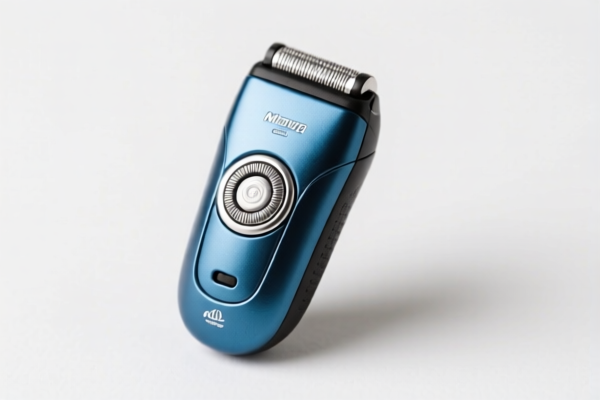
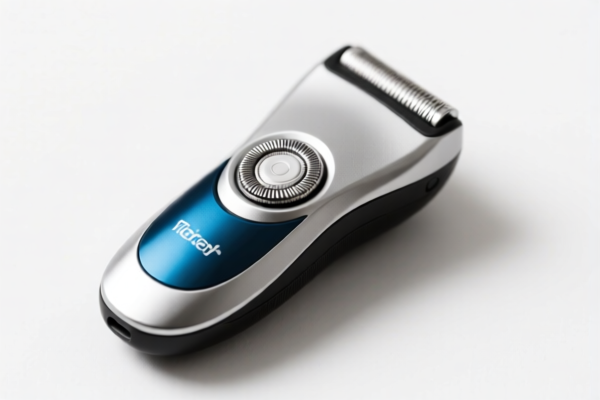
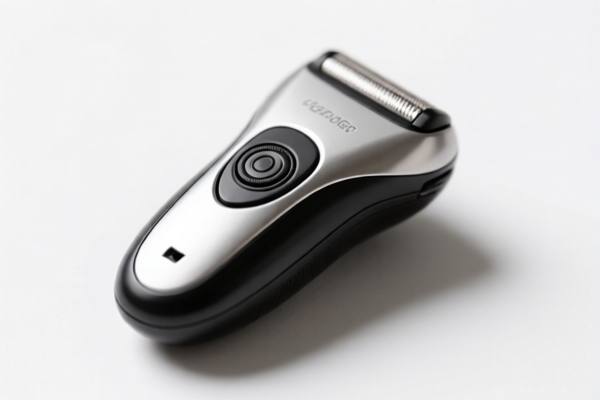
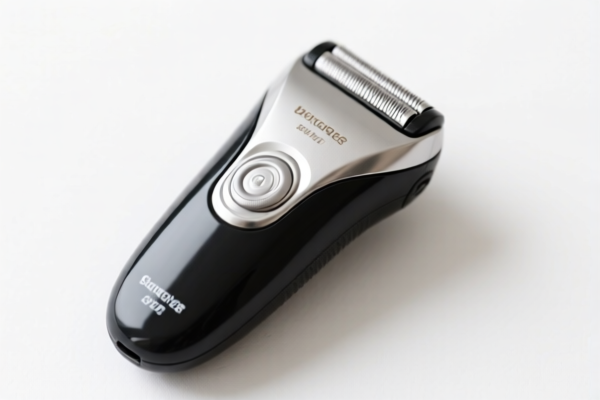
AI Analysis
✂️ Mini Handheld Shredder
🌐 HS Code Reference & Customs Clearance Guide | 2026 Latest Tariff Analysis | Professional Compliance Strategy
📌 I. Product Definition & Classification: What is a "Mini Handheld Shredder"?
A Mini Handheld Shredder is a compact, portable device designed for the mechanical destruction of paper materials. In international trade, its classification depends heavily on whether it is viewed as a specialized machine performing a specific mechanical function (crushing/shredding) or as a processing machine for waste materials.
Key Classification Ambiguity:
- Functional Machinery (Shredding/Crushing): If the primary function is defined as "crushing" or "shredding" (similar to industrial crushers but miniaturized), it may fall under general machinery for crushing/grinding.
- Waste Processing: If viewed strictly as equipment for processing paper waste, it might be classified differently.
- Material/State: If the product is considered "recycled waste paper" rather than a machine, the classification shifts entirely to raw material categories.
⚠️ Critical Distinction:
- Is it a machine that performs the action of shredding? → Look at 8479 or 8438.
- Is it shredded paper (the output)? → Look at 4707.
Note: The provided data suggests potential classifications for both the machine itself (based on function) and potentially confused categories for the material. We must clarify that for a device, we look at machinery headings.
📦 II. HS Code Classification Details (2026 Latest Tariff Authority Reference)
Based on the provided <DATA>, here are the specific HS Codes associated with the concept of "shredding" or "paper processing/crushing." Please note that while some codes in the data (like 4707) refer to the material (waste paper), the others refer to the machine.
| HS Code | Product Description | Applicable Scenario | Classification Logic |
|---|---|---|---|
8479.82.00.80 |
Shredder Machines – Machines with individual functions, falling under the category of crushing/grinding. | General office or mini handheld shredders defined as "crushing" machinery. | ✅ Machine (Crushing/Grinding function) |
8438.80.00.00 |
Other Machinery – Processing equipment under other machinery categories. | Shredders classified broadly as "processing machines" for paper. | ✅ Machine (Processing equipment) |
8479.82.00.40 |
Mixing/Kneading Machines – Machinery for crushing, kneading, or stirring. | Shredders defined as "crushing" machines similar to mixing/kneading equipment. | ✅ Machine (Crushing/Kneading function) |
4707.90.00.00 |
Recycled Waste Paper & Board – Matching material (paper) and form (shredded/recycled waste). | Note: This code refers to the product output (waste paper), not the machine. Included in data as a potential misclassification or related material code. | ❌ Material (Waste Paper) |
🔍 Key Insight from Data:
- The data explicitly links "Shredder" (碎纸机) and "Crushing/Grinding" (压碎、研磨) to 8479.82.00.80.
- It also links "Shredding Purpose" (碎纸) to 8438.80.00.00 as processing machinery.
- It links "Crushing" (粉碎) to 8479.82.00.40 under mixing/kneading machinery.
- Warning:4707.90.00.00is for waste paper, not the machine. If you are shipping the device, do not use 4707. If you are shipping shredded paper samples, use 4707.
💰 III. 2026 Latest Tariff Rate Breakdown (Including Surcharges & Policy Add-ons)
✅ Applicable Country: United States (US)
✅ Origin: China (CN)
✅ Effective Time: November 10, 2025 onwards (for subsequent imports)
All HS Codes provided in the <DATA> share the same tax structure in the source text.
🎯 1. 8479.82.00.80 – Shredder/Crushing Machinery
| Item | Detail |
|---|---|
| Base Tariff | 0.0% (ad valorem) |
| Section 301 Surcharge (Added Tariff) | +25.0% |
| Section 122 Tariff | +10.0% |
| Total Tax Rate | 35.0% |
| Tax Calculation | CIF Value × 35% |
| De Minimis Eligibility | ❌ Not Eligible (High risk of scrutiny for machinery) |
| Legal Basis Path | Base Tariff: 0% + Section 301: 25% + Section 122: 10% |
📌 Explanation:
- The 0% base rate is typical for many machinery items.
- The 25% Section 301 tariff applies to Chinese-made machinery under specific HTS subheadings.
- The 10% Section 122 tariff is an additional duty often applied to certain Chinese goods.
- Total 35% is a significant cost factor. Misclassification can lead to severe penalties or underpayment issues.
🎯 2. 8438.80.00.00 – Other Processing Machinery
| Item | Detail |
|---|---|
| Base Tariff | 0.0% |
| Section 301 Surcharge | +25.0% |
| Section 122 Tariff | +10.0% |
| Total Tax Rate | 35.0% |
| Tax Calculation | CIF Value × 35% |
| De Minimis Eligibility | ❌ Not Eligible |
| Legal Basis Path | Same as above |
🎯 3. 8479.82.00.40 – Mixing/Crushing Machinery
| Item | Detail |
|---|---|
| Base Tariff | 0.0% |
| Section 301 Surcharge | +25.0% |
| Section 122 Tariff | +10.0% |
| Total Tax Rate | 35.0% |
| Tax Calculation | CIF Value × 35% |
| De Minimis Eligibility | ❌ Not Eligible |
| Legal Basis Path | Same as above |
📌 Note:
- Even though the functional descriptions differ (Shredding vs. Processing vs. Mixing), the tax impact is identical in this dataset.
- The critical factor is accurate description to avoid customs rejection or audits for misclassification.
⚠️ Special Case: 4707.90.00.00 – Recycled Waste Paper
| Item | Detail |
|---|---|
| Base Tariff | 0.0% |
| Section 301 Surcharge | +25.0% |
| Section 122 Tariff | +10.0% |
| Total Tax Rate | 35.0% |
| Applicability | Only for shredded paper waste, NOT the machine. |
🛠️ IV. Customs Clearance Practical Advice (Real-World Pitfall Avoidance)
✅ 1. Required Documentation Checklist (Non-negotiable)
| Document | Must Provide | Explanation |
|---|---|---|
| ✅ Product Spec Sheet | ✔️ | Must clearly state: "Mini Handheld Paper Shredder," power rating (W), blade type, max paper thickness. |
| ✅ Product Photos | ✔️ | Clear images of the device, blades, power adapter, and any safety locks. |
| ✅ Commercial Invoice | ✔️ | Must explicitly state the HS Code and detailed description. Avoid vague terms like "Gadget." |
| ✅ Country of Origin Certificate | ✔️ | To prove Chinese origin and apply correct tariffs. |
| ✅ Declaration of Function | ✔️ | Explicitly state: "The item is a mechanical device for shredding paper, NOT waste paper itself." |
✅ 2. Declaration Strategy (Key Tips)
🔥 "Machine vs. Material: Define Clearly!"
| Scenario | Correct Declaration | Wrong Declaration | Consequence |
|---|---|---|---|
| Shipping the Shredder Device | 8479.82.00.80 – "Mini Handheld Paper Shredder Machine" |
"Paper Shredder" (too vague) or "Recycling Bin" | ❌ High risk of classification error. |
| Shipping Shredded Paper Samples | 4707.90.00.00 – "Recycled Waste Paper" |
"Shredder Machine" | ✅ Correct if only paper is shipped. |
| Mixed Shipment (Device + Shredded Paper) | Separate line items for Machine and Material | Combined as one line | ⚠️ Complex valuation; risk of tax underpayment if machine is missed. |
✅ 3. Special Handling
| Situation | Recommendation |
|---|---|
| Mini/Portable Design | Ensure the HS Code matches the mechanical function (crushing/shredding), not just size. Size does not exempt it from Section 301. |
| Plastic vs. Metal Parts | Do not let material composition distract from the primary function. It is a machine, not a plastic part. |
| Power Supply | Include the voltage/frequency in the description to clarify it is an electrical appliance, supporting the "machine" classification. |
🌍 V. Global Market Comparison (2026 Latest)
| Country/Region | Recommended HS Code (for Machine) | Tariff (China Origin) | Certification Requirements | Notes |
|---|---|---|---|---|
| 🇺🇸 USA | 8479.82.00.80 or 8438.80.00.00 |
35% (0% + 25% + 10%) | FCC (for electrical components) | High tariff burden. |
| 🇨🇳 China | 8479.82.00.80 |
5% - 10% (General) | CCC (if applicable) | Domestic use. |
| 🇪🇺 EU | 8479.82.00.80 |
~0-3% | CE, RoHS | No Section 301/122 equivalent. |
| 🇬🇧 UK | 8479.82.00.80 |
~0-3% | UKCA, RoHS | Post-Brexit rules apply. |
📌 Conclusion:
- The 35% tariff is specific to the US market due to trade policies (Section 301 & 122).
- For other markets, the tariff is significantly lower, but CE/UKCA certification is crucial.
📌 VI. Common Errors & Pitfalls (Lessons Learned)
❌ Error 1: Declaring the Shredder Machine as "Office Supplies" or "General Goods"
👉 Consequence: Misclassification. Customs may reject the entry or apply incorrect (higher) ad-hoc rates.
👉 Fix: Use precise HS Code 8479.82.00.80 and describe it as a Machine.
❌ Error 2: Confusing the Machine with the Output (Shredded Paper)
👉 Consequence: If you ship the device but declare it as 4707.90.00.00 (Waste Paper), it will be rejected because it is not paper.
👉 Fix: Clearly distinguish: Device = Machine (8479/8438), Output = Waste Paper (4707).
❌ Error 3: Omitting the "Section 122" or "Section 301" surcharge in cost calculation
👉 Consequence: Profit margin erosion. You planned for 0% duty, but 35% hits at border.
👉 Fix: Always calculate CIF × 35% for US-bound machinery from China.
✅ Correct Practice:
"Mini Handheld Paper Shredder, Electric, Model XYZ, Made in China, HS Code 8479.82.00.80, FCC Certified"
🎯 VII. Conclusion: Precise Classification Saves Money
🎯 Remember the Mantra:
🔹 "Machine is Machine, Not Material. HS 8479 is Key. 35% Tax in US."
🔹 "Describe Function, Not Just Size. Avoid 4707 for Devices."
📌 Tips:
- If you are exporting to the US, budget for 35% total duties.
- Ensure your FCC certification is valid, as electrical devices require it.
- Consider pre-classification rulings with US Customs if the product is unique (e.g., highly portable, non-standard shape).
📣 Immediate Action:
📞 Contact your freight forwarder with the exact model number.
📄 Prepare the HS Code 8479.82.00.80 declaration for US shipments.
🚀 Accurate classification ensures smooth customs clearance and predictable costs!
✨ Professional Clearance Starts with Accurate Classification!
💼 Every percentage point counts in international trade!
Customer Reviews
About HS Code Classification
The Harmonized System (HS) is an internationally standardized nomenclature developed by the World Customs Organization (WCO) to classify traded products. Over 200 countries use the HS system as the basis for customs tariffs, trade statistics, and import/export regulations.
Each HS code follows a hierarchical structure:
- Chapter (2 digits) — Broad category of goods (e.g., Chapter 84: Machinery and Mechanical Appliances)
- Heading (4 digits) — More specific grouping within the chapter
- Subheading (6 digits) — Internationally standardized breakdown, used by all WCO member countries
- National subdivisions (8-10 digits) — Country-specific extensions for further classification, such as US HTSUS 10-digit codes
Correct HS code classification is essential for smooth customs clearance, accurate duty payment, and compliance with trade regulations. Misclassification can lead to customs delays, overpayment of duties, or penalties.
When importing from CN to US, the applicable tariff rates may include:
- Most-Favored-Nation (MFN) rate — The standard duty rate applied to WTO members
- General rate — Applied to countries without trade agreements
- Trade remedy duties — Additional tariffs such as Section 301 (anti-dumping), Section 232 (national security), or countervailing duties
The information provided on this page is for reference purposes only. For official classification, please consult with your local customs authority or a licensed customs broker.