mini screw
CN → US| HS Code | Tariff Rate | Origin | Destination | Doc |
|---|---|---|---|---|
| 7318141060 | 91.2% | CN | US | Official Doc |
| 7318156070 | 91.2% | CN | US | Official Doc |
| 7415330500 | 88.0% | CN | US | Official Doc |
| 8302498090 | 38.5% | CN | US | Official Doc |
| 7415338050 | 88.0% | CN | US | Official Doc |
Product Images
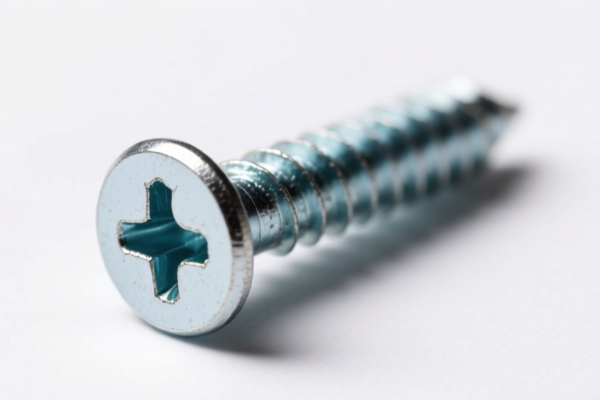
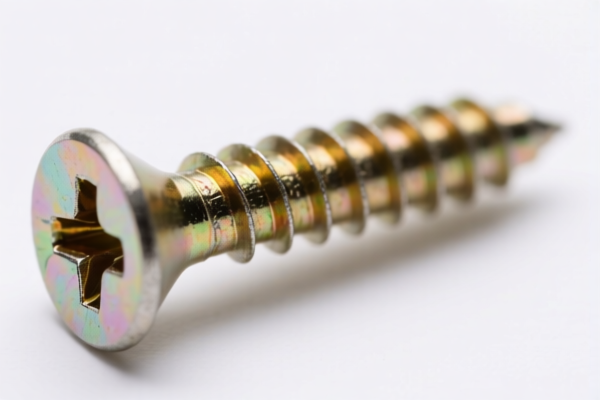
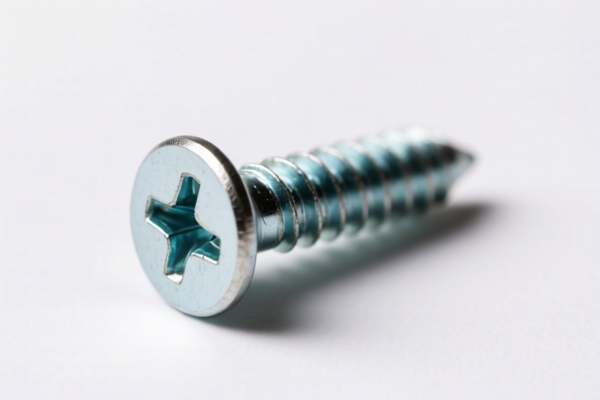
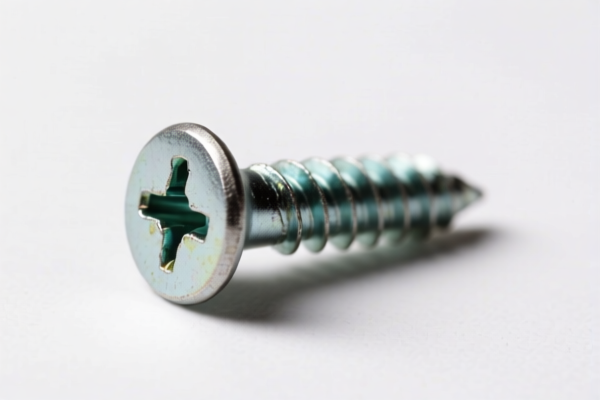
AI Analysis
🔩 Mini Screw (微型螺丝)
🌐 HS Code Reference & Customs Clearance Guide | 2026 Latest Tariff Analysis | Professional Clearance Strategy
📌 I. Product Definition & Classification: What Exactly is a "Mini Screw"?
A "mini screw" is not a standalone HS Code category but a descriptive term for fasteners based on size and material. In international trade, classification depends strictly on: 1. Material: Iron/Steel, Copper, or Other Base Metals. 2. Head Type: Hexagon head, Flat head, Round head, etc. 3. Size: "Mini" usually implies a diameter < 6mm.
⚠️ Critical Distinction:
- If made of Iron/Steel → Falls under Chapter 73.
- If made of Copper → Falls under Chapter 74.
- If classified as a Accessory/Bracket rather than a standalone fastener → Falls under Chapter 83 (less common, higher risk of reclassification).
📦 II. HS Code Classification Matrix (2026 Latest Tariff Data)
Based on the provided data, here are the 5 potential HS Codes for "Mini Screws," ranked by likelihood and tax impact:
| HS Code | Product Description & Logic | Total Tax Rate (China to US) | Key Classification Logic |
|---|---|---|---|
8302.49.80.90 |
Other Mounting Fittings / Parts (Inferred as Base Metal) | 38.5% | ✅ Lowest Tax Option Inferred as "Base Metal" accessories/parts. Classified under "Other brackets, fittings, and similar articles." |
7415.33.05.00 |
Copper Screws/Washers (Specific Subheading) | 88.0% | High Tax Form matches "threaded products." Inferred as Copper. Includes specific copper accessories. |
7415.33.80.50 |
Other Copper Screws/Nuts | 88.0% | High Tax Matches "Screw" form. Inferred as Copper. Fits "Other" category under Copper chapter. |
7318.14.10.60 |
Iron/Steel Hexagon Head Screws (Micro/Diameter <6mm) | 91.2% | Highest Tax Matches "Screw" category. Inferred as Metal (Steel/Iron). "Mini" implies small diameter. |
7318.15.60.70 |
Other Iron/Steel Screws & Bolts | 91.2% | Highest Tax Matches "Screw" category. Inferred as Metal. Broad category for non-hex steel screws. |
🔍 Key Insight:
- Iron/Steel screws (Ch 73) carry the highest tariff burden (91.2%) due to Section 301/122 tariffs.
- Copper screws (Ch 74) are slightly lower (88.0%) but still heavily taxed.
- Chapter 83 offers a significant tax advantage (38.5%), but only if the customs broker can justify classifying them as "mounting fittings/parts" rather than simple "fasteners." This requires strong documentation (e.g., used in specific assembly, not general purpose).
💰 III. 2026 Tariff Rate Breakdown (Detailed Tax Policy)
✅ Applicable Country: United States (US)
✅ Origin: China (CN)
✅ Effective Date: November 10, 2025 (and subsequent imports)
🎯 1. 8302.49.80.90 — The "Best Case" Scenario (Base Metal Parts)
| Item | Details |
|---|---|
| Base Rate | 3.5% (ad valorem) |
| Section 301 Surcharge | +25% |
| Section 122 Surcharge | +10% (General China Surcharge) |
| Total Tax Rate | 38.5% |
| Tax Calculation | CIF Value × 38.5% |
| De Minimis Exemption? | ❌ NO (Denied) |
| Legal Basis | USITC:8302.49.80.90 → Section 301 → Section 122 |
📌 Explanation:
- This is the only entry in the list under 50%.
- Warning: Customs may challenge this if the screws are generic hardware. You must prove they are "parts" or "fittings" for specific machinery, not standalone fasteners.
🎯 2. 7415.33.05.00 & 7415.33.80.50 — Copper Screws
| Item | Details |
|---|---|
| Base Rate | 3.0% (ad valorem) |
| Section 301 Surcharge | +25% |
| Section 122 Surcharge | +10% (Steel/Aluminum/Copper Products) |
| Total Tax Rate | 88.0% |
| Tax Calculation | CIF Value × 88.0% |
| De Minimis Exemption? | ❌ NO (Denied) |
| Legal Basis | USITC:7415.33.05.00 → Section 301 → Section 122 (Copper) |
📌 Explanation:
- Copper products face specific 122 tariffs.
- High tax makes copper mini-screws very expensive to import into the US. Consider sourcing from non-China origins if volume is high.
🎯 3. 7318.14.10.60 & 7318.15.60.70 — Iron/Steel Screws (Most Common)
| Item | Details |
|---|---|
| Base Rate | 6.2% (ad valorem) |
| Section 301 Surcharge | +25% |
| Section 122 Surcharge | +50% (Steel/Aluminum/Copper Products) |
| Total Tax Rate | 91.2% |
| Tax Calculation | CIF Value × 91.2% |
| De Minimis Exemption? | ❌ NO (Denied) |
| Legal Basis | USITC:7318.14.10.60 → Section 301 → Section 122 (Steel) |
📌 Explanation:
- Steel screws face the highest possible tariff.
- The 50% Section 122 tariff for steel products is the key driver.
- Result: Over 90% tax burden. This is prohibitively expensive for most commercial shipments unless the margin is very high.
🛠️ IV. Customs Clearance Practical Advice (Avoid Pitfalls)
✅ 1. Documentation Checklist (Mandatory)
| Document | Required? | Notes |
|---|---|---|
| ✅ Product Specification Sheet | ✔️ | Must include: Material (Steel/Copper), Diameter, Length, Thread Type, Head Type. |
| ✅ Material Certificate | ✔️ | Crucial for proving if it's Steel (Ch 73) or Copper (Ch 74). |
| ✅ Commercial Invoice | ✔️ | Clearly state "Mini Screw" + HS Code. Avoid vague terms like "Hardware Parts." |
| ✅ Photos (Including Close-up) | ✔️ | Show threads, head shape, and material finish. |
| ✅ Packing List | ✔️ | Detail net weight vs. gross weight. |
✅ 2. Classification Strategy (Key Recommendations)
| Strategy | Recommendation | Risk |
|---|---|---|
Attempt Chapter 83 (8302.49.80.90) |
✅ Recommended Argue that screws are "accessories" or "parts" for specific machinery, not general hardware. |
Medium Customs may reject if they look like standard fasteners. Requires strong technical justification. |
| Standard Ch 73/74 | ⚠️ Accept High Tax If Chapter 83 is rejected, declare accurately under Ch 73 (Steel) or Ch 74 (Copper). |
High Tax Be prepared for 88-91% duty. |
| De Minimis | ❌ Do Not Rely On Do not use 800.33 or 128.32 for these items. They are explicitly denied. |
Seizure/Fine Attempting de minimis for steel/copper screws will lead to penalties. |
✅ 3. Special Case Handling
| Situation | Advice |
|---|---|
| Mixed Materials | If screws are steel with copper heads, classify based on the essential character (usually the main body material). |
| OEM Custom Screws | Provide design drawings. Custom parts may have better arguments for Chapter 83 classification. |
| Small Quantity Samples | Still subject to tariffs. Do not assume samples are exempt. |
| Non-China Origin | If sourced from Vietnam, Mexico, or Thailand, apply for Free Trade Agreement (FTA) benefits. Dramatically reduces tax. |
🌍 V. Global Market Comparison (2026)
| Country/Region | Recommended HS Code | Approx. Tax (China Origin) | Remarks |
|---|---|---|---|
| 🇺🇸 USA | 8302.49.80.90 (Best) |
38.5% (if successful) 91.2% (if Steel) |
Highest tariffs globally. Critical to optimize classification. |
| 🇨🇳 China | 7318.15.60.70 |
5-6% | Standard import duty. No Section 122/301. |
| 🇪🇺 EU | 7318.15.60.70 |
0-2.5% (if GSP) | Generally lower than US. Check for duty drawbacks. |
| 🇦🇺 Australia | 7318.15.60.70 |
5% | No high surcharges like US. |
| 🇯🇵 Japan | 7318.15.60.70 |
0-1.5% | Low tariffs. JETRO partnership benefits may apply. |
📌 Conclusion:
- The US market is the most challenging for mini screws due to Section 301 and 122 tariffs.
- Cost Optimization is Essential. If possible, source from non-China countries to avoid the 25-50% surcharges.
📌 VI. Common Errors & Pitfalls (Blood Lessons)
❌ Error 1: Declaring steel screws as "Plastic Hardware" to avoid tariffs.
👉 Consequence: Customs inspection, seizure, and fraud penalties.
❌ Error 2: Using "Mini Screw" as the only description.
👉 Consequence: Customs assigns a default higher rate or rejects the entry for insufficient info.
❌ Error 3: Assuming small packages qualify for De Minimis.
👉 Consequence: Strictly Denied for steel/copper screws from China. Package size does not matter.
❌ Error 4: Misclassifying steel screws as Chapter 83 without justification.
👉 Consequence: Audit risk, back taxes, and interest. Must provide strong "part vs. fastener" argument.
✅ Correct Action:
"Mini Hexagon Head Screw, Steel, Diameter 4mm, Length 10mm, Zinc Plated, Model XYZ, Origin China"
🎯 VII. Conclusion: Professional Classification Saves Money
🎯 Remember:
🔹 "Steel Screws = 91.2% Tax"
🔹 "Copper Screws = 88.0% Tax"
🔹 "Chapter 83 Parts = 38.5% Tax (If Justified)"
📌 Strategic Tip:
If your mini screws are not used as general hardware but as specific components for a larger machine, aggressively pursue Chapter 83 (8302.49.80.90) classification. Provide technical drawings showing integration into a larger system.
📣 Immediate Action:
📞 Consult a US Customs Broker for a Pre-Ruling Request on Chapter 83 classification.
🌍 Consider Supply Chain Diversification (Vietnam/Mexico) to mitigate US tariff risks.
✨ Precision in Classification, Profit in Your Pocket!
💼 Every Percentage Point in Tariff Matters!
Customer Reviews
About HS Code Classification
The Harmonized System (HS) is an internationally standardized nomenclature developed by the World Customs Organization (WCO) to classify traded products. Over 200 countries use the HS system as the basis for customs tariffs, trade statistics, and import/export regulations.
Each HS code follows a hierarchical structure:
- Chapter (2 digits) — Broad category of goods (e.g., Chapter 84: Machinery and Mechanical Appliances)
- Heading (4 digits) — More specific grouping within the chapter
- Subheading (6 digits) — Internationally standardized breakdown, used by all WCO member countries
- National subdivisions (8-10 digits) — Country-specific extensions for further classification, such as US HTSUS 10-digit codes
Correct HS code classification is essential for smooth customs clearance, accurate duty payment, and compliance with trade regulations. Misclassification can lead to customs delays, overpayment of duties, or penalties.
When importing from CN to US, the applicable tariff rates may include:
- Most-Favored-Nation (MFN) rate — The standard duty rate applied to WTO members
- General rate — Applied to countries without trade agreements
- Trade remedy duties — Additional tariffs such as Section 301 (anti-dumping), Section 232 (national security), or countervailing duties
The information provided on this page is for reference purposes only. For official classification, please consult with your local customs authority or a licensed customs broker.