mining truck off road tire
CN → US| HS Code | Tariff Rate | Origin | Destination | Doc |
|---|---|---|---|---|
| 4016996050 | 37.5% | CN | US | Official Doc |
| 4016996010 | 37.5% | CN | US | Official Doc |
| 4012198000 | 20.9% | CN | US | Official Doc |
| 4012901000 | 35.0% | CN | US | Official Doc |
| 4011808020 | 38.4% | CN | US | Official Doc |
| 4011808010 | 38.4% | CN | US | Official Doc |
Product Images
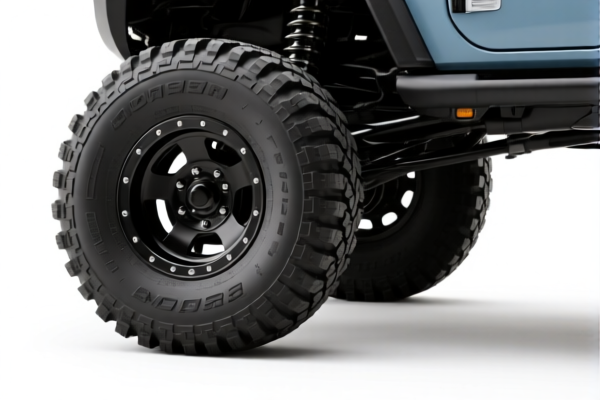
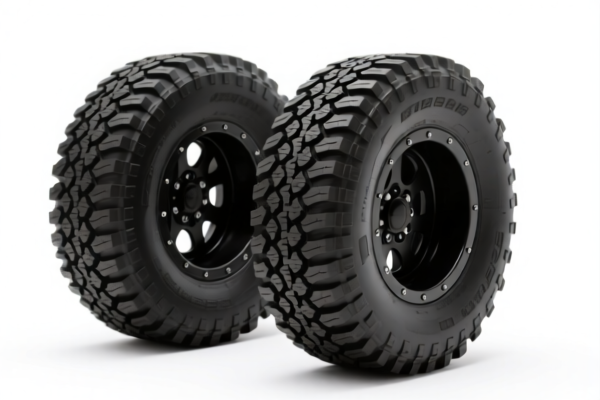
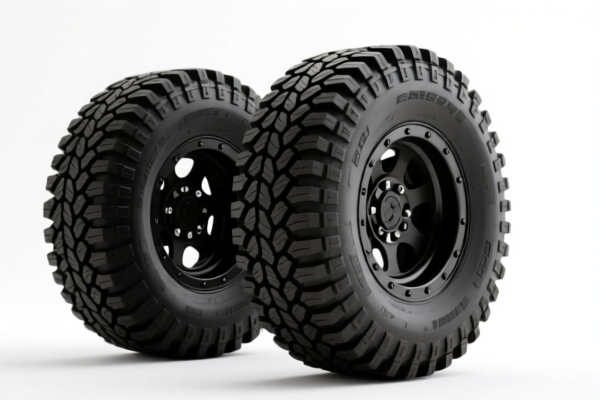
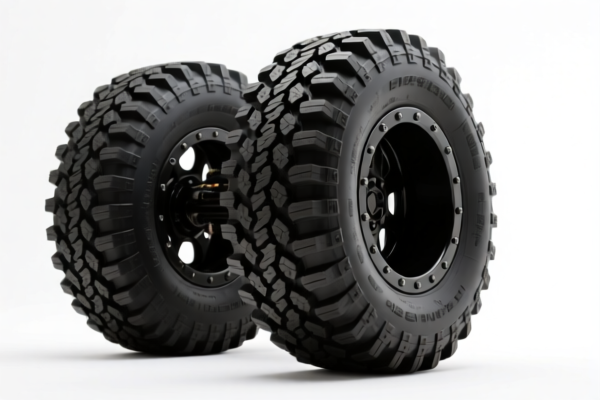
AI Analysis
🚜 Mining Truck Off-Road Tires (The Giants of Industry)
🌐 HS Code Reference & Customs Clearance Guide | 2026 Latest Tariff Analysis | Professional Clearance Strategy
📌 I. Product Definition & Classification: Do You Know Your "Off-Road" Tyre?
Mining truck tires are the critical load-bearing components for heavy-duty vehicles used in construction, mining, and industrial handling. In international trade, they are strictly divided based on whether they are New or Retreaded/Used, and their Rim Size.
1. New Pneumatic Tires (4011.80): - Specifically for vehicles like excavators, bulldozers, dump trucks in mines. - Key Differentiator: Rim Size (>61cm vs. ≤61cm).
2. Retreaded/Used/Solid Tires (4012): - Retreaded: Old casings re-surfaced. - Solid/Cushion: Non-pneumatic, used for extreme stability (e.g., forklifts, some mining loaders).
⚠️ Critical Distinction Point:
- If New + Rim Size > 61 cm → High Tariff Zone (28.4%).
- If New + Rim Size ≤ 61 cm → Zero Tariff Zone (0%).
- If Retreaded → Zero Tariff Zone (0%).
- If Solid/Cushion → High Tariff Zone (25%).
📦 II. HS Code Classification Details (2026 Latest Tariff Authority Comparison)
| HS Code | Product Description | Application Scenario | Rim Size / Type | Base Tax | Additional Tax | Total Tax |
|---|---|---|---|---|---|---|
4011.80.80.20 |
New pneumatic tires for mining/construction vehicles | Large mining dump trucks, haulers | > 61 cm | 3.4% | 25.0% | 28.4% |
4011.80.80.10 |
New pneumatic tires for mining/construction vehicles | Smaller construction loaders, graders | ≤ 61 cm | 0.0% | 0.0% | 0.0% |
4012.19.80.00 |
Retreaded pneumatic tires | Used tire casings re-capped | Any (Retreaded) | 0.0% | 0.0% | 0.0% |
4012.90.10.00 |
Solid or cushion tires (non-pneumatic) | Forklifts, extreme-load industrial vehicles | Solid/Cushion | 0.0% | 25.0% | 25.0% |
4016.99.60.50 |
Other vulcanized rubber articles (Misc) | Rubber pads, bushings, non-tire parts | Not a tire | 2.5% | 25.0% | 27.5% |
4016.99.60.10 |
Mechanical articles for motor vehicles (Misc) | Rubber gaskets, seals for vehicles | Not a tire | 0.0% | 0.0% | 0.0% |
🔍 Key Reminder:
- Rim Size is King: For new tires, a difference of 1 cm in rim size changes the tax from 28.4% to 0%. Verify specifications!
- Retreaded vs. New: Retreaded tires enjoy a massive duty advantage (0% total). Ensure the "Retreaded" status is documented with proof of casing origin.
- Solid Tires: Often confused with pneumatic. If it’s solid, it’s 25.0%, not 0%.
💰 III. 2026 Latest Tariff Rate Breakdown (Including Surcharges & Policy Add-ons)
✅ Applicable Country: United States (US)
✅ Origin: China (CN)
✅ Effective Date: 2025/2026 (Current Trade Rules)
🎯 1. 4011.80.80.20 —— New Tires (Rim Size > 61 cm) The High-Cost Category
| Item | Content |
|---|---|
| Base Tariff | 3.4% (Ad Valorem) |
| Section 301 Surcharge | +25.0% (USITC Footnote regarding Chinese imports) |
| Total Effective Tax | 28.4% |
| Calculation Basis | CIF Value × 28.4% |
| De Minimis Exemption | ❌ Not Eligible |
| Legal Basis Path | HTSUS:4011.80.80.20 → USITC:Section 301 |
📌 Explanation:
- Large mining tires are strategic industrial goods. The 25% Section 301 surcharge is heavily enforced.
- Total 28.4% is a significant cost driver. Profit margins must account for this.
🎯 2. 4011.80.80.10 —— New Tires (Rim Size ≤ 61 cm) The Zero-Tariff Opportunity
| Item | Content |
|---|---|
| Base Tariff | 0.0% |
| Section 301 Surcharge | 0.0% |
| Total Effective Tax | 0.0% |
| Calculation Basis | CIF Value × 0% |
| De Minimis Exemption | ✅ N/A (Already 0%) |
📌 Strategic Insight:
- If your mining vehicle uses smaller tires (≤61 cm rim), you save 28.4% compared to large mining haulers.
- Ensure the Rim Size is clearly stated on the invoice and matches the tire specification sheet.
🎯 3. 4012.19.80.00 —— Retreaded Tires The Cost-Saver
| Item | Content |
|---|---|
| Base Tariff | 0.0% |
| Section 301 Surcharge | 0.0% |
| Total Effective Tax | 0.0% |
📌 Strategic Insight:
- Retreaded tires are exempt from Section 301 surcharges in this classification.
- Requirement: Must provide proof that the tire is retreaded, not new. Misdeclaration can lead to severe penalties.
🎯 4. 4012.90.10.00 —— Solid/Cushion Tires The Trap
| Item | Content |
|---|---|
| Base Tariff | 0.0% |
| Section 301 Surcharge | +25.0% |
| Total Effective Tax | 25.0% |
📌 Trap Alert:
- Many assume "rubber products" are low tariff. Solid tires are penalized heavily (25%).
- Do not confuse "Solid Tires" with "Pneumatic Retreaded Tires." The latter is 0%, the former is 25%.
🛠️ IV. Customs Clearance Practical Advice (Battle-Tested Pitfall Avoidance)
✅ 1. Documentation Checklist (Non-Negotiable)
| Document | Mandatory? | Description |
|---|---|---|
| ✅ Technical Data Sheet | ✔️ | Must clearly state Rim Size (e.g., "63 inch"). This is the #1 reason for misclassification. |
| ✅ Tire Sidewall Photo | ✔️ | Show the full code (e.g., 425/65R22.5 or 49/80R49). |
| ✅ Invoice & Packing List | ✔️ | Description must match HS Code exactly. Use "New Pneumatic Tire" or "Retreaded Tire." |
| ✅ Proof of Retreading (if applicable) | ✔️ | For 4012.19.80.00, provide certificate from the retreading facility. |
| ✅ Country of Origin Certificate | ✔️ | To verify China origin and apply correct Section 301 rates. |
✅ 2. Declaration Tips (Key Mantras)
🔥 "Rim Size Decides Tax, Retreaded is Free, Solid is Expensive!"
| Scenario | Correct HS Code | Error Risk |
|---|---|---|
| New Tire, 63" Rim | 4011.80.80.20 |
⚠️ High Tax (28.4%) |
| New Tire, 22.5" Rim | 4011.80.80.10 |
✅ Zero Tax (0%) |
| Retreaded Tire (Any Size) | 4012.19.80.00 |
✅ Zero Tax (0%) |
| Solid Tire (Forklift) | 4012.90.10.00 |
⚠️ High Tax (25%) |
| Rubber Bumper/Mount | 4016.99.60.50 |
⚠️ High Tax (27.5%) |
✅ 3. Special Situations Handling
| Situation | Handling Advice |
|---|---|
| OEM Custom Tires | Provide OEM contract and technical drawing. Specify "For Mining Vehicle Model XYZ." |
| Mixed Container | If container has both tires and rubber parts, separate declarations. Do not bundle. |
| Used vs. Retreaded | Used tires have different rules. Retreaded means processed. Ensure correct terminology. |
| Rim Size Ambiguity | If specification is vague (e.g., "Large Mining Tire"), Customs may assign the higher tax code. Be precise. |
🌍 V. Global Market Clearance Comparison (2026 Latest)
| Country/Region | Recommended HS Code | Tariff (China Origin) | Certification | Notes |
|---|---|---|---|---|
| 🇺🇸 USA | 4011.80.80.20 / 4011.80.80.10 |
0% - 28.4% | DOT, DOT-393 | Section 301 applies. |
| 🇨🇳 China | 4011.80 / 4012.19 |
0% - 10% | CCC (if applicable) | Lower tariffs. |
| 🇪🇺 EU | 4011.80 / 4012.19 |
0% - 4.5% | ECE R108/R109 | No Section 301. |
| 🇬🇧 UK | 4011.80 / 4012.19 |
0% - 5% | ECE | Post-Brexit rules apply. |
📌 Conclusion:
- USA is the most challenging market due to Section 301 surcharges.
- Rim Size and Retreading Status are the two most critical factors for cost optimization.
- Solid tires are disproportionately taxed compared to pneumatic ones.
📌 VI. Common Errors & Pitfall Guide (Lessons from Experience)
❌ Error 1: Misdeclaring "Mining Tire" without specifying Rim Size
👉 Consequence: Customs may default to the highest tax code (4011.80.80.20) → 28.4% Tax.
❌ Error 2: Declaring "Retreaded" tires as "Used"
👉 Consequence: Different HS codes, potential duty differences, and delay for verification.
❌ Error 3: Confusing "Solid Tires" with "Pneumatic Tires"
👉 Consequence: Solid tires are taxed at 25%, while pneumatic retreaded tires are 0%. Loss of 25% margin.
❌ Error 4: Bundling rubber accessories with tires
👉 Consequence: Accessories (4016.99.60.50) are taxed at 27.5%. Do not mix!
✅ Correct Declaration Example:
"New Pneumatic Tires for Mining Dump Trucks, Size 49/80R49, Rim Diameter 61.5cm, DOT Certified, Model XYZ, Made in China."
🎯 VII. Conclusion: Precise Classification Saves Millions!
🎯 Remember the Mantra:
🔹 "Rim > 61? 28.4% Tax."
🔹 "Rim ≤ 61? 0% Tax."
🔹 "Retreaded? 0% Tax."
🔹 "Solid? 25% Tax."
🔹 "Rubber Parts? 27.5% Tax."
📌 Pro Tip:
If you are importing new tires, consider the Rim Size carefully in design and procurement. A shift from >61cm to ≤61cm can save 28.4%.
If you are importing retreaded tires, ensure the retreading process is documented and labeled correctly to qualify for 0% duty.
📣 Immediate Action:
📞 Consult a Customs Broker + Provide Tire Sidewall Photos + Apply for HS Code Pre-Ruling
🚀 Clear Customs Smoothly, Minimize Tax, Maximize Profit!
✨ Professional Clearance Starts with Accurate Classification!
💼 Every Percent of Duty Saved is Pure Profit!
Customer Reviews
About HS Code Classification
The Harmonized System (HS) is an internationally standardized nomenclature developed by the World Customs Organization (WCO) to classify traded products. Over 200 countries use the HS system as the basis for customs tariffs, trade statistics, and import/export regulations.
Each HS code follows a hierarchical structure:
- Chapter (2 digits) — Broad category of goods (e.g., Chapter 84: Machinery and Mechanical Appliances)
- Heading (4 digits) — More specific grouping within the chapter
- Subheading (6 digits) — Internationally standardized breakdown, used by all WCO member countries
- National subdivisions (8-10 digits) — Country-specific extensions for further classification, such as US HTSUS 10-digit codes
Correct HS code classification is essential for smooth customs clearance, accurate duty payment, and compliance with trade regulations. Misclassification can lead to customs delays, overpayment of duties, or penalties.
When importing from CN to US, the applicable tariff rates may include:
- Most-Favored-Nation (MFN) rate — The standard duty rate applied to WTO members
- General rate — Applied to countries without trade agreements
- Trade remedy duties — Additional tariffs such as Section 301 (anti-dumping), Section 232 (national security), or countervailing duties
The information provided on this page is for reference purposes only. For official classification, please consult with your local customs authority or a licensed customs broker.