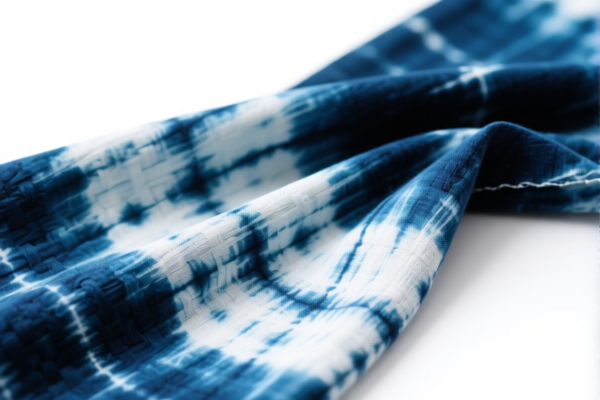
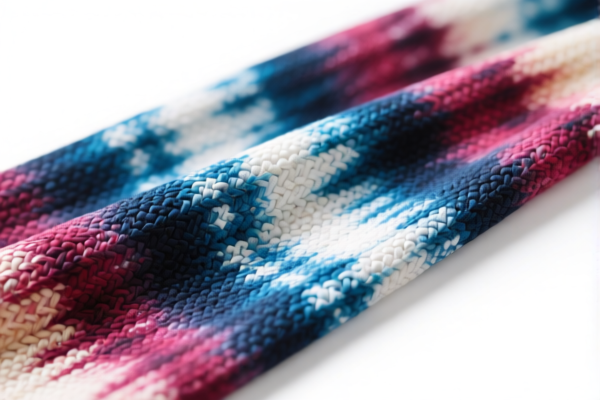
modified acrylic blended fabric for clothing
CN → US| HS Code | Tariff Rate | Origin | Destination | Doc |
|---|---|---|---|---|
| 5514199090 | 43.5% | CN | US | Official Doc |
| 5513290090 | 24.9% | CN | US | Official Doc |
| 5515210090 | 35.0% | CN | US | Official Doc |
| 5515290090 | 35.0% | CN | US | Official Doc |
| 5514290090 | 47.0% | CN | US | Official Doc |
Product Images


AI Analysis
🧵 Modified Acrylic Blended Fabric for Clothing
🌐 HS Code Reference & Customs Clearance Guide | 2026 Updated Tariff Analysis | Pro-Level Import Strategy
📌 One, Product Definition & Classification: What Exactly Is "Modified Acrylic Blended Fabric"?
Modified acrylic blended fabric refers to textile materials where acrylic fibers (or modified acrylic fibers) are combined with other fibers, primarily cotton, to create a soft, durable, and warm fabric suitable for apparel production such as sweaters, jackets, scarves, and casual wear.
⚠️ Key Classification Clues: - Contains acrylic or modified acrylic short fibers (not filament) - Blended with cotton (or other natural fibers) — not pure synthetic - Not primarily synthetic — cotton is the dominant or primary partner fiber - Machine-woven (not knitted or non-woven) - Used for clothing, not industrial or technical textiles
🔍 Critical Distinction: - If synthetic fiber content < 85% and cotton is the main partner, it falls under cotton-acrylic blends. - If synthetic fiber > 85%, it may be classified differently (e.g., 5515.21.00.90 or 5515.29.00.90). - If no specific weave or structure, it defaults to a catch-all category.
📦 Two, HS Code Classification Breakdown (2026 Official Tariff Matrix)
| HS Code | Product Description | Applicable Use Case | Key Classification Trigger |
|---|---|---|---|
5514.19.90.90 |
Acrylic blended fabrics, synthetic fiber content < 85%, mainly or solely blended with cotton, short fiber, woven | Sweaters, outerwear, scarves, casual garments | ✅ Cotton is dominant partner ✅ Synthetic < 85% ✅ Woven fabric |
5513.29.00.90 |
Other acrylic blends, meeting cotton-synthetic blended fabric criteria, not covered by specific subheadings | Knitwear, non-specific blends, mixed-use fabrics | ✅ Not covered by 5514.19 ✅ Cotton + synthetic blend ✅ Not primarily synthetic |
5515.21.00.90 |
Acrylic or modified acrylic short fiber blends, no specific fabric structure, catch-all category | Unstructured blends, irregular weaves, bulk fabric | ✅ No clear weave structure ✅ Contains acrylic ✅ Not cotton-dominated |
5515.29.00.90 |
Fabrics clearly containing acrylic or modified acrylic fibers, meets material requirements, not otherwise specified | General-purpose blended fabrics, mixed fiber content | ✅ Explicitly contains acrylic ✅ Not covered by more specific codes ✅ No dominant fiber type |
5514.29.00.90 |
Acrylic (synthetic) blended fabrics, cotton or other fibers, woven, not specifically classified | General clothing fabrics, non-cotton blends | ✅ Woven ✅ Acrylic + other fibers ✅ Not cotton-dominant |
🔍 Why These Codes Matter:
- 5514.19.90.90 is most favorable if cotton is the main partner and synthetic < 85%
- 5515.21.00.90 / 5515.29.00.90 are higher-taxed catch-all codes — avoid if possible
- 5514.29.00.90 has the highest tariff due to higher base rate
💰 Three, 2026 Updated Tariff Breakdown (With Detailed Duty Clauses)
✅ Applicable Country: United States (US)
✅ Origin: China (CN)
✅ Effective Date: November 10, 2025 (including future imports)
🎯 1. 5514.19.90.90 — Acrylic-Cotton Blended Woven Fabric (Synthetic < 85%)
| Item | Detail |
|---|---|
| Base Tariff | 8.5% (ad valorem) |
| Section 301 (USITC) Additional Duty | +25.0% |
| Section 122 (IEEPA) Additional Duty | +10.0% |
| Total Effective Duty | 43.5% |
| Tax Calculation | CIF Value × 43.5% |
| De Minimis Threshold | ❌ Not applicable (denied) |
| Legal Basis Path | IEEPA:9903.01.25 → IEEPA:9903.01.24 → USITC:5514.19.90.90 → FOOTNOTE:9903.88.01 |
📌 Explanation:
- USITC 25%: From Section 301 of the Trade Act of 1974 — targeted at Chinese goods deemed unfair trade practices.
- IEEPA 10%: From International Emergency Economic Powers Act — applies to goods from China/Hong Kong.
- Total 43.5% — extremely high for a textile. Must be factored into pricing.
🎯 2. 5513.29.00.90 — Other Acrylic Blends (Cotton-Synthetic, Not Elsewhere Specified)
| Item | Detail |
|---|---|
| Base Tariff | 14.9% |
| Section 301 (USITC) Additional Duty | +0.0% (no 301 duty) |
| Section 122 (IEEPA) Additional Duty | +10.0% |
| Total Effective Duty | 24.9% |
| Tax Calculation | CIF × 24.9% |
| De Minimis Threshold | ❌ Not applicable |
| Legal Basis Path | IEEPA:9901.25 → IEEPA:9903.01.24 → USITC:5513.29.00.90 → FOOTNOTE:9903.88.01 |
📌 Note:
- No USITC 25% duty — this code is exempt from 301 tariffs.
- Still carries 10% IEEPA — due to China origin.
- Lower than 5514.19.90.90, but higher than standard textile rates.
🎯 3. 5515.21.00.90 — Acrylic Short Fiber Blends (No Specific Structure)
| Item | Detail |
|---|---|
| Base Tariff | 0.0% |
| Section 301 (USITC) Additional Duty | +25.0% |
| Section 122 (IEEPA) Additional Duty | +10.0% |
| Total Effective Duty | 35.0% |
| Tax Calculation | CIF × 35.0% |
| De Minimis Threshold | ❌ Not applicable |
| Legal Basis Path | IEEPA:9903.01.25 → IEEPA:9903.01.24 → USITC:5515.21.00.90 → FOOTNOTE:9903.88.01 |
📌 When This Applies:
- Fabric has no defined weave (e.g., bulk, loose, irregular structure)
- Not clearly cotton-dominated
- Catch-all code — often used when classification is ambiguous
🎯 4. 5515.29.00.90 — Acrylic-Containing Blended Fabric (General)
| Item | Detail |
|---|---|
| Base Tariff | 0.0% |
| Section 301 (USITC) Additional Duty | +25.0% |
| Section 122 (IEEPA) Additional Duty | +10.0% |
| Total Effective Duty | 35.0% |
| Tax Calculation | CIF × 35.0% |
| De Minimis Threshold | ❌ Not applicable |
| Legal Basis Path | IEEPA:9903.01.25 → IEEPA:9903.01.24 → USITC:5515.29.00.90 → FOOTNOTE:9903.88.01 |
📌 When This Applies:
- Fabric contains acrylic or modified acrylic fibers
- Not covered by more specific subheadings
- Often used for non-standard or mixed-fiber fabrics
🎯 5. 5514.29.00.90 — Acrylic Blended Woven Fabric (Cotton or Other Fibers)
| Item | Detail |
|---|---|
| Base Tariff | 12.0% |
| Section 301 (USITC) Additional Duty | +25.0% |
| Section 122 (IEEPA) Additional Duty | +10.0% |
| Total Effective Duty | 47.0% |
| Tax Calculation | CIF × 47.0% |
| De Minimis Threshold | ❌ Not applicable |
| Legal Basis Path | IEEPA:9903.01.25 → IEEPA:9903.01.24 → USITC:5514.29.00.90 → FOOTNOTE:9903.88.01 |
📌 Why It’s the Worst:
- Highest base tariff (12%)
- 25% USITC + 10% IEEPA
- Total 47% — most punitive among all codes
- Avoid at all costs — only applies if not cotton-dominated
🛠️ Four, Customs Clearance Best Practices (Pro Tips to Avoid Penalties)
✅ 1. Required Documentation (Must-Have List)
| Document | Required? | Why It Matters |
|---|---|---|
| ✅ Product Specification Sheet | ✔️ | Shows fiber composition, blend ratio, weave type |
| ✅ Fabric Sample (Physical) | ✔️ | For customs inspection and classification |
| ✅ Technical Drawing / Structure Diagram | ✔️ | Proves weave type (woven, not knitted) |
| ✅ Commercial Invoice | ✔️ | Must state "Acrylic-Cotton Blended Fabric for Clothing" |
| ✅ Bill of Lading / Packing List | ✔️ | Proves shipment details |
| ✅ Certificate of Origin (CO) | ✔️ | Critical for tariff eligibility |
| ✅ Third-Party Lab Test Report | ✔️ | Confirms fiber content (e.g., via FTIR, microscopy) |
✅ 2.申报技巧(Key Rules to Remember)
🔥 "Cotton First, Structure Clear, Code Right, Tax Low!"
| Scenario | Correct HS Code | Common Mistake |
|---|---|---|
| Cotton + acrylic, synthetic < 85%, woven | 5514.19.90.90 |
Use 5515.29.00.90 → 35% → +12% extra tax |
| Acrylic dominant, no clear structure | 5515.21.00.90 |
Use 5514.29.00.90 → 47% → +12% extra tax |
| Mixed fibers, no clear partner | 5515.29.00.90 |
Use 5513.29.00.90 → 24.9% → better than 35% |
| Fabric with no defined weave | 5515.21.00.90 |
Use 5514.19.90.90 → incorrect → penalty risk |
✅ 3. Special Cases & Solutions
| Situation | Recommended Action |
|---|---|
| Blend ratio unknown | Conduct lab test to confirm fiber content |
| Fabric has mixed weave | Declare as 5515.21.00.90 (catch-all) |
| Cotton > 50% | Use 5514.19.90.90 — lowest tax |
| Acrylic > 50% | Avoid 5514.19.90.90 — use 5515.29.00.90 |
| Origin from Vietnam/Mexico | Apply for IEEPA exemption — 0% additional duty |
| High-value shipment | Request Advance Ruling (Pre-Approval) from U.S. Customs |
🌍 Five, Global Market Comparison (2026)
| Country | Recommended HS Code | Duty Rate | Certification | Notes |
|---|---|---|---|---|
| 🇺🇸 USA | 5514.19.90.90 |
43.5% (China) | None (but lab test advised) | Highest tariff |
| 🇨🇳 China | 5514.19.90.90 |
5% | CCC, RoHS | No extra duties |
| 🇪🇺 EU | 5514.19.90.90 |
0% (if CE) | CE, REACH | No IEEPA/301 |
| 🇦🇺 Australia | 5514.19.90.90 |
5% | RCM | No extra duties |
| 🇯🇵 Japan | 5514.19.90.90 |
0% | PSE | No extra duties |
📌 Takeaway:
- USA is the only market with 301 + IEEPA tariffs
- China-origin fabrics face 24.9%–47% total duty
- Vietnam/Mexico origin = 0% IEEPA — strong incentive to shift production
📌 Six, Common Mistakes & How to Avoid Them
❌ Mistake 1: Declaring cotton-acrylic fabric as 5515.29.00.90
👉 Result: 35% → should be 43.5% — underpaid tax → penalties
❌ Mistake 2: Using 5514.29.00.90 for cotton-dominated fabric
👉 Result: 47% → should be 43.5% — overpaying by 3.5%
❌ Mistake 3: Not providing fiber test report
👉 Result: Customs may reclassify → delay, fines, or rejection
❌ Mistake 4: Using "acrylic fabric" as description without specifying blend
👉 Result: Misclassified → higher duty, audit risk
✅ Correct Declaration Phrase:
"Modified Acrylic-Cotton Blended Woven Fabric, 60% Cotton / 40% Acrylic, Short Fiber, For Apparel, 100% Woven, No Knit Structure"
🎯 Seven, Conclusion: Precision Pays Off!
🎯 Remember the Golden Rule:
🔹 "Cotton First → 5514.19.90.90 → 43.5% Tax"
🔹 "Acrylic First → 5515.29.00.90 → 35.0% Tax"
🔹 "No Structure → 5515.21.00.90 → 35.0% Tax"
🔹 "Avoid 5514.29.00.90 — 47% is a tax trap!"
📌 Pro Tip:
If your fabric is originating from Vietnam, Mexico, Thailand, or Malaysia, you may qualify for IEEPA exemption — 0% additional duty.
✅ Apply for Pre-Ruling (Advance Ruling) to lock in the correct HS Code and tariff rate.
📣 Act Now!
📞 Contact a U.S.-licensed customs broker + provide fabric sample + request HS Code pre-approval
🚀 Reduce tax risk, avoid delays, and protect your margins!
✨ Smart Classification = Smooth Customs = Profitable Trade!
💼 Your fabric’s fate starts with the right HS Code!
Customer Reviews
About HS Code Classification
The Harmonized System (HS) is an internationally standardized nomenclature developed by the World Customs Organization (WCO) to classify traded products. Over 200 countries use the HS system as the basis for customs tariffs, trade statistics, and import/export regulations.
Each HS code follows a hierarchical structure:
- Chapter (2 digits) — Broad category of goods (e.g., Chapter 84: Machinery and Mechanical Appliances)
- Heading (4 digits) — More specific grouping within the chapter
- Subheading (6 digits) — Internationally standardized breakdown, used by all WCO member countries
- National subdivisions (8-10 digits) — Country-specific extensions for further classification, such as US HTSUS 10-digit codes
Correct HS code classification is essential for smooth customs clearance, accurate duty payment, and compliance with trade regulations. Misclassification can lead to customs delays, overpayment of duties, or penalties.
When importing from CN to US, the applicable tariff rates may include:
- Most-Favored-Nation (MFN) rate — The standard duty rate applied to WTO members
- General rate — Applied to countries without trade agreements
- Trade remedy duties — Additional tariffs such as Section 301 (anti-dumping), Section 232 (national security), or countervailing duties
The information provided on this page is for reference purposes only. For official classification, please consult with your local customs authority or a licensed customs broker.