moistureproof storage tank
CN → US| HS Code | Tariff Rate | Origin | Destination | Doc |
|---|---|---|---|---|
| 3926901000 | 20.9% | CN | US | Official Doc |
| 3926909989 | 22.8% | CN | US | Official Doc |
| 4202999000 | 55.0% | CN | US | Official Doc |
| 7611000030 | 37.6% | CN | US | Official Doc |
| 7309000030 | 85.0% | CN | US | Official Doc |
Product Images
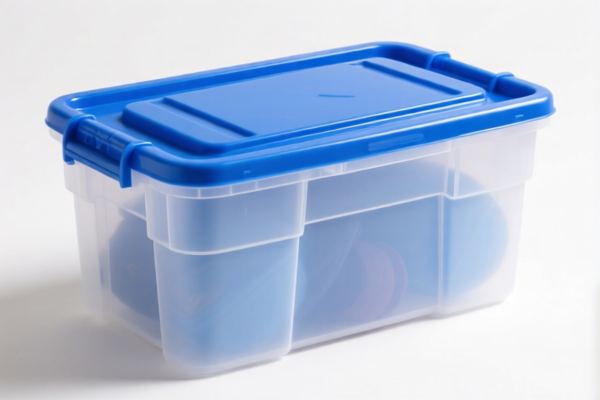
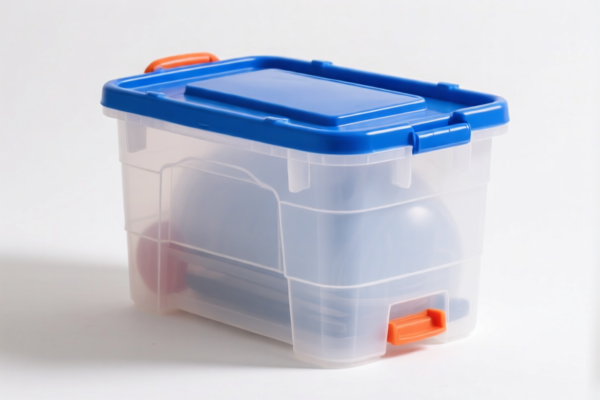
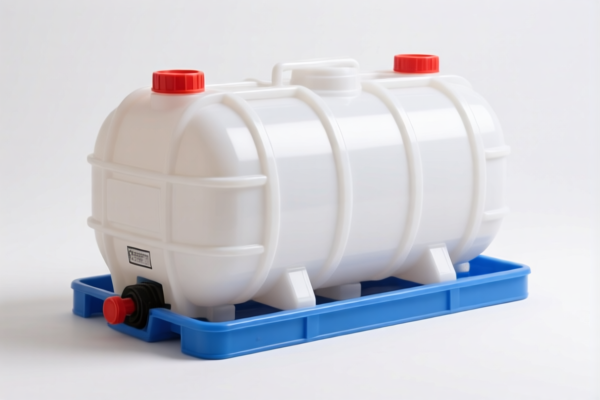
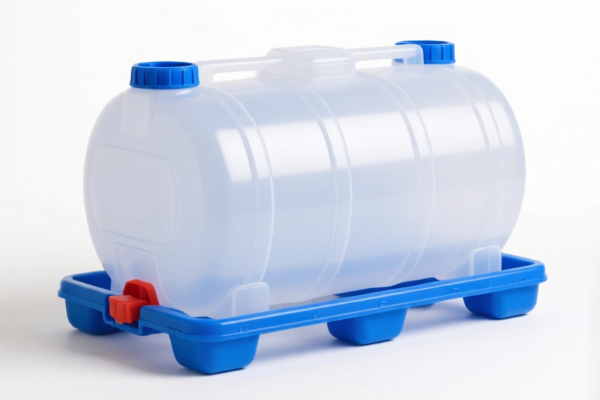
AI Analysis
📦 Moistureproof Storage Tank: The Ultimate HS Code & Tariff Survival Guide for US Imports
🌐 HS Code Reference & Customs Clearance Guide | 2026 Latest Tariff Analysis | Strategic Clearance Strategy
📌 I. Product Definition & Classification: What Exactly is a "Moistureproof Storage Tank"?
In international trade, the term "Moistureproof Storage Tank" is ambiguous. It is not a single standardized commodity. Customs authorities classify goods based on Material, Function, and Structure.
Depending on how your product is manufactured and what it is made of, it falls into completely different HS Codes with drastically different tax implications.
⚠️ Critical Distinction:
- If it is a plastic container (e.g., buckets, bins) → It is a Plastic Article.
- If it is a metal/aluminum tank → It is a Metal Container.
- If it is a fabric/leather bag (soft container) → It is a Textile/Leather Article.
- If it is a large industrial steel tank → It is a Iron/Steel Container.
Misclassification here can lead to severe penalties, back taxes, or cargo detention. Below is the precise breakdown based on the provided data.
📦 II. HS Code Classification Matrix (Based on Provided Data)
| HS Code | Product Description | Primary Material | Total Tax Rate | Key Tax Components |
|---|---|---|---|---|
| 3926.90.10.00 | Moistureproof Storage Container (Plastic) | Plastic | 20.9% | Base: 3.4% + Sec 301: 7.5% + Sec 122: 10% |
| 3926.90.99.89 | Other Plastic Articles (Plastic Tank) | Plastic | 22.8% | Base: 5.3% + Sec 301: 7.5% + Sec 122: 10% |
| 4202.99.90.00 | Other Containers (Fabric/Leather/Plastic Mix) | Mixed/Soft Material | 55.0% | Base: 20.0% + Sec 301: 25.0% + Sec 122: 10% |
| 7611.00.00.30 | Waterproof Storage Tank (Aluminum) | Aluminum | 37.6% | Base: 2.6% + Sec 301: 25.0% + Sec 122: 10% |
| 7309.00.00.30 | Waterproof Storage Tank (Steel/Iron) | Steel/Iron | 85.0% | Base: 0.0% + Sec 301: 25.0% + Sec 122: 10% + Metal Surcharge: 50% |
🔍 Key Insight:
- Plastic options are the most cost-effective (~20-23%).
- Aluminum tanks are moderate (~37.6%).
- Steel/Iron tanks are extremely expensive due to the 50% surcharge on steel/aluminum products, totaling 85%.
- Fabric/Soft containers (4202) carry the highest base tax (20%).
💰 III. Detailed Tariff Breakdown & Legal Basis (2026 US Import)
✅ Applicable Country: United States (US)
✅ Origin: China (CN)
✅ Effective Time: Current enforcement includes Section 301 and Section 122 tariffs.
🎯 1. 3926.90.10.00 – Plastic Moistureproof Containers
Best for: Plastic buckets, storage bins, plastic jerrycans.
| Item | Detail |
|---|---|
| Base Duty | 3.4% (Standard MFN Rate) |
| Section 301 Surcharge | +7.5% (List 4B / Specific Plastic Categories) |
| Section 122 Tariff | +10% (Presidential Proclamation on Certain Goods) |
| Total Effective Rate | 20.9% |
| De Minimis Exemption | ❌ Not Eligible (Value > $800 threshold applies, but Section 301/122 taxes still apply if cleared properly) |
📌 Why this code?
This HS Code specifically covers "Other articles of plastics: Containers." If your moistureproof tank is rigid plastic, this is the most favorable classification.
🎯 2. 3926.90.99.89 – Other Plastic Articles
Best for: Complex plastic tanks not fitting "container" definition, or specific industrial plastic parts.
| Item | Detail |
|---|---|
| Base Duty | 5.3% |
| Section 301 Surcharge | +7.5% |
| Section 122 Tariff | +10% |
| Total Effective Rate | 22.8% |
| De Minimis Exemption | ❌ Not Eligible |
📌 Why this code?
Used if the product is considered an "Other" plastic article rather than a standard container. Slightly higher base rate than 3926.90.10.00.
🎯 3. 4202.99.90.00 – Other Containers (Mixed/Soft Materials)
Best for: Waterproof duffel bags, fabric storage chests, leather-look tanks.
| Item | Detail |
|---|---|
| Base Duty | 20.0% |
| Section 301 Surcharge | +25.0% |
| Section 122 Tariff | +10% |
| Total Effective Rate | 55.0% |
| De Minimis Exemption | ❌ Not Eligible |
📌 Why this code?
Chapter 42 covers "Articles of leather." If your "tank" is actually a soft-sided waterproof bag or a fabric container, it falls here. The high base tax (20%) makes this very expensive compared to plastic.
🎯 4. 7611.00.00.30 – Aluminum Storage Tanks
Best for: Aluminum fuel tanks, water tanks, industrial aluminum containers.
| Item | Detail |
|---|---|
| Base Duty | 2.6% |
| Section 301 Surcharge | +25.0% |
| Section 122 Tariff | +10% |
| Total Effective Rate | 37.6% |
| De Minimis Exemption | ❌ Not Eligible |
📌 Why this code?
Chapter 76 covers "Aluminum." The base rate is low, but the Section 301 surcharge for aluminum products is high (25%), bringing the total to 37.6%.
🎯 5. 7309.00.00.30 – Steel/Iron Storage Tanks
Best for: Large industrial steel tanks, water barrels, galvanized steel containers.
| Item | Detail |
|---|---|
| Base Duty | 0.0% |
| Section 301 Surcharge | +25.0% |
| Section 122 Tariff | +10% |
| Steel/Aluminum Surcharge | +50% (Specific to Steel/Aluminum products under recent rules) |
| Total Effective Rate | 85.0% |
| De Minimis Exemption | ❌ Not Eligible |
📌 Why this code?
Chapter 73 covers "Iron and Steel." While the base duty is 0%, the 50% surcharge on steel/aluminum products combined with the 25% Section 301 and 10% Section 122 creates a devastating 85% total tax rate. This is the most expensive classification.
🛠️ IV. Customs Clearance Operational Advice
✅ 1. Documentation Checklist (Mandatory)
| Document | Requirement | Notes |
|---|---|---|
| Product Specification Sheet | ✔️ | Must explicitly state Material Composition (e.g., "100% HDPE Plastic" or "Aluminum Alloy 6061"). |
| Material Certificate | ✔️ | Critical for 7309/7611 codes to prove metal type. |
| Product Photos | ✔️ | Show the entire product, including labels, seams, and capacity markings. |
| Commercial Invoice | ✔️ | Description must be precise: e.g., "HDPE Moistureproof Storage Container" NOT just "Tank." |
| Packing List | ✔️ | Net weight and gross weight must match customs records. |
| Country of Origin Certificate | ✔️ | Required for Section 301/122 duty calculation. |
✅ 2. Declaration Strategy (Key Tips)
🔥 “Material is King: Declare Material First, Name Second!”
| Scenario | Recommended HS Code | Description Strategy |
|---|---|---|
| Plastic Bin/Tank | 3926.90.10.00 |
"Moistureproof Plastic Storage Container, Made of HDPE" |
| Aluminum Tank | 7611.00.00.30 |
"Waterproof Aluminum Storage Tank, Industrial Grade" |
| Steel Tank | 7309.00.00.30 |
"Galvanized Steel Moistureproof Tank, Large Capacity" |
| Fabric Bag/Tank | 4202.99.90.00 |
"Waterproof Fabric Storage Container, Nylon/Polyester" |
⚠️ Warning:
Do NOT declare a plastic tank as "Steel" to try to lower taxes (Base 0%). Customs will inspect, find the material, and reclassify it, leading to back taxes, fines, and seizure.
✅ 3. Special Cases
| Situation | Action |
|---|---|
| Mixed Materials | If a plastic tank has steel handles, still classify as Plastic (3926) if plastic is the principal material. |
| Large Industrial Tanks | Ensure volume/capacity is declared. Some codes have capacity thresholds. |
| Customs Exam | If declared as Plastic, have photos ready to prove it is NOT metal. |
🌍 V. Global Market Comparison (2026)
| Market | Recommended HS | Est. Total Tax (China Origin) | Notes |
|---|---|---|---|
| 🇺🇸 USA | 3926.90.10.00 (Plastic) |
20.9% | High due to Sec 301 & 122 |
| 🇺🇸 USA | 7309.00.00.30 (Steel) |
85.0% | Avoid if possible! |
| 🇨🇳 China | 3926.90.10.00 |
5.5% | Standard import duty |
| 🇪🇺 EU | 3926.90.99 |
4.5% | Lower base rates, no Sec 301 |
| 🇬🇧 UK | 3926.90.99 |
6.5% | Post-Brexit tariff structure |
📌 Conclusion:
- USA is the most expensive market due to layered tariffs (Base + Sec 301 + Sec 122).
- Plastic is the safest material choice for cost efficiency.
- Steel is extremely costly in the US due to the 50% surcharge.
📌 VI. Common Errors & Pitfalls
❌ Error 1: Declaring a Plastic Tank as 7611 (Aluminum) to avoid steel taxes.
👉 Result: Customs finds plastic, reclassifies to 3926, charges difference + penalties.
❌ Error 2: Declaring a Steel Tank as 3926 (Plastic) because base tax is 0%.
👉 Result: 85% tax vs 20.9% tax. You will pay 64% more in duties. This is the biggest risk.
❌ Error 3: Ignoring Section 122 (10%).
👉 Result: Many importers calculate only Sec 301. Section 122 applies to all affected goods from China, adding another 10% to your cost.
✅ Correct Approach:
Always confirm the primary material of the tank.
- If Plastic →3926.90.10.00(20.9%)
- If Aluminum →7611.00.00.30(37.6%)
- If Steel →7309.00.00.30(85.0%)
🎯 VII. Conclusion: Strategic Cost Optimization
🎯 Key Takeaway:
"Material Choice = Tax Choice."
- Choose Plastic for the lowest duty rate (20.9%).
- Avoid Steel unless unavoidable (85.0% is a deal-breaker for most).
- Aluminum is a middle ground (37.6%).
📌 Pro Tip:
If your product is plastic, ensure your supplier certifies it as HDPE/PP Plastic and provides a Material Safety Data Sheet (MSDS) to support the HS Code 3926.90.10.00.
📣 Immediate Action Required:
📞 Contact your freight forwarder with product photos and material specs.
📝 Request a Binding Tariff Information (BTI) or Pre-Ruling from US Customs if the shipment value is high.
🚀 Optimize your supply chain: Switch to plastic or aluminum to save up to 64% in taxes compared to steel.
✨ Smart Classification Saves Money!
💼 Don’t let the 85% Steel Tax Eat Your Profits!
Customer Reviews
About HS Code Classification
The Harmonized System (HS) is an internationally standardized nomenclature developed by the World Customs Organization (WCO) to classify traded products. Over 200 countries use the HS system as the basis for customs tariffs, trade statistics, and import/export regulations.
Each HS code follows a hierarchical structure:
- Chapter (2 digits) — Broad category of goods (e.g., Chapter 84: Machinery and Mechanical Appliances)
- Heading (4 digits) — More specific grouping within the chapter
- Subheading (6 digits) — Internationally standardized breakdown, used by all WCO member countries
- National subdivisions (8-10 digits) — Country-specific extensions for further classification, such as US HTSUS 10-digit codes
Correct HS code classification is essential for smooth customs clearance, accurate duty payment, and compliance with trade regulations. Misclassification can lead to customs delays, overpayment of duties, or penalties.
When importing from CN to US, the applicable tariff rates may include:
- Most-Favored-Nation (MFN) rate — The standard duty rate applied to WTO members
- General rate — Applied to countries without trade agreements
- Trade remedy duties — Additional tariffs such as Section 301 (anti-dumping), Section 232 (national security), or countervailing duties
The information provided on this page is for reference purposes only. For official classification, please consult with your local customs authority or a licensed customs broker.