motion sensor light bulb
CN → US| HS Code | Tariff Rate | Origin | Destination | Doc |
|---|---|---|---|---|
| 8539520020 | 12.0% | CN | US | Official Doc |
| 8539520091 | 12.0% | CN | US | Official Doc |
| 9405298010 | 38.9% | CN | US | Official Doc |
| 9405424000 | 39.7% | CN | US | Official Doc |
| 8531809041 | 17.5% | CN | US | Official Doc |
| 8531809051 | 17.5% | CN | US | Official Doc |
Product Images
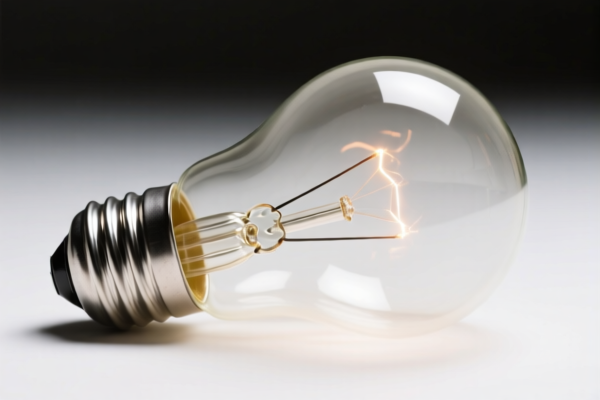
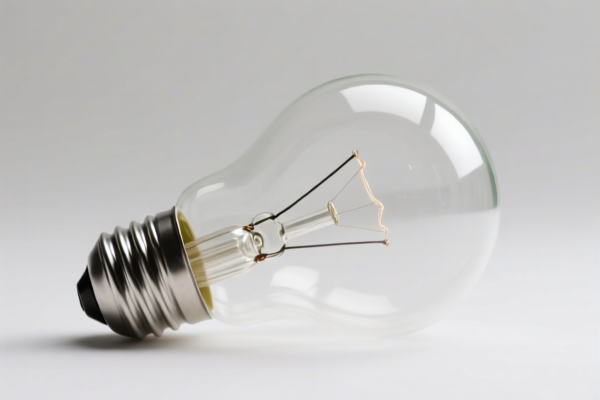
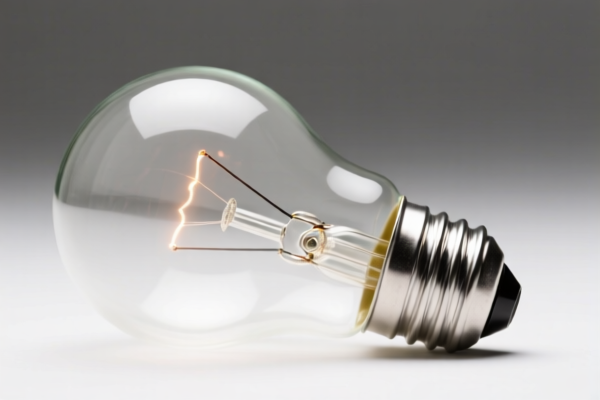
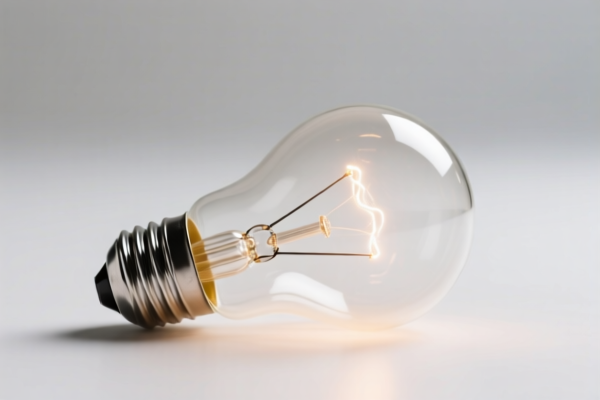
AI Analysis
💡 Motion Sensor Light Bulb (Smart Lighting & Signaling Devices)
🌐 HS Code Reference & Customs Clearance Guide | 2026 Latest Tariff Analysis | Professional Clearance Strategy
📌 I. Product Definition & Classification: Do You Really Understand "Motion Sensor Bulbs"?
A "Motion Sensor Light Bulb" is a broad term that often leads to classification errors. In international trade, it is not a single unified category. It is split into two fundamentally different legal entities based on its primary function and electrical nature:
- Smart Lighting Fixtures (Household/Decorative): Bulbs designed for general illumination, featuring smart chips (Bluetooth/Wi-Fi/Zigbee) or simple PIR sensors for home automation. These are classified as Luminaires/Lighting Fittings.
- Signaling/Security Devices: Bulbs or units primarily designed for burglar alarms, fire alarms, or security signaling (e.g., flashing red/blue for deterrence, or specific security indicators). These are classified as Signaling Apparatus.
⚠️ Critical Distinction:
- If the primary purpose is general lighting (even with smart features) → Go to Chapter 94 (Luminaires).
- If the primary purpose is security signaling/alarm indication → Go to Chapter 85 (Signaling Apparatus).
📦 II. HS Code Classification Details (2026 Latest Tariff Authority Match)
Based strictly on the provided <DATA>, here are the precise classifications for "Motion Sensor Light Bulbs" depending on their specific type and application.
| HS Code | Product Description | Applicable Scenario | Tax Rate (China to US) |
|---|---|---|---|
9405.29.80.10 |
Electric table, desk, bedside or floor-standing luminaires; Other Household | General Household Smart Bulbs: LED bulbs with motion sensors for home use (table lamps, bedside lamps, floor lamps). Note: This code specifically covers "Other Household" luminaires. | 28.9% |
9405.42.40.00 |
Other electric luminaires... designed for use solely with LED light sources: Of base metal: Of brass | Decorative/Brass Motion Sensors: High-end decorative lighting fixtures (chandeliers, wall sconces) made of brass, powered by LEDs, potentially with integrated motion detection for ambiance. | 29.7% |
8531.80.90.41 |
Electric sound or visual signaling apparatus... Other sound signaling apparatus | Security Alarm Bulbs: Bulbs specifically designed as part of a burglar or fire alarm system that emit sound/visual signals for alerting purposes (not general illumination). | 7.5% |
8531.80.90.51 |
Electric sound or visual signaling apparatus... Other apparatus | General Security Signaling Units: Other visual signaling devices (excluding bells/sirens specifically covered in .41) used for security/alerting. | 7.5% |
8539.52.00.20 |
Light-emitting diode (LED) light sources: Of a type specified in statistical note 7(b) to this chapter | Specialized LED Components: Specific industrial or statistical-category LEDs used as light sources, possibly part of a signaling unit but classified primarily as the light source component under strict statistical notes. | 0.0% |
8539.52.00.91 |
Light-emitting diode (LED) light sources: Light-emitting diode (LED) lamps Other | General LED Lamp Sources: Standard LED bulbs/lamps that serve as the light source. If the "sensor" is a separate component attached to a standard LED bulb, the bulb itself may fall here. | 0.0% |
🔍 Key Insight:
- Most Consumer "Smart Bulbs": Fall under9405.29.80.10(28.9%) because they are considered household luminaires.
- Security Alarm Flashers: Fall under8531.80.90.41(7.5%) if their primary function is alarm signaling.
- Raw LED Components: Fall under8539.52.00.91(0.0%) if declared merely as the LED lamp unit without the housing/luminaire function.
💰 III. 2026 Tariff Rate Detailed Explanation (Including Additional Duties)
✅ Applicable Country: United States (US)
✅ Origin: China (CN)
✅ Effective Time: Post-2025 Tariff Adjustments (Based on provided data)
🎯 1. 9405.29.80.10 — Household Luminaires (High Tax Risk)
| Item | Content |
|---|---|
| Base Tariff | 3.9% (Ad Valorem) |
| Additional Tariff (Section 301/IEEPA) | +25.0% |
| Total Tax Rate | 28.9% |
| Tax Calculation | CIF Value × 28.9% |
| De Minimis Exemption | ❌ Not Applicable (High value threshold, usually de minimis is for low-value packages, but commercial imports pay full duty) |
| Legal Basis | Base Tariff + Section 301 Additional Duties on Chinese Goods |
📌 Explanation:
- This is the most common classification for home automation smart bulbs (e.g., Philips Hue, IKEA Trådfri with motion sensors).
- The 25% additional tariff significantly impacts profit margins.
- Cost Impact: A $10 bulb incurs $2.89 in duty.
🎯 2. 8531.80.90.41 & 8531.80.90.51 — Signaling Apparatus (Moderate Tax)
| Item | Content |
|---|---|
| Base Tariff | 0.0% |
| Additional Tariff (Section 301/IEEPA) | +7.5% |
| Total Tax Rate | 7.5% |
| Tax Calculation | CIF Value × 7.5% |
| De Minimis Exemption | ❌ Not Applicable |
| Legal Basis | Base Tariff (0%) + Section 301 Additional Duties |
📌 Explanation:
- Applies if the product is explicitly marketed as a security alarm component (e.g., "Burglar Alarm Indicator Light").
- Significant Savings: 7.5% vs 28.9% is a ~21.4% difference.
- Risk: Misclassifying a household bulb as "signaling apparatus" to save taxes is considered customs fraud if the primary use is illumination.
🎯 3. 8539.52.00.91 — LED Light Sources (Zero Tax)
| Item | Content |
|---|---|
| Base Tariff | 0.0% |
| Additional Tariff | 0.0% |
| Total Tax Rate | 0.0% |
| Tax Calculation | $0 |
| De Minimis Exemption | N/A (Zero duty) |
📌 Explanation:
- Applies if you are importing only the LED bulb component without the luminaire housing or sensor integration as a complete unit.
- Strategy: If possible, import LED lamps separately and assemble sensors locally (if feasible) to benefit from 0% duty.
- Warning: If the bulb has an integrated motion sensor and housing, it is not a simple "LED light source" under HS 8539; it becomes a "luminaire" (9405).
🛠️ IV. Customs Clearance Practical Advice (Battle-Tested Guide)
✅ 1. Documentation Checklist (Non-Negotiable)
| Document | Required? | Explanation |
|---|---|---|
| ✅ Product Specification Sheet | ✔️ | Must clearly state: Is it for general lighting or security signaling? |
| ✅ Circuit Diagram/Block Diagram | ✔️ | Proves whether the motion sensor is part of the lighting circuit (9405) or an alarm circuit (8531). |
| ✅ Product Photos | ✔️ | Clear shots of the bulb, sensor, and any alarm indicators. |
| ✅ Commercial Invoice | ✔️ | Must use precise descriptions: "LED Luminaire with Motion Sensor for Home Use" vs "Burglar Alarm Visual Indicator". |
| ✅ CE/FCC/UL Certificates | ✔️ | Mandatory for electronic lighting products. |
| ✅ Country of Origin Certificate | ✔️ | To prove Chinese origin (if applicable). |
✅ 2. Declaration Strategy (Key Mantras)
🔥 "Function Determines Code, Lighting is 28.9%, Signaling is 7.5%, LED Source is 0%!"
| Scenario | Correct HS Code | Declaration Name | Wrong Approach |
|---|---|---|---|
| Smart Home Bulb (e.g., Aqara, Xiaomi) | 9405.29.80.10 |
"LED Household Luminaire with PIR Motion Sensor" | Declaring as "LED Lamp" (8539) → Audit Risk & Back Tax |
| Security Alarm Flasher | 8531.80.90.41 |
"Visual Signaling Apparatus for Burglar Alarm System" | Declaring as "Household Lamp" → Missed Savings |
| Bare LED Bulb (No housing/sensor) | 8539.52.00.91 |
"Light-Emitting Diode (LED) Lamp" | Declaring as "Luminaire" → Overpaid Duty |
✅ 3. Special Handling Tips
| Situation | Recommendation |
|---|---|
| Hybrid Products (Light + Alarm) | If the product lights up AND sounds/flashes for alarm, prioritize Signaling (8531) if the alarm function is primary. Provide proof that the light is secondary to the alert. |
| OEM/Private Label | Ensure your supplier’s specs match your declaration. If the supplier calls it "Security Light," declare it as such. |
| Kit Sales (Bulb + Remote Sensor) | Declare the complete set as a luminaire (9405) if sold as one unit. Do not split unless shipped separately. |
🌍 V. Global Market Clearance Comparison (2026 Update)
| Country/Region | Recommended HS Code | Duty Rate (China Origin) | Certification Required | Note |
|---|---|---|---|---|
| 🇺🇸 USA | 9405.29.80.10 |
28.9% | FCC + UL/ETL | High duty due to Section 301. Consider 7.5% if alarm-specific. |
| 🇪🇺 EU | 9405.42.40.00 |
0% - 4.7% | CE + RoHS + ErP | No Section 301 equivalent. Lower duty, but strict energy labeling. |
| 🇬🇧 UK | 9405.42.40.00 |
0% - 4.7% | UKCA + RoHS | Post-Brexit rules. Similar to EU but requires UKCA marking. |
| 🇨🇦 Canada | 9405.42.40.00 |
0% | IC (ISED) | CUSMA agreement may allow 0% duty on eligible Chinese goods if rules of origin are met. |
| 🇯🇵 Japan | 9405.42.40.00 |
0% - 2.9% | PSE | Low duty, but strict PSE safety standards. |
📌 Conclusion:
- The USA is the most expensive market for motion sensor bulbs due to the 25% additional tariff on luminaires.
- Optimization Strategy: If the bulb is primarily for security alerting (not general illumination), classify under 8531 (7.5%) to save ~21%.
- Component Import: Importing bare LED bulbs (0% duty) and assembling sensors in the US (if labor cost is low) can be a viable strategy, but beware of "substantial transformation" rules.
📌 VI. Common Mistakes & Pitfalls (Lessons Learned)
❌ Mistake 1: Declaring a smart home bulb as "LED Lamp" (8539) to pay 0% duty.
👉 Consequence: Customs will classify it as a luminaire (9405) → Back taxes + Penalties (28.9%).
❌ Mistake 2: Declaring a household night light as "Security Signaling" (8531).
👉 Consequence: If the primary use is illumination, not alarm, customs will reclassify → Audit delay, possible fines.
❌ Mistake 3: Ignoring Section 301 Additional Duties.
👉 Consequence: Underestimating total landed cost by 25%. Profit margins vanish.
✅ Correct Approach:
"LED Luminaire, Motion-Sensor Enabled, For General Illumination, Model XYZ, FCC Certified" →
9405.29.80.10
OR
"Visual Signaling Unit, Burglar Alarm Indicator, LED, Model ABC, UL Listed" →8531.80.90.41
🎯 VII. Conclusion: Smart Classification Saves Money!
🎯 Remember the Mantra:
🔹 "Light for Living = 28.9% (9405)"
🔹 "Light for Security = 7.5% (8531)"
🔹 "Bare LED Bulb = 0% (8539)"
🔹 "Don't Mix Them Up, Or Customs Will Up You!"
📌 Pro Tip:
If your product has dual functionality (e.g., a porch light that also flashes during a security breach), consult with a customs broker before shipping. You may be able to justify the 7.5% rate if the security feature is the primary design intent.
📣 Action Required:
📞 Contact Your Customs Broker Today with product photos and specs.
🚀 Accurate Classification = Lower Taxes = Higher Profits!
✨ Professional Customs Clearance Starts with Precise Classification!
💼 Your Cost Efficiency is Calculated in Every Digit!
Customer Reviews
About HS Code Classification
The Harmonized System (HS) is an internationally standardized nomenclature developed by the World Customs Organization (WCO) to classify traded products. Over 200 countries use the HS system as the basis for customs tariffs, trade statistics, and import/export regulations.
Each HS code follows a hierarchical structure:
- Chapter (2 digits) — Broad category of goods (e.g., Chapter 84: Machinery and Mechanical Appliances)
- Heading (4 digits) — More specific grouping within the chapter
- Subheading (6 digits) — Internationally standardized breakdown, used by all WCO member countries
- National subdivisions (8-10 digits) — Country-specific extensions for further classification, such as US HTSUS 10-digit codes
Correct HS code classification is essential for smooth customs clearance, accurate duty payment, and compliance with trade regulations. Misclassification can lead to customs delays, overpayment of duties, or penalties.
When importing from CN to US, the applicable tariff rates may include:
- Most-Favored-Nation (MFN) rate — The standard duty rate applied to WTO members
- General rate — Applied to countries without trade agreements
- Trade remedy duties — Additional tariffs such as Section 301 (anti-dumping), Section 232 (national security), or countervailing duties
The information provided on this page is for reference purposes only. For official classification, please consult with your local customs authority or a licensed customs broker.