multi function auto control valve
CN → US| HS Code | Tariff Rate | Origin | Destination | Doc |
|---|---|---|---|---|
| 8481809020 | 37.0% | CN | US | Official Doc |
| 8481809035 | 37.0% | CN | US | Official Doc |
Product Images
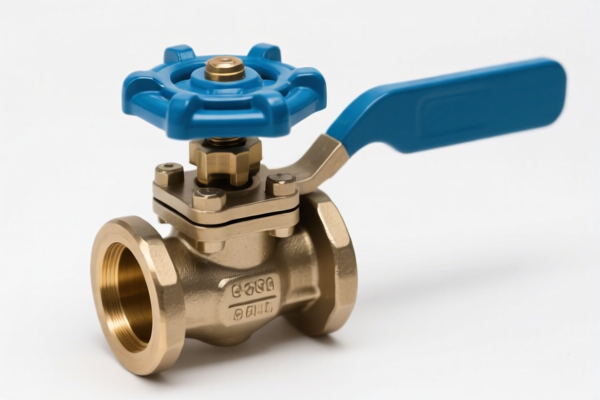
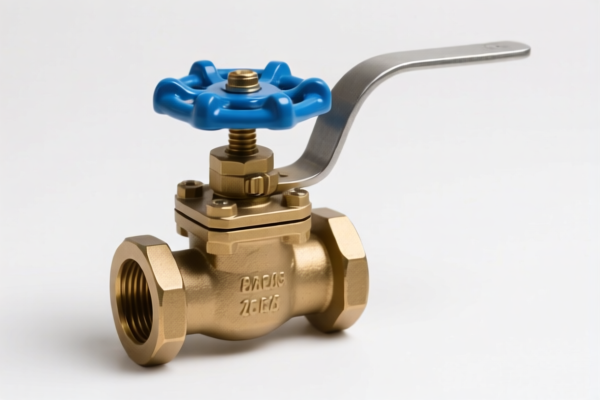
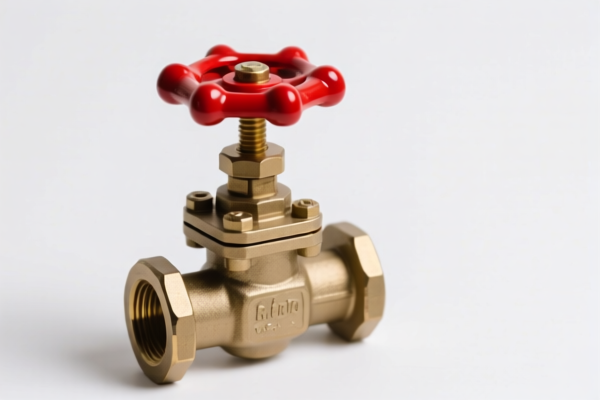
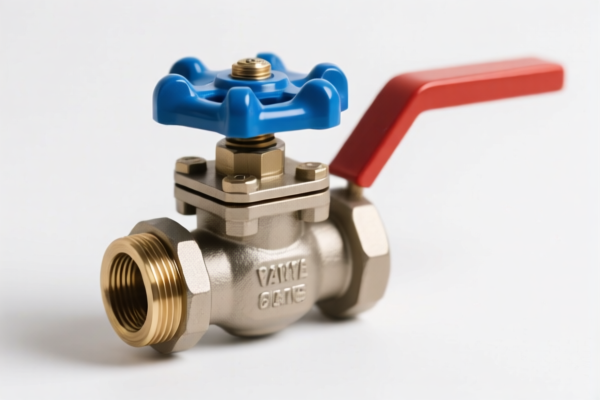
AI Analysis
🔧 Multi-Function Auto Control Valve
🌐 HS Code Reference & Customs Clearance Guide | 2026 Latest Tariff Analysis | Professional Level Customs Strategy
📌 I. Product Definition and Classification: Do You Really Understand "Control Valves"?
Multi-function automatic control valves are critical components in industrial fluid systems, used to regulate pressure, flow, and temperature in pipes, boiler shells, tanks, and vats. Unlike standard manual valves, these devices integrate actuators and control logic to respond to signals from a central control system.
In international trade, they are strictly classified based on the type of actuator driving the valve mechanism:
1. Electric or Electro-hydraulic Actuated Valves:
Valves driven by electrical signals or electro-hydraulic systems, designed for proportional operation (continuous adjustment rather than on/off switching).
2. Pneumatic Actuated Valves:
Valves driven by compressed air/pneumatic pressure, also designed for proportional operation via control signals.
⚠️ Key Distinction Point:
- If the valve is for simple on/off control or lacks a proportional control signal interface, it may fall under different subheadings.
- If it is a proportional control valve (adjusts flow/pressure continuously based on a signal), it falls under 8481.80.90.20 (Electric) or 8481.80.90.35 (Pneumatic).
- Parts of these valves are classified separately, but the main valve assembly with its actuator is classified as a complete appliance.
📦 II. HS Code Classification Details (2026 Latest Tariff Authority Comparison)
| HS Code | Product Description | Actuator Type | Control Mode | Key Features |
|---|---|---|---|---|
8481.80.90.20 |
Other Appliances: Other With electrical or electro-hydraulic actuators: Control valves designed for proportional operation by a signal from a control device | Electric / Electro-hydraulic | Proportional | Responds to electrical signals (e.g., 4-20mA, 0-10V) for precise flow/pressure control. Common in chemical, oil & gas, and HVAC systems. |
8481.80.90.35 |
Other Appliances: Other Other: With pneumatic actuators: Control valves designed for proportional operation by a signal from a control device | Pneumatic | Proportional | Responds to pneumatic signals (e.g., 3-15 PSI) for continuous adjustment. Common in plants where explosion-proofing or simple maintenance is required. |
🔍 Critical Reminder:
- Both codes require the valve to be "designed for proportional operation by a signal from a control device."
- Simple on/off ball valves or gate valves do not qualify for these specific subheadings unless they are part of a proportional control assembly.
- If the product is sold as a kit (valve + actuator + controller), the entire kit is classified under the valve head HS code.
- Do not misclassify as "parts" (8481.90) if the actuator is integral or sold with the valve.
💰 III. 2026 Latest Tariff Rate Details (Including Additional Taxes & Policy Surcharges)
✅ Applicable Country: United States (US)
✅ Country of Origin: China (CN)
✅ Effective Time: November 10, 2025 onwards (including subsequent imports)
🎯 1. 8481.80.90.20 —— Electric/Electro-hydraulic Proportional Control Valves
| Item | Detail |
|---|---|
| Base Duty Rate | 2.0% (ad valorem) |
| Section 301 Additional Duty | +25.0% (Under USITC Footnote 9903.88.01 / Trade Act Section 301) |
| Total Duty Rate | 27.0% |
| Tax Calculation | CIF Value × 27.0% |
| De Minimis Eligibility | ❌ Not Eligible (deny_de_minimis) |
| Legal Basis Path | USITC:8481.80.90.20 → FOOTNOTE:301 → Section 301 Tariff |
📌 Explanation:
- The 2.0% is the standard Most Favored Nation (MFN) duty for "valves and similar appliances" under HTSUS 8481.80.
- The +25% is the punitive tariff imposed on Chinese-made goods under Section 301 of the Trade Act of 1974.
- Total Cost Impact: For every $10,000 CIF value, you pay $2,700 in duties. This is a significant cost factor that must be included in your landed cost analysis.
🎯 2. 8481.80.90.35 —— Pneumatic Proportional Control Valves
| Item | Detail |
|---|---|
| Base Duty Rate | 2.0% (ad valorem) |
| Section 301 Additional Duty | +25.0% (Under USITC Footnote 9903.88.01 / Trade Act Section 301) |
| Total Duty Rate | 27.0% |
| Tax Calculation | CIF Value × 27.0% |
| De Minimis Eligibility | ❌ Not Eligible (deny_de_minimis) |
| Legal Basis Path | USITC:8481.80.90.35 → FOOTNOTE:301 → Section 301 Tariff |
📌 Note:
- Despite the different actuator type, the tariff burden is identical to electric variants.
- Both electric and pneumatic proportional control valves from China are subject to the same 27% total duty.
- No exemptions apply to these specific HTS codes under current Section 301 rules for Chinese goods.
🛠️ IV. Customs Clearance Practical Advice (Battlefield Pitfall Avoidance Guide)
✅ 1. Documentation Checklist (None Can Be Missing)
| Document | Required | Description |
|---|---|---|
| ✅ Product Specifications | ✔️ | Must explicitly state: "Proportional Control Valve," input signal type (e.g., 4-20mA for electric, 3-15 PSI for pneumatic), actuator type, and flow coefficient (Cv). |
| ✅ Actuator Details | ✔️ | Clear description of whether the actuator is electric, electro-hydraulic, or pneumatic. Include model numbers. |
| ✅ Commercial Invoice | ✔️ | Must clearly describe the product as "Control Valve for Pipes/Tanks" and specify the actuator type. Avoid generic terms like "Auto Valve" without detail. |
| ✅ Packing List | ✔️ | Detail the components. If the actuator is sold separately, it may still be classified with the valve if they are functionally a single unit. |
| ✅ Origin Certificate | ✔️ | If non-Chinese, to avoid 25% Section 301 duty. |
| ✅ Test Reports | ✔️ | Pressure tests, functional tests, and material certificates (e.g., ASTM, ISO) to prove material composition and safety. |
✅ 2. Declaration Tips (Key Mnemonic)
🔥 “Actuator Defines Code, Signal Defines Proportional, No Signal = Different Code!”
| Scenario | Correct HS Code | Wrong Practice | Consequence |
|---|---|---|---|
| Electric actuator, proportional control | 8481.80.90.20 |
Declare as "Pneumatic" | Misclassification risk, audit, penalties |
| Pneumatic actuator, proportional control | 8481.80.90.35 |
Declare as "Electric" | Misclassification risk, audit, penalties |
| Valve with no actuator (just the body) | 8481.80.90.90 (Other) |
Declare as Control Valve | Duty might be different, but description must match |
| Simple On/Off Ball Valve (no proportional signal) | 8481.30.00.00 or 8481.80.40.00 |
Declare as "Proportional Control Valve" | High Risk: CBP will reject if no signal interface exists |
📌 Critical Check:
- Does the product physically connect to a control system (PLC, DCS)?
- Does it modulate flow continuously based on a signal?
- If Yes → Use8481.80.90.20or8481.80.90.35.
- If No (just opens/closes) → Likely8481.30(Pressure regulating) or8481.80.40(Other valves).
✅ 3. Special Case Handling
| Case | Handling Advice |
|---|---|
| Valve + Controller Sold Separately | Declare the valve under 8481.80.90.xx and the controller under 9032.89 or 8537.10. Do not bundle if they are shipped separately and billed separately, unless they are a single system. |
| OEM Custom Valves | Provide customer design specs. Ensure the "proportional control" function is documented in the engineering drawings to justify the HS code. |
| Used/Refurbished Valves | Still subject to the same HS code and duty rates. Provide condition reports. |
| Valves for Nuclear/Military Use | May require additional licenses (BIS/ITAR). Duty rates remain 27%, but compliance is stricter. |
🌍 V. Global Market Comparison (2026 Latest)
| Country/Region | Recommended HS Code | Duty (China Origin) | Certification Required | Notes |
|---|---|---|---|---|
| 🇺🇸 USA | 8481.80.90.20 / .35 |
27% (2% base + 25% 301) | No special certs, but accurate description is vital | High duty burden. No de minimis. |
| 🇨🇳 China | 8481.80.90.20 / .35 |
Varies (Import) | CCC (if applicable) | For export from China, focus on US/EU rules. |
| 🇪🇺 EU | 8481.80.80 |
0% - 1.7% | CE, PED (Pressure Equipment Directive) | No 301-equivalent tariffs. Much lower cost. |
| 🇨🇦 Canada | 8481.80.90.20 / .35 |
0% (under CUSMA if Canadian origin, otherwise MFN ~2-5%) | CSA, CE | Check preferential trade agreements. |
| 🇲🇽 Mexico | 8481.80.90 |
0% (under USMCA) | NOM | USMCA makes Mexico a competitive alternative. |
📌 Conclusion:
- The 27% US tariff makes Chinese-made control valves less competitive in the US market compared to EU, Mexican, or Vietnamese alternatives.
- Supply Chain Diversification: Consider sourcing from Mexico (USMCA) or Vietnam if possible, to avoid the 25% Section 301 duty.
- Duty Drawback: If the valve is used in manufacturing and the final product is re-exported, explore Duty Drawback programs to recover some costs.
📌 VI. Common Mistakes & Pitfall Guide (Lessons from Tears)
❌ Mistake 1: Declaring a "Proportional Control Valve" as a "Simple Ball Valve" to avoid higher duties.
👉 Consequence: CBP audits will detect the actuator and signal interface. Penalties, back taxes, and seizure risk.
❌ Mistake 2: Confusing "Electric Actuator" with "Electro-hydraulic Actuator" in description.
👉 Consequence: Both fall under 8481.80.90.20, but inaccurate description can lead to delays. Be precise.
❌ Mistake 3: Ignoring the "Proportional" requirement.
👉 Consequence: If the valve is only for on/off control, it does not belong in .90.20 or .90.35. It belongs in 8481.30 or 8481.80.40. Misclassification leads to incorrect duty payment and potential fines.
❌ Mistake 4: Assuming "Parts" are cheaper.
👉 Consequence: Parts (8481.90) have different duties. However, if the actuator is integral to the valve's function, CBP may classify the whole unit under the valve code, not parts. Always declare the complete unit.
✅ Correct Practice:
"Electric Proportional Control Valve, 2-inch, 4-20mA Input, With Integrated Electric Actuator, Model XYZ, For Pressure Regulation in Chemical Pipes"
🎯 VII. Conclusion: Professional Declaration Saves Money!
🎯 Remember the Mantra:
🔹 "Actuator Type Determines Code (20 vs 35), Signal Type Determines Function (Proportional), Origin Determines Tax (China = 27%)."
🔹 "If it’s proportional and Chinese, expect 27%. Plan your supply chain accordingly!"
📌 Pro Tip:
If your valves are assembled in Mexico, Vietnam, or Malaysia, you MAY qualify for 0% or reduced duties under USMCA or GSP (if applicable).
👉 Action:
📞 Consult a Customs Broker for Country of Origin Determination.
📝 Ensure your Bill of Lading and Invoice accurately reflect the actuator type and proportional function.
🚀 Optimize your landed cost by leveraging alternative sourcing or duty drawback programs!
✨ Professional Customs Clearance Starts with Accurate Classification!
💼 Every Percent Saved in Duties is Pure Profit Added!
Customer Reviews
About HS Code Classification
The Harmonized System (HS) is an internationally standardized nomenclature developed by the World Customs Organization (WCO) to classify traded products. Over 200 countries use the HS system as the basis for customs tariffs, trade statistics, and import/export regulations.
Each HS code follows a hierarchical structure:
- Chapter (2 digits) — Broad category of goods (e.g., Chapter 84: Machinery and Mechanical Appliances)
- Heading (4 digits) — More specific grouping within the chapter
- Subheading (6 digits) — Internationally standardized breakdown, used by all WCO member countries
- National subdivisions (8-10 digits) — Country-specific extensions for further classification, such as US HTSUS 10-digit codes
Correct HS code classification is essential for smooth customs clearance, accurate duty payment, and compliance with trade regulations. Misclassification can lead to customs delays, overpayment of duties, or penalties.
When importing from CN to US, the applicable tariff rates may include:
- Most-Favored-Nation (MFN) rate — The standard duty rate applied to WTO members
- General rate — Applied to countries without trade agreements
- Trade remedy duties — Additional tariffs such as Section 301 (anti-dumping), Section 232 (national security), or countervailing duties
The information provided on this page is for reference purposes only. For official classification, please consult with your local customs authority or a licensed customs broker.