multi function car control valve
CN → US| HS Code | Tariff Rate | Origin | Destination | Doc |
|---|---|---|---|---|
| 8481200010 | 37.0% | CN | US | Official Doc |
| 9032810060 | 35.0% | CN | US | Official Doc |
| 9032810020 | 35.0% | CN | US | Official Doc |
| 8481200020 | 37.0% | CN | US | Official Doc |
Product Images
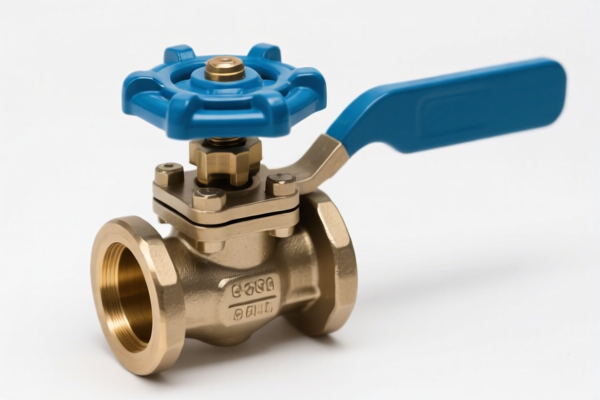
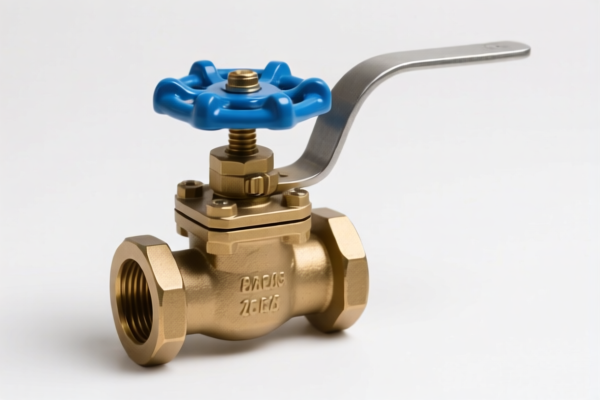
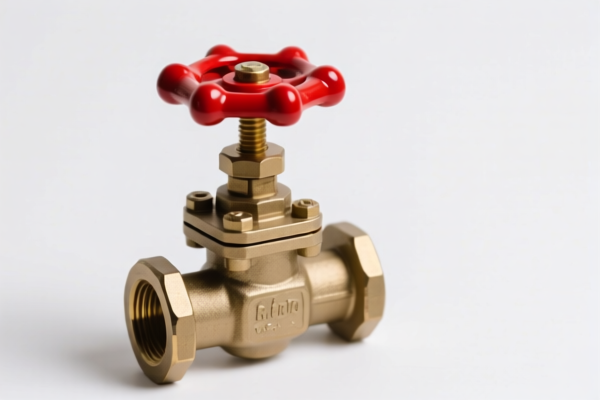
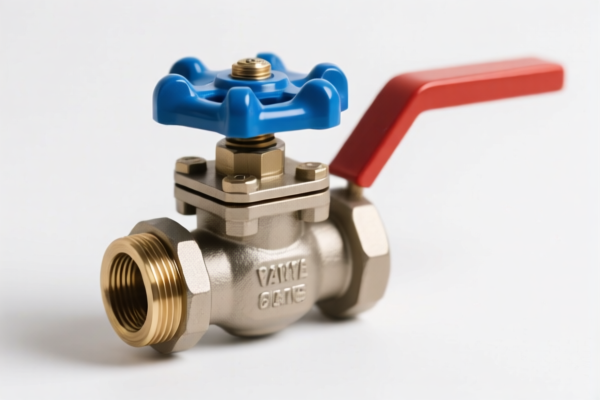
AI Analysis
🚗 Multi-function Car Control Valve (Automotive Hydraulic & Pneumatic Valves)
🌐 HS Code Reference & Customs Clearance Guide | 2026 Latest Tariff Analysis | Professional Strategy
📌 I. Product Definition & Classification: Do You Truly Understand "Car Control Valves"?
"Multi-function Car Control Valve" is a broad term in automotive engineering. In international trade, the classification depends entirely on what the valve controls (hydraulic vs. pneumatic) and how it is controlled (manual vs. automated/solenoid). It is not a single HS Code product. Misclassification leads to severe duty shocks (e.g., 27% vs. 0%).
The Core Distinction: 1. Industrial Process Control Instruments (9032): If the valve is part of an automated system regulating pressure/flow for industrial purposes, even if adapted for vehicles (e.g., automated air suspension control units). 2. Valves for Oleohydraulic or Pneumatic Transmissions (8481): If the valve is a standard component within a hydraulic or pneumatic system (e.g., brake systems, steering systems, air brakes).
⚠️ Critical Warning:
- If the device is an automated instrument for controlling a process (e.g., an electronic hydraulic control unit for ABS/ESP), it may fall under 9032.81.
- If it is a mechanical or solenoid valve within a transmission system (hydraulic/pneumatic), it falls under 8481.20.
- "Multi-function" alone is not enough. You must specify the type of control and the medium (oil/hydraulic vs. air/pneumatic).
📦 II. HS Code Classification Details (Based on Provided Data)
| HS Code | Product Description | Applicable Scenario | Control Type | Medium |
|---|---|---|---|---|
9032.81.00.20 |
Hydraulic Industrial Process Control Instruments | Automated hydraulic control systems; e.g., automated suspension control units, active stability control systems where the valve is part of a regulating instrument. | Automatic/Regulating | Hydraulic |
9032.81.00.60 |
Pneumatic Industrial Process Control Instruments | Automated pneumatic control systems; e.g., automated air brake regulators, pneumatic suspension control modules. | Automatic/Regulating | Pneumatic |
8481.20.00.10 |
Hydraulic Valves – Directional Control – Manual Type | Manual hydraulic valves in car systems (rare for modern cars, but possible in specialized off-road or heavy machinery). | Manual | Hydraulic |
8481.20.00.20 |
Hydraulic Valves – Directional Control – Solenoid Type | Most Common for Modern Cars: Solenoid valves in automatic transmissions, ABS pumps, electronic power steering, or automated air suspension solenoid packs. | Solenoid (Electric) | Hydraulic |
🔍 Key Note:
- 8481.20.00.20 is the most likely code for "multi-function" solenoid valves used in modern automotive hydraulic systems (e.g., transmission valves, brake valves).
- 9032.81 codes apply if the product is a complete regulating instrument (e.g., a control module with sensors and valves integrated) rather than just a valve component.
- 8481.20.00.10 is rare for multi-function car valves unless they are manually operated.
💰 III. 2026 Latest Tariff Rate Breakdown (Including Additional Duties)
✅ Applicable Country: United States (US)
✅ Origin: China (CN)
✅ Effective Date: 2025/2026 (Current Trade Rules)
🎯 1. 9032.81.00.20 & 9032.81.00.60 – Hydraulic/Pneumatic Process Control Instruments
| Item | Detail |
|---|---|
| Base Tariff | 0.0% |
| Additional Tariff (Section 301) | +25.0% |
| Total Tax Rate | 25.0% |
| Tax Detail | Base: 0.0%, Additional: 25.0% |
| De Minimis Eligibility | ❌ No |
📌 Explanation:
- These codes are for automated instruments. If your "multi-function valve" is part of a larger control system (e.g., an electronic hydraulic control unit), it may fall here.
- 25% duty is significant. Ensure the product is indeed an "instrument" and not just a "valve component" to avoid disputes.
🎯 2. 8481.20.00.10 – Manual Hydraulic Valves
| Item | Detail |
|---|---|
| Base Tariff | 2.0% |
| Additional Tariff (Section 301) | +25.0% |
| Total Tax Rate | 27.0% |
| Tax Detail | Base: 2.0%, Additional: 25.0% |
| De Minimis Eligibility | ❌ No |
📌 Explanation:
- Rare for modern passenger cars. If misclassified, this rate is the highest among the provided options.
🎯 3. 8481.20.00.20 – Solenoid Hydraulic Valves (Most Common for Cars)
| Item | Detail |
|---|---|
| Base Tariff | 0.0% |
| Additional Tariff (Section 301) | 0.0% |
| Total Tax Rate | 0.0% |
| Tax Detail | Base: 0.0%, Additional: 0.0% |
| De Minimis Eligibility | ✅ Yes (if under $800, per current US policy) |
📌 Explanation:
- This is the most favorable code for multi-function solenoid valves in automotive hydraulic systems (e.g., ABS, transmission, power steering).
- Zero duty! However, you must prove it is a solenoid valve for oleohydraulic (oil-based hydraulic) transmissions.
- Caution: If the valve is pneumatic (air-based) and solenoid-operated, it does NOT fit 8481.20.00.20. There is no pneumatic solenoid valve code in the provided data with 0% tax. Pneumatic valves might fall under other 8481 subheadings or 9032 if automated.
🛠️ IV. Customs Clearance Practical Advice (Pitfall Avoidance Guide)
✅ 1. Preparation Checklist (Must-Haves)
| Document | Required | Purpose |
|---|---|---|
| Product Datasheet | ✔️ | Must specify: "Solenoid Valve," "Hydraulic," "Directional Control." |
| Electrical Schematic | ✔️ | Proof of solenoid (electric) operation vs. manual. |
| Product Photos | ✔️ | Clear view of connectors (solenoid) vs. levers (manual). |
| Commercial Invoice | ✔️ | Use precise description: "Solenoid Hydraulic Directional Control Valve, Model XYZ." Avoid vague terms like "Car Part." |
| HS Code Pre-ruling | ✔️ | Highly Recommended for multi-function valves to confirm 8481.20.00.20 vs. 9032.81. |
✅ 2. Declaration Strategy (Key Mantra)
🔥 “Solenoid + Hydraulic = 0% Duty! Manual = 27%! Automated Instrument = 25%!”
| Scenario | Correct HS Code | Risk if Misclassified |
|---|---|---|
| Solenoid Valve for Auto Transmission | 8481.20.00.20 |
If declared as "Instrument" → 25% duty |
| Solenoid Valve for Air Brake | Not listed with 0% tax | Must check other 8481 codes; if automated, may be 9032.81.00.60 (25%) |
| Manual Valve for Heavy Machinery | 8481.20.00.10 |
If declared as "Solenoid" → 27% duty |
| Complete Control Module (Valve + Sensor) | 9032.81.00.20 |
If declared as "Valve" → 25% duty |
📌 Crucial Tip:
- Do not use "Multi-function Car Valve" as a product name in customs declarations.
- Do use: "Hydraulic Solenoid Directional Control Valve, 24V DC, for Automotive Transmission."
- Verify the Medium: Is it oil (hydraulic) or air (pneumatic)?
- Oil + Solenoid →8481.20.00.20(0% duty) ✅
- Air + Solenoid → Likely9032.81.00.60(25% duty) ⚠️
🌍 V. Global Market Comparison (2026)
| Market | Recommended HS Code | Duty Rate | Notes |
|---|---|---|---|
| 🇺🇸 USA | 8481.20.00.20 |
0% | If solenoid hydraulic valve. Best option. |
| 🇨🇳 China | 8481.20.00.20 |
5% | Standard import duty. |
| 🇪🇺 EU | 8481.20 |
0-4% | Depends on exact subheading. |
| 🇯🇵 Japan | 8481.20 |
0% | Generally favorable for auto parts. |
📌 Conclusion:
- USA offers 0% duty for solenoid hydraulic valves (8481.20.00.20).
- Pneumatic valves are more complex and may incur 25% duty if classified as automated instruments.
- Manual valves have a 27% duty due to additional tariffs.
📌 VI. Common Errors & Pitfalls (Blood Lessons)
❌ Error 1: Declaring a solenoid hydraulic valve as a general "Auto Part" or "Instrument"
👉 Consequence: Classify under 9032.81 → 25% duty instead of 0%.
❌ Error 2: Declaring a pneumatic solenoid valve as a "Hydraulic Valve"
👉 Consequence: Customs rejection or reclassification to 9032.81.00.60 → 25% duty + penalties.
❌ Error 3: Using vague terms like "Multi-function Valve"
👉 Consequence: Customs asks for clarification → Delays + potential random inspection.
❌ Error 4: Confusing Manual vs. Solenoid
👉 Consequence: Manual valves (8481.20.00.10) have 27% duty. Solenoid (8481.20.00.20) has 0%. This is a 27% cost difference!
✅ Correct Declaration Example:
"Solenoid Operated Hydraulic Directional Control Valve, 24V DC, 10 Port, for Automotive Transmission System, Model XYZ, Made in China."
🎯 VII. Conclusion: Precision Saves Money!
🎯 Remember the Mantra:
🔹 "Solenoid Hydraulic = 0% Duty! Pneumatic/Auto = 25%! Manual = 27%!"
🔹 "Specify Medium (Oil vs. Air) and Control (Solenoid vs. Manual)!"
🔹 "Avoid 'Multi-function' – Use Technical Terms!"
📌 Tip:
If your product is a solenoid hydraulic valve, ensure your invoice and specs explicitly state "Solenoid" and "Hydraulic (Oil)" to claim 0% duty. If it is pneumatic or automated, budget for 25% duty.
📣 Immediate Action:
📞 Consult a customs broker to verify if your "multi-function valve" is a solenoid hydraulic valve (0%) or an automated instrument (25%).
🚀 Right Code = Right Price!
✨ Professional Clearance Starts with Precise Classification!
💼 Your Bottom Line Depends on Your HS Code!
Customer Reviews
About HS Code Classification
The Harmonized System (HS) is an internationally standardized nomenclature developed by the World Customs Organization (WCO) to classify traded products. Over 200 countries use the HS system as the basis for customs tariffs, trade statistics, and import/export regulations.
Each HS code follows a hierarchical structure:
- Chapter (2 digits) — Broad category of goods (e.g., Chapter 84: Machinery and Mechanical Appliances)
- Heading (4 digits) — More specific grouping within the chapter
- Subheading (6 digits) — Internationally standardized breakdown, used by all WCO member countries
- National subdivisions (8-10 digits) — Country-specific extensions for further classification, such as US HTSUS 10-digit codes
Correct HS code classification is essential for smooth customs clearance, accurate duty payment, and compliance with trade regulations. Misclassification can lead to customs delays, overpayment of duties, or penalties.
When importing from CN to US, the applicable tariff rates may include:
- Most-Favored-Nation (MFN) rate — The standard duty rate applied to WTO members
- General rate — Applied to countries without trade agreements
- Trade remedy duties — Additional tariffs such as Section 301 (anti-dumping), Section 232 (national security), or countervailing duties
The information provided on this page is for reference purposes only. For official classification, please consult with your local customs authority or a licensed customs broker.