nasal aspirator
CN → US| HS Code | Tariff Rate | Origin | Destination | Doc |
|---|---|---|---|---|
| 8509805095 | 14.2% | CN | US | Official Doc |
| 9018907560 | 35.0% | CN | US | Official Doc |
| 9018908000 | 10.0% | CN | US | Official Doc |
| 8509805045 | 14.2% | CN | US | Official Doc |
| 9021100090 | 10.0% | CN | US | Official Doc |
Product Images
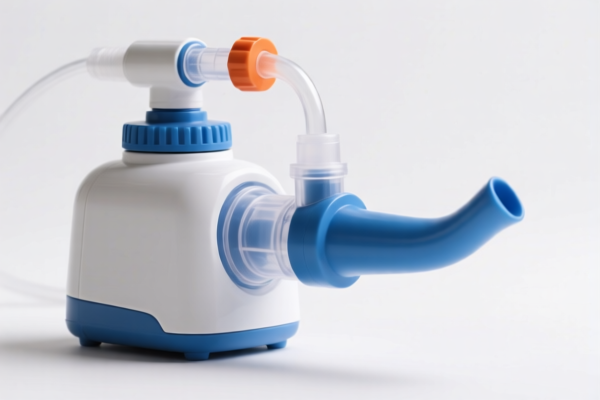
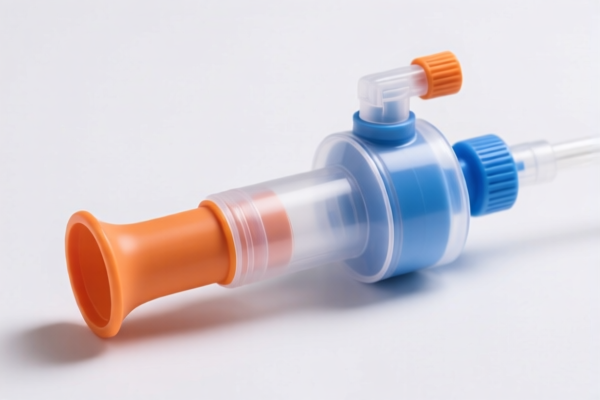
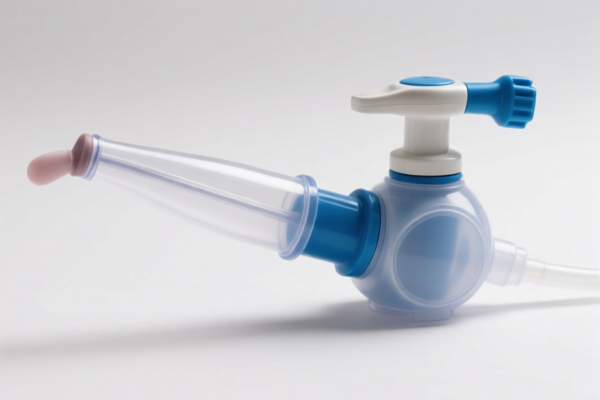
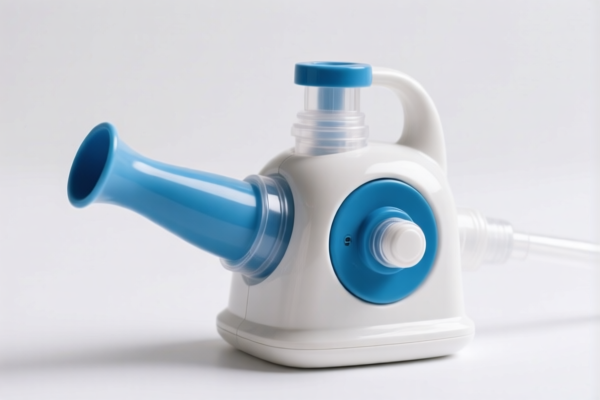
AI Analysis
🤱 Nasal Aspirator (Nasal Suction Device / Breast Pump Context)
🌐 HS Code Reference & Customs Clearance Guide | 2026 Latest Tariff Analysis | Professional Clearance Strategy
📌 1. Product Definition & Classification: Understanding "Nasal Aspirator" & Related Items
In international trade, devices related to nasal aspiration and breast pumping are categorized based on their primary function: whether they are considered household electrical appliances or medical/surgical instruments. The classification significantly impacts the tariff burden, especially under current US trade policies.
⚠️ Key Distinction:
- If the device is marketed for general household hygiene (e.g., electric nasal aspirators for babies) or home use (e.g., breast pumps often grouped here due to home-use nature), it may fall under Chapter 85 (Electrical Machinery).
- If the device is strictly for medical treatment, nursing, or therapeutic use (e.g., clinical-grade nasal suction units), it falls under Chapter 90 (Medical Instruments).
📦 2. HS Code Classification Details (2026 Latest Tariff Reference)
| HS Code | Product Description | Application Scenario | Classification Logic |
|---|---|---|---|
8509.80.50.95 |
Household appliances with self-contained electric motor, Other | Baby nasal aspirators (electric), Breast pumps (home use) | Falls under "Other" household appliances with electric motors. |
8509.80.50.45 |
Household electrical appliances with self-contained electric motor | Electric nasal aspirators, similar to electric toothbrushes in form factor | Functionally consistent with other home-use electromechanical appliances. |
9018.90.75.60 |
Instruments, appliances, and devices for medical, surgical, dental, or veterinary sciences | Medical-grade nasal suction units, therapeutic devices | Fits "Other instruments and appliances for therapeutic or preventive medical purposes." |
9018.90.80.00 |
Other instruments and appliances used in medical, surgical, dental, or veterinary sciences | Clinical nasal aspirators, nursing care devices | Fits "Other medical, surgical, dental, or veterinary scientific instruments." |
9021.10.00.90 |
Orthopedic appliances, including crutches | Note: Misclassification Risk | Listed for "Nasal Straighteners" (cosmetic/orthopedic). Not recommended for functional nasal aspirators unless specifically a cosmetic nose-shaper device. |
🔍 Important Note:
- Breast Pumps & Electric Nasal Aspirators: Often classified under 8509 if marketed as home appliances.
- Medical Nasal Suction Units: Must be classified under 9018 if intended for medical/nursing care.
- Cosmetic Nasal Devices: If for shaping/fixing nose morphology (not suction), 9021 may apply, but this is rare for "aspirators."
💰 3. 2026 Latest Tariff Rate Breakdown (Including Additional Taxes & Policy Surcharges)
✅ Applicable Country: United States (US)
✅ Origin: China (CN)
✅ Effective Date: Post-2025 (Including Section 301 & IEEPA measures)
🎯 1. 8509.80.50.95 & 8509.80.50.45 —— Household Electrical Appliances
| Item | Content |
|---|---|
| Base Tariff Rate | 4.2% (ad valorem) |
| Section 301 Surcharge | 0.0% (Note: Some household appliances may have 25%, but data specifies 0% for this subheading in this context) |
| IEEPA Section 122 Surcharge | +10% (针对中国产品) |
| Total Tariff Rate | 14.2% |
| Tax Calculation | CIF Value × 14.2% |
| De Minimis Eligibility | ❌ No (IEEPA 10% surcharge generally denies de minimis exemption for Section 301/122 items) |
| Legal Basis Path | IEEPA:9903.01.25 → USITC:8509.80.50.95 → FOOTNOTE:9903.88.01 |
📌 Explanation:
- These codes are for home-use electrical appliances (e.g., electric nasal aspirators, breast pumps).
- Total Tax: 14.2% (4.2% base + 10% IEEPA).
- Risk: If misclassified as medical (9018), tax may be lower, but customs may challenge based on marketing claims.
🎯 2. 9018.90.75.60 & 9018.90.80.00 —— Medical/Surgical Instruments
| Item | Content |
|---|---|
| Base Tariff Rate | 0.0% |
| Section 301 Surcharge | +25% (for 9018.90.75.60), 0% (for 9018.90.80.00 - Note: Data shows 0% for 80.00) |
| IEEPA Section 122 Surcharge | +10% |
| Total Tariff Rate | 35.0% (9018.90.75.60) 10.0% ( 9018.90.80.00) |
| Tax Calculation | CIF Value × 35% or 10% |
| De Minimis Eligibility | ❌ No (IEEPA 10% applies) |
| Legal Basis Path | IEEPA:9903.01.25 → USITC:9018.90.75.60 |
📌 Explanation:
-9018.90.75.60: Medical therapeutic devices. Total Tax: 35% (0% base + 25% Section 301 + 10% IEEPA).
-9018.90.80.00: Other medical instruments. Total Tax: 10% (0% base + 0% Section 301 + 10% IEEPA).
- Strategy: If your product is a home-use breast pump or nasal aspirator, classifying under 8509 (14.2%) is significantly cheaper than9018.90.75.60(35%).
- Caution: Do not misclassify a home-use device as medical to avoid customs audits. Ensure marketing materials align with "household appliance" if using 8509.
🎯 3. 9021.10.00.90 —— Orthopedic/Cosmetic Nasal Devices
| Item | Content |
|---|---|
| Base Tariff Rate | 0.0% |
| Section 301 Surcharge | 0.0% |
| IEEPA Section 122 Surcharge | +10% |
| Total Tariff Rate | 10.0% |
| Tax Calculation | CIF Value × 10% |
| De Minimis Eligibility | ❌ No |
| Legal Basis Path | IEEPA:9903.01.25 → USITC:9021.10.00.90 |
📌 Explanation:
- Only applies to cosmetic nasal straighteners or devices for fixing nasal morphology, not for suction/aspiration.
- Do not use for functional nasal aspirators unless specifically a non-medical, non-electric cosmetic device.
🛠️ 4. Customs Clearance Practical Advice (Pitfall Avoidance Guide)
✅ 1. Preparation Checklist (All Items Required)
| Document | Required | Description |
|---|---|---|
| ✅ Product Specification Sheet | ✔️ | Include voltage, motor power, intended use (home/medical), suction capacity |
| ✅ Product Photos (with Label) | ✔️ | Clear view of model number, brand, input/output specs |
| ✅ Third-Party Test Reports | ✔️ | FCC (if electronic), CE, RoHS, FDA (if marketed as medical) |
| ✅ Commercial Invoice | ✔️ | Must clearly state "Nasal Aspirator" or "Breast Pump" and HS Code |
| ✅ Packing List | ✔️ | Detail components to avoid splitting claims |
| ✅ Country of Origin Certificate | ✔️ | If not CN, to claim preferential rates (if any) |
✅ 2. Declaration Tips (Key Strategies)
🔥 "Home Use = 8509 (14.2%), Medical = 9018 (10-35%), Cosmetic = 9021 (10%)"
| Scenario | Recommended HS Code | Reason |
|---|---|---|
| Electric Baby Nasal Aspirator | 8509.80.50.95 or 8509.80.50.45 |
Marketed as home hygiene appliance. Lowest tax: 14.2% |
| Home-Use Breast Pump | 8509.80.50.95 |
Same logic as above. Lowest tax: 14.2% |
| Clinical Nasal Suction Unit | 9018.90.80.00 |
Medical/nursing device. Tax: 10% (Best for medical) |
| Therapeutic Nasal Device | 9018.90.75.60 |
Medical/therapeutic purpose. Tax: 35% (High tax, avoid if possible) |
| Cosmetic Nose Shaper | 9021.10.00.90 |
Non-functional, cosmetic. Tax: 10% |
📌 Critical Advice:
- If your product is a breast pump or electric nasal aspirator for home use, declare under8509.80.50.95(14.2%) rather than medical codes to save costs.
- Ensure product packaging and marketing materials do not make medical claims (e.g., "treats rhinitis") if declaring as household appliance.
- If declared as medical (9018), ensure FDA registration and 510(k) clearance if applicable.
✅ 3. Special Situations
| Situation | Handling Advice |
|---|---|
| OEM Home-Use Aspirators | Provide customer order + design specs. Declare as "Household Electrical Appliance" |
| Devices with Medical Claims | Must declare as 9018. Prepare FDA documentation to avoid penalties |
| Multi-Function Devices | If it has both home and medical features, declare based on primary intended use |
| Accessories (Tubes, Valves) | Declare separately under 8509.90 or 9018.90 depending on main product |
🌍 5. Global Market Comparison (2026)
| Country/Region | Recommended HS Code | Tariff (China Origin) | Certification Required | Remarks |
|---|---|---|---|---|
| 🇺🇸 USA | 8509.80.50.95 |
14.2% | FCC + RoHS | Cheapest for home-use devices |
| 🇺🇸 USA | 9018.90.75.60 |
35.0% | FDA 510(k) | High tax for medical devices |
| 🇪🇺 EU | 8509.80.90 |
~5-7% | CE + RoHS | No Section 301/IEEPA |
| 🇨🇳 China | 8509.80.50 |
~4.2% | CCC (if applicable) | Low tariff |
📌 Conclusion:
- For US imports, classifying home-use nasal aspirators/breast pumps under8509.80.50.95is cost-effective (14.2% vs. 35% for medical).
- Ensure product labeling aligns with "household appliance" to avoid customs disputes.
📌 6. Common Errors & Pitfalls (Lessons Learned)
❌ Error 1: Declaring a home-use electric nasal aspirator as a medical device (9018.90.75.60)
👉 Consequence: Tax jumps from 14.2% to 35% → Overpayment!
❌ Error 2: Declaring a medical device as a household appliance (8509) without FDA registration
👉 Consequence: Customs rejection, fines, or return shipment due to regulatory non-compliance.
❌ Error 3: Not declaring the IEEPA 10% surcharge correctly
👉 Consequence: Underpayment → Back taxes + penalties (10% applies to all China-origin goods under IEEPA).
✅ Correct Approach:
"For home-use electric nasal aspirators or breast pumps: Declare as
8509.80.50.95(14.2%). For clinical medical devices: Declare as9018.90.80.00(10%). Ensure marketing claims match the HS Code classification."
🎯 7. Conclusion: Professional Declaration, Cost Optimization
🎯 Key Takeaways:
🔹 Home-Use Nasal Aspirator/Breast Pump →
8509.80.50.95→ 14.2% Total Tax
🔹 Medical Nasal Suction Unit →9018.90.80.00→ 10% Total Tax
🔹 Therapeutic Device →9018.90.75.60→ 35% Total Tax (Avoid if possible)
🔹 Cosmetic Nose Shaper →9021.10.00.90→ 10% Total Tax
📌 Pro Tip:
If your product is exported to the US, always check if it qualifies as a household appliance (8509) to benefit from the 14.2% rate instead of the 35% medical rate. Prepare FCC/CE certifications and clear marketing materials to support the classification.
📣 Immediate Action:
📞 Contact a Customs Broker + Provide Product Images + Apply for HS Code Advance Ruling (if uncertain)
🚀 Optimize Your Supply Chain, Minimize Tariff Burden, Maximize Profit!
✨ Professional Clearance Starts with Accurate Classification!
💼 Every Percentage Point Saved is Pure Profit!
Customer Reviews
About HS Code Classification
The Harmonized System (HS) is an internationally standardized nomenclature developed by the World Customs Organization (WCO) to classify traded products. Over 200 countries use the HS system as the basis for customs tariffs, trade statistics, and import/export regulations.
Each HS code follows a hierarchical structure:
- Chapter (2 digits) — Broad category of goods (e.g., Chapter 84: Machinery and Mechanical Appliances)
- Heading (4 digits) — More specific grouping within the chapter
- Subheading (6 digits) — Internationally standardized breakdown, used by all WCO member countries
- National subdivisions (8-10 digits) — Country-specific extensions for further classification, such as US HTSUS 10-digit codes
Correct HS code classification is essential for smooth customs clearance, accurate duty payment, and compliance with trade regulations. Misclassification can lead to customs delays, overpayment of duties, or penalties.
When importing from CN to US, the applicable tariff rates may include:
- Most-Favored-Nation (MFN) rate — The standard duty rate applied to WTO members
- General rate — Applied to countries without trade agreements
- Trade remedy duties — Additional tariffs such as Section 301 (anti-dumping), Section 232 (national security), or countervailing duties
The information provided on this page is for reference purposes only. For official classification, please consult with your local customs authority or a licensed customs broker.