natural polymer moisturizing ingredient
CN → US| HS Code | Tariff Rate | Origin | Destination | Doc |
|---|---|---|---|---|
| 1302320020 | 17.5% | CN | US | Official Doc |
| 1302390090 | 20.7% | CN | US | Official Doc |
| 3913902090 | 40.8% | CN | US | Official Doc |
| 3506105000 | 37.1% | CN | US | Official Doc |
| 3913905000 | 41.5% | CN | US | Official Doc |
Product Images
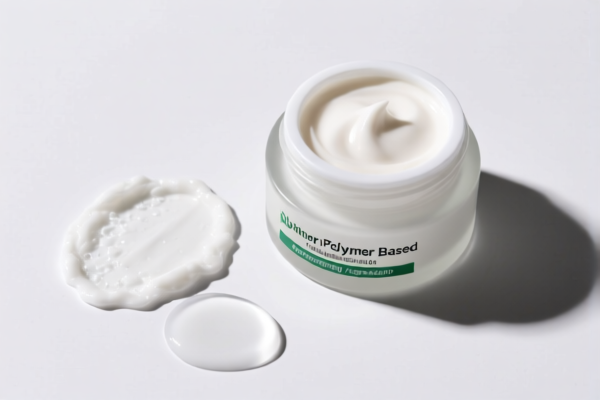
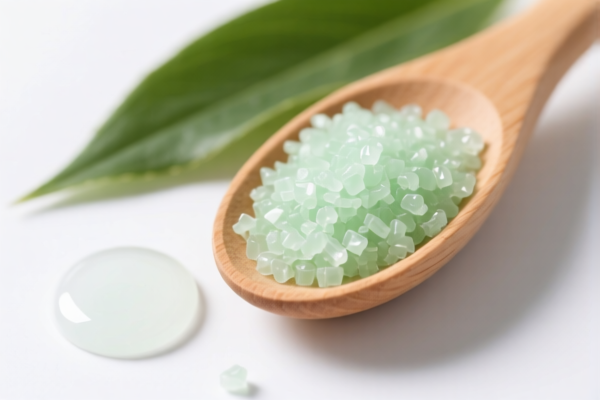
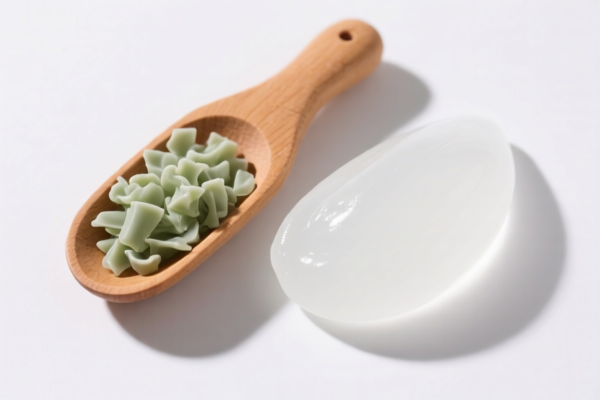
AI Analysis
💧 Natural Polymer Moisturizing Ingredients: The Ultimate Customs Classification & Tariff Strategy Guide (US Market)
🌐 HS Code Reference & Customs Clearance Guide | 2026 Latest Tariff Analysis | Professional Clearance Strategy
📌 I. Product Definition & Classification: What Exactly Are We Importing?
Natural Polymer Moisturizing Ingredients are primarily derived from plant polysaccharides (e.g., Guar Gum, Xanthan Gum, Hyaluronic Acid extracted from natural sources). In international trade, their classification is complex because they straddle the line between chemical intermediates, plant extracts, and adhesives/thickeners.
The key to accurate classification lies in their physical state (powder, liquid, paste) and chemical function (pure polysaccharide vs. formulated mixture).
⚠️ Critical Distinction Point: * If it is a pure, unformulated plant gum/polysaccharide intended as a raw material → It often falls under Chapter 13 (Extracts of Plants) or Chapter 39 (Plastics/Polymers). * If it is a prepared adhesive or resin-like polymer → It falls under Chapter 35 (Animal or Vegetable Glues). * If it is a miscellaneous natural polymer without a specific heading → It falls under the "Other" headings in Chapter 39.
📦 II. HS Code Classification Details (2026 Latest Tariff Authority Mapping)
Based on the product characteristics provided, here are the four most probable HS Codes, ranked by logical fit and tax implication.
| HS Code | Product Description | Logical Basis | Estimated Total Tax (China Origin) |
|---|---|---|---|
1302.32.00.20 |
Plant Glues, Thickeners & Stabilizers (e.g., Guar Gum, Xanthan Gum) | Best Fit for Raw Plant Polymers. Classified under Chapter 13 as plant extracts/adhesives. Most common for natural gum-based moisturizers. | 17.5% |
3913.90.20.90 |
Other Natural Polymers (Plasticized or Not) | Fallback for Polysaccharides. If not strictly a "plant glue," natural polymers like hyaluronic acid (if considered a polymer) may fall here under "Other." | 40.8% |
3913.90.50.00 |
Natural Polymers (Formulated/Primary Shape) | Logical Fit for Primary Shapes. Fits the "chemical essence" of natural polymers. Often used if the product is in a specific primary form (not just raw powder). | 41.5% |
3506.10.50.00 |
Prepared Adhesives (Glues) | Inferred as Adhesive/Resin. If the ingredient is chemically treated or formulated to act as a binder/thickener with adhesive properties. | 37.1% |
3506.99.00.00 |
Other Prepared Adhesives (Resins) | Broad Category for Polymers. Used if the ingredient is viewed as a "prepared resin" or complex mixture that doesn't fit specific glue headings. | 37.1% |
🔍 Key Insight: *
1302.32.00.20is the lowest tax option and is most accurate for unadulterated natural plant gums (like Guar or Xanthan). *3506and3913codes are significantly higher (37%-41%) due to additional tariffs on "other" polymer/adhesive categories. * Avoid misclassification: Do not classify complex cosmetic formulations as simple plant extracts if they contain synthetic modifiers.
💰 III. 2026 Latest Tariff Rate Breakdown (Including Surtaxes & Policy Add-ons)
✅ Applicable Country: United States (US) ✅ Origin: China (CN) ✅ Effective Date: November 10, 2025 (and subsequent imports)
🎯 1. 1302.32.00.20 – Plant Glues, Thickeners & Stabilizers (The "Best Case" Scenario)
| Item | Content |
|---|---|
| Base Tariff | 0.0% (Ad Valorem) |
| USITC Surtax (Section 301) | +7.5% |
| IEEPA Surtax (China-specific) | +10% |
| Total Tax Rate | 17.5% |
| Tax Calculation | CIF Value × 17.5% |
| De Minimis Exemption | ❌ Not Eligible (Deny de minimis for Section 301/IEEPA goods) |
| Legal Basis Path | USITC:1302.32.00.20 → FOOTNOTE:9903.88.01 → IEEPA:9903.01.25 |
📌 Explanation: * This is the most favorable classification for natural plant-derived moisturizers (e.g., Guar Gum). * The base rate is 0%, but Section 301 adds 7.5% and IEEPA adds 10%. * Total: 17.5%. This is significantly lower than the 40%+ rates of other codes.
🎯 2. 3913.90.20.90 – Other Natural Polymers (The "Fallback" Scenario)
| Item | Content |
|---|---|
| Base Tariff | 5.8% (Ad Valorem) |
| USITC Surtax (Section 301) | +25.0% |
| IEEPA Surtax (China-specific) | +10% |
| Total Tax Rate | 40.8% |
| Tax Calculation | CIF Value × 40.8% |
| De Minimis Exemption | ❌ Not Eligible |
| Legal Basis Path | USITC:3913.90.20.90 → FOOTNOTE:9903.88.01 → IEEPA:9903.01.25 |
📌 Explanation: * If the product is not considered a "plant glue" but a "natural polymer," it falls here. * Base rate 5.8% + 25% (301) + 10% (IEEPA) = 40.8%. * This is a high-cost classification. Avoid if possible.
🎯 3. 3913.90.50.00 – Other Natural Polymers (Primary Form)
| Item | Content |
|---|---|
| Base Tariff | 6.5% (Ad Valorem) |
| USITC Surtax (Section 301) | +25.0% |
| IEEPA Surtax (China-specific) | +10% |
| Total Tax Rate | 41.5% |
| Tax Calculation | CIF Value × 41.5% |
| De Minimis Exemption | ❌ Not Eligible |
| Legal Basis Path | USITC:3913.90.50.00 → FOOTNOTE:9903.88.01 → IEEPA:9903.01.25 |
📌 Explanation: * Similar to the previous code but for different primary forms. * Total: 41.5%. The highest rate among the options. Only use if
3913.90.20.90is explicitly ruled out by Customs.
🎯 4. 3506.10.50.00 & 3506.99.00.00 – Prepared Adhesives/Resins
| Item | Content |
|---|---|
| Base Tariff | 2.1% (Ad Valorem) |
| USITC Surtax (Section 301) | +25.0% |
| IEEPA Surtax (China-specific) | +10% |
| Total Tax Rate | 37.1% |
| Tax Calculation | CIF Value × 37.1% |
| De Minimis Exemption | ❌ Not Eligible |
| Legal Basis Path | USITC:3506.xxxx → FOOTNOTE:9903.88.01 → IEEPA:9903.01.25 |
📌 Explanation: * These codes apply if the ingredient is viewed as a "prepared adhesive" or "resin." * Total: 37.1%. High cost. Only appropriate if the product is heavily formulated or chemically modified to act as a glue/resin.
🛠️ IV. Customs Clearance Practical Advice (Avoid Pitfalls)
✅ 1. Documentation Checklist (Non-Negotiable)
| Document | Required? | Note |
|---|---|---|
| ✅ Product Specification Sheet | ✔️ | Must detail: Source (e.g., Guar Seed, Bacterial Fermentation), Purity %, Physical Form (Powder/Liquid), Function (Humectant/Thickener). |
| ✅ Formula/Composition List | ✔️ | Critical to prove it is 100% Natural Polymer (or specify %). If it contains synthetic thickeners, it may shift to 3913 or 3506. |
| ✅ Third-Party Test Report | ✔️ | FDA/COA proving it is a Plant Extract/Gum (supports 1302) vs. a Synthetic Polymer (supports 3907). |
| ✅ Commercial Invoice | ✔️ | Clearly state "Natural Polymer Moisturizing Ingredient (Plant Origin)" not just "Chemical." |
| ✅ Certificate of Origin (CO) | ✔️ | To prove Chinese origin for tariff calculation. |
✅ 2. Declaration Strategy (Key Mantra)
🔥 “If it’s a Plant Gum, Claim Chapter 13. If it’s a Polymer, Prepare for 40%. Do Not Guess.”
| Scenario | Correct Declaration | Incorrect Declaration | Consequence |
|---|---|---|---|
| Pure Guar/Xanthan Gum Powder | 1302.32.00.20 |
3913.90.20.90 |
Save 23.3% tax! |
| Hyaluronic Acid (Natural) | 1302.32.00.20 (if plant-derived) or 3913.90.20.90 |
3506.10.50.00 |
Risk of audit if misclassified as "glue." |
| Formulated Humectant Blend | 3506.10.50.00 or 3913.90.20.90 |
1302.32.00.20 |
Overstatement of "natural" content → Penalties. |
✅ 3. Special Considerations
- Bacterial vs. Plant-Derived: If the natural polymer is bacterial fermentation (e.g., Xanthan Gum, Sclerotium Gum),
1302.32.00.20is still valid as it covers "glues and thickeners of vegetable or animal origin" OR plant extracts. However, if deemed a "microbial product," Customs might push it to2936or3913. Consult a broker! - Formulation Level: If the ingredient is pre-mixed with water, preservatives, or other chemicals, it may no longer be a "raw extract" and could fall under
3506(prepared adhesives) or3913(plastics/polymers).
🌍 V. Global Market Comparison (2026 Latest)
| Country/Region | Recommended HS Code | Tariff (China Origin) | Certification | Note |
|---|---|---|---|---|
| 🇺🇸 USA | 1302.32.00.20 |
17.5% | FDA Food/Drug Compliance | Lowest US Rate for plant gums. |
| 🇺🇸 USA | 3913.90.20.90 |
40.8% | FDA | High cost. Avoid if 1302 is applicable. |
| 🇨🇳 China | 1302.32.00.20 |
0% | N/A | Export from China is duty-free. |
| 🇪🇺 EU | 1302.32.00.90 |
~5% | REACH Registration | REACH compliance is critical for polymers. |
📌 Conclusion: * USA is the most critical market due to the Section 301 + IEEPA surtaxes. * Misclassification from
1302to3913costs an extra ~23%. This is a massive financial risk.
📌 VI. Common Mistakes & Pitfalls (Blood & Tears Lessons)
❌ Mistake 1: Classifying all "moisturizers" as 3304 (Perfume/Cosmetics).
👉 Result: 3304 often has 0% base, but if the ingredient is a bulk raw material (not a finished cosmetic), Customs will reclassify to 1302 or 3913 + 10% IEEPA.
❌ Mistake 2: Ignoring the "Natural" vs. "Synthetic" distinction in 3913.
👉 Result: If you claim 3913 for a natural gum but it's actually synthetic, you face fraud charges. If you claim 3913 for a natural gum but it should be 1302, you overpay tax.
❌ Mistake 3: Not disclosing "Bacterial Fermentation" origin.
👉 Result: If it's Xanthan Gum (bacterial), some brokers might push for 2936 (Provitamins) or 1302. Ensure consistency with your COA.
✅ Correct Practice:
“Natural Plant Gum, Guar Gum Powder, E412, Used as Humectant/Thickener, Pure 100%, Origin China”
🎯 VII. Conclusion: Professional Declaration, Save Money, Avoid Delays
🎯 Remember the Mantra:
🔹 “Plant Gum = Chapter 13 (17.5%). Polymer = Chapter 39 (41%). Adhesive = Chapter 35 (37%).” 🔹 “Don’t let a 0.1% difference in base rate cost you 23% in total tax!” 🔹 “HS Code Determines Life or Death for Profit Margins!”
📌 Pro Tip:
If your Hyaluronic Acid or Glycerin is plant-derived, fight for
1302.32.00.20. If it is bacterial-derived, check if1302still applies or if3913is safer. Always request a Pre-Classification Ruling from CBP if the value is high!
📣 Immediate Action:
📞 Contact a Professional Customs Broker + Provide COA & Formula + Apply for CBP Pre-Ruling. 🚀 Clear Customs Smoothly, Reduce Costs, Maximize Profits!
✨ Professional Clearance Starts with Accurate Classification! 💼 Every Cent of Cost Deserves to Be Calculated Precisely!
Customer Reviews
About HS Code Classification
The Harmonized System (HS) is an internationally standardized nomenclature developed by the World Customs Organization (WCO) to classify traded products. Over 200 countries use the HS system as the basis for customs tariffs, trade statistics, and import/export regulations.
Each HS code follows a hierarchical structure:
- Chapter (2 digits) — Broad category of goods (e.g., Chapter 84: Machinery and Mechanical Appliances)
- Heading (4 digits) — More specific grouping within the chapter
- Subheading (6 digits) — Internationally standardized breakdown, used by all WCO member countries
- National subdivisions (8-10 digits) — Country-specific extensions for further classification, such as US HTSUS 10-digit codes
Correct HS code classification is essential for smooth customs clearance, accurate duty payment, and compliance with trade regulations. Misclassification can lead to customs delays, overpayment of duties, or penalties.
When importing from CN to US, the applicable tariff rates may include:
- Most-Favored-Nation (MFN) rate — The standard duty rate applied to WTO members
- General rate — Applied to countries without trade agreements
- Trade remedy duties — Additional tariffs such as Section 301 (anti-dumping), Section 232 (national security), or countervailing duties
The information provided on this page is for reference purposes only. For official classification, please consult with your local customs authority or a licensed customs broker.