natural rubber for o rings other forms
CN → US| HS Code | Tariff Rate | Origin | Destination | Doc |
|---|---|---|---|---|
| 4016100000 | 35.0% | CN | US | Official Doc |
| 4016931010 | 37.5% | CN | US | Official Doc |
| 4016931010 | 37.5% | CN | US | Official Doc |
| 4016100000 | 35.0% | CN | US | Official Doc |
| 4016931010 | 37.5% | CN | US | Official Doc |
Product Images
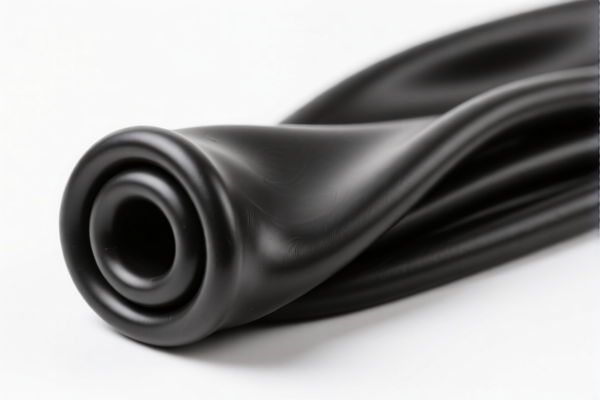
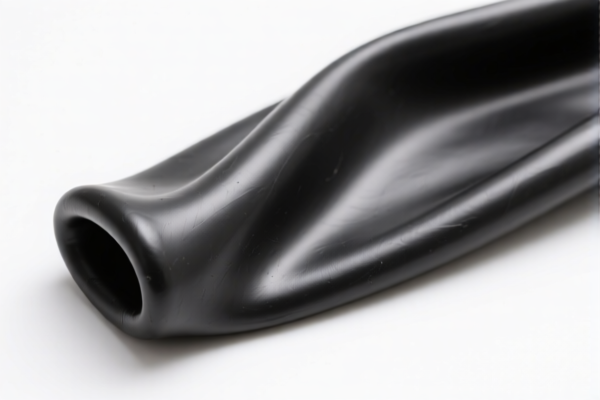
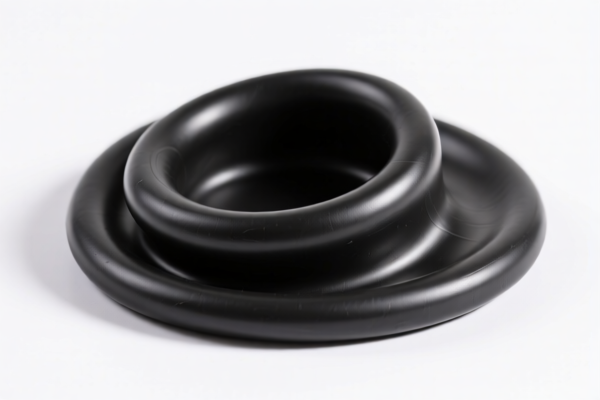
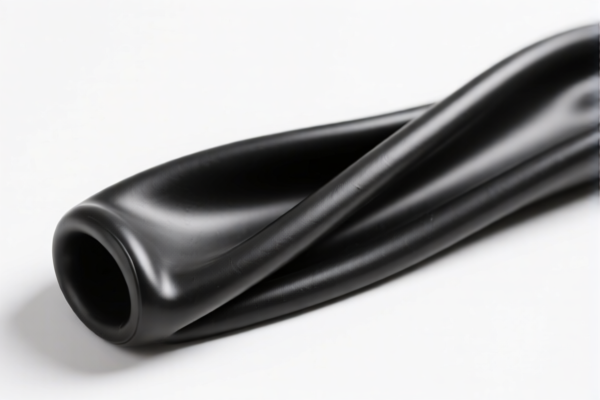
AI Analysis
🌲 Natural Rubber O-Rings & Other Foam Forms
🌐 HS Code Reference & Customs Clearance Guide | 2026 Latest Tariff Analysis | Professional Classification Strategy
📌 I. Product Definition & Classification: Do You Really Understand "Natural Rubber O-Rings"?
Natural rubber O-rings and foam products are essential sealing components in automotive, industrial, and general machinery applications. In international trade, these products fall under Chapter 40 (Rubber and Articles Thereof), specifically focusing on vulcanized rubber products.
The classification depends heavily on three factors: 1. Material Composition: 100% Natural Rubber vs. Synthetic Blends. 2. Physical Form: Solid O-Rings vs. Foam/Porous Rubber. 3. Specific Use: General sealing vs. Specialized automotive parts.
⚠️ Key Distinction Points:
- If the product is solid natural rubber O-rings (non-foamed), it may be classified under 4016.10 as "other vulcanized rubber articles" or 4016.93 if specifically identified as O-rings.
- If the product is foamed/porous natural rubber, it is strictly categorized under 4016.10 ("Foam Rubber").
- The distinction between "O-ring" and "other forms" can significantly impact the base tariff rate and subsequent duties.
📦 II. HS Code Classification Details (2026 Latest Tariff Authority Comparison)
Based on the provided data, here is the precise breakdown for Natural Rubber O-Rings and Foam Variants:
| HS Code | Product Description | Key Characteristics | Foam Content? |
|---|---|---|---|
4016.10.00.00 |
Other Vulcanized Rubber Articles (excluding hard rubber) | General-purpose natural rubber seals; includes non-foamed O-rings falling under "other" | ❌ No (Solid) |
4016.93.10.10 |
O-rings made of natural rubber | Specifically identified as O-rings; used in automotive/general sealing | ❌ No (Solid) |
4016.10.00.00 |
Natural Rubber Foam O-Rings | Material matches "foam rubber" requirement; non-hard rubber | ✅ Yes (Foamed) |
4016.93.10.10 |
Natural Rubber Foam O-Rings (Specific Use) | O-ring shape + natural rubber + automotive/general use | ✅ Yes (Foamed but classified by form/use) |
🔍 Critical Note:
-4016.10.00.00is the broader category for "Foam Rubber" and "Other Vulcanized Rubber Articles." If the O-ring is foamed, it should typically go here unless a more specific subheading (like 4016.93) applies based on form/use.
-4016.93.10.10is a more specific code for O-rings used in automotive/general applications. Even if foamed, if the primary identifier is "O-ring" for these uses, this code is selected.
- The data shows two competing codes for foamed O-rings: 4016.10 (material-focused) and 4016.93 (form/use-focused). This requires careful review of customs rulings in the destination country.
💰 III. 2026 Latest Tariff Rate Breakdown (Including Surtaxes & Policy Add-ons)
✅ Applicable Country: United States (US)
✅ Origin: China (CN)
✅ Effective Date: November 10, 2025 onwards
🎯 1. 4016.10.00.00 — Other Vulcanized Rubber Articles / Foam Rubber
| Item | Content |
|---|---|
| Base Duty Rate | 0.0% (Ad Valorem) |
| USITC Surtax (Section 301) | +25.0% |
| 122 Provision Tariff | +10.0% |
| Total Duty Rate | 35.0% |
| Tax Calculation | CIF Value × 35.0% |
| De Minimis Exemption? | ❌ Not Eligible (Deny De Minimis) |
| Legal Basis Path | Section 301: 25% → 122 Provision: 10% → HS: 4016.10.00.00 |
📌 Explanation:
- Base Rate 0%: Under normal MFN treatment, other vulcanized rubber articles may have low base duties.
- 25% Section 301: Standard USITC surcharge on Chinese goods in this category.
- 10% 122 Provision: Additional surcharge under specific trade provisions.
- Total 35%: A significant cost factor. Must be included in landed cost calculations.
🎯 2. 4016.93.10.10 — Natural Rubber O-Rings (Automotive/General Use)
| Item | Content |
|---|---|
| Base Duty Rate | 2.5% (Ad Valorem) |
| USITC Surtax (Section 301) | +25.0% |
| 122 Provision Tariff | +10.0% |
| Total Duty Rate | 37.5% |
| Tax Calculation | CIF Value × 37.5% |
| De Minimis Exemption? | ❌ Not Eligible (Deny De Minimis) |
| Legal Basis Path | Section 301: 25% → 122 Provision: 10% → HS: 4016.93.10.10 |
📌 Explanation:
- Base Rate 2.5%: Higher base rate due to the specific classification of "O-rings" for automotive/general use.
- Surtaxes: Same 25% + 10% apply.
- Total 37.5%: 2.5% higher than the4016.10code.
- Strategic Insight: If your product can be classified under4016.10(e.g., as "foam rubber" rather than specific "O-rings"), you save 2.5%. However, misclassification risks penalties. Ensure the product description matches the HS definition precisely.
🛠️ IV. Customs Clearance Practical Advice (Battle-Tested Pitfall Avoidance)
✅ 1. Documentation Checklist (Mandatory)
| Document | Required | Notes |
|---|---|---|
| ✅ Product Specification Sheet | ✔️ | Must state: Material (100% Natural Rubber), Form (Solid/Foam), Shape (O-ring/Other). |
| ✅ Material Safety Data Sheet (MSDS) | ✔️ | Proves natural rubber content; critical for chemical compliance. |
| ✅ Product Photos (Clear) | ✔️ | Show texture (porous vs. solid) and dimensions. |
| ✅ Commercial Invoice | ✔️ | Clearly state "Natural Rubber O-Ring, Foamed/Non-Foamed, HS Code 4016.10/4016.93". |
| ✅ Packing List | ✔️ | Detail quantity, weight, and packaging type. |
| ✅ Certificate of Origin (CO) | ✔️ | Confirm Chinese origin to apply correct surtaxes. |
✅ 2. Declaration Tips (Critical Mnemonics)
🔥 “Foam to 4016, O-ring to 4016.93, Base 0 vs 2.5, Choose Wisely!”
| Scenario | Correct Declaration | Error to Avoid |
|---|---|---|
| Solid Natural Rubber O-Ring | 4016.93.10.10 |
Misdeclaring as 4016.10 → 0% base (Risk: Penalties if clearly O-rings). |
| Foamed Natural Rubber O-Ring | 4016.10.00.00 OR 4016.93.10.10 |
Ignoring the foam nature → Underpaying duties. |
| Non-O-ring Natural Rubber Seal | 4016.10.00.00 |
Forcing into 4016.93 → Incorrect classification. |
| Synthetic Rubber Blend | Not applicable (Different HS Chapter) | Mislabeling as Natural Rubber → Fraud/Seizure. |
✅ 3. Special Case Handling
| Situation | Handling Advice |
|---|---|
| Mixed Shipments | Declare separately. Do not mix foam and solid forms in one line item. |
| OEM Custom O-Rings | Provide customer drawings showing shape and material. |
| Foam Density Variations | Specify if "open-cell" or "closed-cell" foam, as it affects classification under 4016.10. |
| High-Value Shipments | Consider Advance Ruling (Preliminary Determination) from CBP to confirm 4016.10 vs 4016.93. |
🌍 V. Global Market Comparison (2026 Latest)
| Country/Region | Recommended HS Code | Base Duty | Surtax (China) | Total Estimate | Notes |
|---|---|---|---|---|---|
| 🇺🇸 USA | 4016.10.00.00 |
0.0% | +35.0% | 35.0% | Section 301 + 122 |
| 🇺🇸 USA | 4016.93.10.10 |
2.5% | +35.0% | 37.5% | Higher base rate |
| 🇨🇳 China | 4016.10.00.00 |
~5-10% | 0% | ~10% | Import duty only |
| 🇪🇺 EU | 4016.10.00.00 |
0% | 0% | 0% | No Section 301 equivalent |
| 🇯🇵 Japan | 4016.10.00.00 |
0% | 0% | 0% | MFN Rate |
📌 Conclusion:
- USA is the most challenging market due to 35-37.5% total tariffs.
- EU/Japan offer duty-free entry for natural rubber products, making them attractive alternatives for cost-sensitive shipments.
- China Import: Still incurs duties, but no punitive surtaxes.
📌 VI. Common Errors & Pitfall Guide (Lessons Learned)
❌ Error 1: Declaring foamed O-rings as 4016.93 without noting "foam"
👉 Consequence: CBP may reclassify as 4016.10, leading to underpayment if 4016.93 was chosen for lower base, or overpayment if 4016.10 was intended. Consistency is key.
❌ Error 2: Ignoring the "Natural Rubber" specification
👉 Consequence: If synthetic rubber is present, HS Code changes to 4016.99 or 4016.95, altering duty liability.
❌ Error 3: Not accounting for Section 301 + 122 Provisions
👉 Consequence: Underestimating landed cost by 35%. Budgeting fails.
❌ Error 4: Using "Rubber Gasket" as a generic term
👉 Consequence: Ambiguity leads to customs delay. Use precise terms: "Natural Rubber Foam O-Ring".
✅ Correct Practice:
"Natural Rubber, Foamed, O-Ring Shape, Automotive Seal, HS 4016.10.00.00, Made in China"
🎯 VII. Conclusion: Precise Classification Saves Money
🎯 Remember:
🔹 "Foam = 4016.10 (0% base), O-Ring = 4016.93 (2.5% base)."
🔹 "Total Tax is 35-37.5%, not 0-2.5%."
🔹 "Declare Material, Form, and Use Clearly."
📌 Pro Tip:
If you have large volumes, apply for an ACE Advance Ruling from US Customs and Border Protection (CBP) to lock in the HS Code (4016.10 vs 4016.93) for a 5-year period. This provides certainty and avoids surprise audits.
📣 Action Now:
📞 Contact a Licensed Customs Broker + Provide Product Samples + Request HS Code Ruling
🚀 Clear Customs Smoothly, Avoid Penalties, Maximize Profit Margins!
✨ Professional Classification Starts with Precision!
💼 Your Bottom Line Depends on Accurate HS Codes!
Customer Reviews
About HS Code Classification
The Harmonized System (HS) is an internationally standardized nomenclature developed by the World Customs Organization (WCO) to classify traded products. Over 200 countries use the HS system as the basis for customs tariffs, trade statistics, and import/export regulations.
Each HS code follows a hierarchical structure:
- Chapter (2 digits) — Broad category of goods (e.g., Chapter 84: Machinery and Mechanical Appliances)
- Heading (4 digits) — More specific grouping within the chapter
- Subheading (6 digits) — Internationally standardized breakdown, used by all WCO member countries
- National subdivisions (8-10 digits) — Country-specific extensions for further classification, such as US HTSUS 10-digit codes
Correct HS code classification is essential for smooth customs clearance, accurate duty payment, and compliance with trade regulations. Misclassification can lead to customs delays, overpayment of duties, or penalties.
When importing from CN to US, the applicable tariff rates may include:
- Most-Favored-Nation (MFN) rate — The standard duty rate applied to WTO members
- General rate — Applied to countries without trade agreements
- Trade remedy duties — Additional tariffs such as Section 301 (anti-dumping), Section 232 (national security), or countervailing duties
The information provided on this page is for reference purposes only. For official classification, please consult with your local customs authority or a licensed customs broker.