natural rubber sheets
CN → US| HS Code | Tariff Rate | Origin | Destination | Doc |
|---|---|---|---|---|
| 4001210050 | 35.0% | CN | US | Official Doc |
| 4008210000 | 35.0% | CN | US | Official Doc |
| 4008111000 | 35.0% | CN | US | Official Doc |
| 4001290000 | 35.0% | CN | US | Official Doc |
| 4016995500 | 37.5% | CN | US | Official Doc |
Product Images
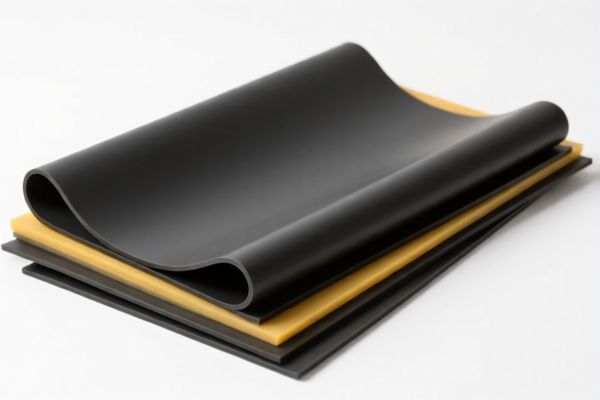
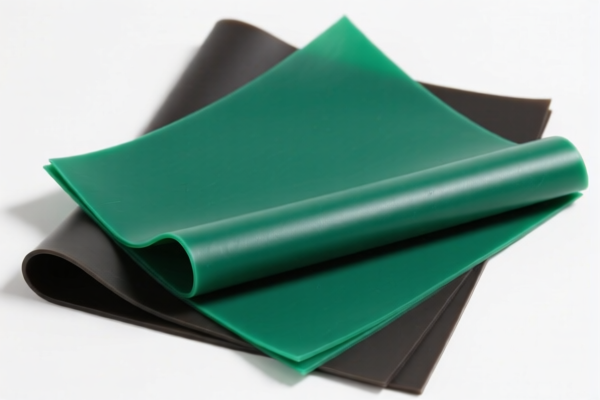
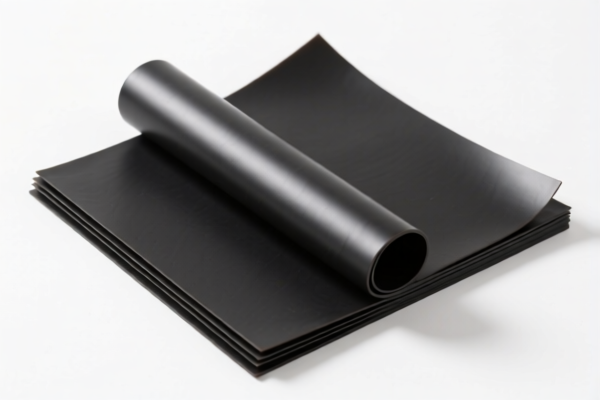
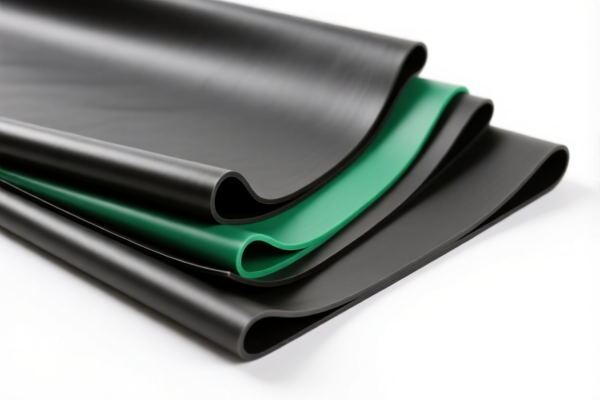
AI Analysis
🇺🇸 Natural Rubber Sheets (Thermoplastic & Vulcanized)
🌐 HS Code Reference & Customs Clearance Guide | 2026 Latest Tariff Analysis | Professional Entry Strategy
📌 I. Product Definition & Classification: Do You Truly Understand "Natural Rubber Sheets"?
Natural rubber sheets are primary materials in the automotive, construction, and industrial manufacturing sectors. In international trade, they are strictly categorized by chemical composition and physical form:
Unvulcanized Natural Rubber Sheets: Raw or processed natural rubber latex, plasticized, non-vulcanized, often in rolls or simple sheets. Used as raw material for further processing.
Vulcanized Natural Rubber Sheets/Slabs: Rubber that has undergone sulfurization or similar cross-linking, providing elasticity and durability. Often used for gaskets, seals, or insulation.
⚠️ Key Distinction Point:
- If the product is raw, plasticized, or unvulcanized natural rubber → Classified under Heading 4001 (e.g.,4001.21,4001.29).
- If the product is vulcanized (hardened/elastic) and in sheet/plate/strip form → Classified under Heading 4008 (e.g.,4008.11,4008.21).
- If used specifically as a buffer/shock absorber component → May fall under Heading 4016 (4016.99).
📦 II. HS Code Classification Details (2026 Latest Tariff Authoritative Comparison)
| HS Code | Product Description | Applicable Scenario | State/Vulcanization |
|---|---|---|---|
4001.21.00.50 |
Natural rubber sheets, material is natural rubber, form is film, belongs to plates/sheets/strips category | Raw rubber films, plasticized sheets, pre-vulcanization processing | ❌ Unvulcanized |
4008.21.00.00 |
Natural rubber films or cushioning sheets, material is natural rubber (vulcanized), form is sheet-like, fits non-foam rubber plates/sheets/tapes | Vulcanized rubber sheets for industrial gaskets, flooring, insulation | ✅ Vulcanized |
4008.11.10.00 |
Natural rubber sheets, material is natural rubber, form is film/sheet, fits plate/sheet/tape category | General purpose vulcanized natural rubber sheets, high purity | ✅ Vulcanized |
4001.29.00.00 |
Natural rubber sheets, material is natural rubber, form is film, belongs to plates/sheets/strips specific shapes | Other processed natural rubber sheets, plasticized, not elsewhere specified | ❌ Unvulcanized |
4016.99.55.00 |
Natural rubber cushioning sheets, material is natural rubber (vulcanized), form is cushioning sheet, purpose is shock absorption control | Specialized rubber buffers, grommets, shock-absorbing pads for machinery | ✅ Vulcanized (Functional) |
🔍 Key Reminder:
- Vulcanization status is the critical factor. Unvulcanized rubber is cheaper and taxed differently than vulcanized rubber. - Form factor matters: "Film" (thin) vs. "Sheet/Plate" (thick) can change the sub-heading within 4001 or 4008. - End-use matters: If it’s a specific functional item like a "buffer" or "gasket" already cut to shape, it may jump to 4016 (Articles of vulcanized rubber other than hard rubber), which has a different base duty.
💰 III. 2026 Latest Tariff Rate Details (Including Surtaxes, Policy Surcharges)
✅ Applicable Country: United States (US)
✅ Country of Origin: China (CN)
✅ Effective Time: From November 10, 2025 (including subsequent imports)
🎯 1. 4001.21.00.50 & 4001.29.00.00 —— Unvulcanized Natural Rubber Sheets (Raw Material)
| Item | Content |
|---|---|
| Base Duty Rate | 0% (Ad Valorem) |
| USITC Surtax (Section 301) | +25% (From USITC Footnote 9903.88.01) |
| IEEPA Surtax | +10% (For China/HK products, effective Nov 10, 2025) |
| Total Tax Rate | 35% |
| Tax Calculation | CIF Value × 35% |
| De Minimis Exemption? | ❌ No (deny_de_minimis) |
| Legal Basis Path | IEEPA:9903.01.25 → IEEPA:9903.01.24 → USITC:4001.21.00.50 / 4001.29.00.00 → FOOTNOTE:9903.88.01 |
📌 Explanation:
- "Base 0%": Unvulcanized natural rubber is considered a raw material, so the base MFN duty is often 0%. - "25% Section 301": Standard US-China trade war tariff on rubber products. - "10% IEEPA": Additional emergency economic power tax on Chinese goods. - Total 35%: This is the landed cost impact. No de minimis exemption for commercial imports.
🎯 2. 4008.21.00.00 & 4008.11.10.00 —— Vulcanized Natural Rubber Sheets/Plates
| Item | Content |
|---|---|
| Base Duty Rate | 0% (Ad Valorem) |
| USITC Surtax (Section 301) | +25% |
| IEEPA Surtax | +10% |
| Total Tax Rate | 35% |
| Tax Calculation | CIF Value × 35% |
| De Minimis Exemption? | ❌ No (deny_de_minimis) |
| Legal Basis Path | IEEPA:9903.01.25 → IEEPA:9903.01.24 → USITC:4008.21.00.00 / 4008.11.10.00 → FOOTNOTE:9903.88.01 |
📌 Note:
- Even though it is vulcanized, if it remains in plate/sheet/strip form (Heading 4008), it retains the 0% base duty. - However, the 35% total effective rate still applies due to surtaxes. - Do not confuse with finished rubber articles (like tires or gloves), which have higher base duties.
🎯 3. 4016.99.55.00 —— Natural Rubber Cushioning Sheets (Functional Articles)
| Item | Content |
|---|---|
| Base Duty Rate | 2.5% (Ad Valorem) |
| USITC Surtax (Section 301) | +25% |
| IEEPA Surtax | +10% |
| Total Tax Rate | 37.5% |
| Tax Calculation | CIF Value × 37.5% |
| De Minimis Exemption? | ❌ No (deny_de_minimis) |
| Legal Basis Path | IEEPA:9903.01.25 → IEEPA:9903.01.24 → USITC:4016.99.55.00 → FOOTNOTE:9903.88.01 |
📌 Critical Warning:
- If the "sheet" is manufactured into a specific cushioning shape (e.g., pre-cut gaskets, specialized shock absorbers) and classified under Heading 4016 (Articles of vulcanized rubber), the base duty rises to 2.5%. - Total rate becomes 37.5%. - Avoid Misclassification: Do not classify a functional cushion as a simple "sheet" (4008) if it is clearly a manufactured article. Customs may audit and reclassify, leading to penalties.
🛠️ IV. Customs Clearance Practical Advice (实战避坑指南)
✅ 1. Required Documentation Checklist (Missing items will cause delays)
| Document | Mandatory? | Description |
|---|---|---|
| ✅ Product Specification Sheet | ✔️ | Must specify: Rubber type (Natural/Synthetic), Vulcanized/Unvulcanized, Density, Thickness, Hardness. |
| ✅ Photos of Product & Packaging | ✔️ | Clear images showing roll ends, cut edges, and labels. |
| ✅ Commercial Invoice | ✔️ | Must clearly state "Natural Rubber Sheet" and specify HS Code. Avoid vague terms like "Rubber Material". |
| ✅ Packing List | ✔️ | Detailed weight and dimensions. |
| ✅ Certificate of Origin (CO) | ✔️ | Proof of Chinese origin triggers surtaxes. |
| ✅ Material Safety Data Sheet (MSDS) | ✔️ | Required for shipping safety, especially if chemicals were used in processing. |
✅ 2. Declaration Tips (Key Mnemonics)
🔥 “Raw vs. Vulc, Base 0 or 2.5, Surtax 35, Check Form!”
| Scenario | Correct HS Code | Error to Avoid |
|---|---|---|
| Unvulcanized, plasticized, in rolls/sheets | 4001.21.00.50 or 4001.29.00.00 |
Classifying as 4008 (Vulcanized) → Risk of penalty if test shows unvulcanized. |
| Vulcanized, flat sheets/plates | 4008.21.00.00 or 4008.11.10.00 |
Classifying as 4016 → Higher base duty (2.5% vs 0%). |
| Pre-cut cushioning pads/buffers | 4016.99.55.00 |
Classifying as 4008 → If deemed a "manufactured article," back-taxes + penalties. |
| Foamed rubber sheets | Not in Data | Foamed rubber falls under 4008.91 or 4008.99. Do not use 4008.21 for foam! |
✅ 3. Special Case Handling
| Situation | Handling Advice |
|---|---|
| OEM Custom Thickness | Provide exact thickness specifications. Thin films (<1mm) vs. thick plates (>3mm) may have different interpretations, though base rates here are similar. |
| Mixed Natural/Synthetic | If >50% natural rubber, it may still qualify for 4001/4008. If synthetic dominant, HS codes change completely (e.g., to 4002). Clarify composition! |
| Re-exported Rubber | If rubber was processed in Vietnam/Malaysia and then to US, provide Proof of Substantial Transformation to potentially avoid IEEPA 301 surtaxes (subject to current rules). |
| Buffer Pads vs. Sheets | If the product is a grommet, washer, or shaped gasket, declare as 4016. If it’s a raw sheet for further cutting, declare as 4008. |
🌍 V. Global Market Clearance Comparison (2026 Latest)
| Country/Region | Recommended HS Code | Base Tariff | Surtax Status | Notes |
|---|---|---|---|---|
| 🇺🇸 USA | 4001.21.00.50 / 4008.21.00.00 |
0% | +35% Total | High barrier due to Section 301 & IEEPA. |
| 🇨🇳 China | 4001.21.00.00 / 4008.21.00.00 |
~2-5% | None | Importing raw rubber is encouraged for processing. |
| 🇪🇺 EU | 4001.21.00.00 / 4008.21.00.00 |
0% | None | Generally duty-free for rubber sheets, but strict REACH compliance. |
| 🇦🇺 Australia | 4001.21.00.00 |
5% | None | AUSFTA may allow 0% if originating from Australia/NZ. |
| 🇯🇵 Japan | 4001.21.00.00 |
0% | None | JETP Agreement may apply for qualified origins. |
📌 Conclusion:
- The US market is the most expensive due to the 35% effective tariff. - EU, Japan, and Australia are more tariff-friendly, but require strict chemical compliance (REACH, etc.). - Supply Chain Strategy: Consider sourcing rubber from non-China origins (e.g., Thailand, Vietnam) to mitigate IEEPA surtaxes if rules of origin are met.
📌 VI. Common Errors & Pitfalls (Lessons Learned)
❌ Error 1: Calling all rubber "Natural Rubber" when it’s a blend.
👉 Consequence: If synthetic content >50%, HS code changes. If declared as 100% natural, it’s fraud.
👉 Fix: Provide precise chemical composition analysis.
❌ Error 2: Classifying foamed rubber sheets under 4008.21 (Non-foam).
👉 Consequence: Misclassification. Foamed rubber belongs to 4008.91 or 4008.99.
👉 Fix: Check if the sheet is spongy/porous. If yes, use 4008.91.
❌ Error 3: Confusing Vulcanized Sheet (4008) with Vulcanized Article (4016).
👉 Consequence: If you ship pre-cut gaskets and declare as "sheets," customs may assess higher duties + penalties for misdeclaration.
👉 Fix: If it’s cut to a specific shape for a specific machine part, use 4016.99.
✅ Correct Declaration Example:
"Natural Rubber Sheet, Vulcanized, Non-Foam, Black, 5mm Thickness, Used for Industrial Gaskets, HS: 4008.21.00.00"
🎯 VII. Conclusion: Professional Declaration, Cost Optimization
🎯 Key Takeaways:
🔹 Unvulcanized (4001) & Vulcanized Sheets (4008): Base 0%, Total 35% (US).
🔹 Functional Cushions (4016): Base 2.5%, Total 37.5% (US).
🔹 Foamed Rubber: Not covered in this data; requires separate HS code (4008.91).
🔹 De Minimis: Denied for China-origin rubber products. Plan cash flow accordingly.
📌 Pro Tip:
If your rubber sheets are processed in a third country (e.g., Vietnam, Mexico) and meet Substantial Transformation rules, you may apply for IEEPA Exemption or reduced Section 301 tariffs.
Apply for an Advance Ruling (Binding Ruling) from US Customs (CBP) before shipment to lock in the HS Code and duty rate.
📣 Immediate Action:
📞 Contact a licensed Customs Broker
📄 Provide Product Samples & Specs
🚀 Ensure Accurate HS Classification to Avoid 35%+ Surprise Costs!
✨ Professional Clearance Starts with Accurate Classification!
💼 Every Percentage Point of Tariff Matters to Your Bottom Line!
Customer Reviews
About HS Code Classification
The Harmonized System (HS) is an internationally standardized nomenclature developed by the World Customs Organization (WCO) to classify traded products. Over 200 countries use the HS system as the basis for customs tariffs, trade statistics, and import/export regulations.
Each HS code follows a hierarchical structure:
- Chapter (2 digits) — Broad category of goods (e.g., Chapter 84: Machinery and Mechanical Appliances)
- Heading (4 digits) — More specific grouping within the chapter
- Subheading (6 digits) — Internationally standardized breakdown, used by all WCO member countries
- National subdivisions (8-10 digits) — Country-specific extensions for further classification, such as US HTSUS 10-digit codes
Correct HS code classification is essential for smooth customs clearance, accurate duty payment, and compliance with trade regulations. Misclassification can lead to customs delays, overpayment of duties, or penalties.
When importing from CN to US, the applicable tariff rates may include:
- Most-Favored-Nation (MFN) rate — The standard duty rate applied to WTO members
- General rate — Applied to countries without trade agreements
- Trade remedy duties — Additional tariffs such as Section 301 (anti-dumping), Section 232 (national security), or countervailing duties
The information provided on this page is for reference purposes only. For official classification, please consult with your local customs authority or a licensed customs broker.