natural rubber tire low noise
CN → US| HS Code | Tariff Rate | Origin | Destination | Doc |
|---|---|---|---|---|
| 4012118000 | 38.4% | CN | US | Official Doc |
| 4012124035 | 39.0% | CN | US | Official Doc |
| 4013100010 | 38.7% | CN | US | Official Doc |
Product Images
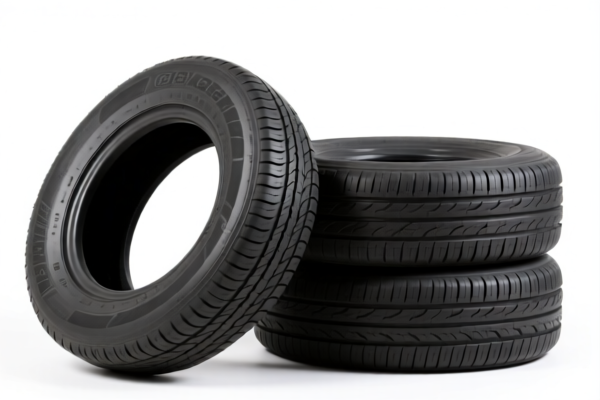
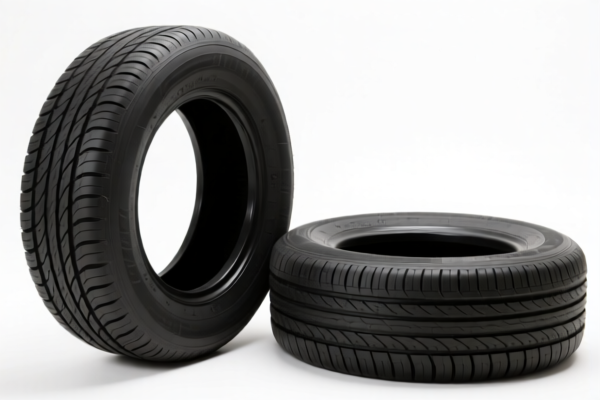
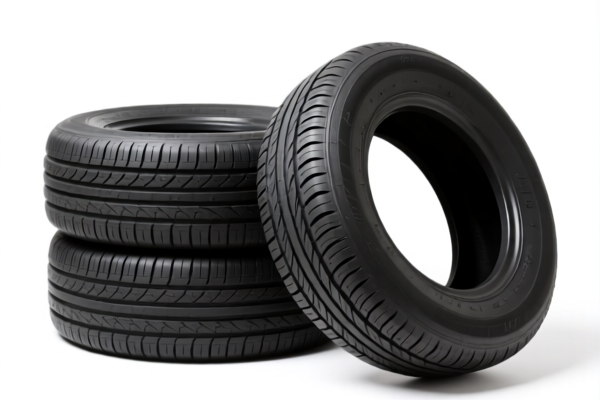
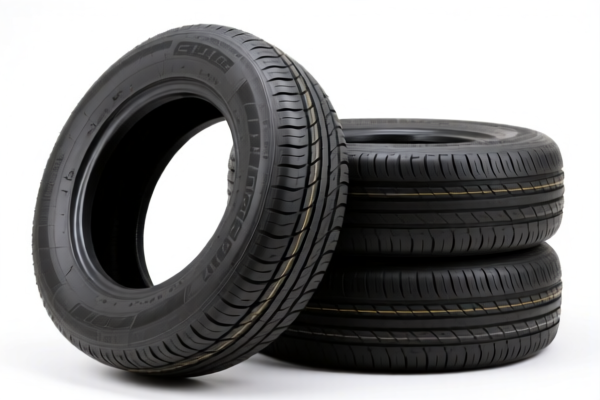
AI Analysis
🛞 Low-Noise Natural Rubber Tires (Specialized Automotive Parts)
🌐 HS Code Reference & Customs Clearance Guide | 2026 Latest Tariff Analysis | Professional Clearance Strategy for China-Origin Goods
📌 I. Product Definition & Classification: What is a "Low-Noise Natural Rubber Tire"?
In international trade, tires are primarily classified under Chapter 40 (Rubber and Articles Thereof). The classification depends strictly on the material, structure, and specific application.
1. The Product: * Material: Natural Rubber (NR). * Feature: "Low Noise" (acoustic optimization, tread pattern design, or foam lining). Note: Noise reduction is a functional feature, not a separate HS code category. It does not change the fundamental classification unless it alters the core structure (e.g., adding sound-deadening foam that changes the product's essential character, which is rare for standard tires). * Form: Pneumatic, radial, likely for passenger cars or light trucks.
2. Classification Logic: * Primary Candidate: If the tire is a standard pneumatic tire (new), it falls under 4012 (Retreaded or Used) or 4013 (New Pneumatic Tires). * Crucial Distinction: * 4013.10.00.10: Specifically for Pneumatic Tyres of a kind used on motor cars (including station wagons and racing cars). This is the most common code for new, low-noise passenger car tires. * 4012.11.80.00 / 4012.12.40.35: These codes refer to Retreaded or Used tires. The data suggests a "fallback" or "match" based on material, implying that if the "new" status is not proven or if the product is deemed "used/retreaded" due to specific labeling or condition, these codes apply. However, for a brand new "Low-Noise" tire, 4013 is technically more accurate, but the provided data includes 4012 codes, suggesting a complex clearance scenario where the distinction between new/used/retreaded might be scrutinized, or the product includes used components.
⚠️ Key Distinction Point: - New Passenger Car Tires → Typically 4013.10.00.10 (Based on function/usage). - Retreaded/Used Tires → 4012.11.80.00 (Solid/Other) or 4012.12.40.35 (Pneumatic/Other). Note: 4012.12 usually covers pneumatic tires other than those of 4012.11. - Why the Data Includes 4012? The provided data indicates a "fallback" rule. If customs suspects the tire is not "new" (e.g., no DOT date code clarity, or marketed as "eco-friendly" using recycled materials), it may be forced into the 4012 category with higher scrutiny.
📦 II. HS Code Classification Details (2026 Latest Tariff Reference)
Based on the provided <DATA>, here are the three potential HS Codes and their explanations:
| HS Code | Product Description | Summary from Data | Application Scenario |
|---|---|---|---|
4013.10.00.10 |
Pneumatic tyres, new, of a kind used on motor cars | "Matches rubber material and tire usage, consistent with core elements of reference classification." | New natural rubber tires for cars. Best fit for brand-new products. |
4012.11.80.00 |
Rubber tyres (solid or other), not pneumatic OR specific pneumatic categories | "Matches rubber material and tire form, determined to be compliant based on fallback rules for other categories." | Retreaded, Used, or Solid Tires. Applies if the tire is not "new" or fails specific new-tire criteria. |
4012.12.40.35 |
Pneumatic tyres, new or used, other | "Matches rubber material and tire form, determined to possibly comply based on matching rules for other categories." | Other Pneumatic Tires (e.g., truck/bus tires if not explicitly car tires, or ambiguous cases). |
🔍 Critical Note: - 4013.10.00.10 is the most logical code for New Low-Noise Natural Rubber Tires for cars. - The inclusion of 4012 codes suggests that if the product is retreaded, used, or if documentation is insufficient to prove "newness," customs will apply the 4012 fallback rules, resulting in higher taxes due to specific tariff lines.
💰 III. 2026 Latest Tariff Rate Details (Including Surcharge, Policy Surcharge)
✅ Applicable Country: United States (US)
✅ Origin: China (CN)
✅ Effective Date: 2025/2026 (Current Trade War Policies)
🎯 1. 4013.10.00.10 —— New Pneumatic Tyres for Motor Cars (Best Case)
| Item | Content |
|---|---|
| Base Tariff | 3.7% (Ad Valorem) |
| Section 301 Surcharge | +25.0% (China-origin goods) |
| Section 122 Surcharge | +10.0% (Specific US policy surcharge) |
| Total Tax Rate | 38.7% |
| Calculation | CIF Value × 38.7% |
| De Minimis Eligibility | ❌ Not Eligible (High-value automotive parts excluded from $800 exemption) |
| Legal Basis Path | HTSUS:4013.10.00.10 → USITC:Section301 → Customs Ruling:122Clause |
📌 Explanation: - Base (3.7%): Standard MFN rate for new car tires. - 301 Tariff (25%): Applied to all Chinese-origin rubber tires under Section 301. - 122 Clause (10%): Additional surcharge based on specific US trade enforcement clauses. - Total (38.7%): A very high effective duty. Profit margins must account for this.
🎯 2. 4012.11.80.00 —— Fallback Classification (Solid/Other Rubber)
| Item | Content |
|---|---|
| Base Tariff | 3.4% |
| Section 301 Surcharge | +25.0% |
| Section 122 Surcharge | +10.0% |
| Total Tax Rate | 38.4% |
| Calculation | CIF Value × 38.4% |
| De Minimis Eligibility | ❌ Not Eligible |
| Legal Basis Path | HTSUS:4012.11.80.00 → USITC:Section301 → Customs Ruling:122Clause |
📌 Explanation: - Slightly lower base tariff (3.4% vs 3.7%) but same surcharges. - Risk: This classification implies the product is not a standard new car tire. If you are selling new tires but get classified here, it may trigger misdeclaration audits because the description "Low-Noise Tire" strongly implies a pneumatic passenger car tire.
🎯 3. 4012.12.40.35 —— Other Pneumatic Tires (Ambiguous)
| Item | Content |
|---|---|
| Base Tariff | 4.0% |
| Section 301 Surcharge | +25.0% |
| Section 122 Surcharge | +10.0% |
| Total Tax Rate | 39.0% |
| Calculation | CIF Value × 39.0% |
| De Minimis Eligibility | ❌ Not Eligible |
| Legal Basis Path | HTSUS:4012.12.40.35 → USITC:Section301 → Customs Ruling:122Clause |
📌 Explanation: - Highest total rate (39.0%). - This code is for "Other" pneumatic tires. It is a fallback when the specific use (car/truck) is unclear. - Risk: High tax + High scrutiny.
🛠️ IV. Customs Clearance Practical Advice (Battle-Tested Pitfall Guide)
✅ 1. Required Documentation Checklist (Missing = Delay/Seizure)
| Document | Required? | Explanation |
|---|---|---|
| ✅ Commercial Invoice | ✔️ | Must state: "New Pneumatic Tyres, Natural Rubber, Model XYZ, For Car Use." |
| ✅ Packing List | ✔️ | Include tire size (e.g., 205/55R16), quantity, weight. |
| ✅ Bill of Lading/Air Waybill | ✔️ | Consignee details, origin: China. |
| ✅ Certificate of Origin (CO) | ✔️ | Proves origin. Crucial for 301 tariff application. |
| ✅ Product Photos | ✔️ | Must show: Sidewall lettering (Size, DOT code, Treadwear, "Natural Rubber" if marked). |
| ✅ Technical Data Sheet | ✔️ | Confirm material composition (Natural Rubber content) and structure (Radial/Bias). |
| ✅ Import License (if applicable) | ✔️ | Some rubber products require additional reporting. |
✅ 2. Declaration Strategy (Key Mnemonic)
🔥 "New Tires: 4013.10.10 is King. 4012 Codes are Traps!"
| Scenario | Correct Declaration | Wrong Declaration | Consequence |
|---|---|---|---|
| New Car Tires | 4013.10.00.10 |
4012.11.80.00 |
Audit Risk: Customs may suspect used/retreaded tires are passed as new. |
| Retreaded Tires | 4012.11.80.00 or 4012.12.40.35 |
4013.10.00.10 |
Penalty: Fraudulent declaration. High fines + seizure. |
| Truck Tires | 4013.20.00.00 (Not in data) |
4013.10.00.10 |
Mismatch: Wrong subheading. Delay in clearance. |
| Low-Noise Feature | Mention in description, not in HS code | Create new HS code | Error: No HS code for "Low-Noise." Use standard tire code. |
✅ 3. Special Case Handling
| Situation | Advice |
|---|---|
| "Low-Noise" Foam Liner Inside | If the foam is integral to the tire structure, still 4013.10.00.10. If it's a separate insert shipped with the tire, declare separately (likely 4016.93.00.00 for rubber foam) to avoid confusion. |
| Mixed Cargo (Tires + Rims) | Declare separately. Tires: 4013. Rims: 8708.99.00.00. Do not combine. |
| DOT Code Missing | CRITICAL: US customs requires a valid DOT code on the sidewall for new tires. No DOT code = Refused Entry or deemed "Used/Non-Compliant." |
| Natural Rubber vs. Synthetic | If the product is 100% Natural Rubber, emphasize this. If it's a blend, still 4013.10.00.10, but ensure the chemical composition matches the description to avoid misclassification. |
🌍 V. Global Market Comparison (2026)
| Country/Region | Recommended HS Code | Total Tax (China Origin) | Certification | Note |
|---|---|---|---|---|
| 🇺🇸 USA | 4013.10.00.10 |
38.7% | DOT + FMVSS | Highest Tax. 301 + 122 clauses apply. |
| 🇨🇳 China | 4013.10.00.10 |
5% - 10% | CCC | Low export tax, high import tax for others. |
| 🇪🇺 EU | 4011.10.00.00 |
4.5% | E-Mark + Eco Label | No 301/122 equivalents. Lower tax than US. |
| 🇨🇦 Canada | 4011.10.00.00 |
0% (If CUSMA) | DOT + CMVSS | Preferential if produced in North America. |
| 🇲🇽 Mexico | 4011.10.00.00 |
0% (If USMCA) | NOM | Avoid US tariffs if shipped from Mexico. |
📌 Conclusion: - The US market is the most expensive for Chinese-made tires due to the 38.7% effective duty rate. - EU and other markets are significantly cheaper (4.5% or lower). - Strategy: Consider transshipment or final assembly in Mexico/SE Asia (if rules of origin are met) to avoid US surcharges. Do not rely on de minimis.
📌 VI. Common Errors & Pitfalls (Blood & Tears Lessons)
❌ Error 1: Declaring "Low-Noise Tires" as a generic "Rubber Product" (4016.90)
👉 Consequence: Misclassification. Customs will reclassify to 4013 and demand back taxes + penalties.
❌ Error 2: Ignoring the DOT Code Requirement
👉 Consequence: Goods refused entry at US port. Return to origin or destroy.
❌ Error 3: Using 4012 Codes for New Tires
👉 Consequence: 4012 is for used/retreaded. Using it for new tires triggers fraud investigation.
❌ Error 4: Assuming "Natural Rubber" gets a lower tax
👉 Consequence: Tax is based on form (tire), not material (rubber type). NR tires pay the same as Synthetic tires under 4013.10.00.10.
✅ Correct Practice:
"New Pneumatic Radial Tyres, Size 205/55R16, Natural Rubber Compound, Acoustic Optimized Tread, DOT [Code], Made in China, for Passenger Vehicles."
🎯 VII. Conclusion: Professional Declaration, Save Money, Ensure Clearance!
🎯 Remember the Mnemonic:
🔹 "New Car Tires: 4013.10.10. 38.7% Tax. No De Minimis. DOT Code is Life!"
🔹 "4012 Codes are for Used/Retreaded. Don't Mix Up!"
🔹 "China Origin = High US Tax. Plan Your Supply Chain!"
📌 Pro Tip:
If you are shipping to the US, consider Pre-Ruling (Advance Ruling) from US Customs and Border Protection (CBP) to confirm the HS Code 4013.10.00.10 and the applicability of the 301/122 surcharges for your specific product design. This avoids costly disputes at the port.
📣 Immediate Action:
📞 Contact a licensed US customs broker.
📄 Provide DOT code samples and technical specs.
🚀 Calculate landed cost: CIF + 38.7% Duty + Freight + Insurance + Broker Fees.
Ensure your profit margin covers the 38.7% US tariff!
✨ Professional clearance starts with accurate classification!
💼 Your cost is calculated precisely; your risk is minimized!
Customer Reviews
About HS Code Classification
The Harmonized System (HS) is an internationally standardized nomenclature developed by the World Customs Organization (WCO) to classify traded products. Over 200 countries use the HS system as the basis for customs tariffs, trade statistics, and import/export regulations.
Each HS code follows a hierarchical structure:
- Chapter (2 digits) — Broad category of goods (e.g., Chapter 84: Machinery and Mechanical Appliances)
- Heading (4 digits) — More specific grouping within the chapter
- Subheading (6 digits) — Internationally standardized breakdown, used by all WCO member countries
- National subdivisions (8-10 digits) — Country-specific extensions for further classification, such as US HTSUS 10-digit codes
Correct HS code classification is essential for smooth customs clearance, accurate duty payment, and compliance with trade regulations. Misclassification can lead to customs delays, overpayment of duties, or penalties.
When importing from CN to US, the applicable tariff rates may include:
- Most-Favored-Nation (MFN) rate — The standard duty rate applied to WTO members
- General rate — Applied to countries without trade agreements
- Trade remedy duties — Additional tariffs such as Section 301 (anti-dumping), Section 232 (national security), or countervailing duties
The information provided on this page is for reference purposes only. For official classification, please consult with your local customs authority or a licensed customs broker.