nightstand
CN → US| HS Code | Tariff Rate | Origin | Destination | Doc |
|---|---|---|---|---|
| 9403708015 | 10.0% | CN | US | Official Doc |
| 9403608093 | 35.0% | CN | US | Official Doc |
| 9403509080 | 35.0% | CN | US | Official Doc |
| 9403608093 | 35.0% | CN | US | Official Doc |
| 9403509080 | 35.0% | CN | US | Official Doc |
Product Images
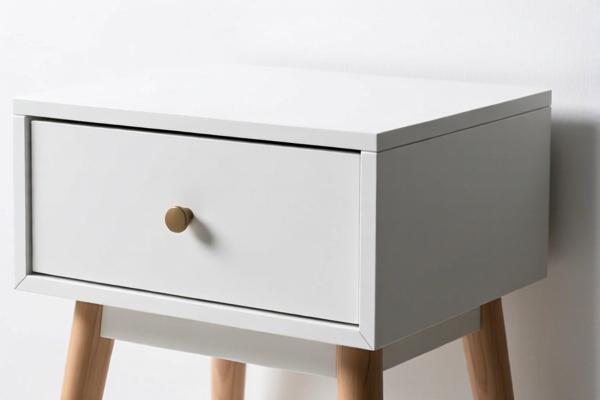
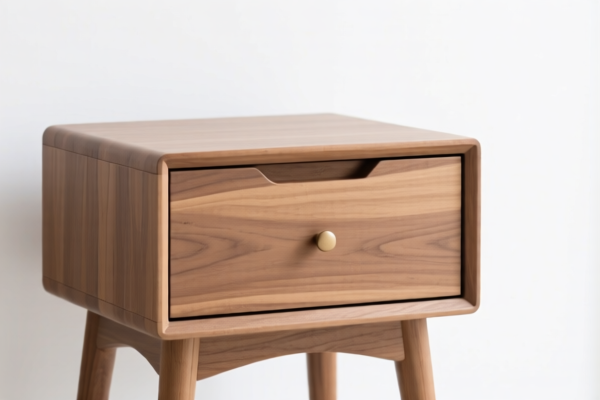
AI Analysis
🛏️ Nightstand (Bedside Table)
🌐 HS Code Reference & Clearance Guide | 2026 Latest Tariff Analysis | Professional Clearance Strategy
📌 I. Product Definition & Classification: Do You Really Understand "Nightstands"?
A nightstand is a small piece of furniture placed beside a bed, used to store items like lamps, books, phones, or glasses. In international trade, its classification hinges on material composition and intended use:
- Wooden Nightstands: Made primarily of wood (solid, veneered, or composite). These fall under Wooden Furniture categories.
- Plastic/Non-Wooden Nightstands: Made of plastic or other materials. These fall under Other Household Furniture categories.
⚠️ Key Distinction:
- If the main structure is Wood → Likely 9403.50.x.x (Bedroom) or 9403.60.x.x (Other Wood).
- If the main structure is Plastic or unknown material → Likely 9403.70.80.15 (Other Household).
- Note: "Bedside tables" are strictly Bedroom Furniture if made of wood; plastic ones are categorized differently.
📦 II. HS Code Classification Details (2026 Latest Tariff Authority)
Based on the provided data, here are the specific classifications for Nightstands:
| HS Code | Product Description | Material Deduction | Category Logic |
|---|---|---|---|
9403.50.90.80 |
Wooden Bedside Tables | Wood | Classified as "Other Wooden Bedroom Furniture". Fits the definition of bedroom use + wood material. |
9403.60.80.93 |
Wooden Nightstands | Wood | Classified as "Other Wooden Furniture". Specifically excludes children's enclosures, dining tables, or teak. |
9403.70.80.15 |
Plastic/Other Nightstands | Plastic/Others | Classified as "Other Household Furniture". Based on common sense, if not wood, it's likely plastic. |
🔍 Critical Analysis:
-9403.50.90.80: Best fit for bedroom-specific wooden nightstands.
-9403.60.80.93: A broader category for other wooden furniture if specific "bedroom" nuances are less emphasized, but tax is the same as 9403.50.
-9403.70.80.15: The fallback option for non-wooden (e.g., plastic, metal with plastic top) nightstands.
💰 III. 2026 Latest Tariff Rate Breakdown (Including Surtaxes)
✅ Applicable Market: United States (US)
✅ Country of Origin: China (CN)
✅ Effective Date: Post-2025 (Based on provided data trends)
🎯 1. 9403.50.90.80 – Wooden Bedroom Furniture (Nightstands)
| Item | Detail |
|---|---|
| Base Tariff | 0.0% |
| Additional Surtax (Section 301/Trade Act) | +25.0% |
| Section 122 Tariff (China Specific) | +10.0% |
| Total Tariff Rate | 35.0% |
| Tax Calculation | CIF Value × 35% |
| De Minimis Exemption? | ❌ No (Standard commercial import rules apply) |
| Legal Path | USITC:9403.50.90.80 → Section 301:25% → 122:10% |
📌 Explanation:
- 0% Base: Standard USMF (Most Favored Nation) rate for this furniture.
- 25% Surtax: Applied under US Trade Act Section 301 (China-specific retaliation).
- 10% Surtax: Applied under Section 122 (specific tariffs on Chinese goods).
- Result: A 35% effective tariff rate makes wooden nightstands a high-cost import.
🎯 2. 9403.60.80.93 – Other Wooden Furniture (Nightstands)
| Item | Detail |
|---|---|
| Base Tariff | 0.0% |
| Additional Surtax (Section 301/Trade Act) | +25.0% |
| Section 122 Tariff (China Specific) | +10.0% |
| Total Tariff Rate | 35.0% |
| Tax Calculation | CIF Value × 35% |
| De Minimis Exemption? | ❌ No |
| Legal Path | USITC:9403.60.80.93 → Section 301:25% → 122:10% |
📌 Note:
- Even though the HS Code differs slightly from the bedroom-specific code, the tax burden is identical (35%).
- This code explicitly excludes "Children's Enclosures," "Dining Tables," or "Teak." Ensure the nightstand is not teak or a crib.
🎯 3. 9403.70.80.15 – Other Household Furniture (Plastic/Non-Wood)
| Item | Detail |
|---|---|
| Base Tariff | 0.0% |
| Additional Surtax (Section 301/Trade Act) | 0.0% |
| Section 122 Tariff (China Specific) | +10.0% |
| Total Tariff Rate | 10.0% |
| Tax Calculation | CIF Value × 10% |
| De Minimis Exemption? | ❌ No (Likely applies to commercial imports) |
| Legal Path | USITC:9403.70.80.15 → Section 122:10% |
📌 Strategic Advantage:
- Plastic/Non-Wood nightstands enjoy a significantly lower tariff (10% vs 35%).
- Why? The 25% Section 301 surtax often targets wood products specifically, while plastic furniture only incurs the 10% Section 122 tariff.
- Opportunity: If feasible, consider manufacturing plastic nightstands to drastically reduce landed costs.
🛠️ IV. Practical Clearance Advice (Avoid Pitfalls)
✅ 1. Material Documentation (Crucial)
Customs officers will check your Bill of Materials (BOM). | Document | Requirement | Why? | | :--- | :--- | :--- | | Material Certificate | Must explicitly state "100% Wood" or "Plastic Composite". | Determines if you pay 35% or 10%. | | Assembly Diagram | Show if wood is the main structural component. | Prevents misclassification as "furniture parts". | | Photos | Clear shots of joints, finish, and material texture. | Proves material authenticity. |
✅ 2. Classification Strategy (The "Material Switch")
🔥 "Wood = 35%, Plastic = 10%!"
| Scenario | Correct Declaration | Wrong Declaration | Consequence |
|---|---|---|---|
| Solid Wood Nightstand | 9403.50.90.80 |
9403.70.80.15 (Plastic) |
Penalty + 35% Tax (if audited) |
| Plastic Nightstand | 9403.70.80.15 |
9403.50.90.80 (Wood) |
Overpaying 25% extra tax |
| Mixed Material | Declare Main Structural Material | Declare "Mixed" | Risk of Red Class (35% applies) |
📌 Tip: If the nightstand has a wood frame but plastic drawers, customs may still classify it as Wood (35%). Check the primary structural material rule strictly.
✅ 3. Special Case: Teak & Children's Furniture
- Teak Nightstands: Do NOT use
9403.60.80.93unless it's clearly not teak. Teak often has specific exclusions or higher scrutiny. - Children's Nightstands: If designed for children, check if it falls under "Children's Enclosures" (often exempt from some surtaxes, but risky to claim without proof).
🌍 V. Market Comparison (2026)
| Market | Recommended HS Code | Wood Nightstand Tax | Plastic Nightstand Tax | Notes |
|---|---|---|---|---|
| 🇺🇸 USA | 9403.50.90.80 / 9403.60.80.93 |
35% (0% + 25% + 10%) | 10% (0% + 0% + 10%) | High tax on wood. |
| 🇨🇳 China | Same | 5-10% (Variable) | 5-10% (Variable) | No Section 122/301. |
| 🇪🇺 EU | 9403.50/9403.60 | 0-2% | 0-2% | No Section 301/122. |
📌 Conclusion:
- USA is the most expensive market for wooden nightstands due to the 35% combined tariff.
- Plastic nightstands offer a massive 25% saving in the US market compared to wood.
- If shipping from China to the US, material selection is your primary cost control lever.
📌 VI. Common Errors & Solutions
❌ Error 1: Declaring a Wooden nightstand as "Other Furniture" (Plastic) to save tax.
👉 Result: Customs audit → 35% Tax + Penalty + Seizure.
❌ Error 2: Not specifying "Bedroom" in the description for 9403.50.90.80.
👉 Result: May be reclassified to 9403.60 (still 35%, but delays clearance).
❌ Error 3: Using vague terms like "Furniture" or "Table".
👉 Result: Customs cannot determine material → Red Channel Inspection.
✅ Correct Declaration Example:
"Nightstand, Bedroom Furniture, Solid Oak Wood, 2 Drawers, Dimensions: 20x20x15 inches, Model XYZ."
HS Code:9403.50.90.80
Tariff: 35%
🎯 VII. Final Verdict: Professional Clearance Strategy
🎯 Key Takeaway:
🔹 "Wood = 35%, Plastic = 10%!"
🔹 "Material Matters More than Design!"
🔹 "Avoid 'Other' unless you mean Plastic!"
📌 Pro Tip:
If you are importing large volumes of nightstands:
1. Audit your supply chain: Can you switch to high-quality plastic (or wood-plastic composite) to drop from 35% to 10%?
2. Pre-Clearance: Request a Binding Ruling from US Customs if the material is mixed (e.g., wood frame + plastic top).
3. Documentation: Always attach a Material Declaration Form signed by the manufacturer.
📣 Action Plan:
📞 Contact your Freight Forwarder: "Do you have experience with
9403.50.90.80(Wood) vs9403.70.80.15(Plastic)?"
🚀 Cost Calculation:
- Wood Nightstand ($100): Pay $35 in tax.
- Plastic Nightstand ($100): Pay $10 in tax.
Savings: $25 per unit!
✨ Precision Classification Saves Thousands!
💼 Don't let the 25% surtax eat your margins!
Customer Reviews
About HS Code Classification
The Harmonized System (HS) is an internationally standardized nomenclature developed by the World Customs Organization (WCO) to classify traded products. Over 200 countries use the HS system as the basis for customs tariffs, trade statistics, and import/export regulations.
Each HS code follows a hierarchical structure:
- Chapter (2 digits) — Broad category of goods (e.g., Chapter 84: Machinery and Mechanical Appliances)
- Heading (4 digits) — More specific grouping within the chapter
- Subheading (6 digits) — Internationally standardized breakdown, used by all WCO member countries
- National subdivisions (8-10 digits) — Country-specific extensions for further classification, such as US HTSUS 10-digit codes
Correct HS code classification is essential for smooth customs clearance, accurate duty payment, and compliance with trade regulations. Misclassification can lead to customs delays, overpayment of duties, or penalties.
When importing from CN to US, the applicable tariff rates may include:
- Most-Favored-Nation (MFN) rate — The standard duty rate applied to WTO members
- General rate — Applied to countries without trade agreements
- Trade remedy duties — Additional tariffs such as Section 301 (anti-dumping), Section 232 (national security), or countervailing duties
The information provided on this page is for reference purposes only. For official classification, please consult with your local customs authority or a licensed customs broker.