nipple protector
CN → US| HS Code | Tariff Rate | Origin | Destination | Doc |
|---|---|---|---|---|
| 4014901000 | 10.0% | CN | US | Official Doc |
| 9021390000 | 10.0% | CN | US | Official Doc |
| 3926901600 | 20.6% | CN | US | Official Doc |
| 3926902100 | 21.7% | CN | US | Official Doc |
| 4014905000 | 14.2% | CN | US | Official Doc |
Product Images
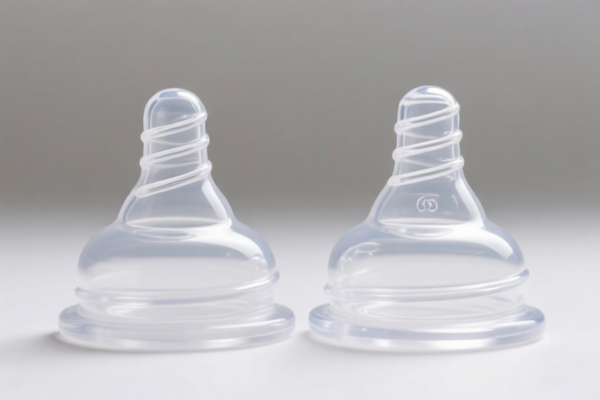
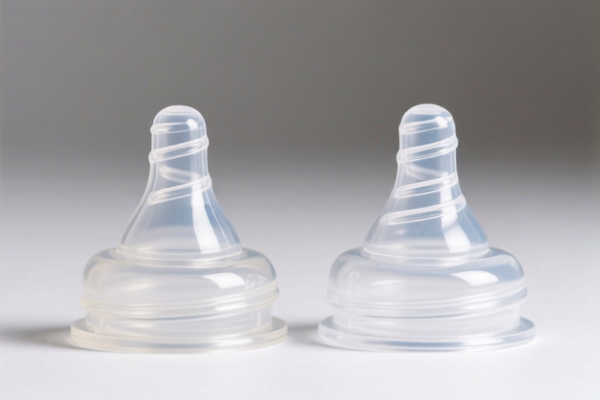
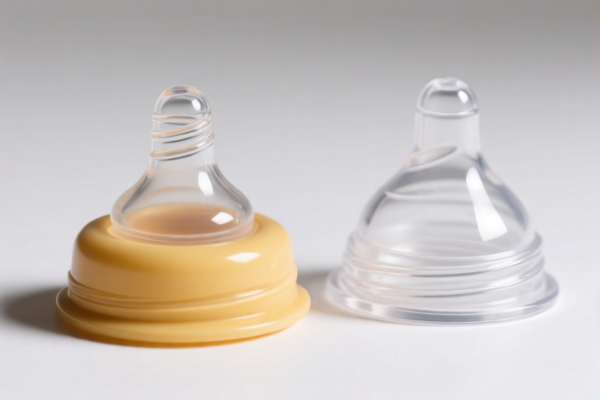
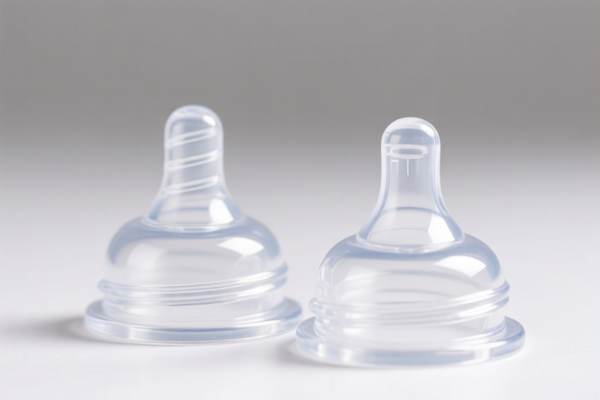
AI Analysis
🍼 Nipple Protector (Breast Shell / Nipple Shield)
🌐 HS Code Reference & Customs Clearance Guide | 2026 Latest Tariff Analysis | Professional通关 Strategy
📌 Part 1: Product Definition & Classification: Do You Really Know "Nipple Protector"?
A Nipple Protector (commonly known as Breast Shells, Nipple Shields, or Nipple Guards) is a medical or caregiving device used to protect, shape, or soothe the mother’s nipples during breastfeeding. In international trade, its classification is highly sensitive to material composition and intended use. It is typically categorized under either medical accessories, hygiene products, or plastic/silicone consumer goods.
⚠️ Key Classification Logic:
- If the product is made of rubber/silicone and used for medical/nursing care → It leans towards HS 4014 or 9021.
- If the product is made of hard plastic and marketed as general baby care/maternity accessory → It leans towards HS 3926.
- Critical Distinction: Is it a "medical device accessory" (9021) or a "general hygiene/baby product" (4014/3926)?
📦 Part 2: HS Code Classification Matrix (2026 Latest Tariff Rules)
Based on the provided data, here are the 4 valid HS Code pathways for Nipple Protectors, ranging from medical accessories to plastic/hygiene items.
| HS Code | Product Description | Material & Use Case | Tax Rate (Total) |
|---|---|---|---|
| 9021.39.00.00 | Medical Accessory: Protection & auxiliary devices for artificial body cavities (specifically nipples). Fits "Artificial Body Parts & Accessories". | Likely rigid or semi-rigid medical-grade plastic/silicone; Medical Device classification. | 10.0% |
| 4014.90.10.00 | Hygiene/Medical Supply: Soft elastic material. Inferred as vulcanized rubber or soft elastomer. Used for nursing/hygiene. | Rubber/Elastomer; Soft; Non-medical device certified, but used in medical/hygienic context. | 10.0% |
| 4014.90.50.00 | Nursing/Hygiene Product: Soft nursing pad or similar care item. Inferred as vulcanized rubber or silicone. | Rubber/Silicone; Soft; Specific for nursing care pads/guards. | 14.2% |
| 3926.90.16.00 | Plastic Baby Product: Other plastic articles for maternity/baby care. | Plastic/Polymer; Rigid or semi-rigid; General maternity/baby accessory (non-medical). | 20.6% |
| 3926.90.21.00 | Plastic Nursing Pad: Medical/nursing care pad or similar plastic item. | Plastic; Pad-like shape; Nursing care application. | 21.7% |
🔍 Key Takeaway:
- Lowest Tax (10%): Achieved via 9021.39.00.00 (Medical Accessory) or 4014.90.10.00 (Hygiene/Elastomer).
- Highest Tax (21.7%): 3926.90.21.00 (Plastic Nursing Pad).
- Material is King: Rubber/Silicone products generally attract lower duties (10-14.2%) than Plastic products (20.6-21.7%) for this specific item.
💰 Part 3: 2026 Tariff Rate Breakdown (Including Surtaxes & Policies)
✅ Applicable Market: United States (US)
✅ Origin: China (CN)
✅ Effective Date: Post-November 2025 (Includes Section 301 & IEEPA surcharges)
🎯 1. 9021.39.00.00 & 4014.90.10.00 —— The 10% Tier (Optimal Strategy)
| Item | Content |
|---|---|
| Base Tariff | 0.0% (Ad Valorem) |
| Section 301 Surcharge | 0.0% (Excluded or not applicable for these subheadings) |
| IEEPA/Section 122 Surcharge | +10.0% (Targeted at China/HK origin) |
| Total Effective Rate | 10.0% |
| Tax Calculation | CIF Value × 10% |
| De Minimis Exemption? | ❌ NO (Denied) |
| Legal Basis | IEEPA:122 applies to specific categories; Base tariff is 0%. |
📌 Explanation:
- These two HS codes benefit from a 0% base tariff.
- The 10% total duty comes entirely from the IEEPA (International Emergency Economic Powers Act) or similar Section 122 surcharges targeting Chinese goods.
- Crucial: If you can prove the product is a medical device accessory (HS 9021) or a rubber hygiene item (HS 4014.90.10), you avoid the higher Section 301 tariffs (which often add 25%) applicable to many plastics.
🎯 2. 4014.90.50.00 —— The 14.2% Tier (Rubber/Silicone Nursing Pad)
| Item | Content |
|---|---|
| Base Tariff | 4.2% |
| Section 301 Surcharge | 0.0% |
| IEEPA/Section 122 Surcharge | +10.0% |
| Total Effective Rate | 14.2% |
| Tax Calculation | CIF Value × 14.2% |
| De Minimis Exemption? | ❌ NO |
📌 Note:
- Base tariff is 4.2%, plus 10% IEEPA.
- Slightly higher than the 10% tier, but still significantly lower than plastic alternatives.
🎯 3. 3926.90.16.00 & 3926.90.21.00 —— The 20%+ Tier (Plastic Products)
| Item | Content |
|---|---|
| Base Tariff | 3.1% (for .16) / 4.2% (for .21) |
| Section 301 Surcharge | +7.5% (Standard Section 301 rate for many plastics) |
| IEEPA/Section 122 Surcharge | +10.0% |
| Total Effective Rate | 20.6% (for .16) / 21.7% (for .21) |
| Tax Calculation | CIF Value × 20.6% or 21.7% |
| De Minimis Exemption? | ❌ NO |
📌 Warning:
- Plastic nipple protectors face higher duties due to Section 301 (7.5%) in addition to IEEPA (10%).
- Do not classify plastic items under HS 9021 unless they are certified medical devices, as Customs may reclassify them and apply the higher rate.
🛠️ Part 4: Customs Clearance Practical Advice (Avoiding Pitfalls)
✅ 1. Documentation Checklist (Must-Have)
| Document | Required? | Description |
|---|---|---|
| ✅ Product Spec Sheet | ✔️ | Must state Material (e.g., "100% Medical Grade Silicone" vs. "Polypropylene"). This is critical for HS determination. |
| ✅ Intended Use Statement | ✔️ | "For use as a breast shell/nipple shield during lactation." |
| ✅ Product Photos | ✔️ | Clear images of the product, packaging, and any labels indicating material. |
| ✅ Certificate of Composition | ✔️ | Third-party lab report confirming material (e.g., Silicone vs. Plastic). |
| ✅ Commercial Invoice | ✔️ | Clearly describe as "Nipple Protector (Silicone)" or "Nipple Shield (Plastic)". Avoid vague terms like "Baby Accessory". |
| ✅ FCC/CE Reports | ✔️ | If claimed as medical device, provide regulatory compliance docs. |
✅ 2. Declaration Strategy (Key Tactics)
🔥 "Material Defines Tax, Use Defines HS!"
| Scenario | Recommended HS Code | Declaration Name | Avoid |
|---|---|---|---|
| Soft Silicone/Rubber Shield | 4014.90.10.00 or 9021.39.00.00 |
"Silicone Nipple Protector for Nursing" | "Plastic Nipple Shield" |
| Hard Plastic Shield | 3926.90.16.00 |
"Plastic Nipple Protector" | "Medical Device" (unless certified) |
| Nursing Pad (Rubber/Silicone) | 4014.90.50.00 |
"Rubber Nursing Pad" | "Disposable Baby Wipe" |
| Nursing Pad (Plastic) | 3926.90.21.00 |
"Plastic Nursing Pad" | "Textile Product" |
📌 Critical Tip:
- If your product is Silicone, always try to classify under HS 4014 or 9021 to secure the 10% rate.
- If you declare Silicone as "Plastic" (HS 3926), you will pay 20.6%+, resulting in overpayment.
- If you declare Plastic as "Medical Device" (HS 9021) without proper certification, Customs will reject the claim and apply the higher plastic rate + potential penalties.
✅ 3. Special Circumstances
| Situation | Advice |
|---|---|
| OEM Private Label | Provide brand authorization and product specs to prevent misclassification. |
| Set with Packaging | Declare as a single article if the protector is the essential component. Do not split if it’s a gift set unless necessary. |
| Medical Device Claim | If claiming HS 9021, ensure the product has FDA 510(k) clearance or equivalent medical certification. Otherwise, default to HS 4014. |
| Small Quantities (De Minimis) | ❌ No Exemption: All listed HS codes for this product deny de minimis entry for Chinese origin. Full duties apply. |
🌍 Part 5: Global Market Comparison (2026)
| Market | Recommended HS | Total Duty (China Origin) | Key Certification | Note |
|---|---|---|---|---|
| 🇺🇸 USA | 4014.90.10.00 / 9021.39.00.00 |
10% | FDA (if medical), RoHS | Best rate for Rubber/Silicone. Plastic is 20%+. |
| 🇪🇺 EU | 4014.90.10 / 9021.39 |
0% - 2.5% | CE, REACH | EU often has lower base duties for medical/hygiene items. |
| 🇨🇳 China | 4014.90.10 / 3926.90 |
10% - 15% | CCC (if medical) | Varies by subheading. |
| 🇬🇧 UK | 4014.90 / 9021.39 |
0% - 5% | UKCA | Post-Brexit rates may differ; check UK Trade Tariff. |
📌 Conclusion:
- The USA is the most sensitive market for these goods due to Section 301 & IEEPA surcharges.
- Material choice (Silicone/Rubber vs. Plastic) directly impacts your cost by 10-11%.
- USA is the most challenging market due to high surcharges. EU/UK are more favorable if you have proper certifications.
📌 Part 6: Common Errors & Pitfalls (Blood & Tears Lessons)
❌ Mistake 1: Classifying Silicone Nipple Protectors as Plastic (HS 3926)
👉 Result: Pay 20.6% instead of 10%. Overpaid 10.6%!
❌ Mistake 2: Classifying Plastic Nipple Protectors as Medical Devices (HS 9021) without FDA clearance
👉 Result: Customs rejection, reclassification to HS 3926 (20%+), and potential fines.
❌ Mistake 3: Using vague descriptions like "Baby Product" on the Invoice
👉 Result: Customs flags for inspection, delays, and misclassification.
❌ Mistake 4: Assuming De Minimis ($800) applies
👉 Result: Denied. All these HS codes for Chinese origin exclude de minimis. Full duties apply.
✅ Correct Practice:
"Silicone Nipple Protector for Lactation, Medical Grade, 100% Silicone, Not a Medical Device"
OR
"Plastic Nipple Shield for Infants, Polypropylene Material, Maternity Accessory"
🎯 Part 7: Conclusion: Smart Classification Saves Money!
🎯 Remember the Golden Rule:
🔹 "Silicone/Rubber = 10% (HS 4014/9021)"
🔹 "Plastic = 20.6%+ (HS 3926)"
🔹 "No De Minimis for China Origin"
🔹 "Declare Material Accurately!"
📌 Pro Tip:
If you are importing Silicone Nipple Protectors, insist on HS Code 4014.90.10.00 or 9021.39.00.00 to save 10%+ in duties. Provide lab reports confirming material to back up your claim.
📣 Immediate Action:
📞 Contact your broker with the Material Composition Report.
🚀 Apply for Advance Ruling if importing large volumes to secure the 10% rate.
💼 Your profit margin depends on accurate HS Code selection!
✨ Professional Customs Clearance Starts with Precise Classification!
💼 Every Percent Counts in 2026 Tariffs!
Customer Reviews
About HS Code Classification
The Harmonized System (HS) is an internationally standardized nomenclature developed by the World Customs Organization (WCO) to classify traded products. Over 200 countries use the HS system as the basis for customs tariffs, trade statistics, and import/export regulations.
Each HS code follows a hierarchical structure:
- Chapter (2 digits) — Broad category of goods (e.g., Chapter 84: Machinery and Mechanical Appliances)
- Heading (4 digits) — More specific grouping within the chapter
- Subheading (6 digits) — Internationally standardized breakdown, used by all WCO member countries
- National subdivisions (8-10 digits) — Country-specific extensions for further classification, such as US HTSUS 10-digit codes
Correct HS code classification is essential for smooth customs clearance, accurate duty payment, and compliance with trade regulations. Misclassification can lead to customs delays, overpayment of duties, or penalties.
When importing from CN to US, the applicable tariff rates may include:
- Most-Favored-Nation (MFN) rate — The standard duty rate applied to WTO members
- General rate — Applied to countries without trade agreements
- Trade remedy duties — Additional tariffs such as Section 301 (anti-dumping), Section 232 (national security), or countervailing duties
The information provided on this page is for reference purposes only. For official classification, please consult with your local customs authority or a licensed customs broker.