no show sock
CN → US| HS Code | Tariff Rate | Origin | Destination | Doc |
|---|---|---|---|---|
| 6115969020 | 24.6% | CN | US | Official Doc |
| 6117809510 | 32.1% | CN | US | Official Doc |
| 6117809570 | 32.1% | CN | US | Official Doc |
| 6115959000 | 31.0% | CN | US | Official Doc |
Product Images
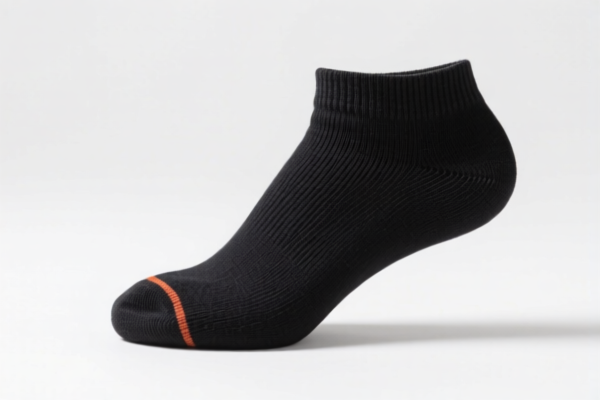
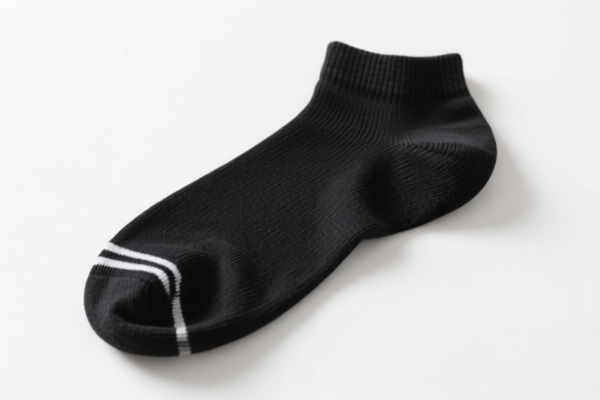
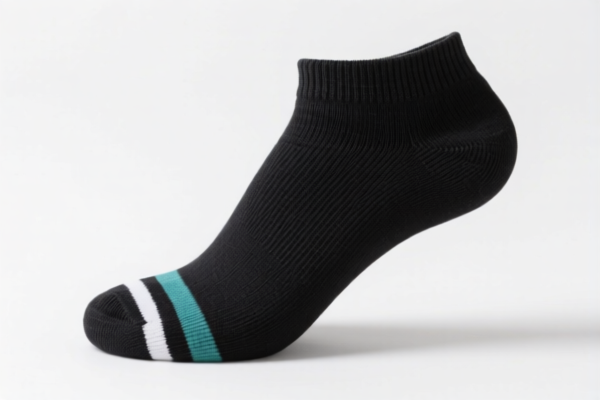
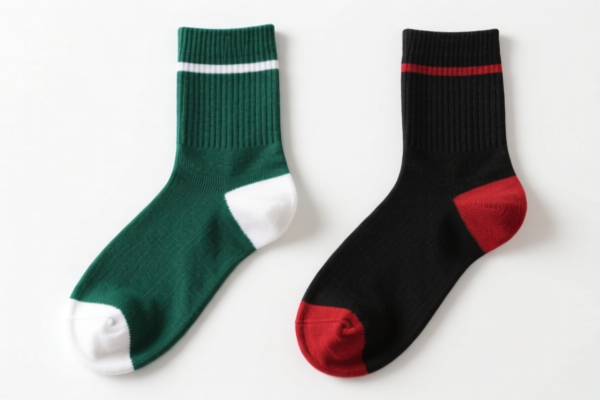
AI Analysis
🧦 No-Show Socks (Invisible Socks)
🌐 HS Code Reference & Customs Clearance Guide | 2026 Tariff Analysis | Expert Clearance Strategy
📌 I. Product Definition & Classification: Do You Truly Understand "No-Show Socks"?
No-show socks are low-cut, hidden footwear accessories designed to be invisible when worn with shoes. In international trade, they are classified under Chapter 61 (Articles of Apparel and Clothing Accessories, Knitted or Crocheted). The key distinction lies in material composition and functional categorization:
⚠️ Critical Classification Logic:
- If made of synthetic fibers (e.g., polyester, nylon) →归类 under 6115.96.90.20 (Other, knitted socks).
- If made of cotton →归类 under 6115.95.90.00 (Other, knitted cotton socks).
- If categorized as "clothing accessories" (not socks) →归类 under 6117.80.95.10/70 (Other clothing accessories).
📦 II. HS Code Classification Details (2026 Tariff Reference)
| HS Code | Product Description | Material Basis | Tax Rate |
|---|---|---|---|
6115.96.90.20 |
Synthetic Fiber Socks (e.g., polyester/nylon blends) | Synthetic fibers | 24.6% |
6115.95.90.00 |
Cotton Socks (e.g., cotton blends) | Cotton | 31.0% |
6117.80.95.10 |
Cotton Clothing Accessories | Cotton | 32.1% |
6117.80.95.70 |
Non-Cotton Clothing Accessories (e.g., synthetic blends) | Synthetic/non-cotton | 32.1% |
🔍 Key Insight:
- Socks vs. Accessories: If the product is explicitly "socks" (worn on the foot), use 6115. If it's a general "accessory" (e.g., decorative bands), use 6117.
- Material Matters: Cotton vs. synthetic fibers directly impacts the HS Code and tax rate.
💰 III. 2026 Tariff Rate Breakdown (Including Surcharges & Policy Additions)
✅ Applicable Countries: United States (US)
✅ Origin: China (CN)
✅ Effective Date: November 10, 2025 (and subsequent imports)
🎯 1. 6115.96.90.20 – Synthetic Fiber Socks
| Item | Content |
|---|---|
| Base Tariff | 14.6% (ad valorem) |
| Section 301 Surcharges | +0.0% |
| Section 122 Tariff | +10% |
| Total Tax Rate | 24.6% |
| Calculation | CIF Value × 24.6% |
| De Minimis Exemption | ❌ No |
| Legal Path | 122:Section 122 → 6115.96.90.20 |
📌 Explanation:
- Base Tariff: Standard 14.6% for synthetic socks.
- Section 122: 10% surcharge for Chinese-origin goods.
- No 301 Surcharges: Section 301 does not apply here.
🎯 2. 6115.95.90.00 – Cotton Socks
| Item | Content |
|---|---|
| Base Tariff | 13.5% |
| Section 301 Surcharges | +7.5% |
| Section 122 Tariff | +10% |
| Total Tax Rate | 31.0% |
| Calculation | CIF Value × 31.0% |
| De Minimis Exemption | ❌ No |
| Legal Path | 301:Section 301 → 122:Section 122 → 6115.95.90.00 |
📌 Note:
- Section 301: 7.5% surcharge for cotton socks from China.
- Higher Total: 31.0% vs. 24.6% for synthetic socks.
🎯 3. 6117.80.95.10 – Cotton Clothing Accessories
| Item | Content |
|---|---|
| Base Tariff | 14.6% |
| Section 301 Surcharges | +7.5% |
| Section 122 Tariff | +10% |
| Total Tax Rate | 32.1% |
| Calculation | CIF Value × 32.1% |
| De Minimis Exemption | ❌ No |
| Legal Path | 301:Section 301 → 122:Section 122 → 6117.80.95.10 |
🎯 4. 6117.80.95.70 – Non-Cotton Clothing Accessories
| Item | Content |
|---|---|
| Base Tariff | 14.6% |
| Section 301 Surcharges | +7.5% |
| Section 122 Tariff | +10% |
| Total Tax Rate | 32.1% |
| Calculation | CIF Value × 32.1% |
| De Minimis Exemption | ❌ No |
| Legal Path | 301:Section 301 → 122:Section 122 → 6117.80.95.70 |
🛠️ IV. Customs Clearance Practical Tips (Avoid Pitfalls)
✅ 1. Documentation Checklist
| Document | Required? | Purpose |
|---|---|---|
| Product Specs | ✔️ | Confirm material (cotton/synthetic) and design. |
| Material Composition Report | ✔️ | Prove % cotton vs. synthetic. |
| Product Photos | ✔️ | Show "no-show" design (e.g., low-cut, hidden). |
| Commercial Invoice | ✔️ | Clearly state "No-Show Socks" + HS Code. |
| Origin Certificate | ✔️ | If non-China, claim preferential rates. |
| Packing List | ✔️ | Avoid splitting shipments. |
✅ 2. Declaration Strategy
🔥 Golden Rule:
"Accurate Material + Functional Description = Lower Tax!"
| Scenario | Correct Declaration | Common Mistake |
|---|---|---|
| Cotton no-show socks | 6115.95.90.00 |
Use 6117.80.95.10 → 32.1% tax |
| Synthetic no-show socks | 6115.96.90.20 |
Use 6117.80.95.70 → 32.1% tax |
| Clothing accessory (non-sock) | 6117.80.95.10/70 |
Use 6115 → 24.6% tax |
✅ 3. Special Cases
| Scenario | Handling Advice |
|---|---|
| OEM Custom Designs | Provide design files to avoid "non-standard" classification. |
| Mixed Material Socks | Declare based on primary material (e.g., 60% cotton = cotton socks). |
| Socks with Embroidery/Logo | Still classified as 6115 if functional as socks. |
🌍 V. Global Market Comparison (2026)
| Country/Region | Recommended HS Code | Tariff | Certification | Notes |
|---|---|---|---|---|
| 🇺🇸 US | 6115.96.90.20 |
24.6% (China) | FCC/RoHS | Section 301/122 apply. |
| 🇨🇳 China | 6115.96.90.20 |
5% | CCC | No surcharges. |
| 🇪🇺 EU | 6115.96.90.20 |
0% (if CE) | CE + REACH | No surcharges. |
| 🇯🇵 Japan | 6115.96.90.20 |
0% | PSE | No surcharges. |
📌 Conclusion:
- US imposes highest tariffs for Chinese-origin no-show socks.
- Material choice (cotton vs. synthetic) directly affects tax rates.
📌 VI. Common Mistakes & Solutions
❌ Mistake 1: Declaring cotton socks as "accessories" (6117.80.95.10) → 32.1% tax.
👉 Solution: Use 6115.95.90.00 for cotton socks (31.0% tax).
❌ Mistake 2: Misclassifying synthetic socks as 6117.80.95.70 → 32.1% tax.
👉 Solution: Use 6115.96.90.20 for synthetic socks (24.6% tax).
✅ Correct Approach:
"No-Show Socks, 80% Nylon/20% Spandex, Knitted, Size L, Model XYZ"
🎯 VII. Final Advice: Precision Classification Saves Costs!
🎯 Key Takeaways:
🔹 "Socks = 6115; Accessories = 6117"
🔹 "Cotton = Higher Tax; Synthetic = Lower Tax"
🔹 "Section 301 + Section 122 = 17.5%+ surcharges"
📌 Pro Tip:
If your no-show socks are originating from Vietnam, Mexico, or Thailand, you may qualify for IEEPA exemptions (0%–5% tax).
Action: File for Advance Ruling to avoid customs delays.
📣 Act Now:
📞 Contact a customs broker + Provide product specs + File for HS Code pre-ruling
🚀 Ensure smooth clearance, maximize profits, and stay compliant!
✨ Professional clearance starts with accurate classification!
💼 Every cent matters – calculate tariffs precisely!
Customer Reviews
About HS Code Classification
The Harmonized System (HS) is an internationally standardized nomenclature developed by the World Customs Organization (WCO) to classify traded products. Over 200 countries use the HS system as the basis for customs tariffs, trade statistics, and import/export regulations.
Each HS code follows a hierarchical structure:
- Chapter (2 digits) — Broad category of goods (e.g., Chapter 84: Machinery and Mechanical Appliances)
- Heading (4 digits) — More specific grouping within the chapter
- Subheading (6 digits) — Internationally standardized breakdown, used by all WCO member countries
- National subdivisions (8-10 digits) — Country-specific extensions for further classification, such as US HTSUS 10-digit codes
Correct HS code classification is essential for smooth customs clearance, accurate duty payment, and compliance with trade regulations. Misclassification can lead to customs delays, overpayment of duties, or penalties.
When importing from CN to US, the applicable tariff rates may include:
- Most-Favored-Nation (MFN) rate — The standard duty rate applied to WTO members
- General rate — Applied to countries without trade agreements
- Trade remedy duties — Additional tariffs such as Section 301 (anti-dumping), Section 232 (national security), or countervailing duties
The information provided on this page is for reference purposes only. For official classification, please consult with your local customs authority or a licensed customs broker.