non coniferous logs
CN → US| HS Code | Tariff Rate | Origin | Destination | Doc |
|---|---|---|---|---|
| 4403120060 | 35.0% | CN | US | Official Doc |
| 4403990195 | 35.0% | CN | US | Official Doc |
Product Images
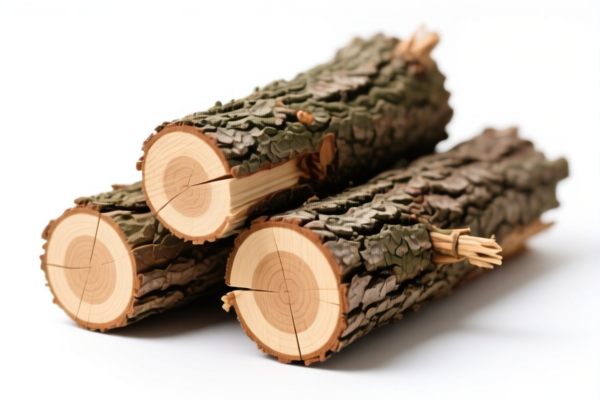
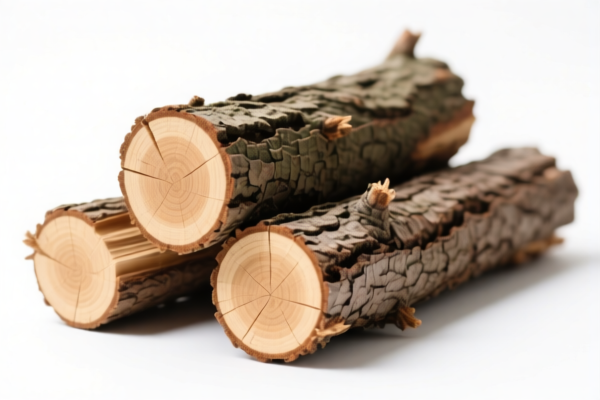
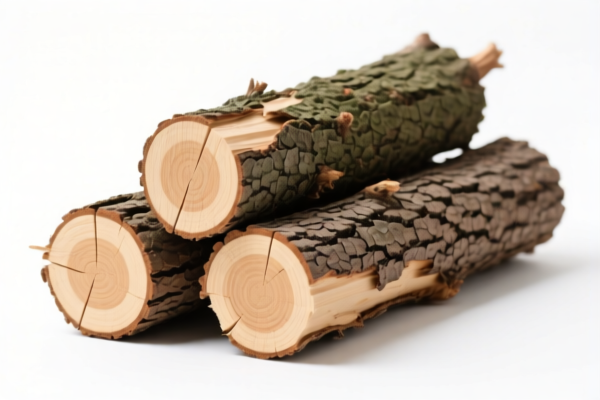
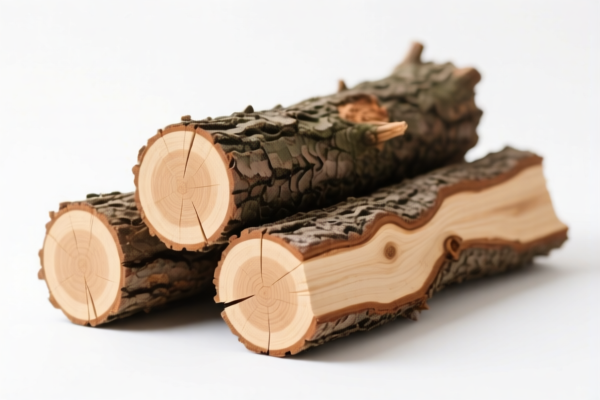
AI Analysis
🌲 Non-Coniferous Logs (Rough Wood)
🌐 HS Code Reference & Customs Clearance Guide | 2026 Latest Tariff Analysis | Professional通关 Strategy
📌 I. Product Definition & Classification: Do You Really Understand "Non-Coniferous Logs"?
Non-coniferous logs, commonly known as hardwood logs, are the raw material for plywood, furniture, flooring, and construction. In international trade, their classification depends heavily on processing level (bark/sapwood status, squaring) and treatment (preservatives).
⚠️ Key Distinction Points:
- Untreated vs. Treated: Logs treated with paint, stain, creosote, or other preservatives are classified differently from raw logs.
- Shape: "Roughly squared" logs may have different sub-headings depending on specific national tariff schedules, but the core HS code remains within 4403.
- Wood Type: Must be non-coniferous (hardwood), excluding pine, spruce, fir, etc.
📦 II. HS Code Classification Details (2026 Latest Tariff Authority Match)
Based on the provided <DATA>, here are the specific HS codes for Non-Coniferous Logs:
| HS Code | Product Description | Application Scenario | Treatment Status |
|---|---|---|---|
4403.12.00.60 |
Wood in the rough, whether or not stripped of bark or sapwood, or roughly squared: Treated with paint, stain, creosote or other preservatives: Nonconiferous Other | Treated hardwood logs; treated for outdoor use, pilings, or industrial preservation | ✅ Treated |
4403.99.01.95 |
Wood in the rough, whether or not stripped of bark or sap- wood, or roughly squared: Other: Other Other: Other | Raw, untreated hardwood logs; standard logging output | ❌ Untreated |
🔍 Critical Reminder:
-4403.12.00.60applies ONLY if the wood has been treated with preservatives.
-4403.99.01.95applies to untreated raw logs.
- Misclassification (e.g., declaring treated logs as untreated) can lead to severe penalties due to tariff evasion attempts.
💰 III. 2026 Latest Tariff Rate Detailed Explanation (Including Additional Taxes)
✅ Applicable Country: United States (US)
✅ Origin: China (CN) (Assumed based on tax detail format)
✅ Effective Date: Current trade policy (Section 301 tariffs apply)
🎯 1. 4403.12.00.60 —— Treated Non-Coniferous Logs
| Item | Content |
|---|---|
| Base Tariff | 0.0% |
| Additional Tariff (Section 301) | +25.0% |
| Total Tariff Rate | 25.0% |
| Tax Calculation | CIF Value × 25% |
| De Minimis Exemption | ❌ Not Applicable (Wood products generally do not qualify for de minimis under current rules for Section 301 goods) |
| Legal Basis Path | USITC:4403.12.00.60 → Section 301 Footnote |
📌 Explanation:
- The "Additional Tariff 25%" comes from the US Trade Act Section 301 against China.
- Even though the base rate is 0%, the 25% punitive tariff is mandatory for Chinese-origin treated logs.
- High Cost Alert: This is a significant cost factor for treated wood imports.
🎯 2. 4403.99.01.95 —— Untreated Non-Coniferous Logs (Other)
| Item | Content |
|---|---|
| Base Tariff | 0.0% |
| Additional Tariff (Section 301) | +25.0% |
| Total Tariff Rate | 25.0% |
| Tax Calculation | CIF Value × 25% |
| De Minimis Exemption | ❌ Not Applicable |
| Legal Basis Path | USITC:4403.99.01.95 → Section 301 Footnote |
📌 Note:
- Untreated logs also face the same 25% additional tariff.
- There is no tariff advantage for untreated vs. treated logs in this specific classification pair under current US-China trade policies.
- Both codes result in a 25% total tax burden.
🛠️ IV. Customs Clearance Practical Advice (Real-World Pitfall Avoidance)
✅ 1. Documentation Checklist (Mandatory)
| Document | Must Provide | Explanation |
|---|---|---|
| ✅ Commercial Invoice | ✔️ | Must clearly state "Non-Coniferous Logs" and treatment status |
| ✅ Phytosanitary Certificate | ✔️ | Critical for all wood products; issued by origin country’s plant protection agency |
| ✅ Wood Species Declaration | ✔️ | Must specify genus/species (e.g., Oak, Maple, Teak) to confirm non-coniferous |
| ✅ Treatment Certificate | ✔️ | If applying for 4403.12.00.60, provide proof of creosote/paint treatment |
| ✅ Packing List | ✔️ | Detail volume (CBM), weight, and number of logs |
| ✅ Bill of Lading | ✔️ | Standard shipping document |
✅ 2. Declaration Tips (Key Mantra)
🔥 "Treatment Status is Key, Phytosanitary is Mandatory, Code Must Match!"
| Situation | Correct Declaration | Wrong Practice |
|---|---|---|
| Treated Logs | 4403.12.00.60 + Treatment Cert |
Declare as untreated (4403.99...) → Fraud/Penalty |
| Untreated Logs | 4403.99.01.95 + Phytosanitary |
Declare as treated → Unnecessary Compliance Cost |
| Coniferous Logs | Different HS Code (e.g., 4403.10) | Declare as non-coniferous → Misclassification |
| Veneer Sheets | HS Code 4408 | Declare as logs → Wrong Category |
✅ 3. Special Case Handling
| Situation | Handling Advice |
|---|---|
| Mixed Shipments | If one container has both treated and untreated logs, declare separately. Do not mix codes. |
| Roughly Squared | Ensure description matches "roughly squared" if applicable; otherwise, use "logs" or "poles". |
| Bark Removal | "Stripped of bark" does not change HS code under 4403, but must be accurately described. |
| Origin Fraud | Ensure wood is not from embargoed regions. Strict enforcement on illegal logging (Lacey Act in US). |
🌍 V. Global Market Clearance Comparison (2026 Latest)
| Country/Region | Recommended HS Code | Tariff (China Origin) | Certification Requirement | Notes |
|---|---|---|---|---|
| 🇺🇸 USA | 4403.12.00.60 / 4403.99.01.95 |
25% (Section 301) | Phytosanitary + Lacey Act | High tariff, strict wood legality checks |
| 🇨🇳 China | 4403.12.00.60 / 4403.99.01.95 |
0-5% | Phytosanitary | Import tariff often low, but domestic taxes apply |
| 🇪🇺 EU | 4403.12.00 / 4403.99.00 |
0-1% | FLEGT / EUTR Compliance | Very strict on illegal logging documentation |
| 🇬🇧 UK | 4403.12.00 / 4403.99.00 |
0-1% | FLEGT / UK Timber Regulation | Post-Brexit, same strict compliance as EU |
📌 Conclusion:
- USA imposes a flat 25% additional tariff on these wood products from China.
- EU/UK have low base tariffs but extremely strict legal compliance (FLEGT/EUTR).
- China is a major importer of such logs, so ensure quality and phytosanitary standards are met for export to China.
📌 VI. Common Mistakes & Pitfall Guide (Blood & Tears Lessons)
❌ Mistake 1: Failing to declare treatment status
👉 Consequence: If logs are treated but declared as untreated (4403.99...), customs may impose fraud penalties and double tariffs.
❌ Mistake 2: Missing Phytosanitary Certificate
👉 Consequence: Shipment seized or destroyed at border. Wood products are high-risk for pests.
❌ Mistake 3: Incorrect Wood Species
👉 Consequence: If "non-coniferous" is claimed but wood is pine (coniferous), HS Code mismatch → Fine + Delay.
❌ Mistake 4: Ignoring Lacey Act (USA)
👉 Consequence: Civil or Criminal penalties if wood is illegally harvested. Requires declaration of botanical name.
✅ Correct Practice:
"Oak Logs, Non-Coniferous, Roughly Squared, Untreated, Origin: [Country], Phytosanitary Cert No: XXX, Lacey Act Compliant"
🎯 VII. Conclusion: Precision Classification Saves Money!
🎯 Remember the Mantra:
🔹 "Treated vs. Untreated is the Key!"
🔹 "Phytosanitary Certificate is Life or Death!"
🔹 "25% Tariff is Inevitable for China Origin in USA!"
📌 Pro Tip:
- For USA imports, budget 25% extra for tariffs.
- For EU/UK imports, prioritize legal compliance documentation (FLEGT) over tariff costs.
- Always request a Pre-Classification Ruling from customs if unsure about treatment status or wood species.
📣 Immediate Action:
📞 Contact a licensed customs broker + Provide Phytosanitary Certificate + Verify Wood Species
🚀 Ensure smooth clearance, avoid seizures, and protect your supply chain!
✨ Professional Customs Clearance Starts with Accurate Classification!
💼 Every percentage point of tariff matters!
Customer Reviews
About HS Code Classification
The Harmonized System (HS) is an internationally standardized nomenclature developed by the World Customs Organization (WCO) to classify traded products. Over 200 countries use the HS system as the basis for customs tariffs, trade statistics, and import/export regulations.
Each HS code follows a hierarchical structure:
- Chapter (2 digits) — Broad category of goods (e.g., Chapter 84: Machinery and Mechanical Appliances)
- Heading (4 digits) — More specific grouping within the chapter
- Subheading (6 digits) — Internationally standardized breakdown, used by all WCO member countries
- National subdivisions (8-10 digits) — Country-specific extensions for further classification, such as US HTSUS 10-digit codes
Correct HS code classification is essential for smooth customs clearance, accurate duty payment, and compliance with trade regulations. Misclassification can lead to customs delays, overpayment of duties, or penalties.
When importing from CN to US, the applicable tariff rates may include:
- Most-Favored-Nation (MFN) rate — The standard duty rate applied to WTO members
- General rate — Applied to countries without trade agreements
- Trade remedy duties — Additional tariffs such as Section 301 (anti-dumping), Section 232 (national security), or countervailing duties
The information provided on this page is for reference purposes only. For official classification, please consult with your local customs authority or a licensed customs broker.