non coniferous wood tool handle material
CN → US| HS Code | Tariff Rate | Origin | Destination | Doc |
|---|---|---|---|---|
| 4417008090 | 40.1% | CN | US | Official Doc |
| 4417008010 | 40.1% | CN | US | Official Doc |
| 4421999880 | 38.3% | CN | US | Official Doc |
| 4421999400 | 35.0% | CN | US | Official Doc |
| 4403120060 | 35.0% | CN | US | Official Doc |
Product Images
AI Analysis
🪵 Non-Coniferous Wood Tool Handle Material (HSMC Classification Guide)
🌍 HS Code Reference & Customs Clearance Guide | 2026 Latest Tariff Analysis | Professional Clearance Strategy
📌 I. Product Definition & Classification: What is "Non-Coniferous Wood Tool Handle Material"?
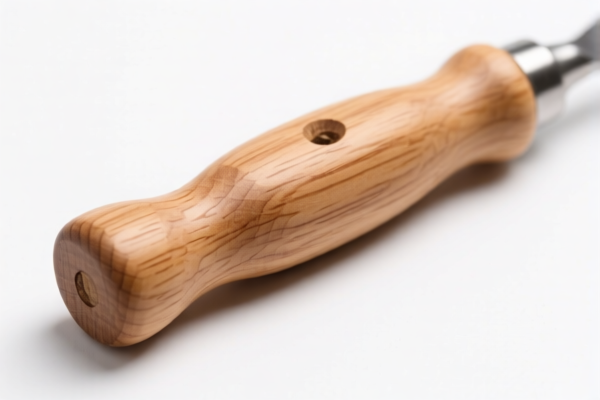
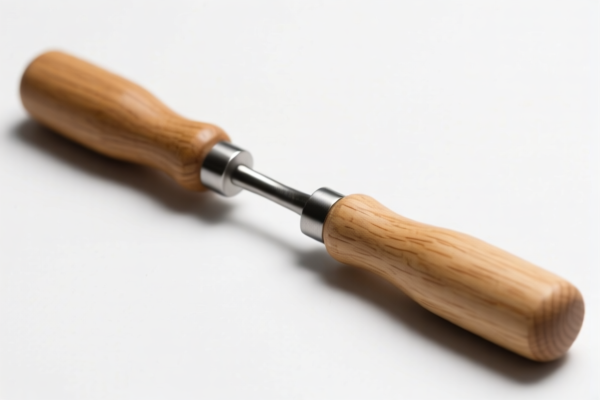
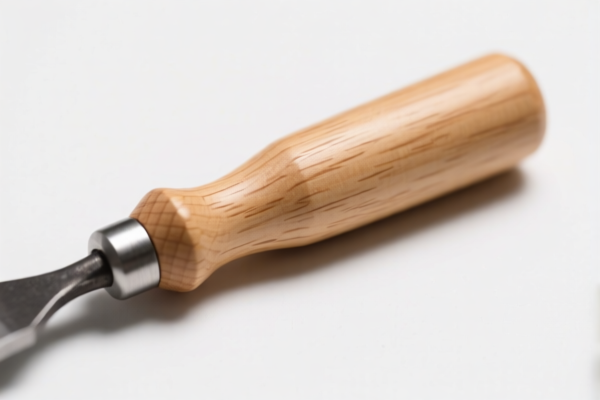
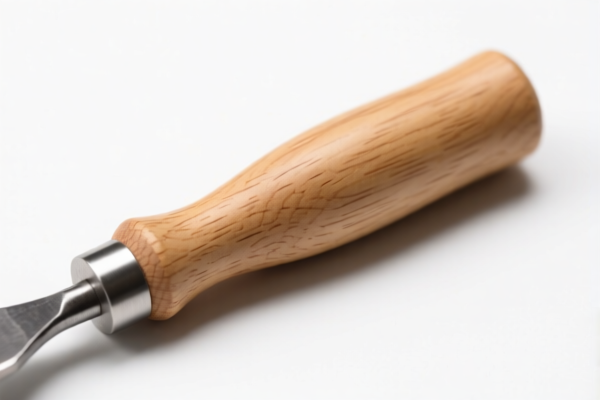
Non-coniferous wood tool handle material refers to wooden components specifically designed or used for making tool handles. These are primarily made from deciduous (broad-leaved) woods, which are preferred over coniferous woods due to their higher density, durability, and shock-absorption properties.
In international trade, these items are classified based on their specific function (tool handles) or general form (raw wood/logs) if not yet shaped for a specific tool.
⚠️ Key Distinction Point: - If the wood is specifically shaped/prepared for tool handles (e.g., pre-sized blanks, specific profiles) → Classified under Chapter 44.17 (Wooden Tools, Tool Bodies, etc.). - If the wood is raw material or generic (e.g., logs, simple planks not yet carved for handles) → Classified under Chapter 44.03 (Wood in the Rough) or 44.21 (Other Articles of Wood).
📦 II. HS Code Classification Details (2026 Latest Tariff Authority Cross-Reference)
The following table details the specific HS Codes provided in the data, their descriptions, and the rationale for classification.
| HS Code | Product Description | Application Scenario | Tax Rate (Total) | Key Classification Logic |
|---|---|---|---|---|
| 4417.00.80.90 | Non-coniferous wood material for tool handles, meeting Ch. 44.17 material requirements, categorized as other wooden tool-related parts. | Specific tool handle blanks, pre-shaped handles. | 40.1% | Classified as "Other" under Chapter 44.17 because it fits the material definition but may not be the primary "tool body." |
| 4417.00.80.10 | Non-coniferous wood material for tool handles, where the handle material is consistent with tool handle usage, meeting wooden tool handle material characteristics. | Dedicated tool handle stock, consistent with standard tool handles. | 40.1% | Classified under 44.17 specifically for "Tool Handles." Direct functional match. |
| 4421.99.98.80 | Non-coniferous wood material for walking sticks/canes, categorized as other wooden products, material is wood, form is primary/raw. | Raw wood logs or semi-processed wood for canes/sticks. | 38.3% | Classified under Chapter 44.21 (Other articles of wood) because it is treated as a generic wooden article or raw material for canes, not a tool handle. |
| 4421.99.94.00 | Non-coniferous wood material for walking sticks/canes, categorized as other wooden products & edge-glued materials/wooden types. | Processed wooden cane materials, edge-glued panels for sticks. | 35.0% | Classified under 44.21.99.94 for specific sub-category of other wooden articles, potentially including composite or edge-glued forms. |
| 4403.12.00.60 | Non-coniferous wood material for walking sticks/canes, categorized as non-coniferous wood, possibly treated for防腐 (preservation) or coloring. | Treated/non-coniferous wood logs or planks, potentially colored/preserved. | 35.0% | Classified under Chapter 44.03 (Wood in the Rough) because it is raw/treated wood, not yet made into a specific article like a handle or cane. |
🔍 Key Insight: - 4417 Codes (Handles): Apply when the wood is explicitly for tools. Higher tax burden (40.1%) due to specific anti-dumping/additional tariffs on tool components. - 4421 Codes (Canes/Other): Apply when the wood is for canes or general wood products. Lower tax burden (35-38.3%). - 4403 Codes (Raw Wood): Apply when the wood is raw, treated, or unprocessed. Lowest base tax (0% basic), but still subject to add-on tariffs.
💰 III. 2026 Latest Tariff Rate Breakdown (Including Additional Taxes & Policy Surcharges)
✅ Applicable Country: United States (US)
✅ Origin: China (CN)
✅ Effective Date: From November 10, 2025 (including subsequent imports)
🎯 1. HS Codes: 4417.00.80.10 & 4417.00.80.90 (Tool Handle Materials)
| Item | Content |
|---|---|
| Base Tariff | 5.1% (ad valorem) |
| Section 301 Additional Tariff | +25.0% |
| Section 122 Tariff | +10.0% |
| Total Tariff Rate | 40.1% |
| Tax Calculation | CIF Value × 40.1% |
| De Minimis Eligibility | ❌ Not Eligible (deny_de_minimis) |
| Legal Basis Path | 301 Tariff → Section 122 → HTSUS:4417.00.80 |
📌 Explanation: - Base Tariff (5.1%): Standard US duty for wooden tool parts. - Section 301 (+25%): USITC Footnote applied to Chinese wooden tools and related components. - Section 122 (+10%): Additional tariff under Section 122 of the Trade Expansion Act, often applied to imports affecting national security or specific strategic goods. - Total 40.1%: A significant cost factor. Cannot use the $800 de minimis exemption (Section 321) for these HS codes.
🎯 2. HS Code: 4421.99.98.80 (Walking Stick Material - Other Wood Products)
| Item | Content |
|---|---|
| Base Tariff | 3.3% |
| Section 301 Additional Tariff | +25.0% |
| Section 122 Tariff | +10.0% |
| Total Tariff Rate | 38.3% |
| Tax Calculation | CIF Value × 38.3% |
| De Minimis Eligibility | ❌ Not Eligible |
| Legal Basis Path | 301 Tariff → Section 122 → HTSUS:4421.99.98 |
📌 Note: - Slightly lower than tool handles due to a lower base rate (3.3% vs 5.1%). - Still subject to the same 35% in additional tariffs.
🎯 3. HS Codes: 4421.99.94.00 & 4403.12.00.60 (Cane Material / Raw Treated Wood)
| Item | Content |
|---|---|
| Base Tariff | 0.0% |
| Section 301 Additional Tariff | +25.0% |
| Section 122 Tariff | +10.0% |
| Total Tariff Rate | 35.0% |
| Tax Calculation | CIF Value × 35.0% |
| De Minimis Eligibility | ❌ Not Eligible |
| Legal Basis Path | 301 Tariff → Section 122 → HTSUS:4421.99.94 / 4403.12.00 |
📌 Note: - Lowest Total Rate (35%) among the listed codes. - Applies to raw or minimally processed wood (logs, planks) or specific other wooden articles (canes) that are not tool handles. - Critical: Must ensure the wood is not specifically shaped for tools, or it will be reclassified under 44.17.
🛠️ IV. Customs Clearance Practical Advice (Avoid Pitfalls)
✅ 1. Documentation Checklist (Mandatory)
| Document | Required | Description |
|---|---|---|
| ✅ Product Specification Sheet | ✔️ | Detailed description: Wood species (e.g., Oak, Beech), dimensions, treatment (preservative/color), intended use (tool handle vs. cane vs. raw). |
| ✅ Photographs | ✔️ | Clear images showing the wood's form: Is it a log? A shaped handle? A plank? |
| ✅ Commercial Invoice | ✔️ | Must accurately describe the product. Use terms like "Wooden Tool Handle Blanks" or "Non-Coniferous Wood Logs" – avoid vague terms like "Wood Parts." |
| ✅ Bill of Lading / Air Waybill | ✔️ | Standard shipping documents. |
| ✅ Certificate of Origin | ✔️ | Proof of Chinese origin (triggers Section 301 & 122 tariffs). |
| ✅ Treatment Declaration | ✔️ | If wood is treated (e.g., with chromate, copper), declare it for ISPM 15 compliance (phytosanitary standards). |
✅ 2. Declaration Tips (Key Mantras)
🔥 "Shape Determines Code, Use Defines Duty!"
| Scenario | Correct Declaration | Incorrect Practice |
|---|---|---|
| Pre-shaped Handle | 4417.00.80.10 – "Wooden Tool Handle Blanks" |
Declaring as "Wood Logs" → Risk of penalty for misclassification. |
| Raw Log/Plank | 4403.12.00.60 – "Non-Coniferous Wood, Treated, in the Rough" |
Declaring as "Tool Handle" → Incorrect, lower tax risk, but customs may reclassify. |
| Cane Material | 4421.99.98.80 – "Material for Walking Sticks" |
Declaring as "Tool Handle" → Higher tax (40.1% vs 38.3%). |
| Mixed Shipment | Split Declaration | Combining tools and raw wood in one line → High audit risk. |
✅ 3. Special Handling Cases
| Scenario | Recommendation |
|---|---|
| OEM Custom Handles | Provide customer design drawings to prove "tool handle" shape. Use 4417.00.80.10. |
| Raw Wood with Preservative | Must declare treatment type. If it meets ISPM 15, no phytosanitary certificate needed, but still subject to tariffs. Use 4403.12.00.60. |
| Canes vs. Tool Handles | Clearly distinguish. Canes go to 44.21, Tools go to 44.17. Do not mix. |
| De Minimis ($800) | ❌ Do Not Use. All listed HS codes are excluded from the de minimis exemption. Must file formal entry (CBP Form 7501). |
🌍 V. Global Market Comparison (2026 Latest)
| Country/Region | Recommended HS Code | Tariff (CN Origin) | Certification | Notes |
|---|---|---|---|---|
| 🇺🇸 USA | 4417.00.80.10 |
40.1% (Total) | None specific (but ISPM 15 for wood) | High tariff due to 301 & 122. |
| 🇺🇸 USA | 4403.12.00.60 |
35.0% (Total) | None specific (ISPM 15 for wood) | Lower rate for raw/treated wood. |
| 🇨🇳 China | 4417.00.80.10 |
~5-10% | None | No 301/122 tariffs. |
| 🇪🇺 EU | 4417.00.00 |
~0-5% | FSC/PEFC (Sustainability) | No US-style additional tariffs. |
📌 Conclusion: - USA imposes the highest effective tariffs on wooden tools and materials. - Classification accuracy is critical: A shift from 4417 (40.1%) to 4403 (35.0%) saves 5.1% on the base rate, but 35% total vs 40.1% total is a significant cost difference. - Do not rely on de minimis for these items.
📌 VI. Common Errors & Pitfalls (Lessons Learned)
❌ Error 1: Declaring "Tool Handles" as "Raw Wood" to avoid tariffs. 👉 Consequence: Customs audit, reclassification, penalties, and back taxes. The shape is evident in photos and specs.
❌ Error 2: Using "Wood Parts" as a generic description. 👉 Consequence: Customs cannot determine if it's a tool handle (44.17) or other article (44.21/44.03). Leads to delays and forced reclassification.
❌ Error 3: Assuming De Minimis applies. 👉 Consequence: Package seized, detained, or returned. These HS codes are explicitly excluded.
❌ Error 4: Ignoring ISPM 15 for Raw Wood. 👉 Consequence: Shipment held at port for fumigation or destruction if wood is not heat-treated or fumigated.
✅ Correct Approach:
"Wooden Tool Handle Blanks, Non-Coniferous, Pre-Sized, Model XYZ, No Preservative, ISPM 15 Compliant"
🎯 VII. Conclusion: Precise Classification Saves Money
🎯 Remember the Mantra:
🔹 "Tools = 44.17 (40.1%), Canes = 44.21 (35-38%), Raw = 44.03 (35%)."
🔹 "Shape Rules: Shaped Handle? 44.17. Raw Log? 44.03."
🔹 "No De Minimis: All formal entry, all tariffs apply."
📌 Pro Tip:
- If you are importing raw logs or planks that could be used for handles but are not yet shaped, declare them as 4403.12.00.60 to benefit from the lower base rate (0%) and total rate (35%).
- If they are already cut to handle shape, you must use 4417.00.80.10 (40.1%).
- Consult a Customs Broker for pre-classification rulings if unsure about the "intended use" vs. "physical state."
📣 Action Now:
📞 Contact your customs broker + Provide product photos + Request HS Code Advance Ruling.
🚀 Let your wooden materials pass through smoothly, efficiently, and cost-effectively!
✨ Professional Clearance Starts with Accurate Classification!
💼 Every Percent of Tariff Matters – Optimize Your Strategy!
Customer Reviews
About HS Code Classification
The Harmonized System (HS) is an internationally standardized nomenclature developed by the World Customs Organization (WCO) to classify traded products. Over 200 countries use the HS system as the basis for customs tariffs, trade statistics, and import/export regulations.
Each HS code follows a hierarchical structure:
- Chapter (2 digits) — Broad category of goods (e.g., Chapter 84: Machinery and Mechanical Appliances)
- Heading (4 digits) — More specific grouping within the chapter
- Subheading (6 digits) — Internationally standardized breakdown, used by all WCO member countries
- National subdivisions (8-10 digits) — Country-specific extensions for further classification, such as US HTSUS 10-digit codes
Correct HS code classification is essential for smooth customs clearance, accurate duty payment, and compliance with trade regulations. Misclassification can lead to customs delays, overpayment of duties, or penalties.
When importing from CN to US, the applicable tariff rates may include:
- Most-Favored-Nation (MFN) rate — The standard duty rate applied to WTO members
- General rate — Applied to countries without trade agreements
- Trade remedy duties — Additional tariffs such as Section 301 (anti-dumping), Section 232 (national security), or countervailing duties
The information provided on this page is for reference purposes only. For official classification, please consult with your local customs authority or a licensed customs broker.