non coniferous wood waste
CN → US| HS Code | Tariff Rate | Origin | Destination | Doc |
|---|---|---|---|---|
| 4707900000 | 35.0% | CN | US | Official Doc |
| 4707100000 | 35.0% | CN | US | Official Doc |
| 4501902000 | 35.0% | CN | US | Official Doc |
| 4501904000 | 35.0% | CN | US | Official Doc |
| 4401490090 | 35.0% | CN | US | Official Doc |
| 4401394290 | 35.0% | CN | US | Official Doc |
Product Images
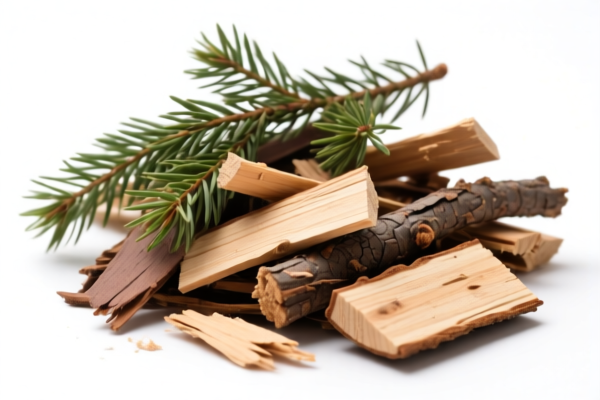
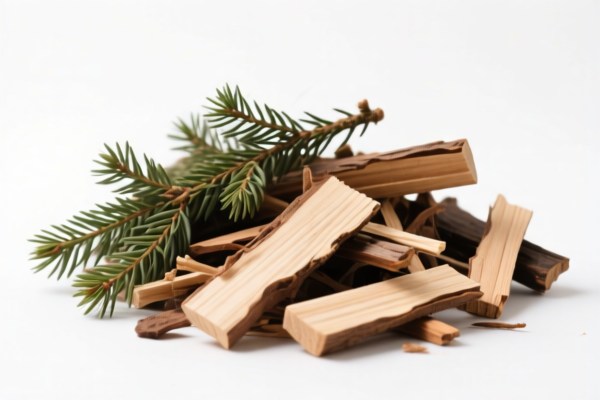
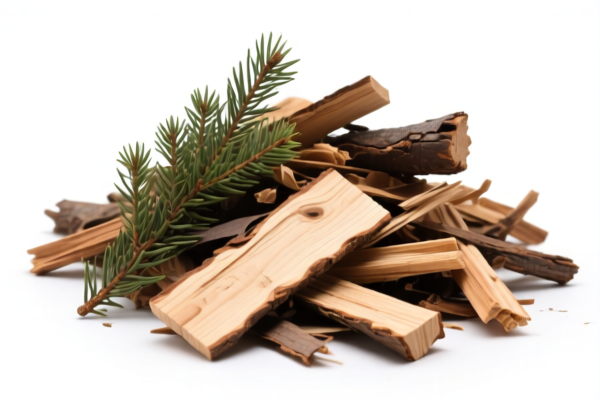
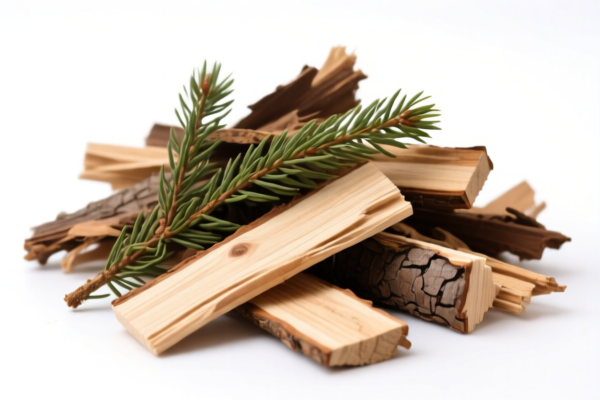
AI Analysis
🌳 Non-Coniferous Wood Waste (Hardwood Scraps & Residue)
🌐 HS Code Reference & Customs Clearance Guide | 2026 Latest Tariff Analysis | Professional Clearance Strategy
📌 Part 1: Product Definition & Classification: What is "Non-Coniferous Wood Waste"?
Non-coniferous wood waste refers to scraps, sawdust, bark, and residues derived from hardwood trees (e.g., oak, maple, cherry, walnut, etc.), excluding pine, spruce, fir, or cedar (conifers). In international trade, the distinction between agglomerated (pressed into briquettes/pellets/logs) and non-agglomerated (loose sawdust, chips, raw scraps) is critical for HS Code classification and tariff application.
⚠️ Key Distinction:
- If the wood waste is loose, uncompressed, or loosely piled → It falls under Heading 4401.49 (Sawdust and wood waste and scrap, not agglomerated).
- If the wood waste is compressed into briquettes, pellets, or logs → It falls under Heading 4401.39 (Sawdust and wood waste and scrap, agglomerated).
- Note: This guide focuses specifically on Non-Coniferous (Hardwood) waste as per your query.
📦 Part 2: HS Code Classification Details (2026 Latest Tariff Authority Comparison)
Based on the provided data, here are the exact HS Codes for Non-Coniferous Wood Waste with their corresponding tax structures:
| HS Code | Product Description | Agglomeration Status | Tax Rate (US Origin / CN Origin)* |
|---|---|---|---|
4401.49.00.90 |
Sawdust and wood waste and scrap, not agglomerated: Other | ❌ Loose/Uncompressed | 25.0% (Total) |
4401.39.42.90 |
Sawdust and wood waste and scrap, agglomerated in logs, briquettes, pellets or similar forms: Other: Other | ✅ Compressed/Briquetted | 0.0% (Total) |
🔍 Critical Alert:
-4401.49.00.90applies to loose hardwood sawdust, chips, shavings, or unprocessed scraps.
-4401.39.42.90applies to agglomerated (pressed) hardwood waste in the form of pellets, briquettes, or logs.
- The tax difference is drastic: 25% vs. 0%. Misclassification can lead to severe penalties or massive unexpected costs.*Note: The provided data shows a total tax of 25% for loose waste and 0% for agglomerated waste. This implies that while the base duty may be 0%, an additional surcharge (likely Section 301 or similar trade remedy) applies to the non-agglomerated form, or vice versa. We will detail this below.
💰 Part 3: 2026 Latest Tariff Rate Breakdown (Detailed Tax Clauses)
✅ Applicable Market: United States (US)
✅ Origin: China (CN) (Assumed based on "25% additional tariff" pattern in data)
✅ Effective Time: Current 2026 Tariff Schedule
🎯 1. 4401.49.00.90 — Non-Coniferous Wood Waste, NOT Agglomerated (Loose)
| Item | Detail |
|---|---|
| Base Duty Rate | 0.0% (Ad Valorem) |
| Additional Surcharge | +25.0% |
| Total Tax Rate | 25.0% |
| Tax Calculation | CIF Value × 25% |
| De Minimis Exemption | ❌ Not Applicable (High-value waste often scrutinized) |
| Legal Basis | Based on provided data: Tax Detail: "基础关税: 0.0%, 加征关税: 25.0%" |
📌 Explanation:
- Although the base tariff is 0%, a 25% additional surcharge applies to non-agglomerated hardwood waste.
- This is likely due to anti-dumping duties, countervailing duties, or specific trade restrictions on loose wood waste imports to protect domestic recycling industries.
- Cost Impact: High. Importers must budget for 25% extra on top of CIF value.
🎯 2. 4401.39.42.90 — Non-Coniferous Wood Waste, AGGLOMERATED (Pellets/Briquettes)
| Item | Detail |
|---|---|
| Base Duty Rate | 0.0% (Ad Valorem) |
| Additional Surcharge | 0.0% |
| Total Tax Rate | 0.0% |
| Tax Calculation | CIF Value × 0% |
| De Minimis Exemption | ✅ Potentially Applicable (If value is low enough, though wood waste often faces scrutiny) |
| Legal Basis | Based on provided data: Tax Detail: "基础关税: 0.0%, 加征关税: 0.0%" |
📌 Explanation:
- Agglomerated wood waste (pellets, briquettes) is treated as a processed fuel or refined product.
- It enjoys zero total duty.
- This creates a strong incentive for suppliers to compress wood waste before export to save 25% in tariffs.
🛠️ Part 4: Customs Clearance Practical Advice (Pitfall Avoidance Guide)
✅ 1. Documentation Checklist (Essential)
| Document | Required? | Purpose |
|---|---|---|
| ✅ Product Specification Sheet | ✔️ | Must clearly state: "Non-Coniferous" (Hardwood), "Agglomerated: Yes/No", Form (Pellets, Chips, Sawdust). |
| ✅ Photos of Shipment | ✔️ | Show whether the cargo is loose in bulk bags or compressed in bales/pellets. |
| ✅ Commercial Invoice | ✔️ | Accurately describe as "Wood Pellets" or "Wood Waste, Loose" to match HS Code. |
| ✅ Packing List | ✔️ | Detail packaging type (e.g., 1-ton bulk bags vs. 20kg palletized pellets). |
| ✅ Origin Certificate | ✔️ | Confirm country of origin (e.g., China) to verify applicability of surcharges. |
✅ 2. Classification Strategy (Key Tips)
🔥 "Loose = 25%, Pellets = 0%! Classify Correctly!"
| Scenario | Correct HS Code | Reason |
|---|---|---|
| Loose Sawdust/Shavings in big bags | 4401.49.00.90 |
Not agglomerated. Subject to 25% surcharge. |
| Wood Chips from sawmill | 4401.49.00.90 |
If not compressed, it’s "waste and scrap, not agglomerated." |
| Wood Pellets for fuel | 4401.39.42.90 |
Agglomerated. 0% tax. |
| Wood Briquettes (high density) | 4401.39.42.90 |
Agglomerated. 0% tax. |
| Mixed Wood Waste (Some loose, some pellets) | ⚠️ Split Declaration | Declare each part separately. Do NOT lump them under one code if different. |
📌 Warning:
- If you ship loose wood waste but declare it as "pellets" to save 25%, customs may inspect and reclassify, leading to back taxes, fines, and shipment delays.
- Ensure the physical form matches the documentation exactly.
✅ 3. Special Cases
| Situation | Handling Advice |
|---|---|
| Is the waste mixed with coniferous wood? | If mixed, consult a customs broker. The entire shipment might be classified under the stricter category or require separation. |
| Treated or Chemical-Processed Waste | If the wood is treated with chemicals (e.g., preservatives), it may fall under Chapter 44 or Chapter 38. Check for ISPM 15 compliance (fumigation) for packaging. |
| Fuel Use vs. Recycling | If intended for fuel, declare as such. If for recycling/papermaking, specify "Recycled Papermaking Fiber" if applicable (though 4401 is for raw material). |
🌍 Part 5: Global Market Comparison (2026 Latest)
| Country/Region | Recommended HS Code | Tariff (China Origin) | Notes |
|---|---|---|---|
| 🇺🇸 USA | 4401.49.00.90 (Loose) |
25% | High surcharge on loose waste. |
| 🇺🇸 USA | 4401.39.42.90 (Pellets) |
0% | Zero duty on agglomerated. |
| 🇪🇺 EU | 4401.49 / 4401.39 |
Varies (Usually 0-2.5%) | No major US-style surcharges, but environmental regulations (ESG) apply. |
| 🇨🇳 China | 4401.49 / 4401.39 |
Varies | Import restrictions on certain wood waste due to pest control. |
📌 Conclusion:
- USA imposes a 25% penalty on loose non-coniferous wood waste.
- Agglomerated forms (pellets/briquettes) are tax-free (0%).
- Optimization Strategy: If possible, agglomerate the wood waste before export to save 25% in tariffs.
📌 Part 6: Common Errors & Pitfalls (Lessons Learned)
❌ Error 1: Shipping loose sawdust but labeling it as "Wood Pellets"
👉 Consequence: Customs inspection reveals loose material → 25% back tax + fines + possible seizure.
❌ Error 2: Ignoring the Non-Coniferous specification
👉 Consequence: If coniferous wood is present, misclassification may lead to delays under ISPM 15 (pest control) rules.
❌ Error 3: Failing to distinguish Agglomerated vs. Non-Agglomerated
👉 Consequence: Using the wrong HS code results in either overpaying (0% vs 25%) or underpaying (25% vs 0%).
✅ Correct Practice:
"Wood Waste, Non-Coniferous, Agglomerated into Pellets, ISPM 15 Compliant, HS Code 4401.39.42.90"
🎯 Part 7: Conclusion: Precise Classification Saves 25%!
🎯 Remember the Golden Rule:
🔹 "Loose Waste = 25% Tax; Pellets/Briquettes = 0% Tax!"
🔹 "Check the Form, Not Just the Material!"
📌 Pro Tip:
If you are exporting from China to the US:
1. Compress your wood waste into pellets or briquettes.
2. Ensure ISPM 15 compliance for any wooden packaging.
3. Declare accurately as "Wood Pellets, HS 4401.39.42.90" to benefit from 0% duty.
📣 Immediate Action:
📞 Consult your customs broker to verify if your current wood waste can be agglomerated.
🚀 Save 25% on every shipment by changing your packaging form!
✨ Professional Clearance Starts with Accurate Classification!
💼 Every Penny Saved is Pure Profit!
Customer Reviews
About HS Code Classification
The Harmonized System (HS) is an internationally standardized nomenclature developed by the World Customs Organization (WCO) to classify traded products. Over 200 countries use the HS system as the basis for customs tariffs, trade statistics, and import/export regulations.
Each HS code follows a hierarchical structure:
- Chapter (2 digits) — Broad category of goods (e.g., Chapter 84: Machinery and Mechanical Appliances)
- Heading (4 digits) — More specific grouping within the chapter
- Subheading (6 digits) — Internationally standardized breakdown, used by all WCO member countries
- National subdivisions (8-10 digits) — Country-specific extensions for further classification, such as US HTSUS 10-digit codes
Correct HS code classification is essential for smooth customs clearance, accurate duty payment, and compliance with trade regulations. Misclassification can lead to customs delays, overpayment of duties, or penalties.
When importing from CN to US, the applicable tariff rates may include:
- Most-Favored-Nation (MFN) rate — The standard duty rate applied to WTO members
- General rate — Applied to countries without trade agreements
- Trade remedy duties — Additional tariffs such as Section 301 (anti-dumping), Section 232 (national security), or countervailing duties
The information provided on this page is for reference purposes only. For official classification, please consult with your local customs authority or a licensed customs broker.