non woven bed sheet
CN → US| HS Code | Tariff Rate | Origin | Destination | Doc |
|---|---|---|---|---|
| 6302322040 | 21.4% | CN | US | Official Doc |
| 5603949090 | 35.0% | CN | US | Official Doc |
| 6302222020 | 21.4% | CN | US | Official Doc |
| 5603949050 | 35.0% | CN | US | Official Doc |
| 6307909891 | 24.5% | CN | US | Official Doc |
Product Images
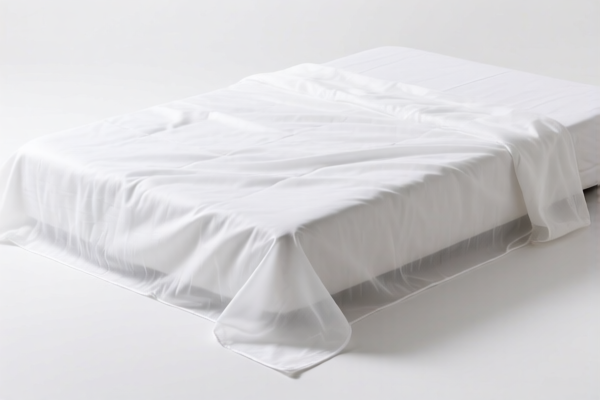
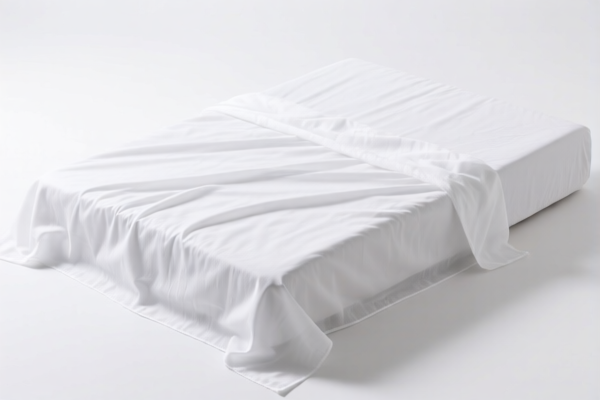
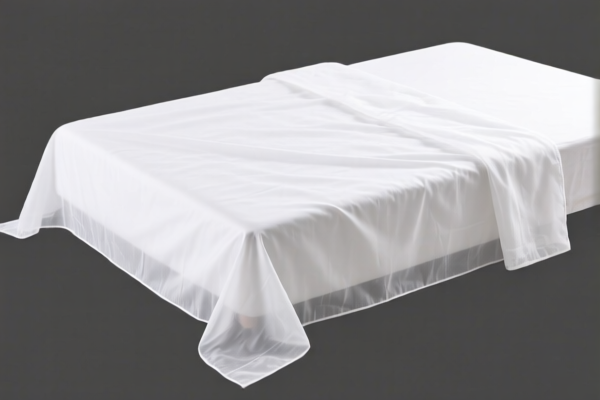
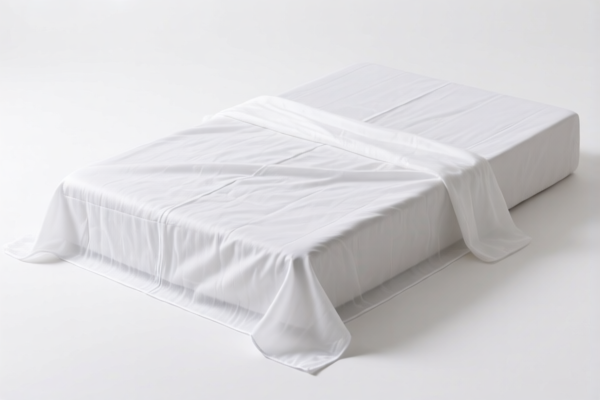
AI Analysis
🛏️ Non-Woven Bed Sheet (Polyester Short Fiber Non-Woven Fabric)
🌐 HS Code Reference & Customs Clearance Guide | 2026 Latest Tariff Analysis | Professional Clearance Strategy
📌 I. Product Definition & Classification: Do You Truly Understand "Non-Woven Bed Sheets"?
A non-woven bed sheet, specifically made from polyester short fibers, is a disposable or semi-disposable bedding item widely used in hospitals, hotels, and household settings. In international trade, its classification depends heavily on whether it is categorized as a finished bedding article or as a non-woven fabric product.
Key Distinction:
- If viewed primarily as a bedding article (finished good for sleeping): It falls under Chapter 63.
- If viewed primarily as a non-woven fabric (material form, regardless of final use): It falls under Chapter 56.
⚠️ Critical Classification Point:
- Finished Bedding Logic: Focuses on function (bedding) and material (synthetic fiber). → HS Code: 6302.32.20.40 / 6302.22.20.20
- Non-Woven Fabric Logic: Focuses on structure (non-woven, short fiber). → HS Code: 5603.94.90.90 / 5603.94.90.50
- Other Articles Logic: If deemed a general "other made-up article" not fitting specific bedding/fabric definitions strictly. → HS Code: 6307.90.98.91
📦 II. HS Code Classification Details (2026 Latest Tariff Authority Comparison)
| HS Code | Product Description | Classification Logic | Total Tax Rate (China Origin to US) |
|---|---|---|---|
6302.32.20.40 |
Bed linen, knitted or crocheted? No. Non-woven bed sheets made of synthetic fibers. Classified as finished bedding articles. | ✅ Finished Bedding Material: Polyester (Synthetic) Form: Bed Sheet |
21.4% |
5603.94.90.90 |
Non-woven fabrics, weighing >70g/m², of synthetic fibers, other. Classified based on material structure. | ✅ Non-Woven Material Material: Short Fibers Form: Non-woven Fabric |
35.0% |
6302.22.20.20 |
Bed linen, of man-made fibers. Another option for finished bedding classification. | ✅ Finished Bedding Material: Man-made Fiber Form: Bed Sheet |
21.4% |
5603.94.90.50 |
Non-woven fabrics, weighing >70g/m², of synthetic fibers, other. Similar to .90, slight sub-heading difference. | ✅ Non-Woven Material Material: Short Fibers Form: Non-woven Fabric |
35.0% |
6307.90.98.91 |
Other made-up articles, of textile materials. Used if specific bedding/fabric codes are deemed inapplicable. | ✅ General Article Material: Polyester Form: Finished Article |
24.5% |
🔍 Key Insight:
- Lowest Tax Strategy: Classifying as Finished Bedding (6302 series) results in 21.4% total tax.
- Highest Tax Risk: Classifying as Non-Woven Fabric (5603 series) results in 35.0% total tax due to higher Section 301/122 tariffs on textile materials.
- Middle Ground: General "Other Articles" (6307) sits at 24.5%, but carries higher scrutiny risk.
💰 III. 2026 Latest Tariff Rate Breakdown (Including Surtaxes & Policy Add-ons)
✅ Applicable Country: USA (US)
✅ Origin: China (CN)
✅ Effective Date: Post-November 2025 (Includes subsequent imports)
🎯 1. 6302.32.20.40 & 6302.22.20.20 —— Finished Bedding Articles (Synthetic Fiber)
| Item | Detail |
|---|---|
| Base Tariff | 11.4% (Ad Valorem) |
| Section 301 Surcharge | 0.0% (No additional 25% tariff for this specific subheading) |
| 122 Provisions Surtax | +10% (Applied to certain textile/apparel products from China) |
| Total Tax Rate | 21.4% |
| Tax Calculation | CIF Value × 21.4% |
| De Minimis Exemption | ❌ Not Applicable (De Minimis value thresholds generally do not apply to goods subject to Section 301 or 122 tariffs, even if under $800, unless specific waivers apply. Note: Always verify current CBP enforcement on de minimis for restricted items.) |
| Legal Basis Path | USITC:6302.32.20.40 → 122 Provisions: +10% |
📌 Explanation:
- The 11.4% is the standard Most Favored Nation (MFN) rate for bed linen of man-made fibers.
- The +10% is the specific tariff imposed under "122 Provisions" (often linked to retaliation or specific trade measures on textile goods).
- Crucially, there is NO 25% Section 301 tariff on these specific finished bedding codes, making them the most cost-effective classification.
🎯 2. 5603.94.90.90 & 5603.94.90.50 —— Non-Woven Fabrics (Synthetic, Short Fiber)
| Item | Detail |
|---|---|
| Base Tariff | 0.0% (Ad Valorem) |
| Section 301 Surcharge | +25.0% (Applied to non-woven fabrics of synthetic fibers from China) |
| 122 Provisions Surtax | +10% |
| Total Tax Rate | 35.0% |
| Tax Calculation | CIF Value × 35.0% |
| De Minimis Exemption | ❌ Not Applicable |
| Legal Basis Path | USITC:5603.94.90.90 → Section 301: +25% → 122 Provisions: +10% |
📌 Explanation:
- Although the base tariff is 0%, the 25% Section 301 tariff applies heavily to non-woven fabric materials.
- Adding the 10% 122 provision, the total hits 35%.
- Risk: Customs may reclassify finished bed sheets as "non-woven fabric" if packaging/documentation emphasizes the material over the end-use, leading to a 13.6% higher tax burden compared to finished bedding codes.
🎯 3. 6307.90.98.91 —— Other Made-Up Articles
| Item | Detail |
|---|---|
| Base Tariff | 7.0% (Ad Valorem) |
| Section 301 Surcharge | +7.5% (Partial Section 301 or specific listing) |
| 122 Provisions Surtax | +10% |
| Total Tax Rate | 24.5% |
| Tax Calculation | CIF Value × 24.5% |
| De Minimis Exemption | ❌ Not Applicable |
| Legal Basis Path | USITC:6307.90.98.91 → Section 301: +7.5% → 122 Provisions: +10% |
📌 Explanation:
- This code is a "fallback" category.
- It has a moderate tax rate of 24.5%, higher than the finished bedding codes (21.4%) but lower than the non-woven fabric codes (35.0%).
- Use only if the product does not strictly meet the definition of "bed linen" or "non-woven fabric" in the customs officer's view.
🛠️ IV. Customs Clearance Practical Advice (Pitfall Avoidance Guide)
✅ 1. Required Documentation Checklist (Mandatory)
| Document | Must Provide | Explanation |
|---|---|---|
| ✅ Product Specifications | ✔️ | Must clearly state: Material (100% Polyester Short Fiber Non-Woven), Weight (gsm), Use (Bed Sheet). |
| ✅ Product Photos | ✔️ | Clear images showing the finished shape (bed sheet), not just a roll of fabric. |
| ✅ Commercial Invoice | ✔️ | Description should read: "Non-woven Polyester Bed Sheet, Finished Article, For Bedding Use" |
| ✅ Packing List | ✔️ | Detail package dimensions and weight. |
| ✅ Origin Certificate | ✔️ | To prove China origin (subject to tariffs). |
✅ 2. Declaration Tips (Key Rules)
🔥 "Finished Use, Finished Form, Lower Tax!"
| Scenario | Correct Declaration | Wrong Practice |
|---|---|---|
| Finished Bed Sheet (Cut, sewn/heat-sealed, packaged for sale as bedding) | HS Code: 6302.32.20.40Tax: 21.4% |
Misdeclare as "Non-woven Fabric Roll" → 35.0% |
| Bulk Non-Woven Material (Not cut to size, no bedding shape) | HS Code: 5603.94.90.90Tax: 35.0% |
N/A |
| Unfinished/Loose Sheets (Cut but not sealed, generic textile) | HS Code: 6307.90.98.91Tax: 24.5% |
Risk of reclassification |
📌 Critical Note:
- Do NOT use "Non-woven Fabric" as the primary description if the product is clearly a finished bed sheet. Customs officers will look at the primary use and form. A bed sheet is a "made-up article," not just fabric.
- Avoid declaring as6307unless necessary, as6302(Bedding) is more specific and has a lower tariff burden (21.4% vs 24.5%).
✅ 3. Special Circumstances Handling
| Situation | Advice |
|---|---|
| Disposable Hospital Sheets | Clearly state "Disposable Medical Bed Sheet" in invoice. Still qualifies under 6302.32.20.40 if it's a bedding article. |
| Hotel Amenity Sheets | Same as above. Emphasize "Bedding" use. |
| Mixed Shipments (Fabrics + Finished Sheets) | Do not mix in one HS code. Declare separately. Mixing can trigger audits for both. |
| Sample Shipments | Even samples are subject to tariffs if classified under these codes. Ensure proper de minimis review if applicable (though often denied for China-origin textile goods with surtaxes). |
🌍 V. Global Market Comparison (2026 Latest)
| Country/Region | Recommended HS Code | Tariff Rate (China Origin) | Notes |
|---|---|---|---|
| 🇺🇸 USA | 6302.32.20.40 |
21.4% (Base 11.4% + 122 10%) | Best option. Avoid 5603 (35%). |
| 🇨🇳 China | 6302.32.20.40 |
~9-12% | Domestic trade not shown here. |
| 🇪🇺 EU | 6302.32 |
12-14% | Different tariff structure. |
| 🇬🇧 UK | 6302.32 |
12-14% | Post-Brexit tariffs apply. |
| 🇯🇵 Japan | 6302.32 |
8-10% | Lower general rates. |
📌 Conclusion:
- For US imports,6302.32.20.40is the optimal code, balancing specificity and tax efficiency (21.4%).
-5603.94.90.90is a trap for finished goods, leading to 35% tax.
-6307.90.98.91is a fallback but less optimal than6302.
📌 VI. Common Errors & Pitfalls (Lessons Learned)
❌ Mistake 1: Declaring finished bed sheets as "Non-woven Fabric" (5603).
👉 Consequence: Tax increases from 21.4% to 35.0%. Overpay $13,600 per $100k shipment!
❌ Mistake 2: Using vague descriptions like "Textile Material" or "Polyester Cloth".
👉 Consequence: Customs may select any code, often defaulting to higher-taxed categories or requesting reclassification delays.
❌ Mistake 3: Ignoring the 122 Provisions (+10%).
👉 Consequence: Under-declaration of tax. All listed codes above include the 122 surtax. Ensure it is calculated.
✅ Correct Declaration Example:
"Non-woven Polyester Bed Sheet, Finished Article, For Bedding Use, Model XYZ, 100% Synthetic Fiber"
🎯 VII. Conclusion: Professional Declaration Saves Money!
🎯 Remember the Golden Rule:
🔹 "Finished Bedding = 6302 = 21.4%"
🔹 "Raw Non-Woven = 5603 = 35.0%"
🔹 "Vague Article = 6307 = 24.5%"
📌 Tip:
If your product is clearly a bed sheet, always use 6302.32.20.40 or 6302.22.20.20. Do not let customs classify it as fabric. Provide clear photos and descriptions emphasizing the bedding use.
📣 Immediate Action:
📞 Consult a licensed customs broker to file a Binding Tariff Ruling if unsure.
🚀 Accurate Classification = Lower Taxes + Faster Clearance = Higher Profit!
✨ Professional Customs Clearance Starts with Precise Classification!
💼 Your Cost, Precisely Calculated!
Customer Reviews
About HS Code Classification
The Harmonized System (HS) is an internationally standardized nomenclature developed by the World Customs Organization (WCO) to classify traded products. Over 200 countries use the HS system as the basis for customs tariffs, trade statistics, and import/export regulations.
Each HS code follows a hierarchical structure:
- Chapter (2 digits) — Broad category of goods (e.g., Chapter 84: Machinery and Mechanical Appliances)
- Heading (4 digits) — More specific grouping within the chapter
- Subheading (6 digits) — Internationally standardized breakdown, used by all WCO member countries
- National subdivisions (8-10 digits) — Country-specific extensions for further classification, such as US HTSUS 10-digit codes
Correct HS code classification is essential for smooth customs clearance, accurate duty payment, and compliance with trade regulations. Misclassification can lead to customs delays, overpayment of duties, or penalties.
When importing from CN to US, the applicable tariff rates may include:
- Most-Favored-Nation (MFN) rate — The standard duty rate applied to WTO members
- General rate — Applied to countries without trade agreements
- Trade remedy duties — Additional tariffs such as Section 301 (anti-dumping), Section 232 (national security), or countervailing duties
The information provided on this page is for reference purposes only. For official classification, please consult with your local customs authority or a licensed customs broker.