nursery hanging decoration
CN → US| HS Code | Tariff Rate | Origin | Destination | Doc |
|---|---|---|---|---|
| 6304996040 | 20.7% | CN | US | Official Doc |
| 3926400010 | 15.3% | CN | US | Official Doc |
| 6304991000 | 21.3% | CN | US | Official Doc |
| 3926400090 | 15.3% | CN | US | Official Doc |
Product Images
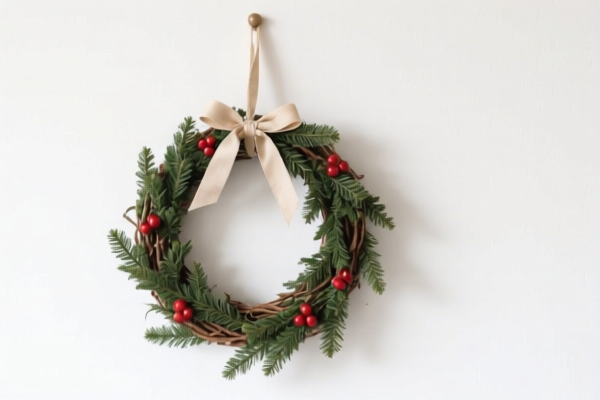
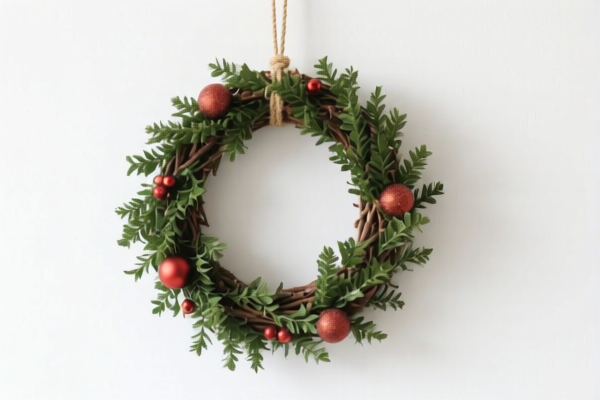
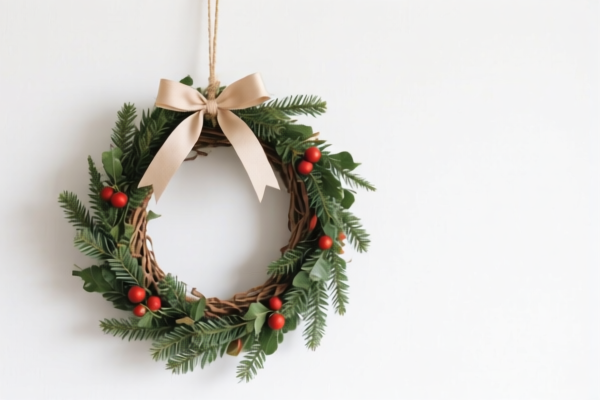
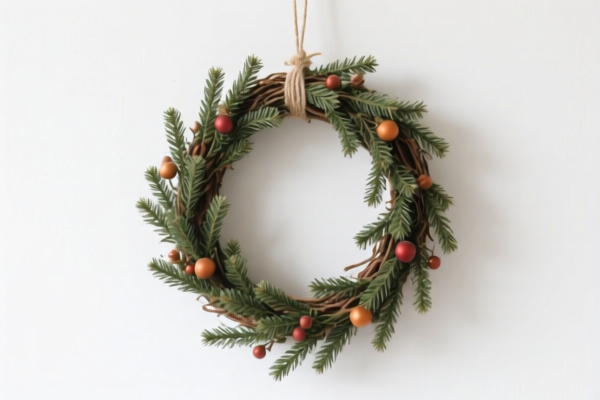
AI Analysis
🎈 Nursery Hanging Decorations: HS Code Classification & Customs Clearance Guide (2026 Edition)
🌐 HS Code Reference & Customs Strategy | 2026 Latest Tariff Analysis | Professional Entry Tips
📌 I. Product Definition: What Exactly is a "Nursery Hanging Decoration"?
Nursery Hanging Decorations are soft goods or plastic ornaments designed to be suspended above cribs, beds, or walls in baby rooms. Their primary purpose is aesthetic appeal, sensory stimulation, and room ambiance.
In international trade, these items are often ambiguous because they can be made from textiles (fabric, plush) or synthetic materials (plastic, PVC). This material difference dictates the HS Code, tax rate, and clearance strategy.
⚠️ Critical Distinction:
- Textile-based (Fabric, Wool, Plush, Cotton) → Classify under Chapter 63 (Miscellaneous Made-up Textile Articles).
- Plastic/Synthetic-based (PVC, Vinyl, Resin) → Classify under Chapter 39 (Articles of Plastics).
- Note: "Hanging" alone does not determine the chapter. Material is the key factor.
📦 II. HS Code Classification Details (Based on Provided Data)
The following classifications are derived directly from the provided dataset. Note that 122 Tariff Clauses (Section 301/IEEPA additional duties) apply to all Chinese-origin goods entering the US.
| HS Code | Product Description | Inferred Material/Logic | Total Tax Rate | Tax Breakdown |
|---|---|---|---|---|
| 6304.99.60.40 | Other Household Textile Decorations | Non-wool, non-silk textile materials. Fits the "other home textile" category for decorative items. | 20.7% | Base: 3.2% Section 301: 7.5% IEEPA (122): 10% |
| 3926.40.00.10 | Decorative Arches & Similar Plastic Items | Plastic or synthetic materials. Fits "Decorative bows/ornaments for gifts/decor." | 15.3% | Base: 5.3% Section 301: 0.0% IEEPA (122): 10% |
| 6304.99.10.00 | Textile Home Decorations (Wool/Fine Animal Hair) | Inferred as wool or fine animal hair based on "hanging wall decoration" usage. | 21.3% | Base: 3.8% Section 301: 7.5% IEEPA (122): 10% |
| 3926.40.00.90 | Other Plastic Decorations | Plastic or non-metallic synthetic materials. Fits "Other decorations" category. | 15.3% | Base: 5.3% Section 301: 0.0% IEEPA (122): 10% |
🔍 Key Insight from Data:
- Plastic Decorations (3926) are cheaper (15.3% total tax) compared to Textile Decorations (6304) (20.7% - 21.3% total tax).
- Section 301 Duty (7.5%) applies only to the Textile HS Codes (6304), NOT to the Plastic HS Codes (3926).
- IEEPA Duty (10%) applies to ALL categories listed in the data.
💰 III. 2026 Tariff Rate Deep Dive (US Market, China Origin)
🎯 1. Textile Category: 6304.99.60.40 & 6304.99.10.00
Applicable To: Fabric plush mobiles, cotton wall hangings, knitted decorations.
| Item | Content |
|---|---|
| Base Tariff | 3.2% (for .60.40) / 3.8% (for .10.00) |
| Section 301 Duty | +7.5% (Specific to these textile codes) |
| IEEPA (122) Duty | +10% (China origin surcharge) |
| Total Tax Rate | 20.7% / 21.3% |
| Calculation | CIF Value × Total Rate |
| De Minimis Exemption? | ❌ NO (Usually denied for textile/home decor under current enforcement trends if high risk, but data implies full duty applicability) |
| Legal Path | IEEPA:9903.01.24 → USITC:6304.xxxx.xxxx → Section 301 Footnotes |
📌 Explanation:
- The 7.5% Section 301 duty makes textiles significantly more expensive to import than plastics.
- If your product is 100% polyester or cotton, you cannot avoid this 7.5% surcharge by misclassifying it, unless you can prove it is purely plastic.
- Risk: Misdeclaring a plush toy as plastic to save 7.5% is high-risk for audits.
🎯 2. Plastic Category: 3926.40.00.10 & 3926.40.00.90
Applicable To: PVC wind chimes, plastic hanging stars, resin figures, vinyl banners.
| Item | Content |
|---|---|
| Base Tariff | 5.3% |
| Section 301 Duty | 0.0% (No additional 301 tariff for this specific plastic subheading in this dataset) |
| IEEPA (122) Duty | +10% |
| Total Tax Rate | 15.3% |
| Calculation | CIF Value × 15.3% |
| De Minimis Exemption? | ❌ NO (Standard for this HS category) |
| Legal Path | IEEPA:9903.01.24 → USITC:3926.40.00.xx |
📌 Strategy:
- If your decoration is mostly plastic (e.g., plastic stars with a string),3926is the more cost-effective choice.
- Warning: Do not use3926if the item is primarily fabric with plastic eyes. It must be predominantly plastic.
🛠️ IV. Customs Clearance Practical Advice (Avoid Pitfalls)
✅ 1. Documentation Checklist (Must-Haves)
| Document | Requirement | Reason |
|---|---|---|
| Product Specification | ✔️ Mandatory | Clearly state Material Composition (e.g., "100% Polyester Fabric", "PVC Plastic"). |
| Product Photos | ✔️ Mandatory | Show hanging mechanism, texture, and any tags. Customs officers judge by appearance. |
| Material Declaration | ✔️ Critical | Explicitly declare: "Material: Plastic" or "Material: Cotton/Polyester". Discrepancies cause delays. |
| Commercial Invoice | ✔️ Mandatory | Must match HS Code logic. If HS is 3926, invoice must say "Plastic Decoration." |
| Safety Certifications | ✔️ Highly Recommended | ASTM F963 (US Toy Standard) or CPSIA compliance if items are small/interactive. |
✅ 2. Declaration Strategy (The Golden Rules)
🔥 "Material Dictates Code, Code Dictates Cost!"
| Scenario | Correct HS Code | Incorrect Code (Risk) |
|---|---|---|
| Plush Animal Mobile | 6304.99.60.40 |
3926.40.00.90 → Audit Risk: High (Material mismatch). |
| Plastic Hanging Stars | 3926.40.00.90 |
6304.99.60.40 → Overpay Tax: You pay 20.7% instead of 15.3%. |
| Mixed Material (Plastic Body + Fabric Ribbon) | Depends on Primary Material | If fabric is >50% value/visual weight → 6304. If plastic body is dominant → 3926. |
| Wall Hanging (Textile) | 6304.99.10.00 (if wool) or 6304.99.60.40 |
3926 → Misclassification: Severe penalty if wool/fabric is detected. |
✅ 3. Critical Warnings
-
Do Not "Under-declare" Plastic as Textile or Vice Versa:
- If you ship plastic items but declare them as textiles to save the 7.5%? No, textiles are more expensive.
- If you ship textile items as plastic to save the 7.5%? NO! You will be audited, fined, and goods seized. The 3.2% base + 7.5% 301 + 10% IEEPA = 20.7%. The plastic rate is 15.3%.
- Correction: The goal is to correctly identify if it's Plastic (15.3%) or Textile (20.7%).
-
"122 Tariff" (IEEPA) is Unavoidable:
- All 4 HS codes in the data include a 10% IEEPA surcharge. Do not assume exemptions unless specific country-of-origin rules apply (e.g., not China origin).
-
Section 301 is the Cost Driver:
- The difference between
3926(15.3%) and6304(20.7%) is entirely due to the 7.5% Section 301 duty on textiles. - Optimization: If you can switch from fabric to plastic design (e.g., using plastic stars instead of fabric stars), you save 5.4% in total duties.
- The difference between
🌍 V. Global Clearance Comparison (Quick Reference)
| Market | HS Code Focus | Tax Strategy | Notes |
|---|---|---|---|
| 🇺🇸 USA | 6304 (Textile) vs 3926 (Plastic) |
Plastic is cheaper (15.3% vs 20.7%). | High scrutiny on material claims. |
| 🇨🇳 China | 6304 / 3926 |
Lower base rates. | Focus on VAT & Consumption Tax. |
| 🇪🇺 EU | 6304 / 3926 |
Standard 6.5% - 12%. | No Section 301 equivalent. |
| 🇬🇧 UK | 6304 / 3926 |
Standard 6.5% - 12%. | Post-Brexit rules apply. |
📌 VI. Common Errors & Pitfalls (Learn from Mistakes)
❌ Error 1: Declaring a Fabric Mobile as Plastic Decoration (3926)
👉 Consequence: Customs inspection reveals fabric → Penalty + Back Taxes + 12.7% surcharge.
✅ Fix: Always provide material composition. Use 6304.99.60.40 for fabric.
❌ Error 2: Declaring Plastic Stars as Textile (6304)
👉 Consequence: Overpayment. You pay 20.7% instead of 15.3%.
✅ Fix: Correctly classify as 3926.40.00.90 to save money.
❌ Error 3: Ignoring IEEPA (122) 10% Duty
👉 Consequence: Budget errors. You calculate 3.2% or 5.3% base only.
✅ Fix: Always add 10% to your cost model for China-origin goods.
🎯 VII. Conclusion: Smart Classification Saves Money
🎯 Key Takeaway:
🔹 "Plastic is Cheaper (15.3%) than Textile (20.7%) due to Section 301."
🔹 "Material is King: Check composition before declaring."
🔹 "IEEPA 10% applies to ALL China-origin goods in this list."
📌 Pro Tip:
If your product has mixed materials (e.g., plastic base with fabric ribbon), consult the "Essential Character" rule. However, for nursery decor, if the primary visual element is plastic, 3926 may be defensible. If it's a fabric plush, stick to 6304.
📣 Action Item:
📞 Verify Material Composition with your manufacturer.
📄 Submit Sample Photos to your broker for pre-classification.
🚀 Optimize Design: Consider if plastic alternatives can achieve the same aesthetic to save 5.4% in duties.
✨ Professional Clearance Starts with Accurate Classification!
💼 Your Profit Margin Depends on Getting the HS Code Right!
Customer Reviews
About HS Code Classification
The Harmonized System (HS) is an internationally standardized nomenclature developed by the World Customs Organization (WCO) to classify traded products. Over 200 countries use the HS system as the basis for customs tariffs, trade statistics, and import/export regulations.
Each HS code follows a hierarchical structure:
- Chapter (2 digits) — Broad category of goods (e.g., Chapter 84: Machinery and Mechanical Appliances)
- Heading (4 digits) — More specific grouping within the chapter
- Subheading (6 digits) — Internationally standardized breakdown, used by all WCO member countries
- National subdivisions (8-10 digits) — Country-specific extensions for further classification, such as US HTSUS 10-digit codes
Correct HS code classification is essential for smooth customs clearance, accurate duty payment, and compliance with trade regulations. Misclassification can lead to customs delays, overpayment of duties, or penalties.
When importing from CN to US, the applicable tariff rates may include:
- Most-Favored-Nation (MFN) rate — The standard duty rate applied to WTO members
- General rate — Applied to countries without trade agreements
- Trade remedy duties — Additional tariffs such as Section 301 (anti-dumping), Section 232 (national security), or countervailing duties
The information provided on this page is for reference purposes only. For official classification, please consult with your local customs authority or a licensed customs broker.