nylon bath scrubber
CN → US| HS Code | Tariff Rate | Origin | Destination | Doc |
|---|---|---|---|---|
| 6307102028 | 22.8% | CN | US | Official Doc |
| 6307909884 | 24.5% | CN | US | Official Doc |
| 6302932000 | 24.5% | CN | US | Official Doc |
Product Images
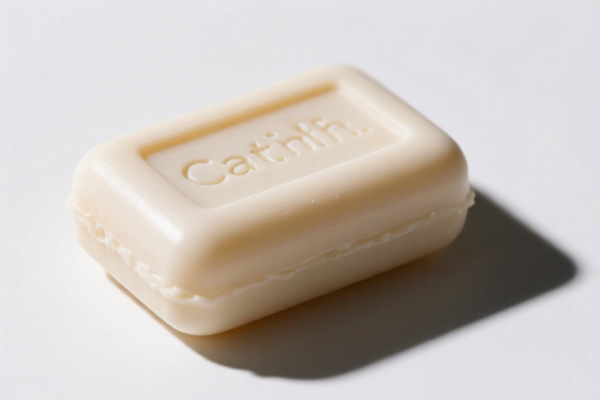
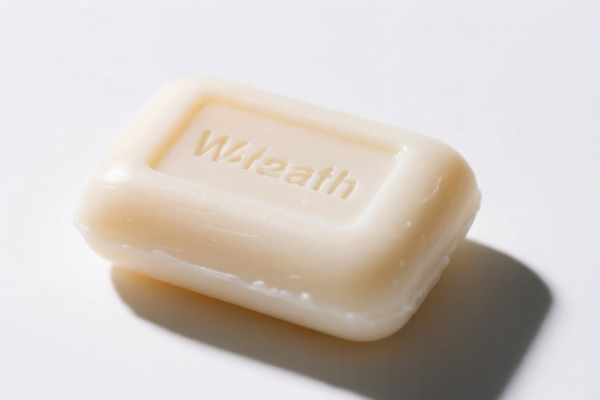
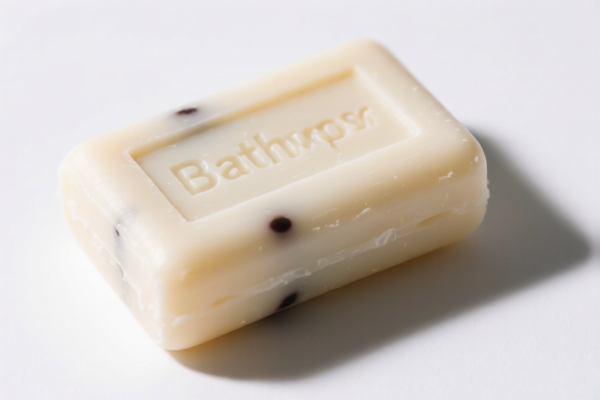
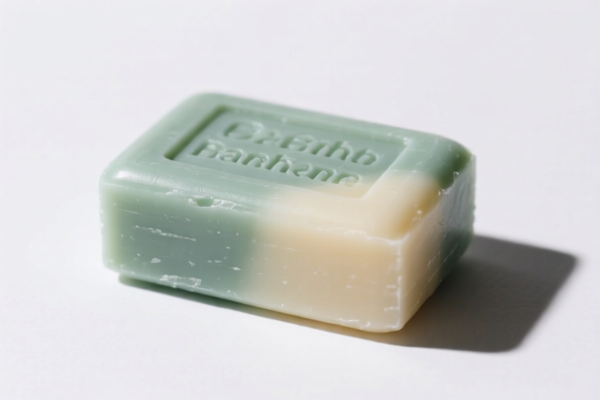
AI Analysis
🧼 Nylon Bath Scrubber (Nylon Loofah/Exfoliating Glove)
🌐 HS Code Reference & Customs Clearance Guide | 2026 Latest Tariff Analysis | Professional Clearance Strategy
📌 I. Product Definition & Classification: Do You Really Understand "Nylon Bath Scrubber"?
The Nylon Bath Scrubber is a personal care and hygiene tool designed for body exfoliation and cleaning. It is typically made from synthetic fibers (specifically Nylon/Polyamide) and can take various forms such as gloves, mitts, meshes, or rectangular pads.
In international trade, it is primarily classified under Chapter 63 (Other Made Up Articles) or Chapter 62/61 (Clothing & Knitted/Crocheted Apparel), depending on its specific physical form, material composition, and intended use. The key determinant is whether it is viewed as a "cleaning cloth," a "towel," or a "toilet article."
⚠️ Key Distinction Points:
- If viewed as a cleaning tool (like a sponge or scouring pad) → Likely 6307 (Other made up articles).
- If viewed as a toweling item (looped pile, towel-like structure) → Likely 6307.90 or 6302 (Towels/Toiletries).
- Crucial Note: Since the material is Nylon (Synthetic/Man-made Fiber), it cannot be classified under Cotton-based codes (e.g., 6107/6211 for cotton underwear/towels).
📦 II. HS Code Classification Details (Based on Provided Data)
Based on the provided dataset, there are three potential classifications for Nylon Bath Scrubbers. The choice depends heavily on how Customs interprets the primary function and physical morphology of the specific item.
| HS Code | Product Description | Classification Logic | Tax Rate |
|---|---|---|---|
6307.10.20.28 |
Nylon Scrubbing Cloth/Pad Form: Dishwashing/Cleaning Cloth Material: Nylon |
Classified as "Other made up cleaning articles" similar to scouring pads or dishcloths. Focuses on the abrasive/cleaning function rather than personal hygiene comfort. | 22.8% |
6307.90.98.84 |
Nylon Towel-like Article Form: Towel-like product Material: Man-made Fiber |
Classified as "Other made up articles of textiles," specifically recognizing its towel-like texture or form, but falling under the residual "Other" category because it’s not a standard bath towel (which might be 6302). | 24.5% |
6302.93.20.00 |
Nylon Toilet Article Use: Toilet/Hygiene Supply Material: Man-made Fiber |
Classified as "Other toilet linen, of man-made fibers." This is the most common classification for bath gloves/mitts used specifically for personal hygiene/bathing, recognizing them as specialized toiletry items. | 24.5% |
🔍 Critical Analysis:
-6307.10.20.28(22.8%) is the lowest tariff option among the three. It treats the scrubber as a "cleaning cloth" (similar to a dish sponge or scouring pad). If the product is stiff, mesh-like, or marketed primarily as an exfoliating scrubber (rather than a soft glove), this may be a viable, cost-effective classification.
-6307.90.98.84(24.5%) and6302.93.20.00(24.5%) are higher.6302is traditionally for "toilet linen" (towels, washcloths). If the scrubber is soft, plush, and glove-shaped, Customs is more likely to accept it as a toiletry item under 6302.
- ⚠️ Risk: Misclassifying a soft bath glove as a "dishcloth" (6307) may lead to disputes if the item is clearly designed for delicate skin. Conversely, classifying a stiff mesh pad as a "towel" (6302) may be rejected due to lack of towel-like absorbency.
💰 III. Detailed Tariff Breakdown (2026 Latest Rules)
✅ Applicable Country: United States (US)
✅ Origin: China (CN)
✅ Effective Date: 2025/2026 Tariff Schedule
🎯 1. HS Code: 6307.10.20.28 (Lowest Tax: 22.8%)
| Item | Detail |
|---|---|
| Base Tariff | 5.3% (General Rate) |
| Section 301 Tariff | 7.5% (Additional Tariff on Chinese Imports) |
| Section 122 Tariff | 10.0% (Specific Additional Tariff, likely referring to recent trade measures or specific product lists) |
| Total Tax Rate | 22.8% |
| Tax Calculation | CIF Value × 22.8% |
| De Minimis Exemption | ❌ Not Eligible (Likely subject to higher scrutiny or excluded from $800 threshold benefits if applicable under new rules) |
| Legal Basis | HTSUS: 6307.10 → Section 301: 122 → USITC |
📌 Explanation:
- This code falls under "Scouring Pads and Loofahs."
- The 122 Tariff adds a significant layer of cost, but the base rate (5.3%) is lower than the alternatives.
- Strategy: Use this code if the product is a mesh pad, stiff sponge, or abrasive cloth. Avoid if it is a soft, plush glove, as it may be challenged.
🎯 2. HS Code: 6307.90.98.84 (Higher Tax: 24.5%)
| Item | Detail |
|---|---|
| Base Tariff | 7.0% (General Rate for Other Made Up Articles) |
| Section 301 Tariff | 7.5% (Additional Tariff on Chinese Imports) |
| Section 122 Tariff | 10.0% (Specific Additional Tariff) |
| Total Tax Rate | 24.5% |
| Tax Calculation | CIF Value × 24.5% |
| De Minimis Exemption | ❌ Not Eligible |
| Legal Basis | HTSUS: 6307.90 → Section 301 → Section 122 |
📌 Explanation:
- This is a residual code for textile articles not specified elsewhere in Chapter 63.
- It is used when the item is "towel-like" but doesn't fit standard towel definitions, or when Customs rejects the "Toiletry" classification.
- Risk: Higher tax than 6307.10.
🎯 3. HS Code: 6302.93.20.00 (Higher Tax: 24.5%)
| Item | Detail |
|---|---|
| Base Tariff | 7.0% (General Rate for Other Toilet Linen) |
| Section 301 Tariff | 7.5% (Additional Tariff on Chinese Imports) |
| Section 122 Tariff | 10.0% (Specific Additional Tariff) |
| Total Tax Rate | 24.5% |
| Tax Calculation | CIF Value × 24.5% |
| De Minimis Exemption | ❌ Not Eligible |
| Legal Basis | HTSUS: 6302.93 → Section 301 → Section 122 |
📌 Explanation:
- 6302.93 covers "Other toilet linen, of man-made fibers."
- This is the most accurate classification for bath gloves/mitts if they are soft, absorbent, and marketed for personal hygiene.
- Although the tax rate is higher (24.5%), it is safer for plush bath gloves and less likely to be disputed for misclassification compared to 6307.
🛠️ IV. Customs Clearance Practical Advice (Risk Mitigation)
✅ 1. Document Preparation Checklist
| Document | Required? | Purpose |
|---|---|---|
| ✅ Product Photos | ✔️ | Show texture, elasticity, and form (mesh vs. plush). |
| ✅ Material Composition | ✔️ | Confirm 100% Nylon or blend (e.g., Nylon/Spandex). |
| ✅ Usage Description | ✔️ | Clarify: "Exfoliating bath scrubber for body" vs. "Heavy-duty cleaning pad." |
| ✅ Commercial Invoice | ✔️ | Must match HS Code description exactly. |
| ✅ Origin Certificate | ✔️ | Proof of Chinese origin for Section 301/122 assessment. |
✅ 2. Classification Strategy & Naming Tips
🔥 "Form Follows Function, Naming Follows Reality"
| Product Type | Recommended HS Code | Naming Strategy for Customs |
|---|---|---|
| Stiff Mesh Pad / Scrubbing Sponge | 6307.10.20.28 (22.8%) |
"Nylon Exfoliating Pad, Abrasive Cleaning Cloth" |
| Soft Plush Bath Glove / Mitt | 6302.93.20.00 (24.5%) |
"Nylon Bath Glove, Toiletry Item, Exfoliating" |
| Towel-like Washcloth | 6307.90.98.84 (24.5%) |
"Nylon Textured Washcloth, Other Made Up Textile Article" |
⚠️ Warning:
- Do NOT describe a soft bath glove as a "Dish Cloth" to get the 22.8% rate. If Customs inspects and finds it too soft/absorbent for dishes, they will reclassify it to 6302, resulting in back taxes + penalties.
- Do NOT describe a stiff mesh pad as a "Towel" (6302) if it has no absorbency. It will be rejected.
✅ 3. Special Considerations
- Section 122 Tariff Impact: The 10% additional tariff is significant. Ensure your supplier provides accurate HTSUS pre-rulings if available.
- De Minimis Risk: For shipments under $800 (Section 321), many textile/hygiene items from China are excluded or face stricter scrutiny. Always verify if your shipment qualifies for de minimis exemption. If not, formal entry is required.
- Pre-Ruling Recommendation: Given the tax difference (22.8% vs. 24.5%), if you are importing large volumes, consider applying for a Binding Ruling with US CBP to lock in your HS Code.
🌍 V. Global Market Comparison (Quick Reference)
| Market | Recommended HS Code | Est. Duty | Notes |
|---|---|---|---|
| 🇺🇸 USA | 6307.10.20.28 (if mesh) or 6302.93.20.00 (if glove) |
22.8% - 24.5% | High taxes due to Section 301/122. |
| 🇨🇳 China | 6307.90.99.00 or 6302.93.00 |
0% - 5% | Low tariffs, easier clearance. |
| 🇪🇺 EU | 6307.90.98 or 6302.93.00 |
6.5% | No Section 301/122 equivalent. |
| 🇬🇧 UK | 6307.90.90 or 6302.93.00 |
6.5% | Post-Brexit rules apply. |
📌 Conclusion:
- The US market is the most challenging due to high additional tariffs.
- Optimize Classification: If your product is a stiff scrubber, aim for6307.10.20.28to save 1.7%. If it is a soft glove, stick to6302.93.20.00to avoid penalties.
📌 VI. Common Errors & Pitfalls (Learn from Mistakes)
❌ Error 1: Calling a plush bath glove a "Scouring Pad" to get 22.8% tax.
👉 Consequence: Customs reclassifies to 24.5%, charges back-taxes, and may impose fines for misdeclaration.
❌ Error 2: Ignoring Section 122 Tariff.
👉 Consequence: Underpaying duty by 10%, leading to audits and seizures.
❌ Error 3: Using vague descriptions like "Bath Tool" on the Invoice.
👉 Consequence: CBP may select for inspection, delay clearance, and assign their own (possibly higher) HS Code.
✅ Correct Practice:
"Nylon Exfoliating Bath Scrubber, Mesh Form, Made of 100% Nylon, HTSUS: 6307.10.20.28"
OR
"Nylon Bath Glove, Toiletry Item, Soft Plush, HTSUS: 6302.93.20.00"
🎯 VII. Conclusion: Smart Classification, Lower Costs!
🎯 Key Takeaway:
🔹 Stiff Mesh/Pad →
6307.10.20.28(22.8%) – Cheapest, but risky for soft items.
🔹 Soft Glove/Mitt →6302.93.20.00(24.5%) – Safer, accurate for hygiene products.
🔹 Avoid Vague Names – Be specific about form and function.💡 Pro Tip:
If you are importing large volumes, invest in a CBP Binding Ruling. The small fee for a ruling can save thousands in potential penalties and back taxes by locking in your preferred HS Code.
📣 Immediate Action:
📞 Consult your customs broker with product samples and detailed photos.
🚀 Declare accurately to ensure smooth clearance and maximize your profit margin!
✨ Professional Customs Clearance Starts with Accurate Classification!
💼 Every Percentage Point of Tariff Matters!
Customer Reviews
About HS Code Classification
The Harmonized System (HS) is an internationally standardized nomenclature developed by the World Customs Organization (WCO) to classify traded products. Over 200 countries use the HS system as the basis for customs tariffs, trade statistics, and import/export regulations.
Each HS code follows a hierarchical structure:
- Chapter (2 digits) — Broad category of goods (e.g., Chapter 84: Machinery and Mechanical Appliances)
- Heading (4 digits) — More specific grouping within the chapter
- Subheading (6 digits) — Internationally standardized breakdown, used by all WCO member countries
- National subdivisions (8-10 digits) — Country-specific extensions for further classification, such as US HTSUS 10-digit codes
Correct HS code classification is essential for smooth customs clearance, accurate duty payment, and compliance with trade regulations. Misclassification can lead to customs delays, overpayment of duties, or penalties.
When importing from CN to US, the applicable tariff rates may include:
- Most-Favored-Nation (MFN) rate — The standard duty rate applied to WTO members
- General rate — Applied to countries without trade agreements
- Trade remedy duties — Additional tariffs such as Section 301 (anti-dumping), Section 232 (national security), or countervailing duties
The information provided on this page is for reference purposes only. For official classification, please consult with your local customs authority or a licensed customs broker.